Example With Bonus In San Diego
Description
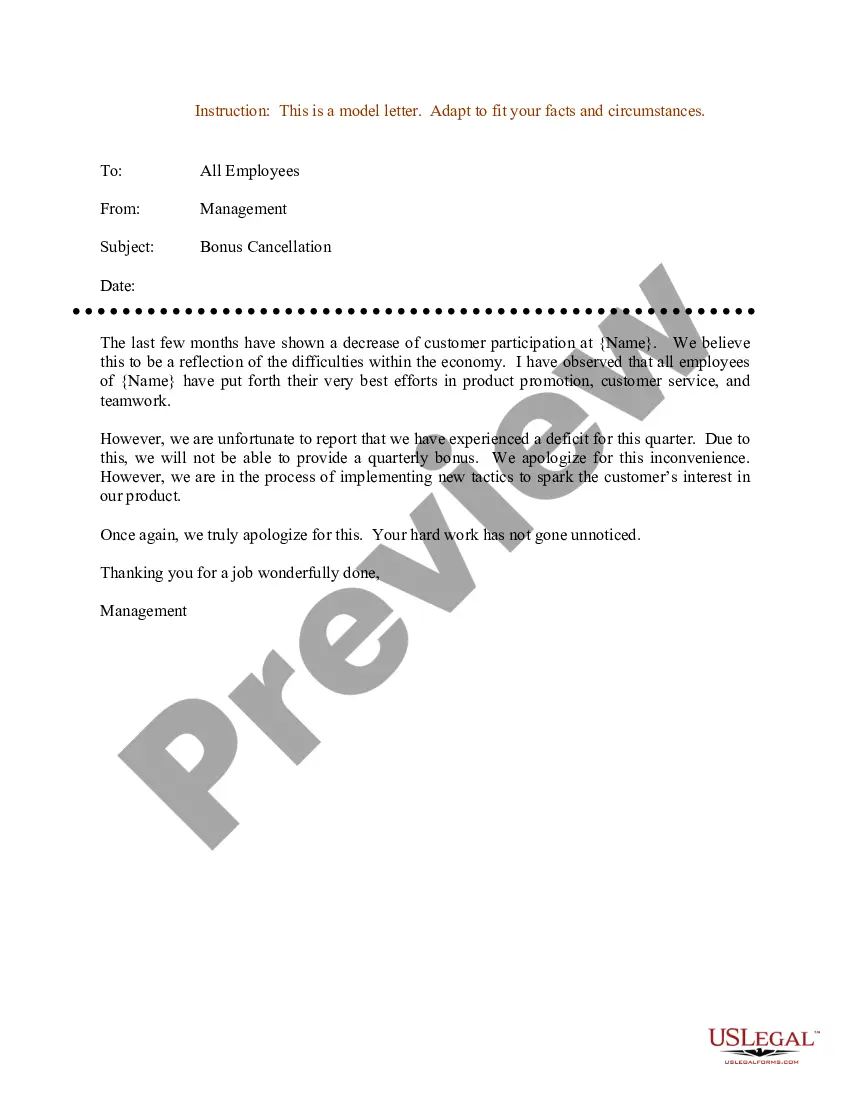
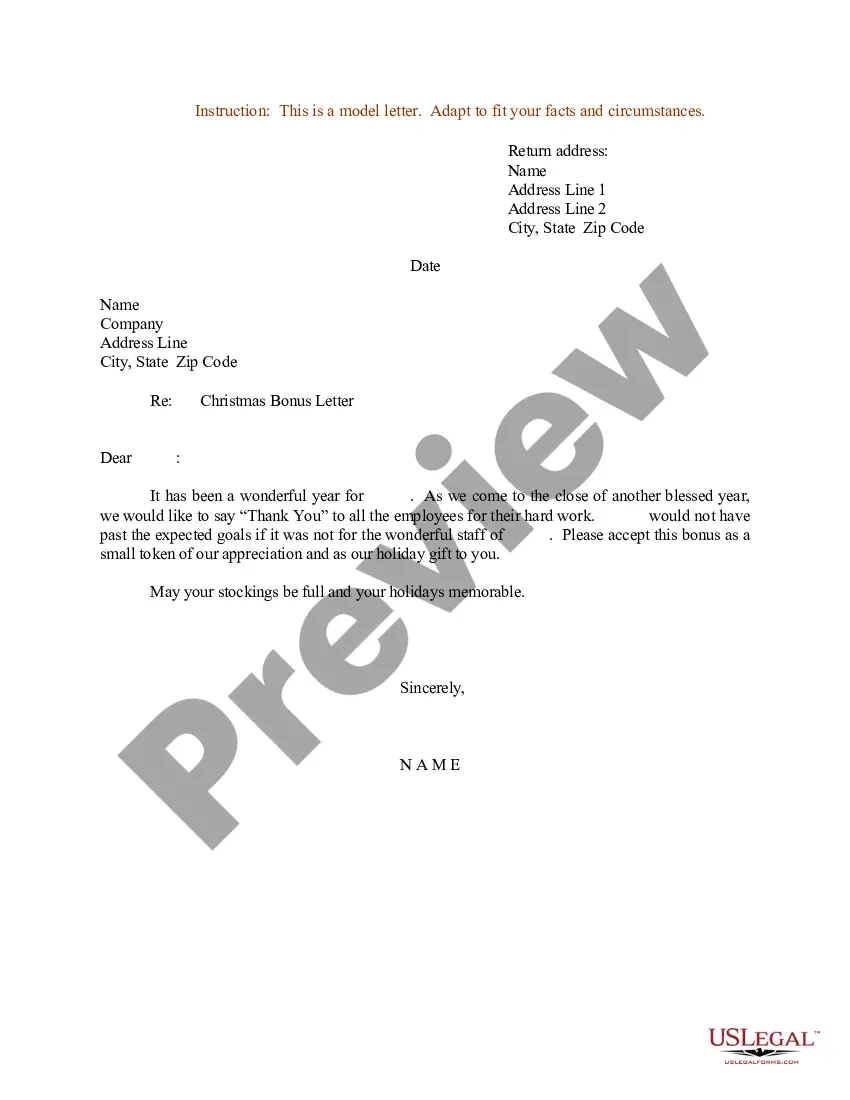
Get your form ready online
Our built-in tools help you complete, sign, share, and store your documents in one place.
Make edits, fill in missing information, and update formatting in US Legal Forms—just like you would in MS Word.
Download a copy, print it, send it by email, or mail it via USPS—whatever works best for your next step.
Sign and collect signatures with our SignNow integration. Send to multiple recipients, set reminders, and more. Go Premium to unlock E-Sign.
If this form requires notarization, complete it online through a secure video call—no need to meet a notary in person or wait for an appointment.
We protect your documents and personal data by following strict security and privacy standards.

Make edits, fill in missing information, and update formatting in US Legal Forms—just like you would in MS Word.

Download a copy, print it, send it by email, or mail it via USPS—whatever works best for your next step.

Sign and collect signatures with our SignNow integration. Send to multiple recipients, set reminders, and more. Go Premium to unlock E-Sign.

If this form requires notarization, complete it online through a secure video call—no need to meet a notary in person or wait for an appointment.

We protect your documents and personal data by following strict security and privacy standards.
Looking for another form?




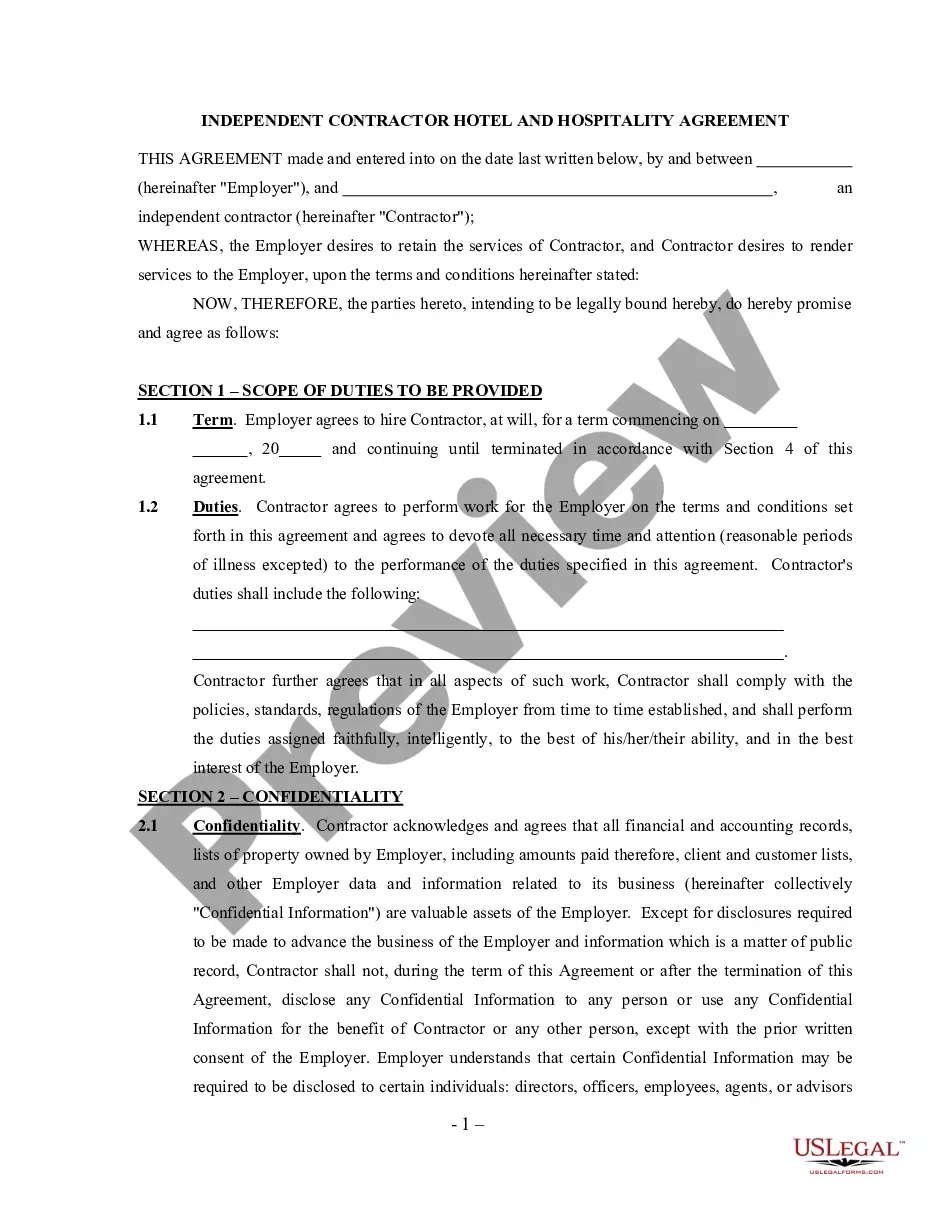




Form popularity
FAQ
Executives receive higher bonuses that can multiply based on performance, while most employees earn bonuses equal to 1% to 5% of their overall salary.
ADU Bonus Program An ADU bonus is available in exchange for ADUs that are deed restricted as affordable to very low-, low- or moderate-income households for 15 years.
Generally, yes, you must report account-opening bonuses as income. Your bank should send you a 1099-INT with the bonus amount included in Box 1. Report it on 2019 Form 1040, Line 2b. Also report it on Schedule B if required. Note that account-open...
When your employer provides you with a bonus, they will report it on your W-2 in box 1—but it's combined with your normal wages or salary. In the eyes of the Internal Revenue Service, your bonus is no different than the salary you receive.
The federal bonus tax withholding rate is typically 22%. However, employers could instead combine a bonus with your regular wages as though it's one of your usual paychecks—with your usual tax amount withheld.
The percentage method The withholding rate for supplemental wages is 22 percent. That rate will be applied to any supplemental wages like bonuses up to $1 million during the tax year. If your bonus totals more than $1 million, the withholding rate for any amount above $1 million increases to 37 percent.
The percentage method Bonus amount$10,000 Federal tax $10,000 X 22% = $2,200 federal income taxes withheld Remaining bonus $7,800
Reporting your bonus on your tax return Your Form W-2, which you receive at the beginning of the tax year, will include your bonus as part of your wages. Box 1 of your Form W-2 will reflect your taxable income, including both regular wages and any supplemental wages like bonuses.
The federal bonus tax withholding rate is typically 22%. However, employers could instead combine a bonus with your regular wages as though it's one of your usual paychecks—with your usual tax amount withheld. There are ways to reduce the tax impact of your bonus.

