Sample Bonus Policy In Pennsylvania
Description
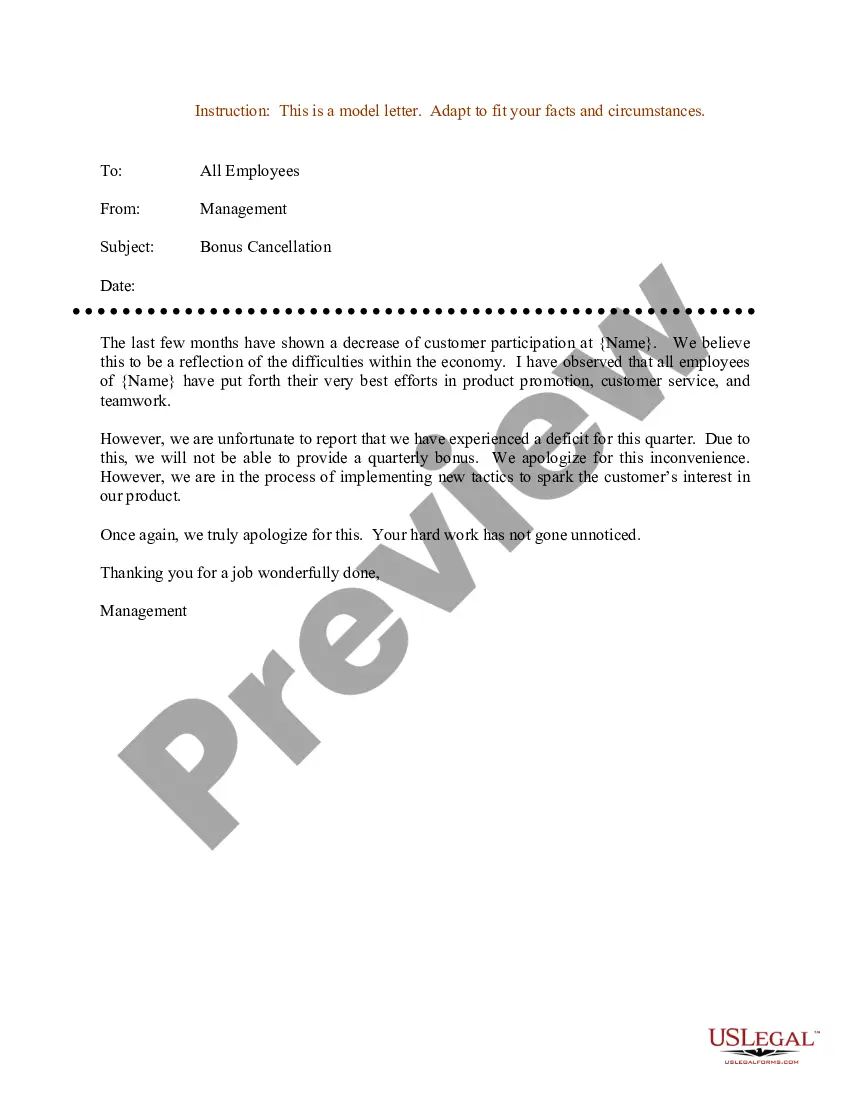
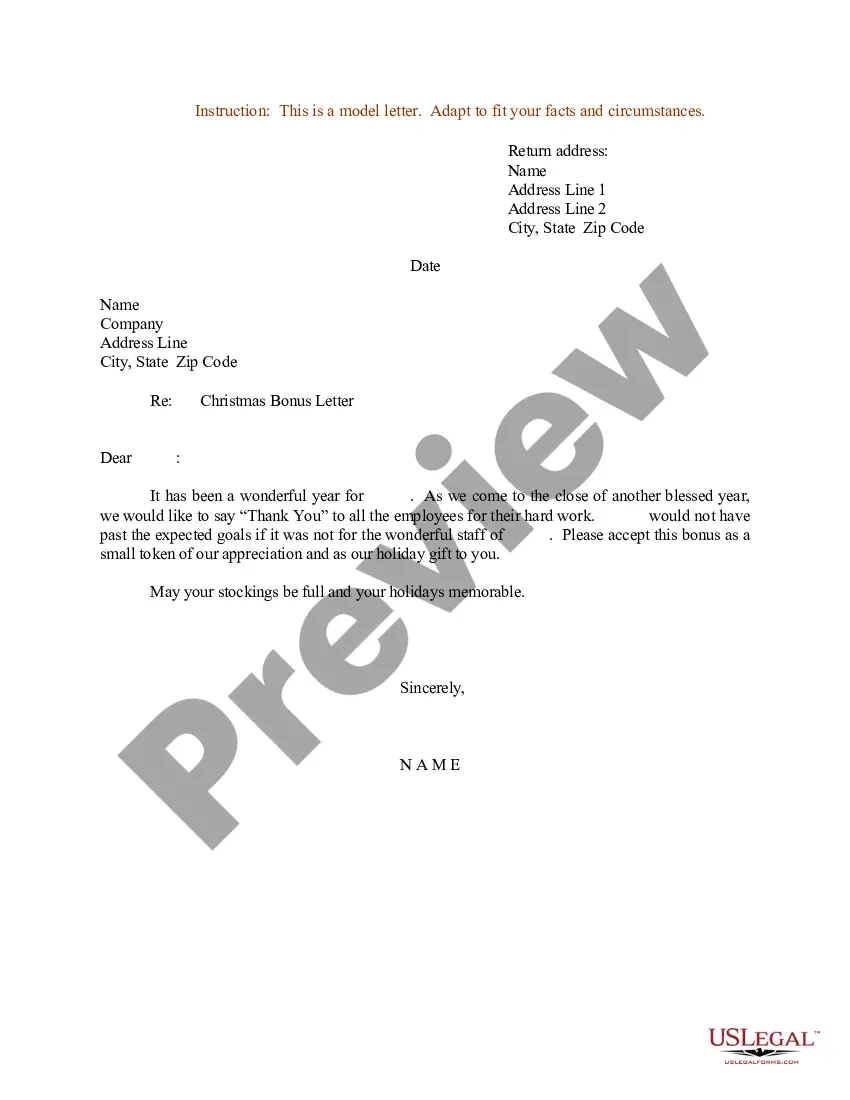
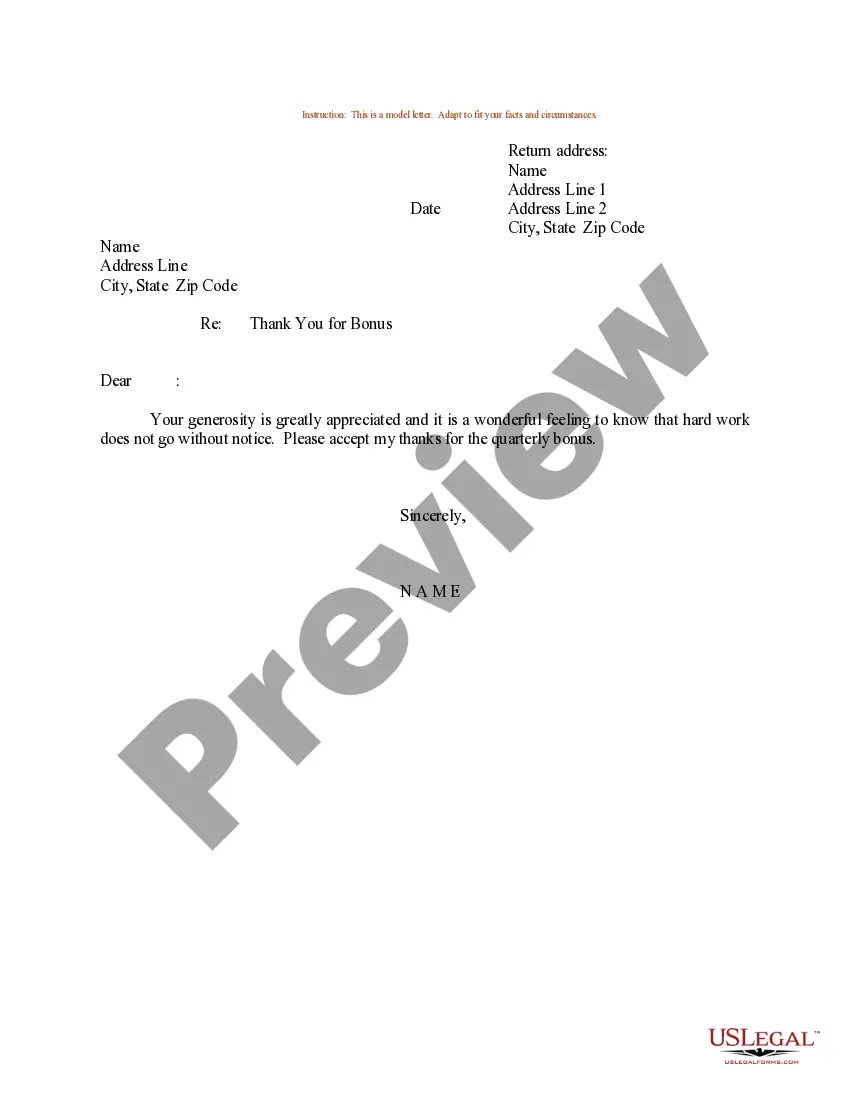
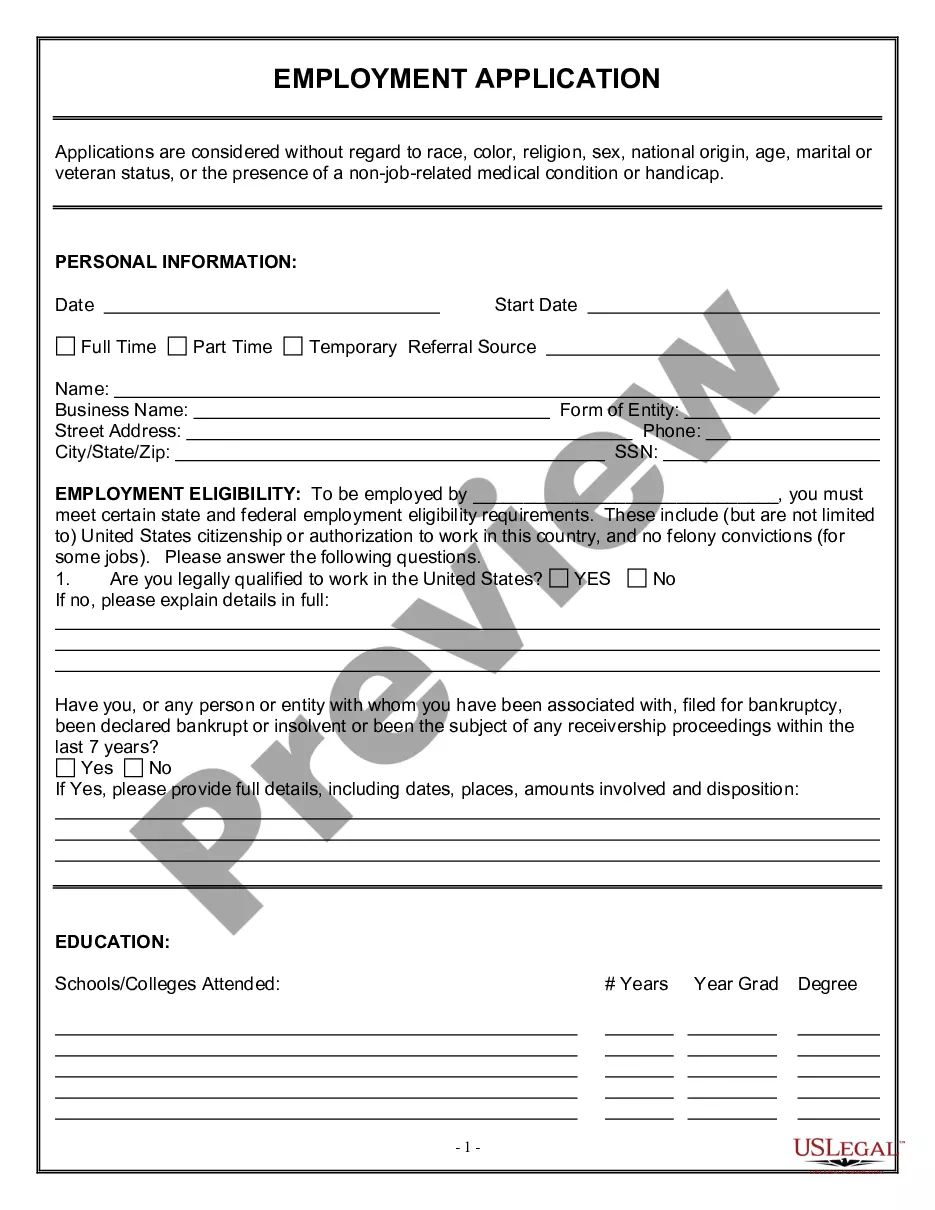
Get your form ready online
Our built-in tools help you complete, sign, share, and store your documents in one place.
Make edits, fill in missing information, and update formatting in US Legal Forms—just like you would in MS Word.
Download a copy, print it, send it by email, or mail it via USPS—whatever works best for your next step.
Sign and collect signatures with our SignNow integration. Send to multiple recipients, set reminders, and more. Go Premium to unlock E-Sign.
If this form requires notarization, complete it online through a secure video call—no need to meet a notary in person or wait for an appointment.
We protect your documents and personal data by following strict security and privacy standards.

Make edits, fill in missing information, and update formatting in US Legal Forms—just like you would in MS Word.

Download a copy, print it, send it by email, or mail it via USPS—whatever works best for your next step.

Sign and collect signatures with our SignNow integration. Send to multiple recipients, set reminders, and more. Go Premium to unlock E-Sign.

If this form requires notarization, complete it online through a secure video call—no need to meet a notary in person or wait for an appointment.

We protect your documents and personal data by following strict security and privacy standards.
Looking for another form?







Form popularity
FAQ
A typical bonus percentage ranges from 1% to 15% of a team member's salary. Nearly half of American workers had access to a nonproduction bonus (i.e., a bonus that isn't scaled via a productivity formula) in 2024.
The average bonus for employees in the US is 9.6% of salary, ing to reliable data from BLS and Gusto. The typical bonus amount can range from 1% to 15% of an employee's salary, usually depending on a number of factors such as industry, company performance, and individual or team accomplishments.
What is the formula for a salary bonus? The formula used for the calculation of bonus is as follows: Applicable Bonus = Your Salary x 8.33/100.
A typical bonus payout structure is 3% to 5% of annual salary for clerical and support staff. Managers might receive payments in the low double-digit percentage range, and executives in the mid-double-digit range. Senior executives at the highest levels may receive the bulk of their compensation via bonus payments.
Average bonus amounts: The average bonus in the US is currently 9.6% of salary, with a range of 1% to 15% being typical. While this figure has been rising over time (it was 8.1% in 2020), it still demonstrates that a 20% bonus is above average but not exceptionally high.
Under the Payment of Bonus Act, 1965, employers are required to provide a minimum bonus of 8.33% of monthly basic salary plus dearness allowance to employees who have worked for more than 30 days and earn less than ₹21,000 per month.
Wages include all forms of earnings, such as salary, hourly earnings, overtime, bonuses, commissions, and fringe benefits and wage supplements.
One of the most common types of bonus is an annual bonus, which employers give out once a year. Annual bonuses are usually based on your overall performance, although companies who use profit-sharing rewards may distribute bonuses based on company success and profits.
Put all the details of the Bonus Scheme in writing so the terms are easily understandable. Make sure the scheme is separate to the contract of employment so it can be easily reviewed and amended or updated as necessary. You should evaluate the scheme regularly to see if it is producing the results you want.
Once you have both performance percentage and salary percentage for each individual, you can multiply them together by an individual. Add up all individuals to get a total ratio. Divide each individual's share by the full rate, and that's the portion of the bonus pool that an individual receives.

