Sample Bonus Template For Achieving Sales Target In Mecklenburg
Description
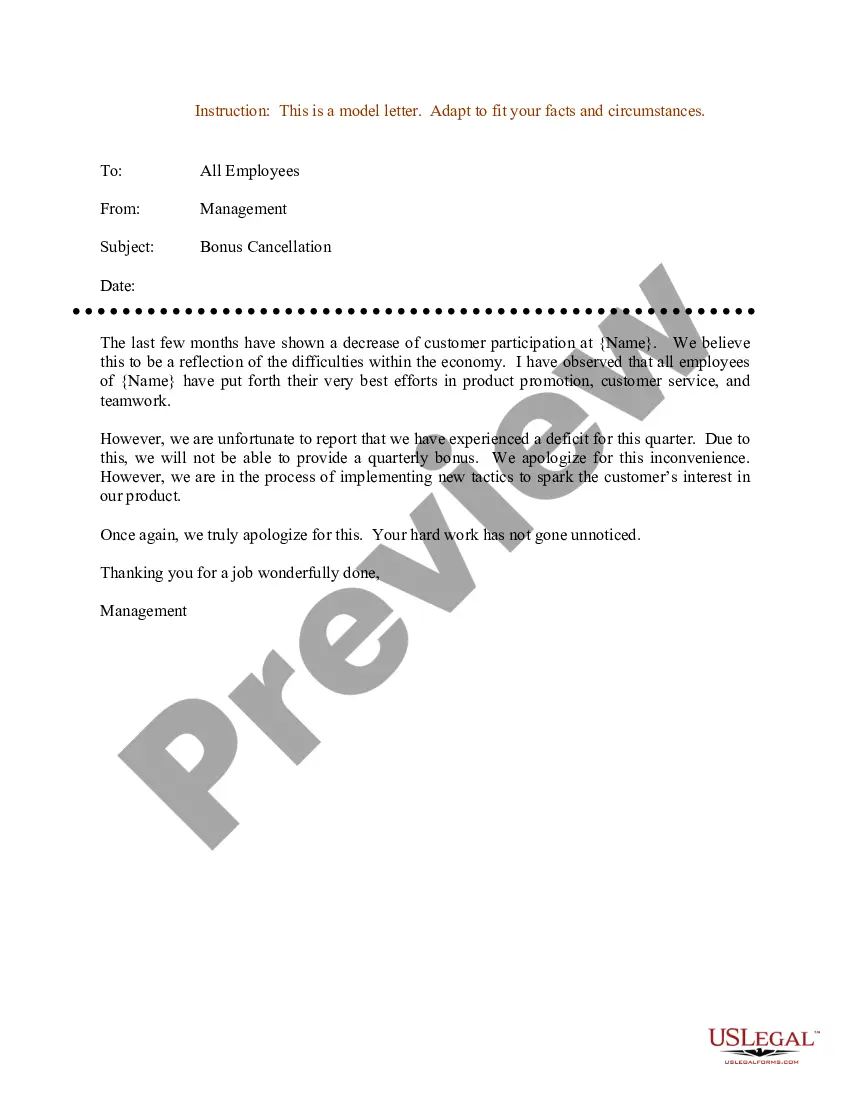
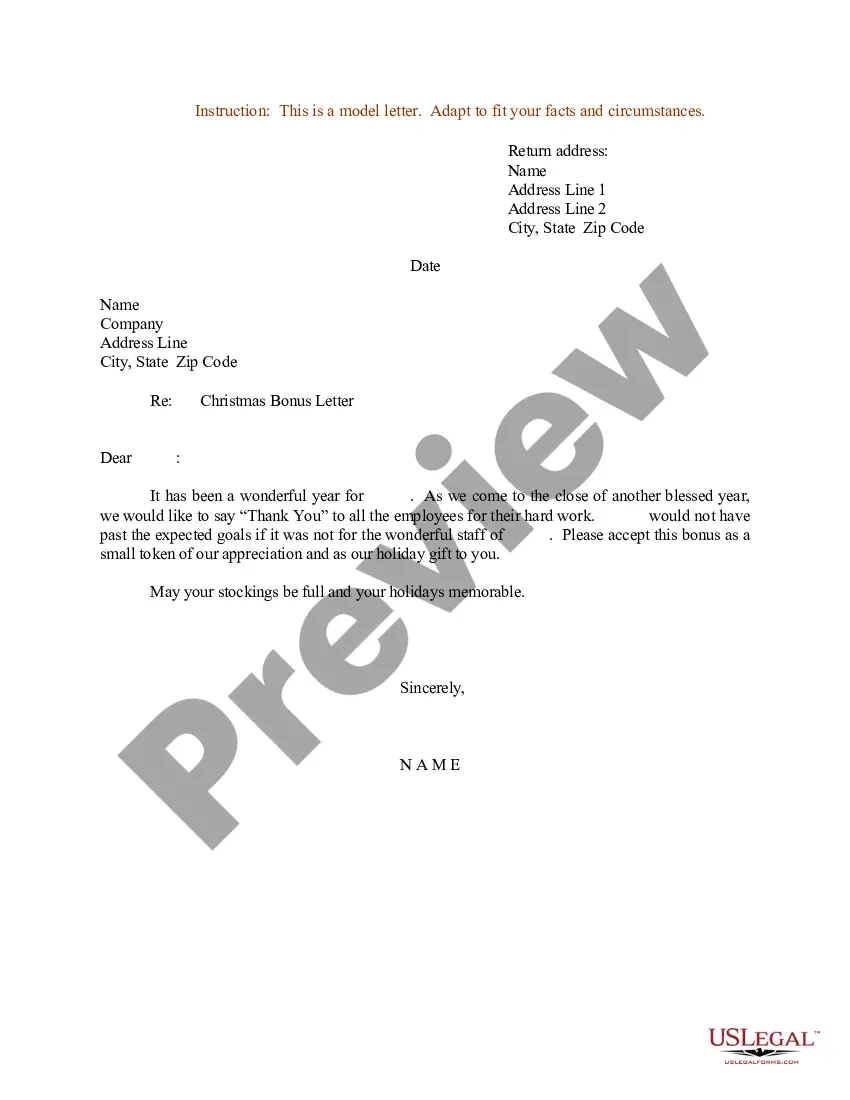
Get your form ready online
Our built-in tools help you complete, sign, share, and store your documents in one place.
Make edits, fill in missing information, and update formatting in US Legal Forms—just like you would in MS Word.
Download a copy, print it, send it by email, or mail it via USPS—whatever works best for your next step.
Sign and collect signatures with our SignNow integration. Send to multiple recipients, set reminders, and more. Go Premium to unlock E-Sign.
If this form requires notarization, complete it online through a secure video call—no need to meet a notary in person or wait for an appointment.
We protect your documents and personal data by following strict security and privacy standards.

Make edits, fill in missing information, and update formatting in US Legal Forms—just like you would in MS Word.

Download a copy, print it, send it by email, or mail it via USPS—whatever works best for your next step.

Sign and collect signatures with our SignNow integration. Send to multiple recipients, set reminders, and more. Go Premium to unlock E-Sign.

If this form requires notarization, complete it online through a secure video call—no need to meet a notary in person or wait for an appointment.

We protect your documents and personal data by following strict security and privacy standards.
Looking for another form?
Form popularity
FAQ
Executives receive higher bonuses that can multiply based on performance, while most employees earn bonuses equal to 1% to 5% of their overall salary.
One of the easiest ways to set a bonus structure is to reward employees with a percentage of their sales throughout the year. For example, you might choose to give an average holiday bonus of 5%. In this case, you'd multiply the sales of each employee by 5% to determine their bonus.
A sales bonus is calculated by applying the agreed-upon bonus percentage to the amount sold. For example, if someone sells $100,000 over their OTE and was told they would receive a 10% bonus for doing so, that rep would earn a sales bonus of $10,000.
What is the typical sales commission percentage? The industry average for sales commission typically falls between 20% and 30% of gross margins. At the low end, sales professionals may earn 5% of a sale, while straight commission structures allow a 100% commission.
A 20% bonus often falls within the standard range for directors, making it a less-than-exceptional reward. Average bonus amounts: The average bonus in the US is currently 9.6% of salary, with a range of 1% to 15% being typical.
Here are some tips to help you and your company achieve sales goals: Boost the value of your average sale. Monitor your sales activities. Minimize the duration of the sales process. Enhance your close rate. Seek referrals from previous clients. Push beyond client hesitancy. Network with people who may provide additional leads.
The 9.6% average is a good bonus percentage benchmark, but it isn't one-size-fits-all. You should shift this percentage based on industry factors and what's feasible for your company.
What Makes a Good Sales Target Letter Specific: Provides a clear explanation of the objective and steps to achieve them. Measurable: The objective's success should be measured ing to your metrics. Achievable: Your target should be realistic but still challenging.
Establish clear and measurable goals: The bonus should be tied to specific goals that are measurable and achievable. These goals should be aligned with the overall goals and objectives of the company.
How to develop a sales compensation plan Step 1: Identify your company objectives and values. Step 2: Define concrete actions and behaviors. Step 3: Equip the plan with basics. Step 4: Decide when to provide compensation. Step 5: Pick your payroll software. Step 6: Communicate expectations clearly.
