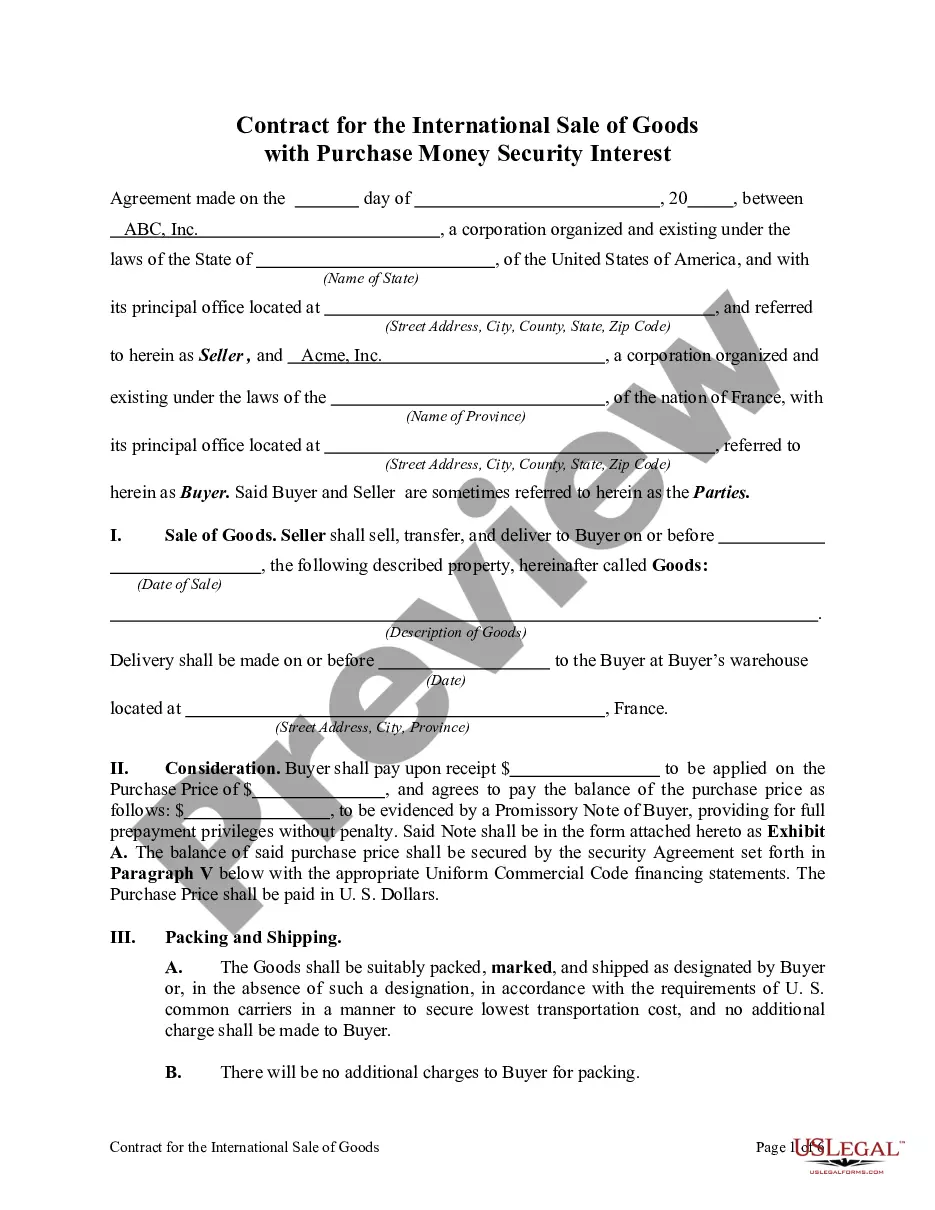
Sale Goods With Formula In Wake
Description


Get your form ready online
Our built-in tools help you complete, sign, share, and store your documents in one place.
Make edits, fill in missing information, and update formatting in US Legal Forms—just like you would in MS Word.
Download a copy, print it, send it by email, or mail it via USPS—whatever works best for your next step.
Sign and collect signatures with our SignNow integration. Send to multiple recipients, set reminders, and more. Go Premium to unlock E-Sign.
If this form requires notarization, complete it online through a secure video call—no need to meet a notary in person or wait for an appointment.
We protect your documents and personal data by following strict security and privacy standards.

Make edits, fill in missing information, and update formatting in US Legal Forms—just like you would in MS Word.

Download a copy, print it, send it by email, or mail it via USPS—whatever works best for your next step.

Sign and collect signatures with our SignNow integration. Send to multiple recipients, set reminders, and more. Go Premium to unlock E-Sign.

If this form requires notarization, complete it online through a secure video call—no need to meet a notary in person or wait for an appointment.

We protect your documents and personal data by following strict security and privacy standards.
Looking for another form?

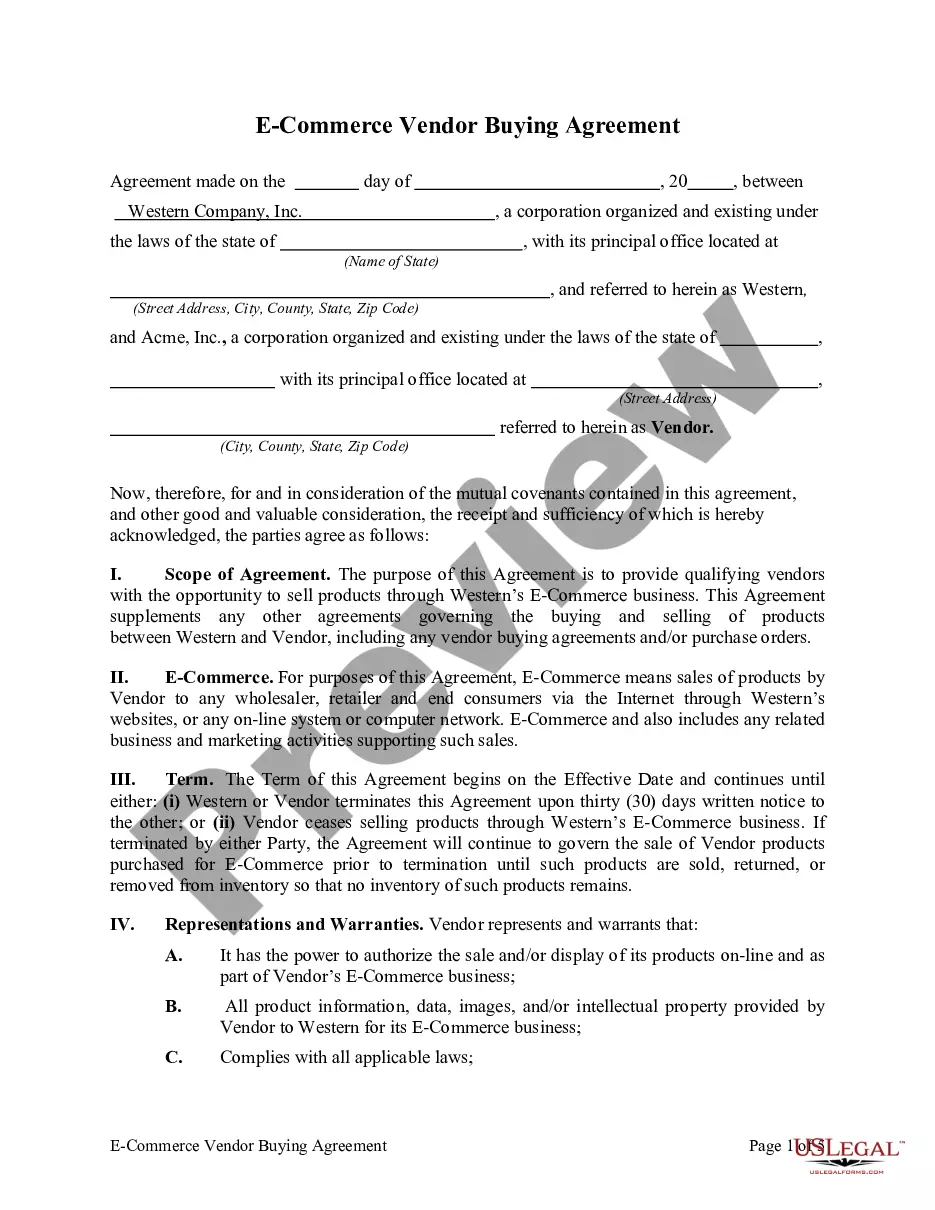






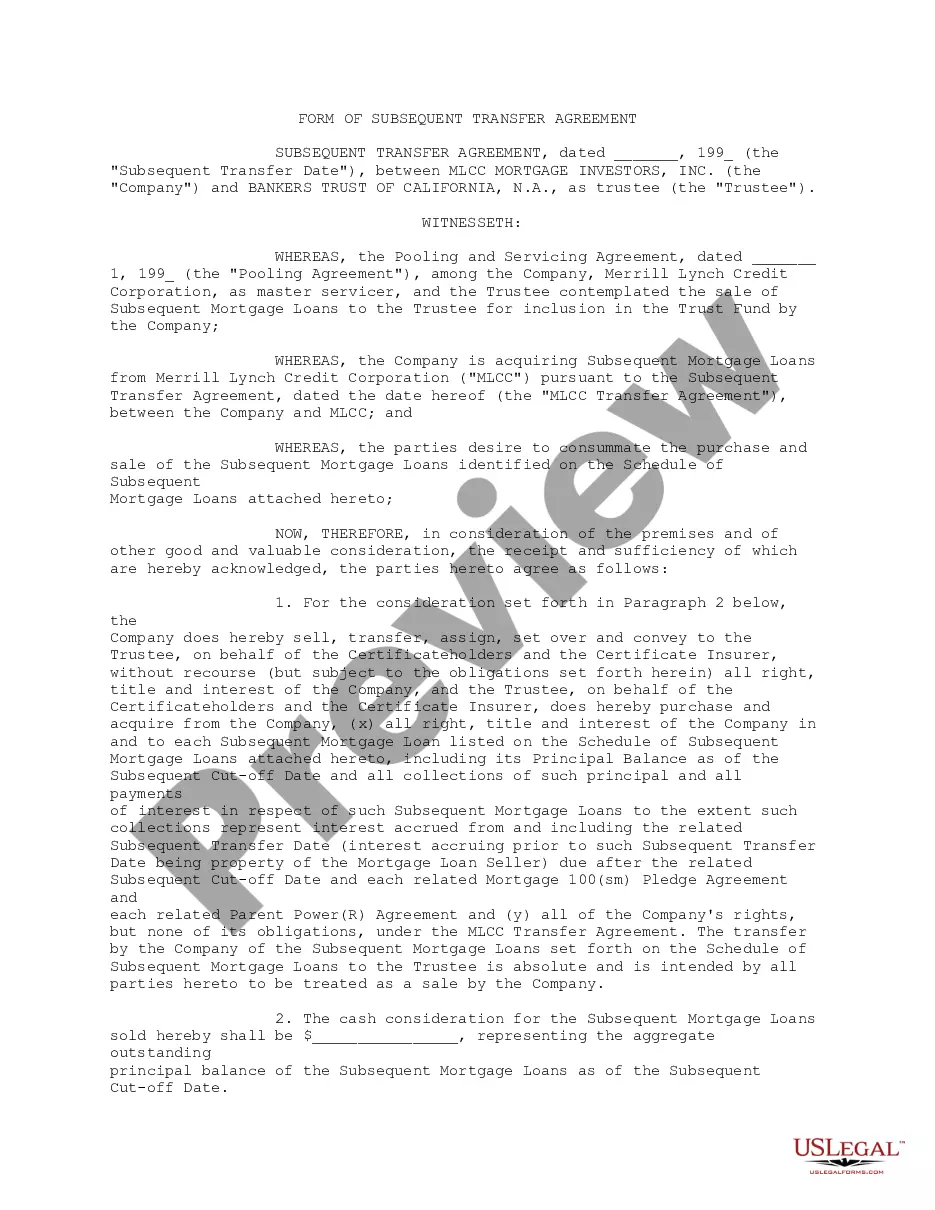
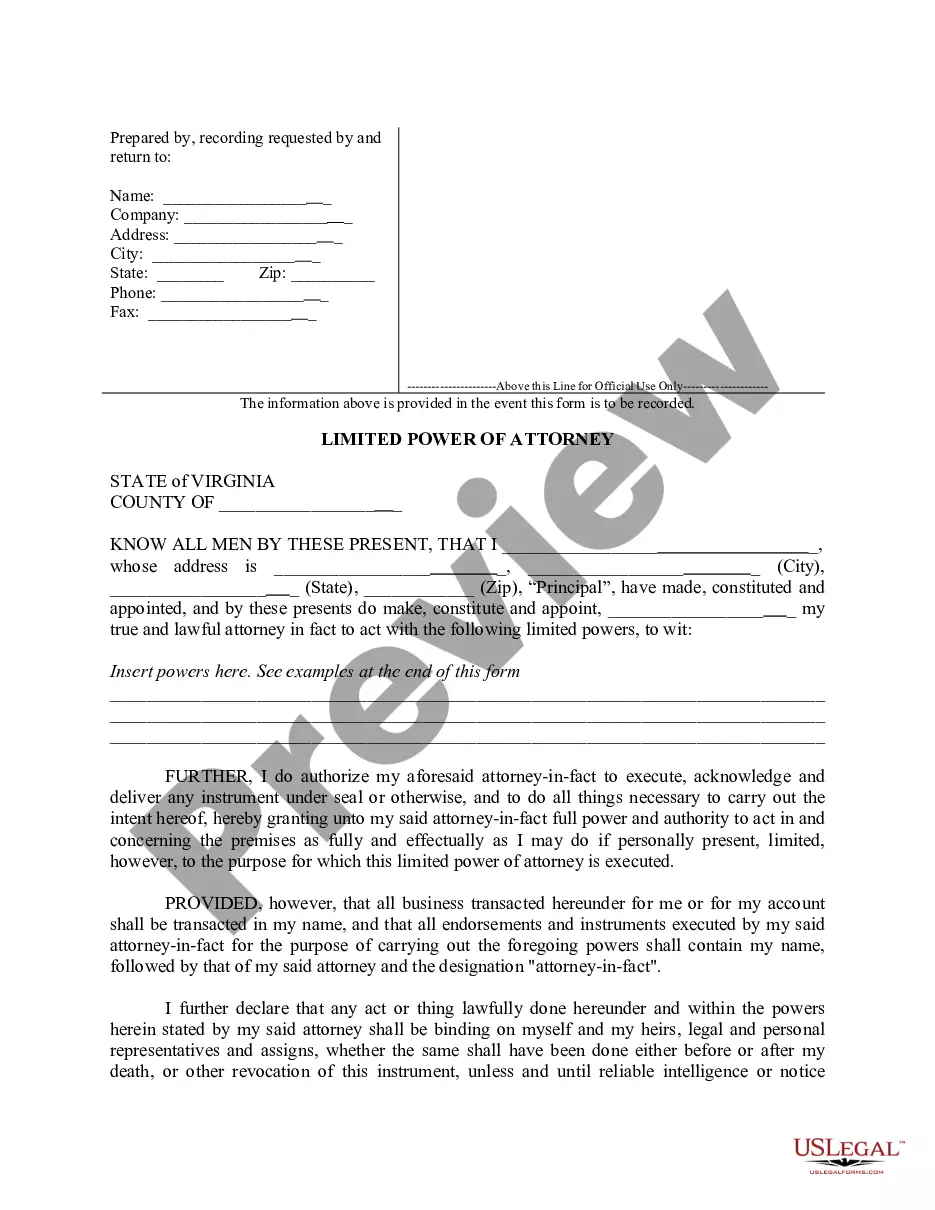
Form popularity
FAQ
Wash Sales, Capital Gains, Schedule D all handled quickly and accurately for IRS reporting. Simple to use, fully automated, yet extremely powerful. The brokerConnect feature makes importing available trade history from your Fidelity account easy. Comprehensive portfolio management and trade analysis tools.
The wash sale rule prohibits taxpayers from claiming a loss on the sale or other disposition of a stock or securities if, within the 61-day period that begins 30 days before the sale (generally, the trade date) or other disposition, they: Acquire the same or “substantially identical” stock or securities; or.
After selling a security at a loss, you must wait 31 days to repurchase the same or a substantially identical security to avoid triggering the wash sale rule. The rule applies to both 30 days before and after the sale, meaning a total of 61 days must be considered when planning trades to avoid a wash sale.
You'll need to figure the basis for shares sold in a wash sale. When you do, add the amount of disallowed loss to the basis of the shares that caused the wash sale. These are the new shares you received. By doing this, you defer the loss, but it's not disallowed for good.
However it happens, when you sell an investment at a loss, it's important to avoid replacing it with a "substantially identical" investment 30 days before or 30 days after the sale date. It's called the wash-sale rule and running afoul of it can lead to an unexpected tax bill.
Note that the wash sale period extends from 30 days before the sale to 30 days after the sale – and neither of those 30-day periods includes the sale date, so you can't buy that “substantially identical” security within a 61-day window. For example, let's say you sell ABC stock on July 15.
Brokers track and report wash sales within the same account and include the sales in the gain and loss report to the IRS. However, if the trades are in different accounts, you are responsible for tracking wash sales.
Trust x Needs x Value = Successful Selling The Equation of Sales sums up our philosophy about sales in just three words, Trust, Needs and Value. These are the three things that a sales person must establish with any buyer in order to successfully sell to them.
How to calculate sales Add all invoices to find total sales. Take all the invoices for the period you want to calculate total sales for and combine their values. Total the value of any discounts or promotions during the period. Subtract the value for discounts from total sales to find net sales.
The rate of sale is calculated by dividing the quantity sold by the number of days in the period. The unit of time that is important to one retailer may not be the same for another retailer; thus the rate of sale is not a stored value in the item table.
