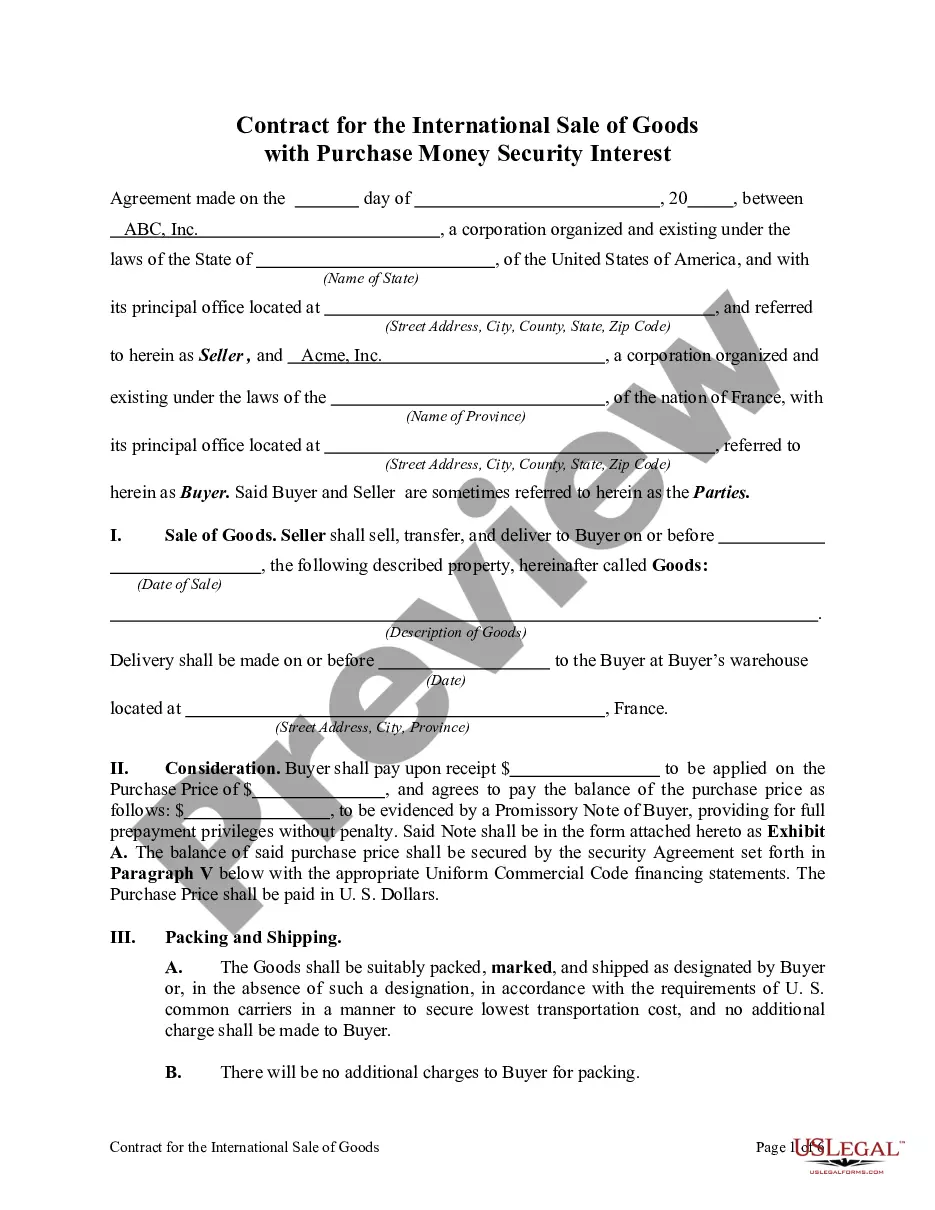
Sale Goods With Forge In Utah
Description


Get your form ready online
Our built-in tools help you complete, sign, share, and store your documents in one place.
Make edits, fill in missing information, and update formatting in US Legal Forms—just like you would in MS Word.
Download a copy, print it, send it by email, or mail it via USPS—whatever works best for your next step.
Sign and collect signatures with our SignNow integration. Send to multiple recipients, set reminders, and more. Go Premium to unlock E-Sign.
If this form requires notarization, complete it online through a secure video call—no need to meet a notary in person or wait for an appointment.
We protect your documents and personal data by following strict security and privacy standards.

Make edits, fill in missing information, and update formatting in US Legal Forms—just like you would in MS Word.

Download a copy, print it, send it by email, or mail it via USPS—whatever works best for your next step.

Sign and collect signatures with our SignNow integration. Send to multiple recipients, set reminders, and more. Go Premium to unlock E-Sign.

If this form requires notarization, complete it online through a secure video call—no need to meet a notary in person or wait for an appointment.

We protect your documents and personal data by following strict security and privacy standards.
Looking for another form?







Form popularity
FAQ
A seller's permit (also known as a sales tax license, retail license, sales and use tax permit, vendor's license, or sales tax permit) is a business license that allows you to collect sales tax on taxable goods and services you sell or lease, including properties if selling regularly.
Quick Answer: You need to get a sales tax permit in Utah if you have a physical presence or meet economic or affiliate nexus requirements. Read on for more detailed information.
The first step in registering for a sales tax permit is determining if you even need one. In general, you need to register for a sales tax permit in Utah if you have a physical presence or meet economic nexus requirements.
What is Not Taxed in Utah? Food: In Utah, groceries are not subject to state sales tax. Prescription Medications: Prescription medications are also exempt from sales tax in Utah. Medical Devices. Clothing. Nonprofit Organizations. Services. Subject to other taxes.
An online business in Utah will need a sales tax license if total annual sales of tangible personal property or taxable services to Utah residents is $100,000 or more or you're shipping 200 or more transactions with Utah residents annually.
You can register for a Utah seller's permit online through the Utah State Tax Commission. To apply, you'll need to provide the Tax Commission with certain information about your business, including but not limited to: Business name, address, and contact information. Federal EIN number.
How much is sales tax in Utah? The base state sales tax rate in Utah is 4.85%. Local tax rates in Utah range from 0% to 4%, making the sales tax range in Utah 4.7% to 8.7%.
How much is sales tax in Utah? The base state sales tax rate in Utah is 4.85%. Local tax rates in Utah range from 0% to 4%, making the sales tax range in Utah 4.7% to 8.7%.
Utah has a flat 4.55 percent individual income tax rate. Utah has a 4.55 percent corporate income tax rate. Utah also has a 6.10 percent state sales tax rate and an average combined state and local sales tax rate of 7.25 percent. Utah has a 0.47 percent effective property tax rate on owner-occupied housing value.
