Sale Goods With Formula
Description


Get your form ready online
Our built-in tools help you complete, sign, share, and store your documents in one place.
Make edits, fill in missing information, and update formatting in US Legal Forms—just like you would in MS Word.
Download a copy, print it, send it by email, or mail it via USPS—whatever works best for your next step.
Sign and collect signatures with our SignNow integration. Send to multiple recipients, set reminders, and more. Go Premium to unlock E-Sign.
If this form requires notarization, complete it online through a secure video call—no need to meet a notary in person or wait for an appointment.
We protect your documents and personal data by following strict security and privacy standards.

Make edits, fill in missing information, and update formatting in US Legal Forms—just like you would in MS Word.

Download a copy, print it, send it by email, or mail it via USPS—whatever works best for your next step.

Sign and collect signatures with our SignNow integration. Send to multiple recipients, set reminders, and more. Go Premium to unlock E-Sign.

If this form requires notarization, complete it online through a secure video call—no need to meet a notary in person or wait for an appointment.

We protect your documents and personal data by following strict security and privacy standards.
Looking for another form?
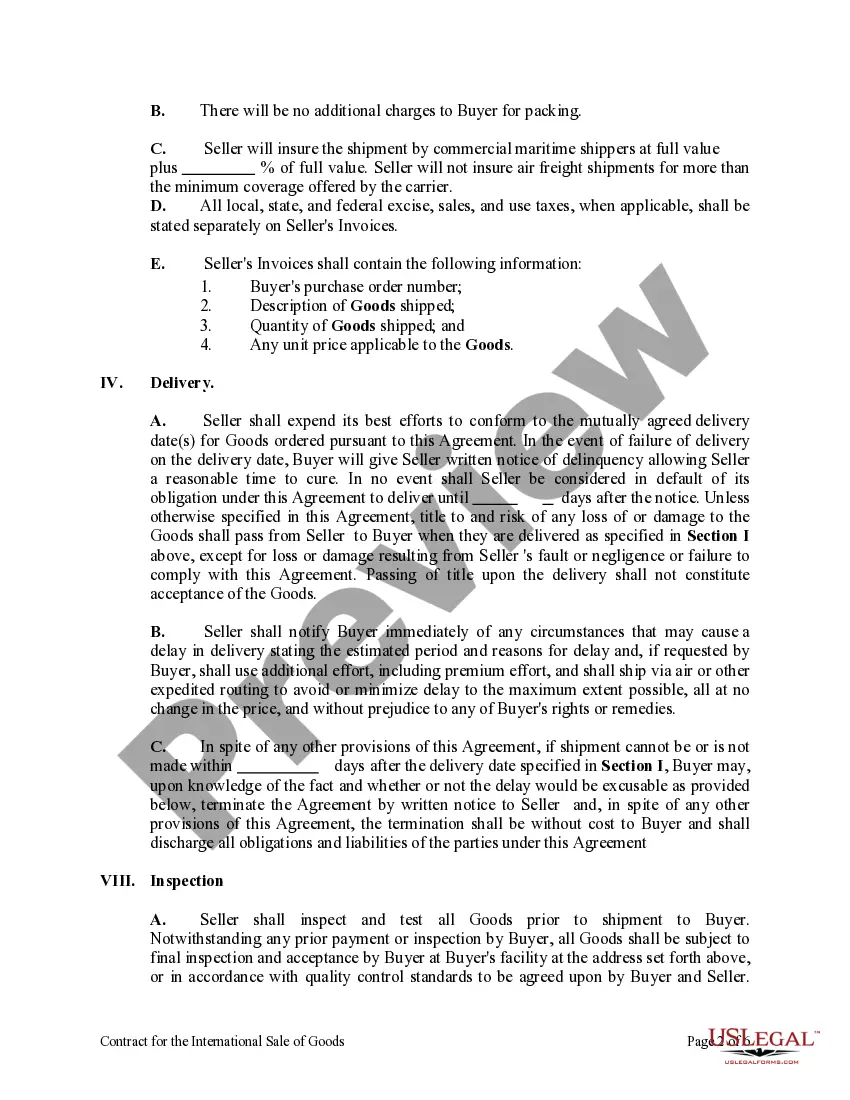
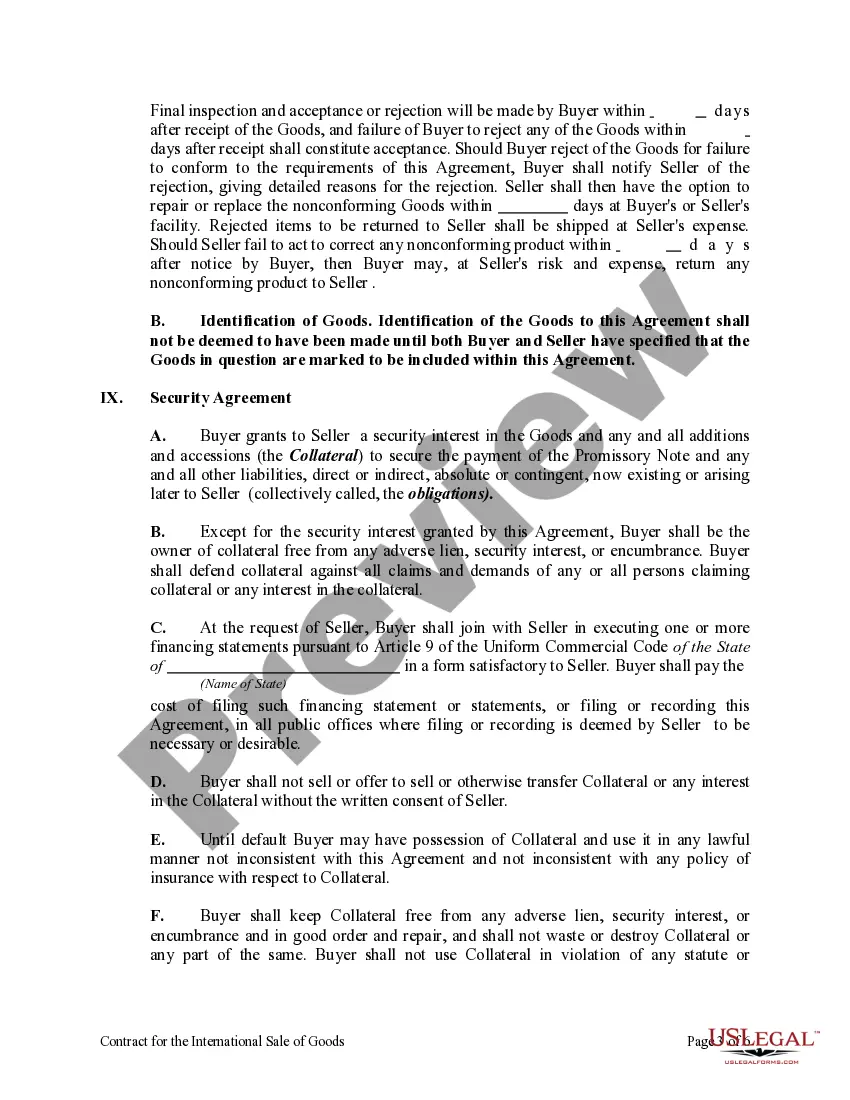
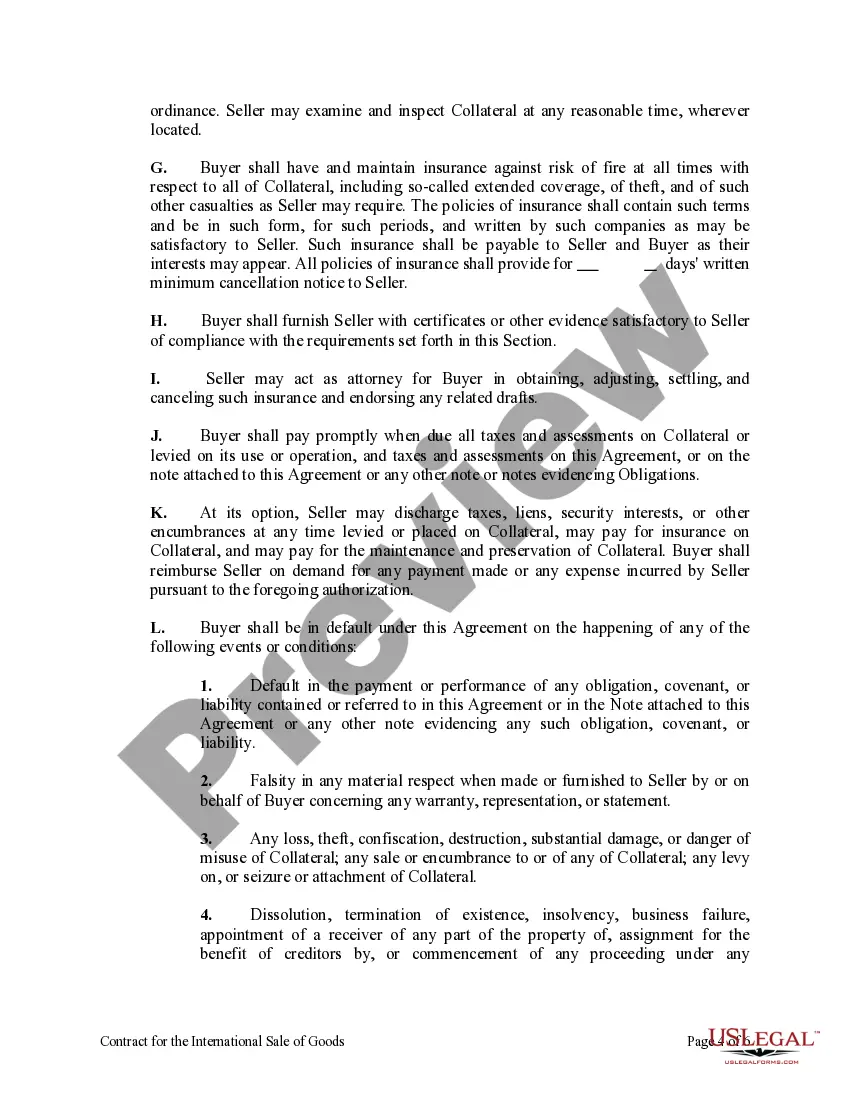
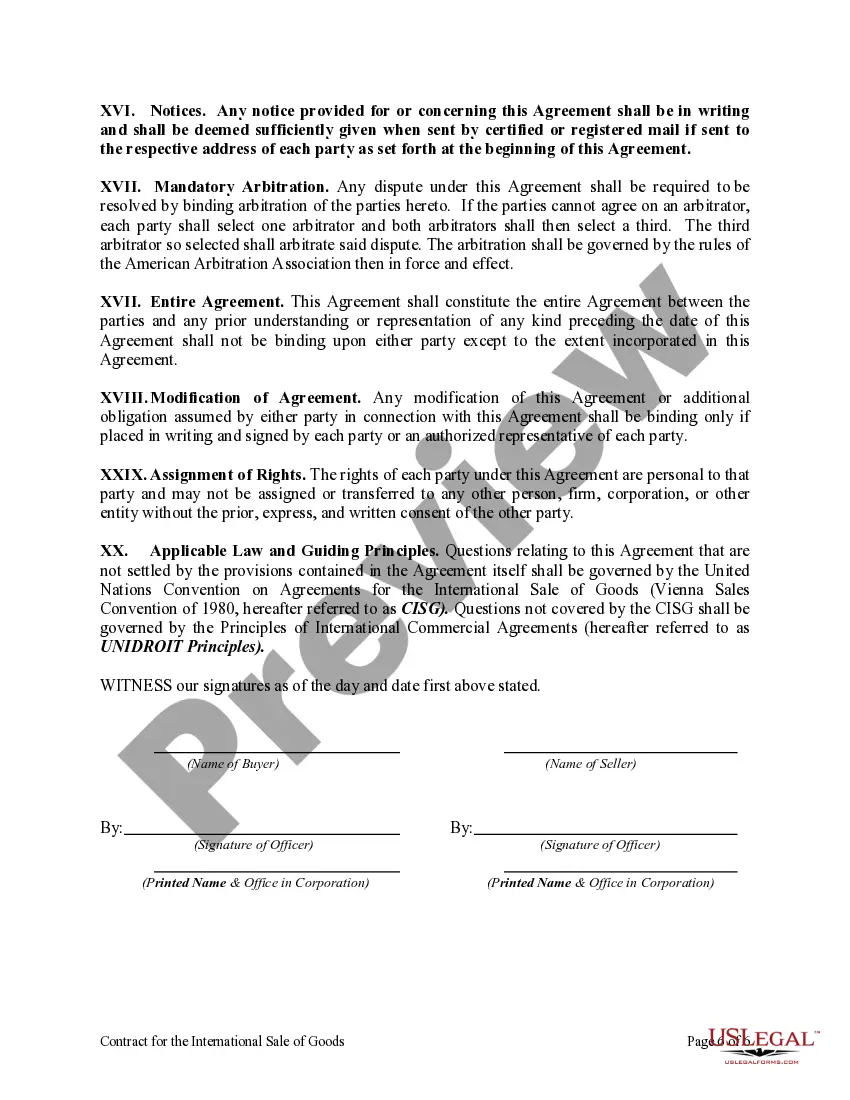
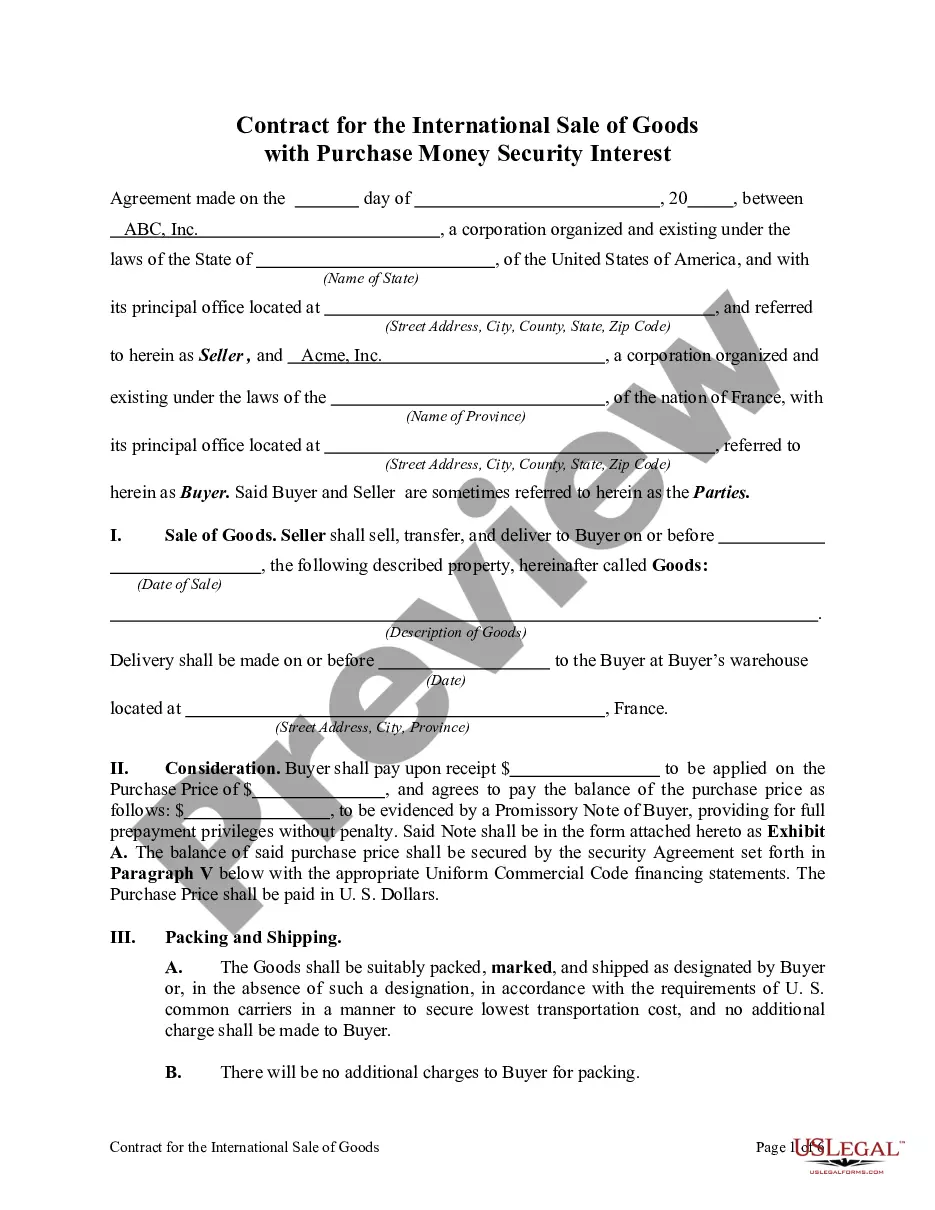
How to fill out Contract For The International Sale Of Goods With Purchase Money Security Interest?
The Sale Goods With Formula displayed on this page is a reusable formal template created by expert attorneys in accordance with federal and local regulations.
For over 25 years, US Legal Forms has supplied individuals, organizations, and legal practitioners with more than 85,000 validated, state-specific documents for any business and personal situation. It’s the quickest, easiest, and most dependable method to acquire the documentation you require, as the service ensures bank-level data protection and anti-malware safeguards.
Subscribe to US Legal Forms to access verified legal templates for all of life's situations whenever needed.
- Search for the document you require and examine it.
- Choose the pricing option that fits you and create an account.
- Select the format you prefer for your Sale Goods With Formula (PDF, DOCX, RTF) and download the template onto your device.
- Print the template to fill it out by hand or utilize an online multi-functional PDF editor to quickly and accurately complete and sign your form with a legally-binding electronic signature.
- Utilize the same document again whenever necessary.
Form popularity
FAQ
Starting inventory + purchases ? ending inventory = cost of goods sold. To make this work in practice, however, you need a clear and consistent approach to valuing your inventory and accounting for your costs.
The COGS formula is: COGS = the starting inventory + purchases ? ending inventory. Q:What are examples of COGS? Examples of COGS include the cost of raw materials, direct labor costs, and manufacturing overhead costs. In a retail business, the cost of the products purchased for resale would be considered COGS.
Gross profit, or gross income, equals a company's revenues minus its cost of goods sold (COGS). It is typically used to evaluate how efficiently a company manages labor and supplies in production.
How do you calculate gross profit margin? The gross profit margin is calculated by subtracting direct expenses or cost of goods sold (COGS) from net sales (gross revenues minus returns, allowances and discounts). That number is divided by net revenues, then multiplied by 100% to calculate the gross profit margin ratio.
Cost of Goods Sold (COGS) = Beginning Inventory + Purchases in the Current Period ? Ending Inventory. Gross Profit = Revenue ? Cost of Goods Sold (COGS) Gross Margin (%) = (Revenue ? COGS) ÷ Revenue.