Sale Goods With Forge In Nevada
Description


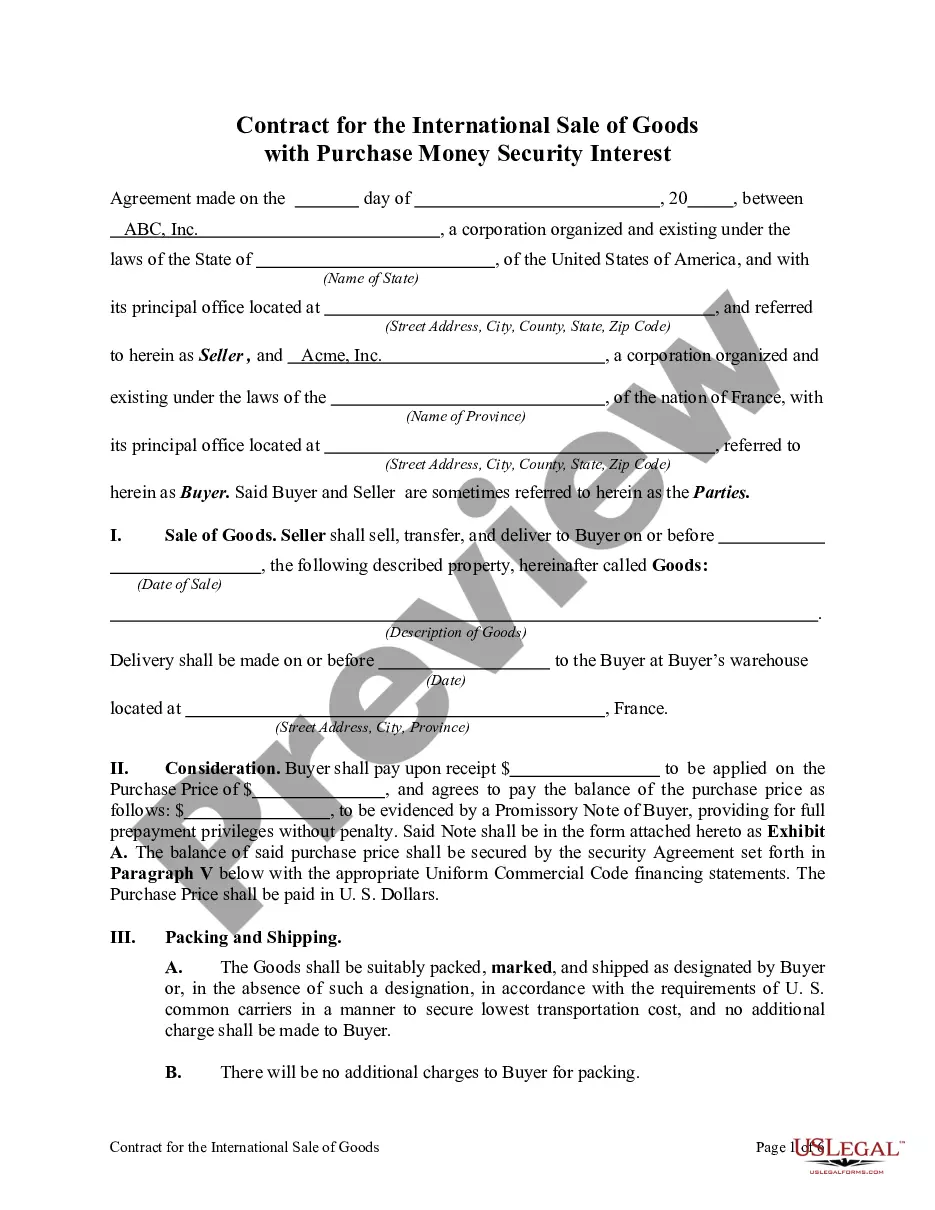
Get your form ready online
Our built-in tools help you complete, sign, share, and store your documents in one place.
Make edits, fill in missing information, and update formatting in US Legal Forms—just like you would in MS Word.
Download a copy, print it, send it by email, or mail it via USPS—whatever works best for your next step.
Sign and collect signatures with our SignNow integration. Send to multiple recipients, set reminders, and more. Go Premium to unlock E-Sign.
If this form requires notarization, complete it online through a secure video call—no need to meet a notary in person or wait for an appointment.
We protect your documents and personal data by following strict security and privacy standards.

Make edits, fill in missing information, and update formatting in US Legal Forms—just like you would in MS Word.

Download a copy, print it, send it by email, or mail it via USPS—whatever works best for your next step.

Sign and collect signatures with our SignNow integration. Send to multiple recipients, set reminders, and more. Go Premium to unlock E-Sign.

If this form requires notarization, complete it online through a secure video call—no need to meet a notary in person or wait for an appointment.

We protect your documents and personal data by following strict security and privacy standards.
Looking for another form?






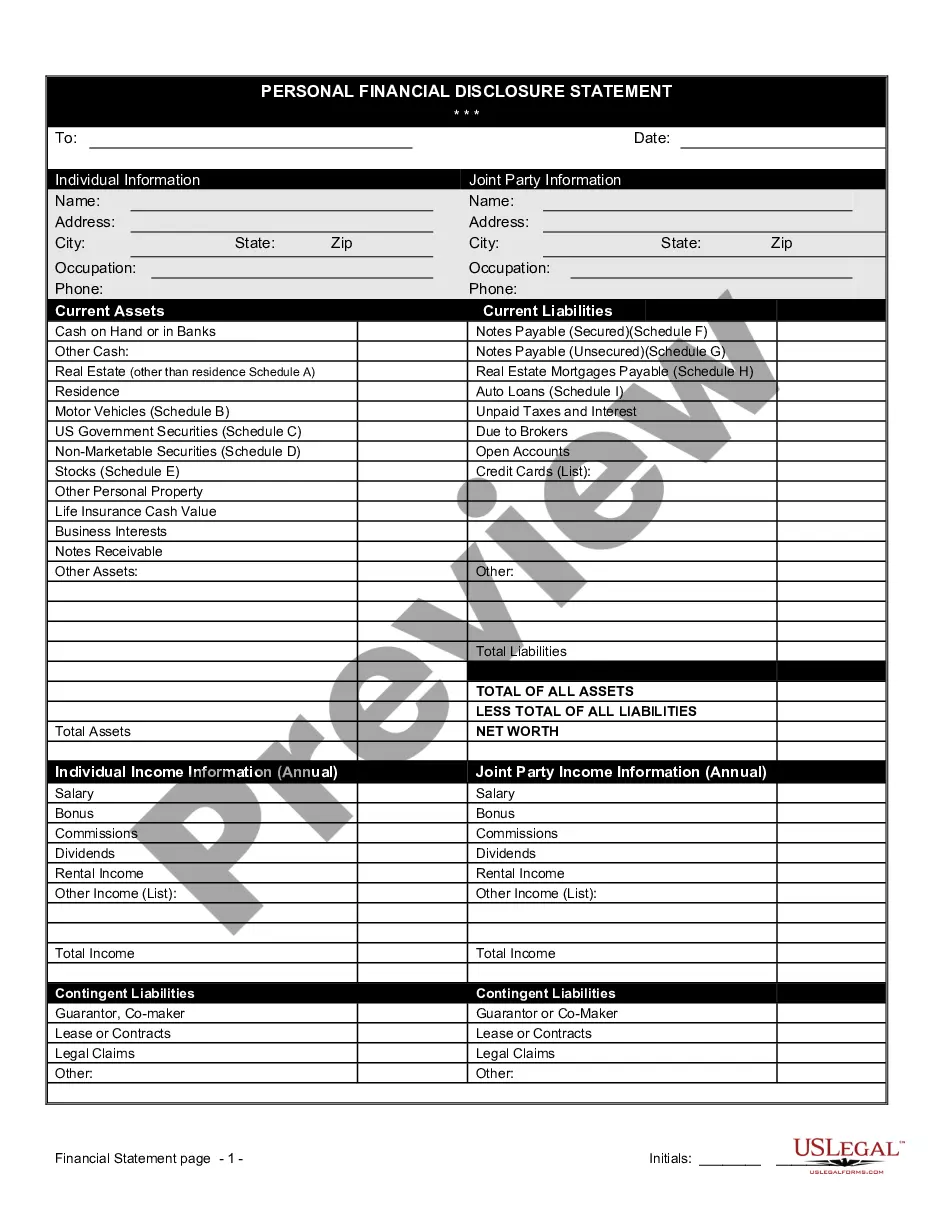

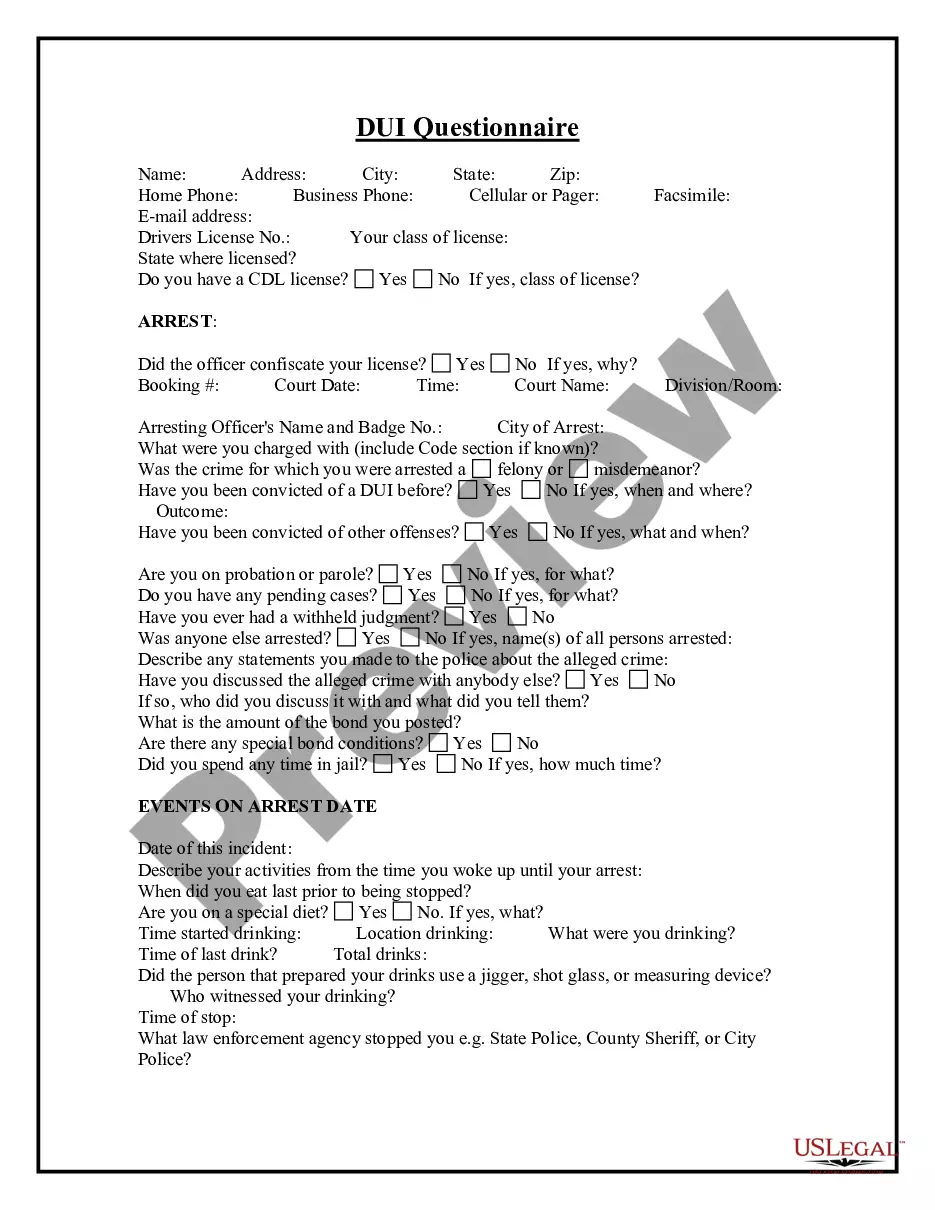

Form popularity
FAQ
Frequency: Can be filed: Monthly- mandatory if taxable sales are more than 10K per month. Quarterly- if less than $10,000 per month. Annual- if less than $1,500 sales in previous year.
Nevada sales tax overview The Nevada (NV) state sales tax rate is currently 4.6%. Depending on local municipalities, the total tax rate can be as high as 8.265%.
The State of Nevada does not impose a state income tax on individuals or participate in the administration of Federal Income Tax. This means that if you live and work in Nevada, you do not need to file a state income tax return based on your earned income, such as wages or salaries.
Penalties for Late Filing / Remittance 1-10 days late: 2% penalty. 11-15 days late: 4% penalty. 16-30 days late: 6% penalty. Over 30 days late: 10% penalty + 0.75% monthly interest.
A Nevada resale certificate does not expire. It is valid until the retailer closes its Business and Sales Tax account with the Department. It is good business practice to verify any resale certificate provided by a customer with the Department on a regular basis.
Every retailer selling tangible personal property that will be stored, used, or consumed in Nevada must have a Sales/Use Tax Permit (Retailers) or a Consumer Use Tax Permit (Non-Retailers) (NRS 372.220). Note: You must have a Business License first before registering for a tax permit.
Fabrication labor, which is labor involved in creating tangible personal property sold at retail, is taxable. However, repair, reconditioning, and installation labor are not taxable if these services are listed separately on the invoice, ing to NAC 372.380, 372.390-372.400 and NRS 372.025 and 372.065.
Some customers are exempt from paying sales tax under Nevada law. Examples include government agencies, some nonprofit organizations, and merchants purchasing goods for resale. Sellers are required to collect a valid exemption or resale certificate from buyers to validate each exempt transaction.
The first two degrees are felonies and the third degree amounts to a misdemeanor. The first degree forgery involves the actual presentation or use of any falsely made, altered or possessed document with the intent to deceive or defraud. The second degree forgery does not require use or presentation of the documents.
How do I fill this out? Obtain a valid seller's permit number. Describe the property to be purchased. Provide the purchaser's information. Sign the certificate to confirm accuracy. Retain a copy for your records.
