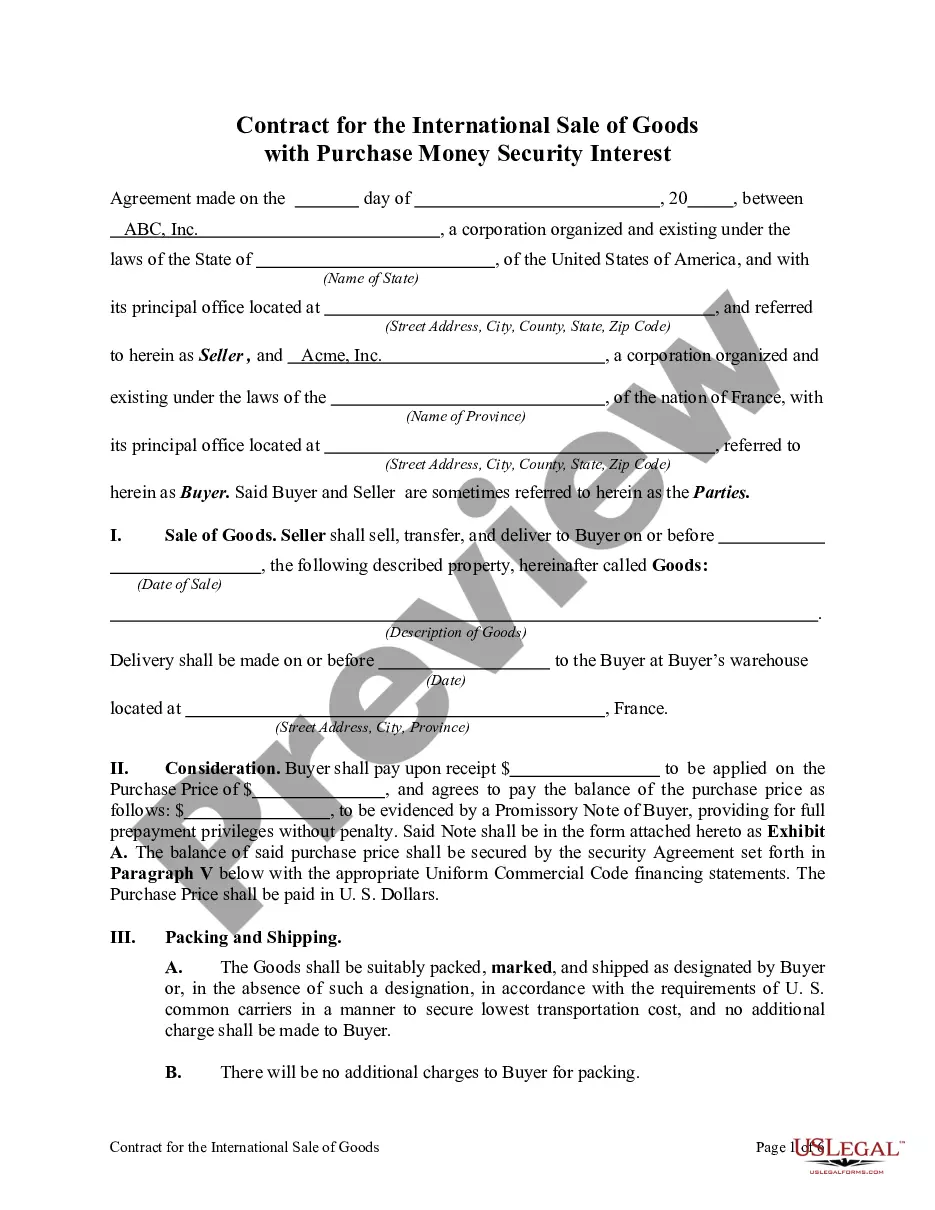
International Sales Contract Sample For Real Estate In Georgia
Description


Get your form ready online
Our built-in tools help you complete, sign, share, and store your documents in one place.
Make edits, fill in missing information, and update formatting in US Legal Forms—just like you would in MS Word.
Download a copy, print it, send it by email, or mail it via USPS—whatever works best for your next step.
Sign and collect signatures with our SignNow integration. Send to multiple recipients, set reminders, and more. Go Premium to unlock E-Sign.
If this form requires notarization, complete it online through a secure video call—no need to meet a notary in person or wait for an appointment.
We protect your documents and personal data by following strict security and privacy standards.

Make edits, fill in missing information, and update formatting in US Legal Forms—just like you would in MS Word.

Download a copy, print it, send it by email, or mail it via USPS—whatever works best for your next step.

Sign and collect signatures with our SignNow integration. Send to multiple recipients, set reminders, and more. Go Premium to unlock E-Sign.

If this form requires notarization, complete it online through a secure video call—no need to meet a notary in person or wait for an appointment.

We protect your documents and personal data by following strict security and privacy standards.
Looking for another form?









Form popularity
FAQ
4 Essential Elements of a Georgia Real Estate Contract Mutual agreement or assent between the parties to enter the contract. A valid offer by the buyer and acceptance of the offer by the seller. Adequate consideration which is the exchange of items of value. A legal purpose and legally competent parties.
International sale contracts refer to contracts for the sale of goods involving sea transit and various forms of contractual documents common in the import and export trades.
A valid contract is one that meets the basic elements of contract law. For example, you sign to buy a blue house, and the house is blue; thus the contract is valid. A voidable contract provides the option to rescind by either party. At the creation of the contract, it is valid but it could be voided in the future.
A valid contract is one that meets the basic elements of contract law. For example, you sign to buy a blue house, and the house is blue; thus the contract is valid. A voidable contract provides the option to rescind by either party. At the creation of the contract, it is valid but it could be voided in the future.
Required Elements of a Real Estate Contract To establish legality, a real estate contract must include a legal purpose, legally competent parties, agreement by offer and acceptance, consideration, and consent.
Under Georgia law, for a contract to be valid, there must be an offer, acceptance, consideration, and mutual assent. See O.C.G.A. § 13-3-1. In the context of email communications, an offer can be made through an email, or contemporaneous emails, containing terms of a proposed agreement.
Build Relationships With International Real Estate Agents. Offer Real Estate Listing Materials in Multiple Languages. Invest in High-Quality Photography and Videography for Your Listings. List the Property on the International Real Estate Publications.
ESSENTIAL ELEMENTS A OF CONTRACT Parties capable of contracting; 2. Mutual consent; 3. Lawful object; and 4. Sufficient consideration.
How to Become an International Real Estate Agent in Six Steps Step 1: Get educated. Step 2: Acquire certification or licenses. Step 3: Gain experience. Step 4: Obtain your CIPS certification. Step 5: Choose an area of interest. Step 6: Develop your real estate network.
