Difference Between Temporary Injunction And Stay Order In Travis
Description

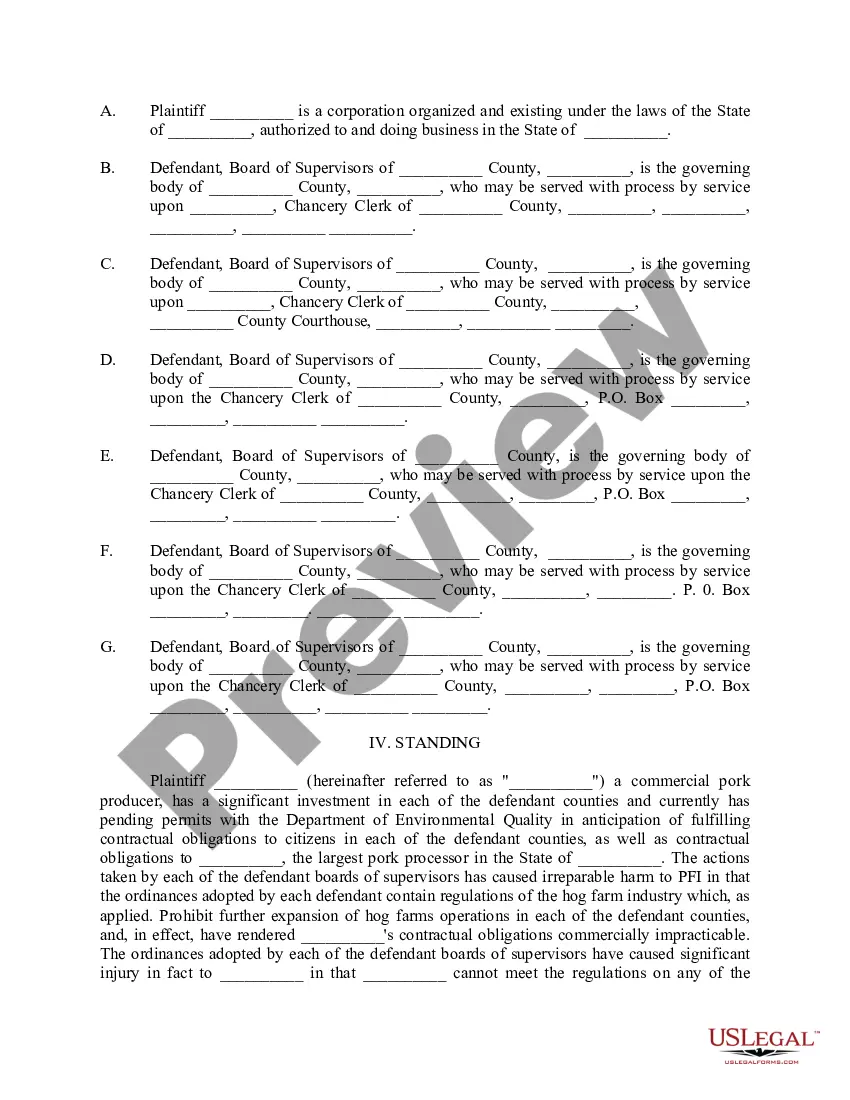
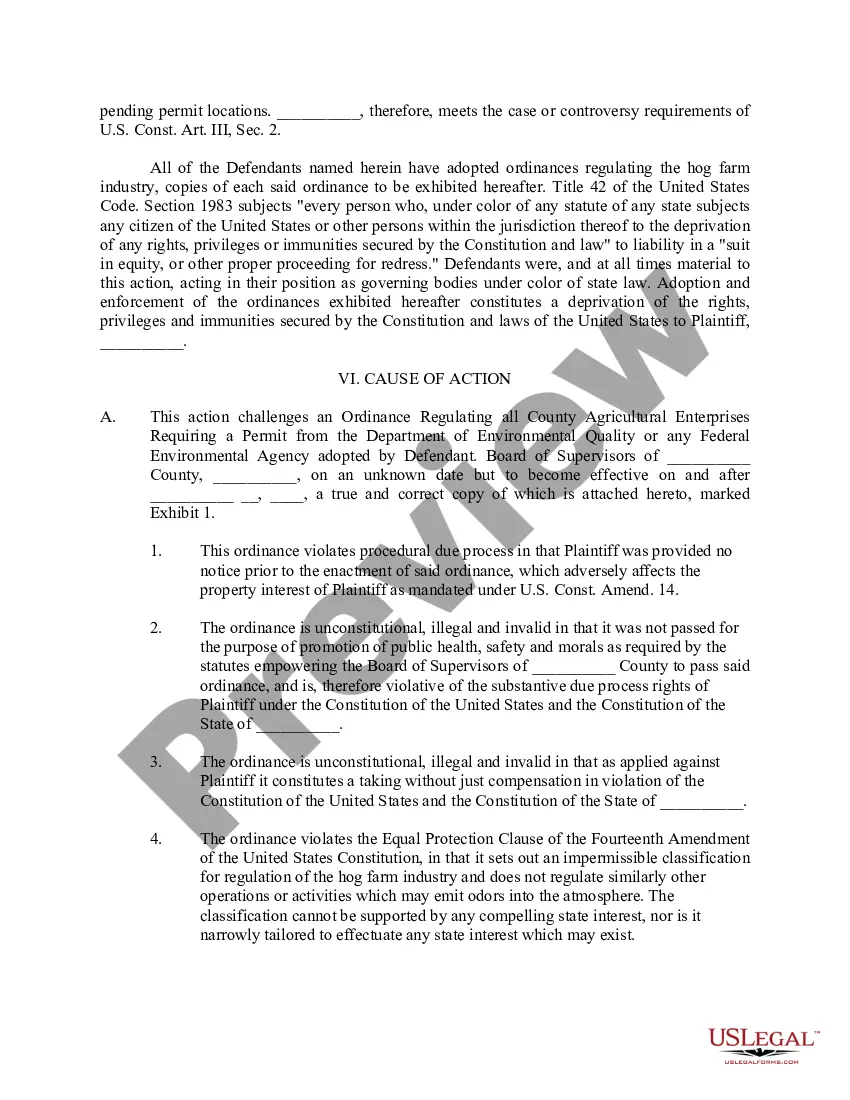
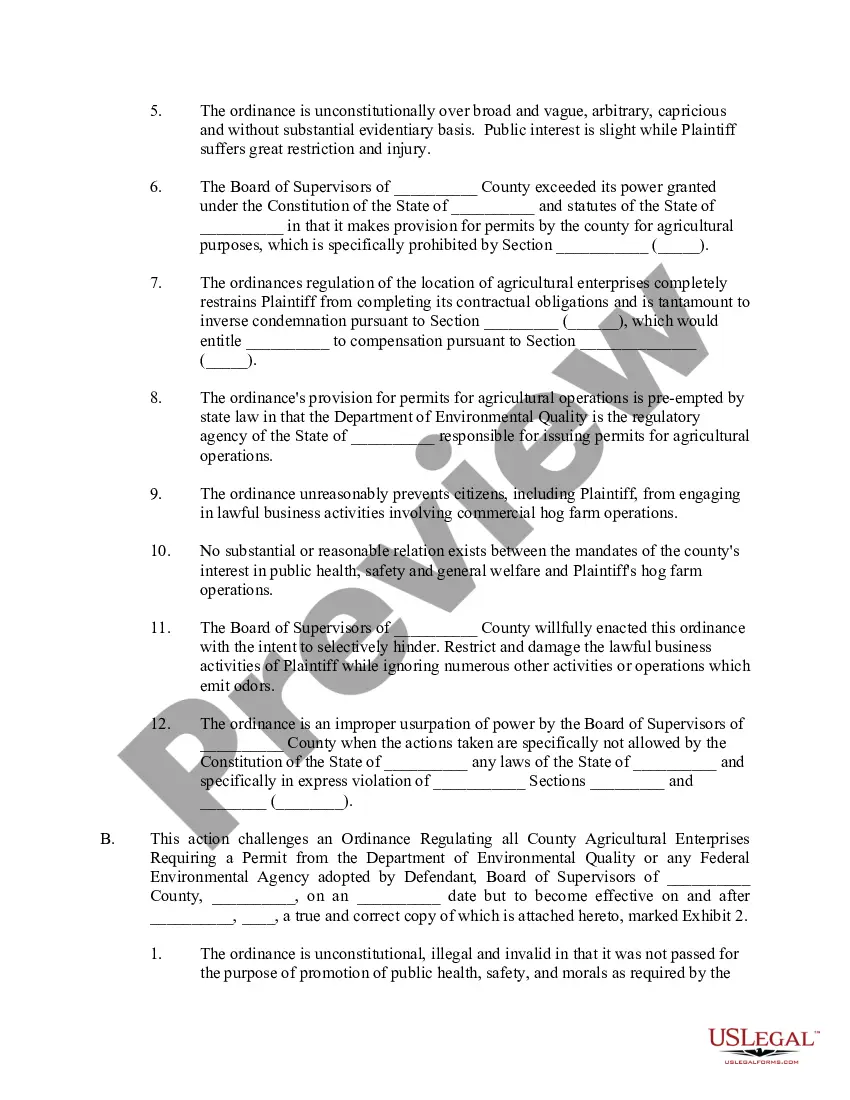
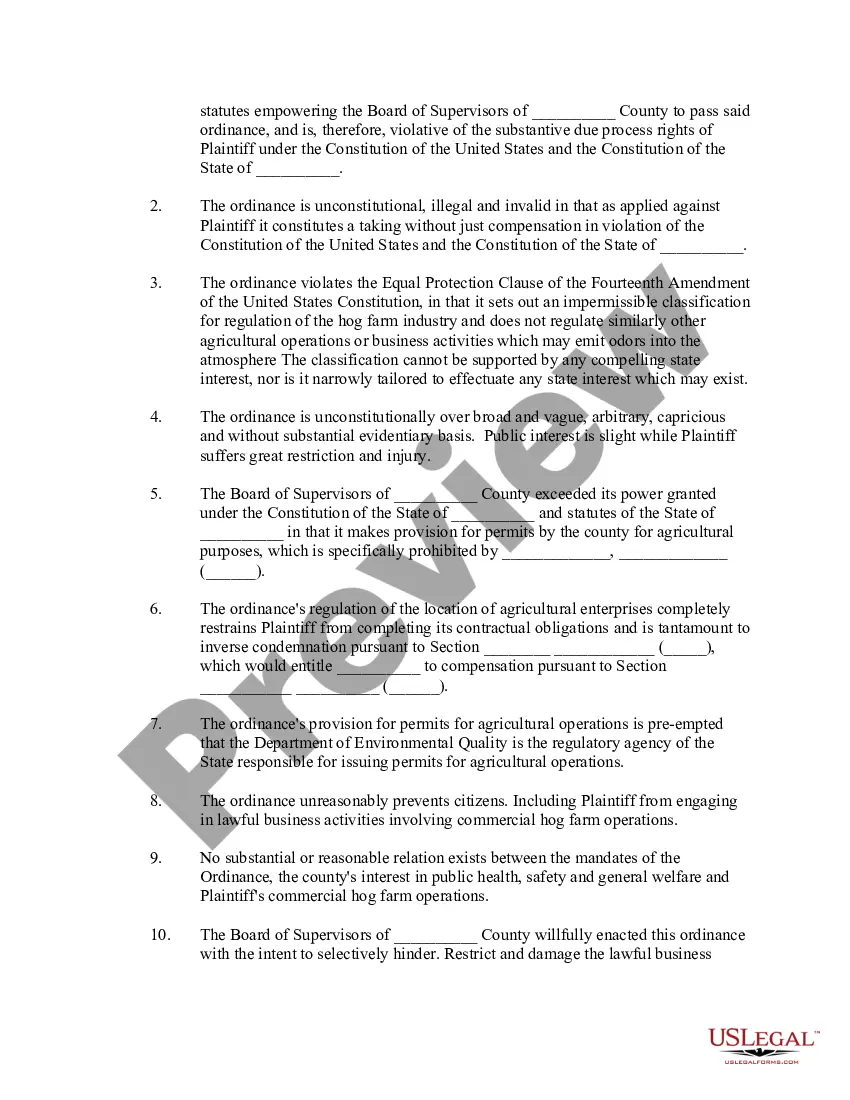






Get your form ready online
Our built-in tools help you complete, sign, share, and store your documents in one place.
Make edits, fill in missing information, and update formatting in US Legal Forms—just like you would in MS Word.
Download a copy, print it, send it by email, or mail it via USPS—whatever works best for your next step.
Sign and collect signatures with our SignNow integration. Send to multiple recipients, set reminders, and more. Go Premium to unlock E-Sign.
If this form requires notarization, complete it online through a secure video call—no need to meet a notary in person or wait for an appointment.
We protect your documents and personal data by following strict security and privacy standards.

Make edits, fill in missing information, and update formatting in US Legal Forms—just like you would in MS Word.

Download a copy, print it, send it by email, or mail it via USPS—whatever works best for your next step.

Sign and collect signatures with our SignNow integration. Send to multiple recipients, set reminders, and more. Go Premium to unlock E-Sign.

If this form requires notarization, complete it online through a secure video call—no need to meet a notary in person or wait for an appointment.

We protect your documents and personal data by following strict security and privacy standards.
Looking for another form?






Form popularity
FAQ
A temporary restraining order serves to provide emergency relief and to preserve the status quo until a hearing may be had on a temporary injunction. The purpose of a temporary injunction is to preserve the status quo pending a full trial on the merits.
The injunction is something ordered by the judge that can either be permanent or for a specific period of time. The restraining order usually only happens at the beginning of the case, once the person is served with a temporary restraining order and that will only last until the injunction hearing.
Insofar as there is a difference between the two concepts, I agree with the Court that it boils down to this: “A stay 'simply suspends judicial alteration of the status quo,' ” whereas an injunction “ 'grants judicial intervention that has been withheld by lower courts.
Insofar as there is a difference between the two concepts, I agree with the Court that it boils down to this: “A stay 'simply suspends judicial alteration of the status quo,' ” whereas an injunction “ 'grants judicial intervention that has been withheld by lower courts.
Injunctions may preserve and safeguard assets or evidence, or may restrain people from committing certain acts. Mandatory orders require the other party to perform certain acts such as returning property.
The injunction is something ordered by the judge that can either be permanent or for a specific period of time. The restraining order usually only happens at the beginning of the case, once the person is served with a temporary restraining order and that will only last until the injunction hearing.
No temporary injunction shall be issued without notice to the adverse party. No writ of injunction shall be granted unless the applicant therefor shall present his petition to the judge verified by his affidavit and containing a plain and intelligible statement of the grounds for such relief.
An injunction or temporary restraining order is an order from the court prohibiting a party from performing or ordering a specified act, either temporarily or permanently.
