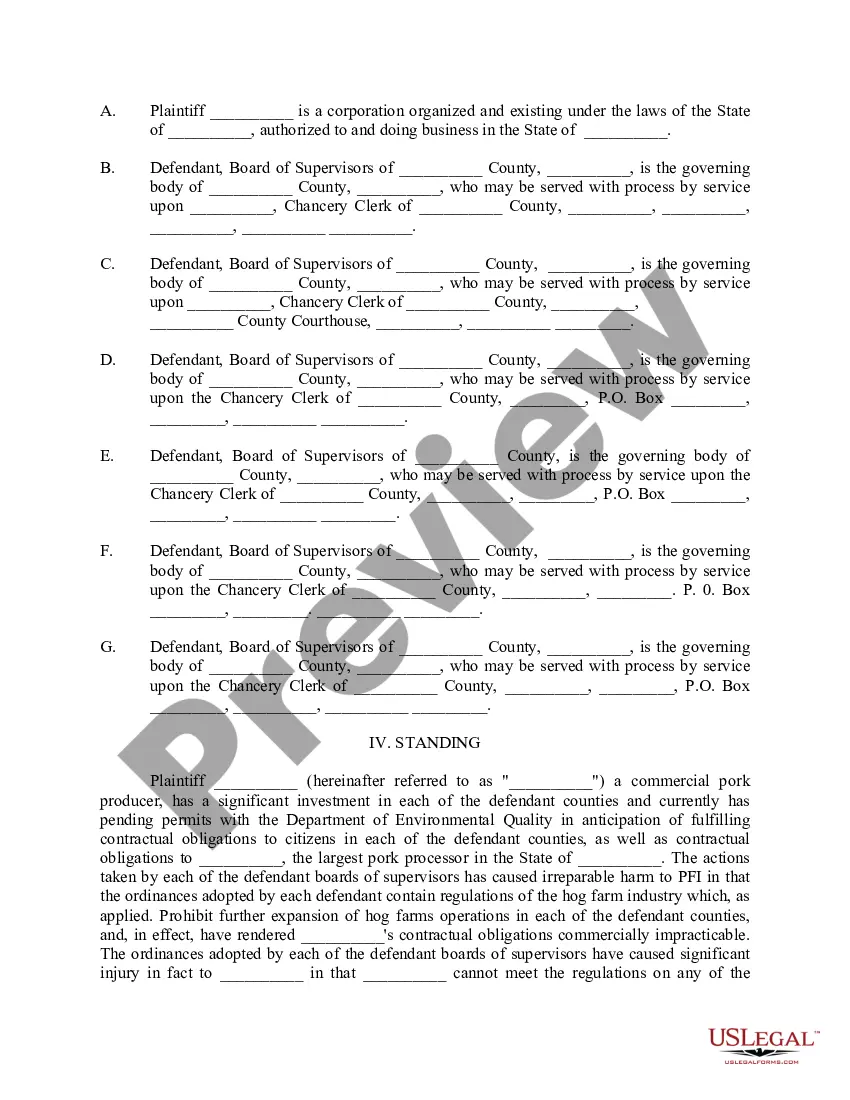
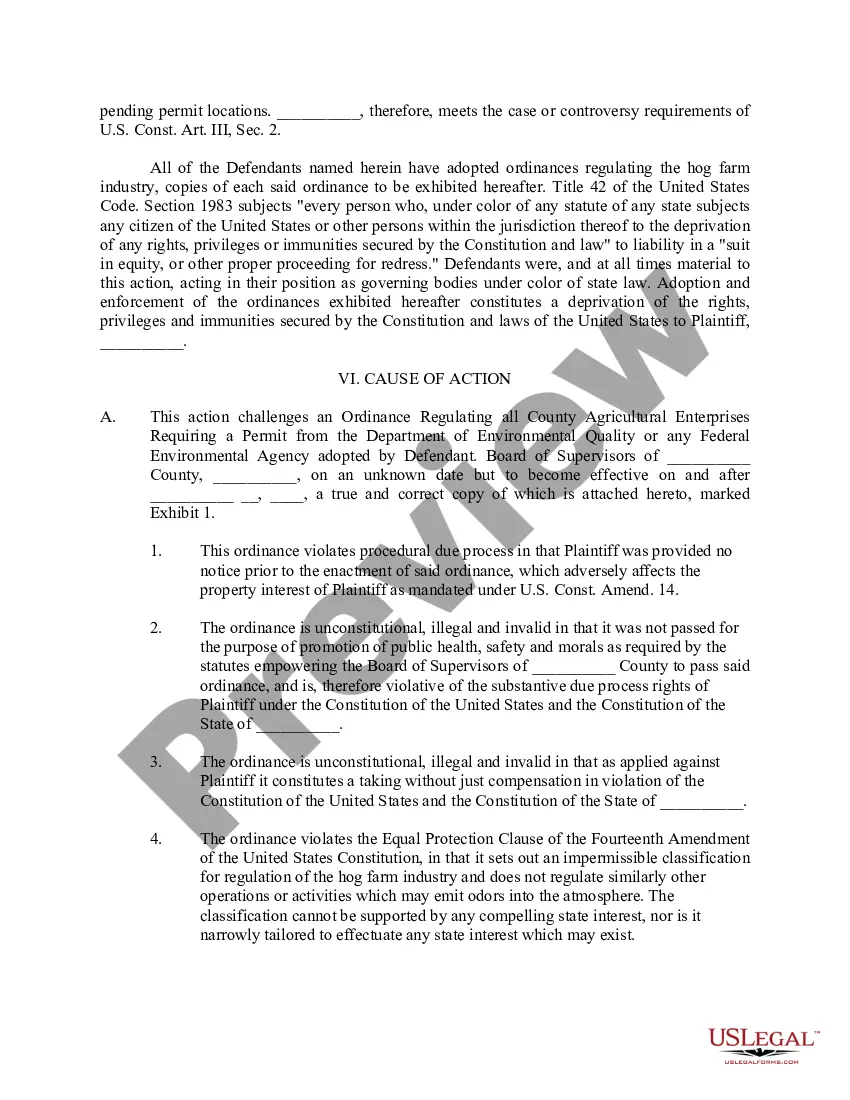
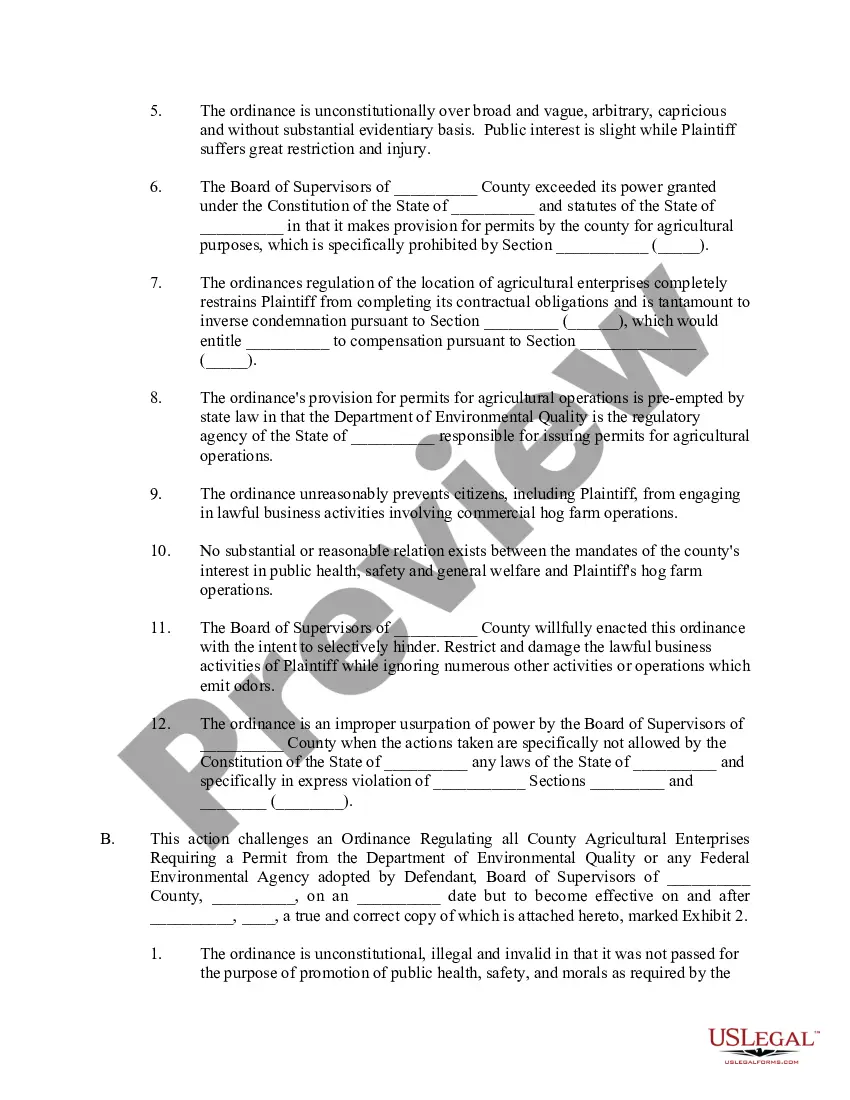
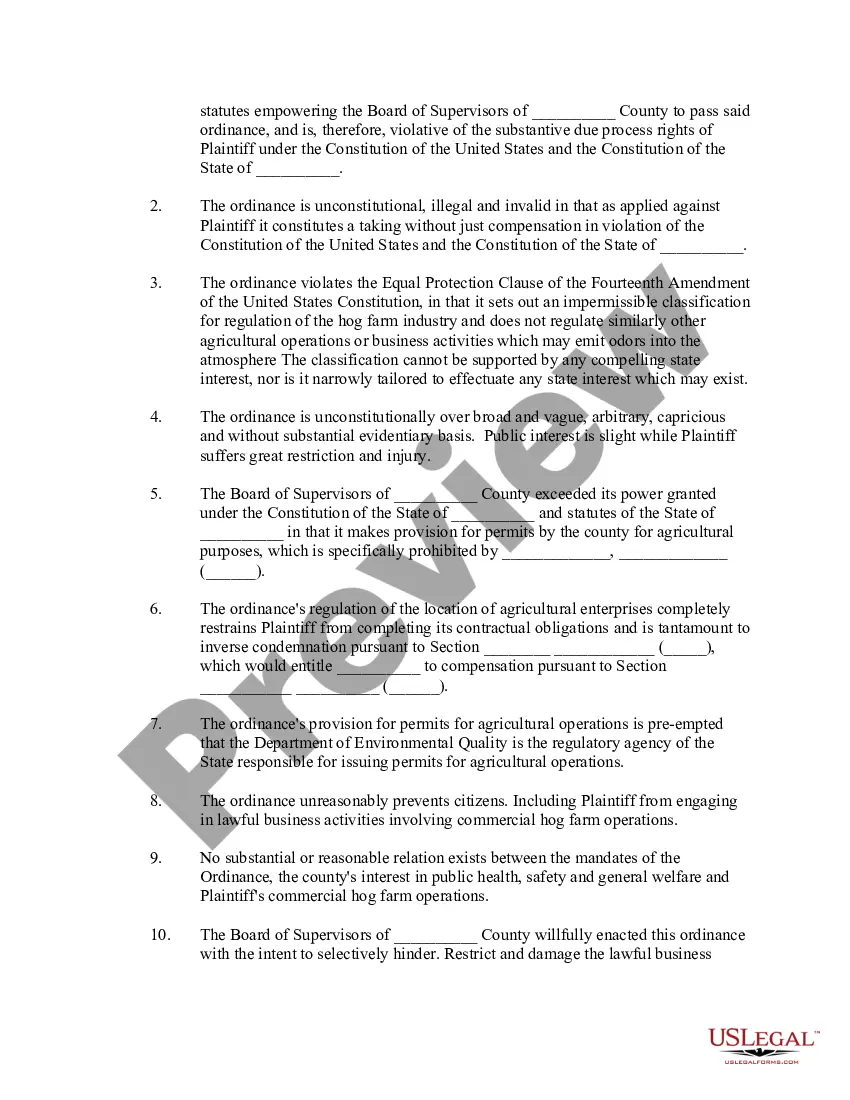
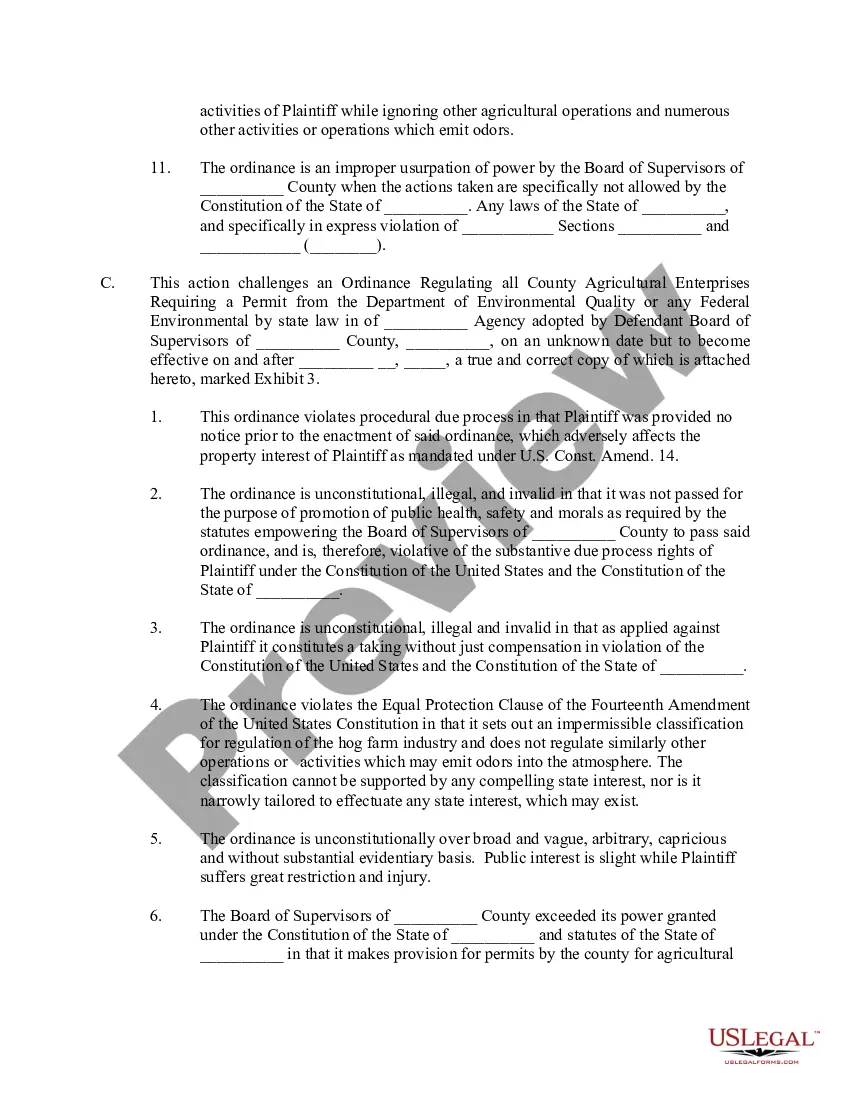
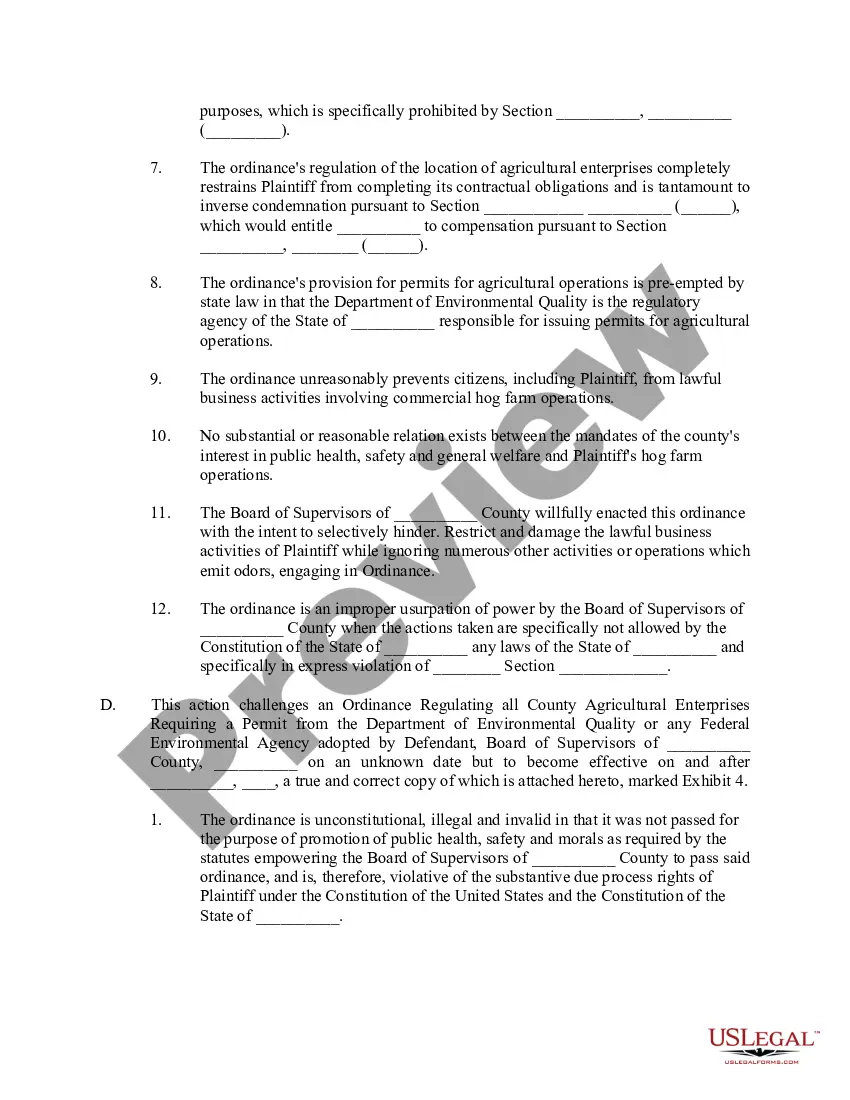
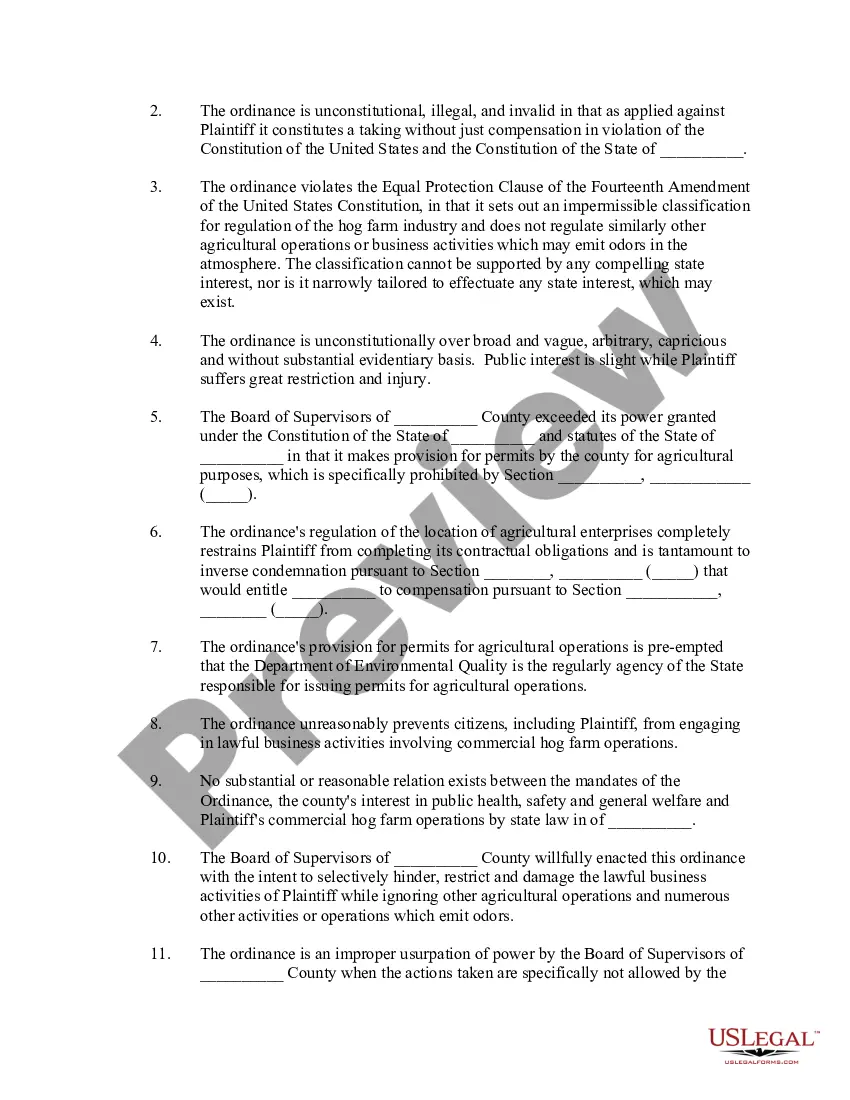
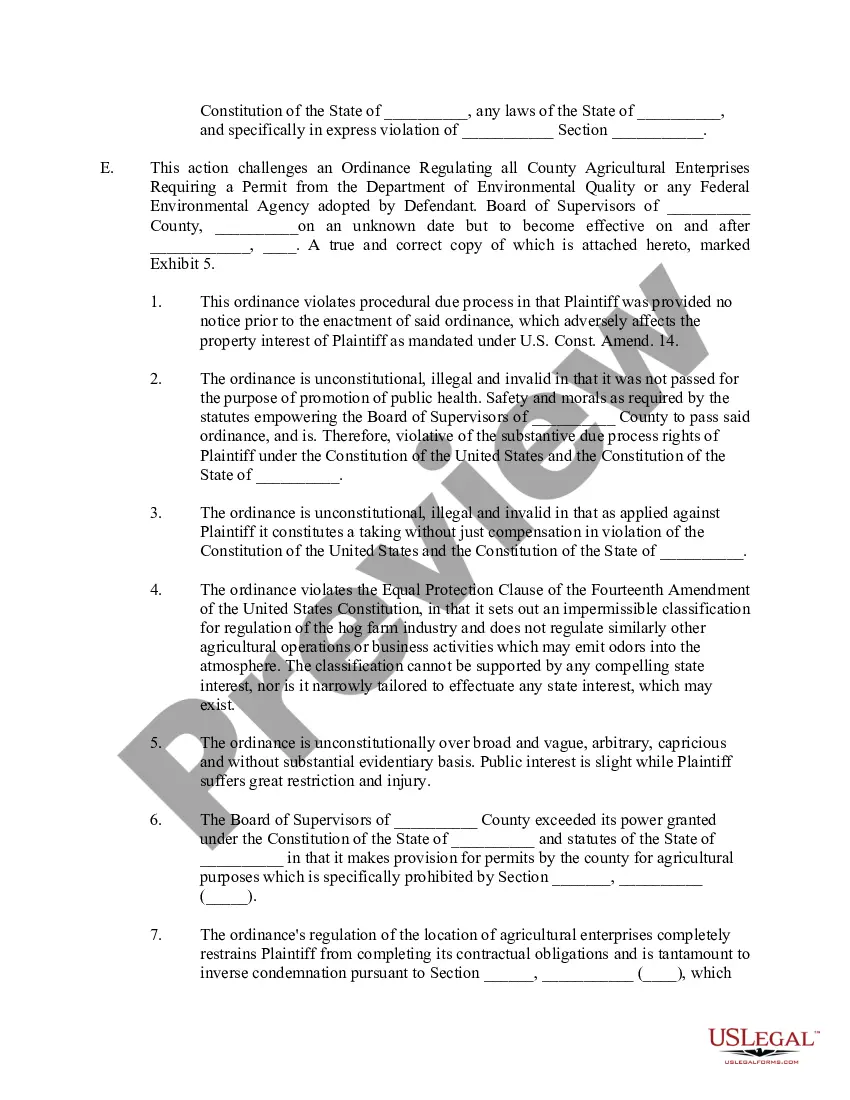
Declaratory Judgment Complaint With Insurance In Travis
Description







Get your form ready online
Our built-in tools help you complete, sign, share, and store your documents in one place.
Make edits, fill in missing information, and update formatting in US Legal Forms—just like you would in MS Word.
Download a copy, print it, send it by email, or mail it via USPS—whatever works best for your next step.
Sign and collect signatures with our SignNow integration. Send to multiple recipients, set reminders, and more. Go Premium to unlock E-Sign.
If this form requires notarization, complete it online through a secure video call—no need to meet a notary in person or wait for an appointment.
We protect your documents and personal data by following strict security and privacy standards.

Make edits, fill in missing information, and update formatting in US Legal Forms—just like you would in MS Word.

Download a copy, print it, send it by email, or mail it via USPS—whatever works best for your next step.

Sign and collect signatures with our SignNow integration. Send to multiple recipients, set reminders, and more. Go Premium to unlock E-Sign.

If this form requires notarization, complete it online through a secure video call—no need to meet a notary in person or wait for an appointment.

We protect your documents and personal data by following strict security and privacy standards.
Looking for another form?





Form popularity
FAQ
A declaratory judgment is a binding judgment from a court defining the legal relationship between parties and their rights in a matter before the court. When there is uncertainty as to the legal obligations or rights between two parties, a declaratory judgment offers an immediate means to resolve this uncertainty.
Typically, when filing a declaratory judgment action, insurers seek an adjudication of both their duty to defend and their duty to indemnify, because the duty to defend is broader than the duty to indemnify and, if insurers do not have the former duty, then they typically do not have the latter duty, either.
A declaratory judgment is a ruling of the court to clarify something (usually a contract provision) that is in dispute. A summary judgment is a ruling that a case or portion of a case must be dismissed because there are no triable issues of material fact in dispute.
A declaratory judgment is a binding judgment from a court defining the legal relationship between parties and their rights in a matter before the court. When there is uncertainty as to the legal obligations or rights between two parties, a declaratory judgment offers an immediate means to resolve this uncertainty.
Traditional and no-evidence are the two types of summary judgment motions. Requesting no-evidence summary judgment means telling the judge that no evidence can support any of your opponent's arguments. Therefore you request the dismissal of the claim before it goes to trial.
Once the summary judgement is granted, the case ends there, and neither party will have to deal with the stresses of a full trial. At times, the winning party can ask for an award of costs or attorney fees from the other party unless those terms were already established in the summary judgment.
The Court grants summary judgment when there is no material issue of fact and it is required to enter judgment as a matter of law. A genuine issue of material fact exists when facts related to the specific legal claim are in dispute or when undisputed facts support different outcomes on an issue.
Popular Insurance Companies with the Most Complaints AAA (15.46) Allstate (3.55) USAA (2.62) Liberty Mutual (2.23) Farmers (1.07)
The Texas Department of Insurance is the official state agency charged with regulating the insurance industry in Texas.
Declaratory Judgment in Insurance Situations An example of a declaratory judgment in an insurance situation may occur when a policyholder and an insurer disagree about whether a particular claim is covered under the insurance policy.
