Permanent Injunction In Partition Suit In Maryland
Description
















Get your form ready online
Our built-in tools help you complete, sign, share, and store your documents in one place.
Make edits, fill in missing information, and update formatting in US Legal Forms—just like you would in MS Word.
Download a copy, print it, send it by email, or mail it via USPS—whatever works best for your next step.
Sign and collect signatures with our SignNow integration. Send to multiple recipients, set reminders, and more. Go Premium to unlock E-Sign.
If this form requires notarization, complete it online through a secure video call—no need to meet a notary in person or wait for an appointment.
We protect your documents and personal data by following strict security and privacy standards.

Make edits, fill in missing information, and update formatting in US Legal Forms—just like you would in MS Word.

Download a copy, print it, send it by email, or mail it via USPS—whatever works best for your next step.

Sign and collect signatures with our SignNow integration. Send to multiple recipients, set reminders, and more. Go Premium to unlock E-Sign.

If this form requires notarization, complete it online through a secure video call—no need to meet a notary in person or wait for an appointment.

We protect your documents and personal data by following strict security and privacy standards.
Looking for another form?







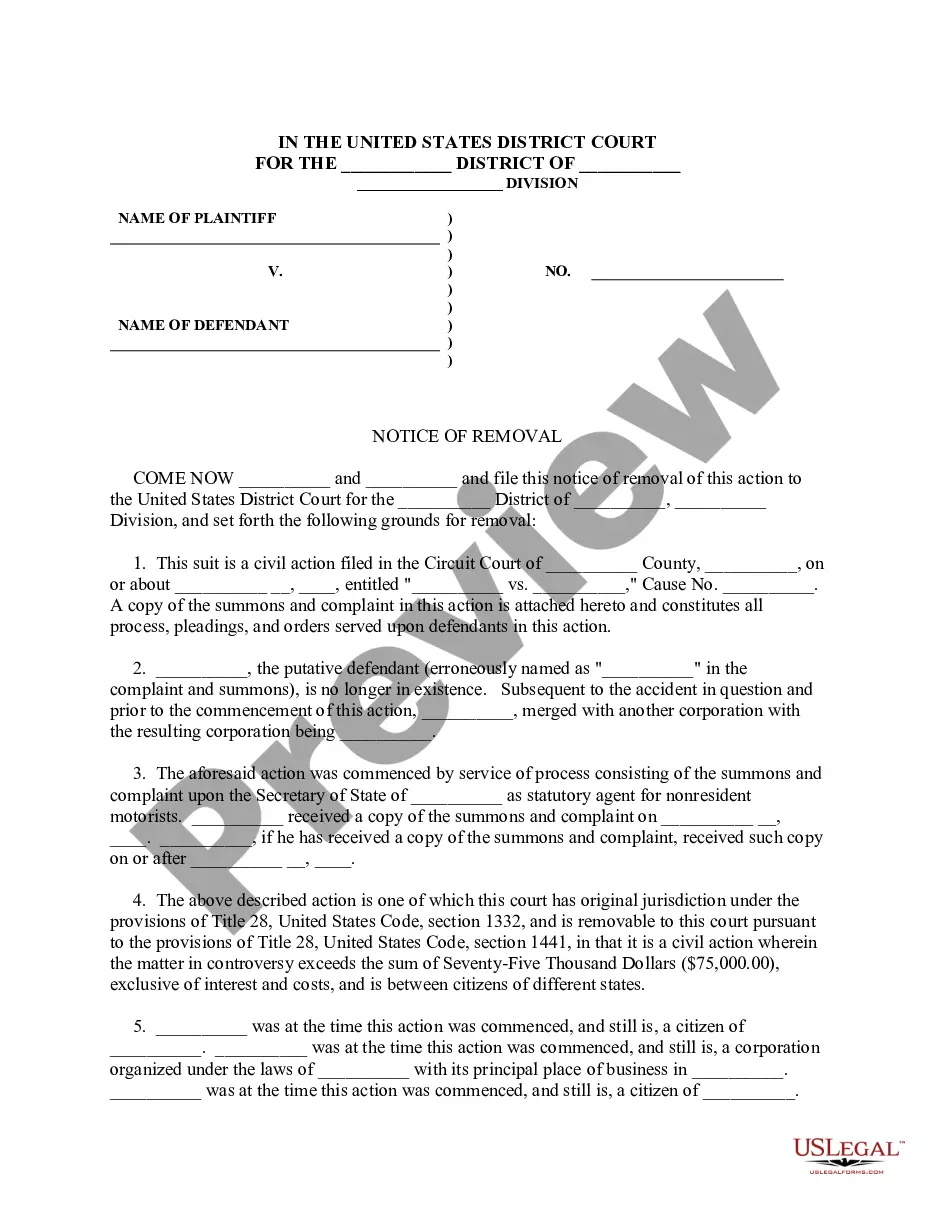

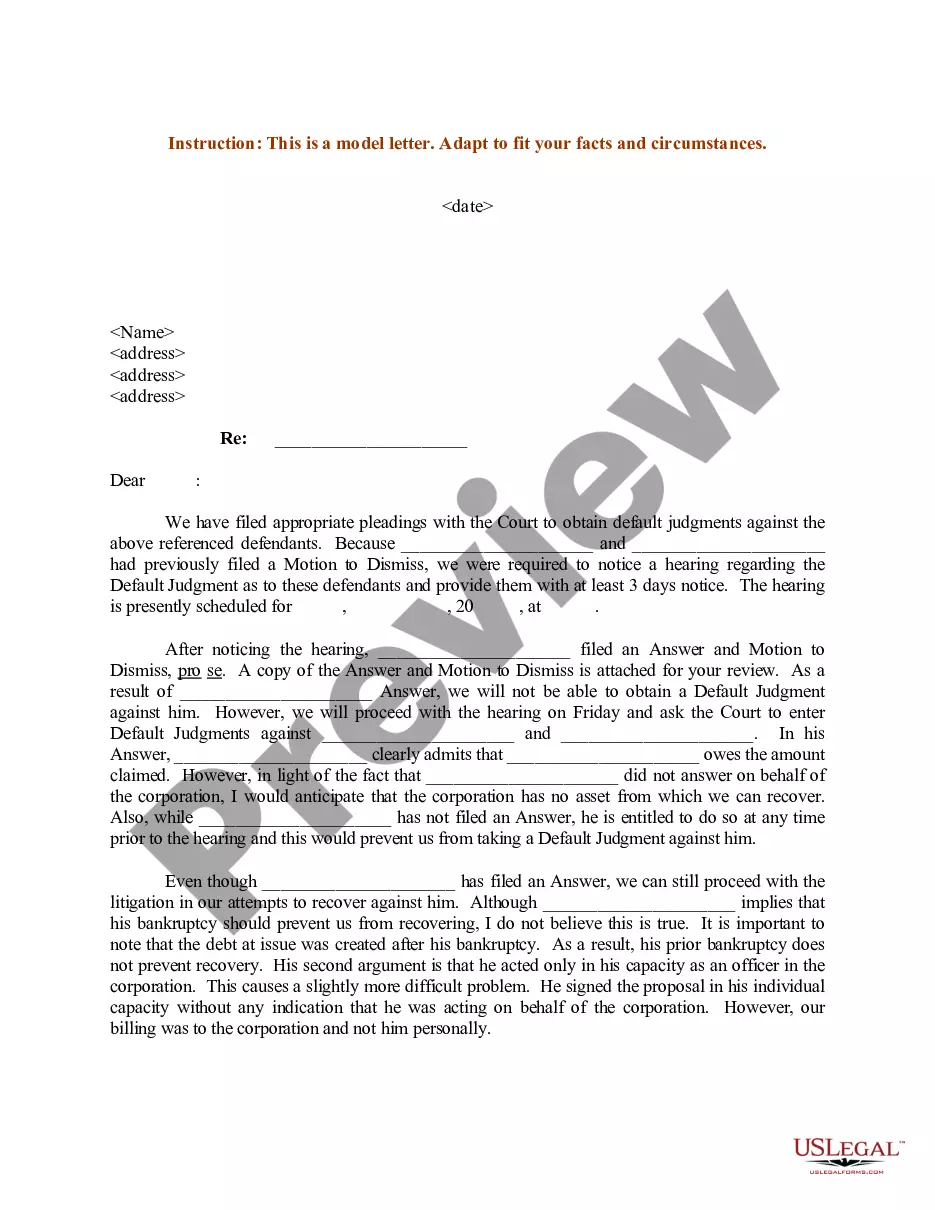
Form popularity
FAQ
About Ex-parte Injunction This type of injunction is only granted in emergency situations where there is a risk of irreparable harm if immediate action is not taken. The court will consider the evidence presented by the person requesting the injunction and decide whether to grant it or not.
An ex parte injunction is a court order that tells someone to either do something or stop doing something. It's called "ex parte" because it's issued without hearing from the other side. To get an injunction, the person asking for it has to show that they will be hurt if the order isn't granted.
About Ex-parte Injunction It is a court order that is issued without hearing from the other party involved in the case. It is also known as a temporary restraining order. This type of injunction is only granted in emergency situations where there is a risk of irreparable harm if immediate action is not taken.
MOST RESPECTFULLY SHOWETH: That the plaintiff is the permanent resident of the above mentioned address in. That the plaintiff is a tenant in respect of the above said property bearing. That the plaintiff spent a huge amount on the construction of these two rooms in the.
Injunctions may be granted to restrain a wide range of acts: a breach of contract, such as a contract against engaging in a competing business; the commission of a tort (e.g., a nuisance); an injury to property (e.g., the of a wall on the plaintiff's land); wrongful expulsion (e.g., from a club or a trade ...
For example, in addition to making a financial judgment against a defendant, a court might issue a permanent injunction ordering that the defendant does not participate in a certain activity or business.
To seek a permanent injunction, the plaintiff must pass the four-step test: (1) that the plaintiff has suffered an irreparable injury; (2) that remedies available at law, such as monetary damages, are inadequate to compensate for the injury; (3) that the remedy in equity is warranted upon consideration of the balance ...
In a suit for permanent injunction to restrain the defendant from interfering with plaintiff's possession, the plaintiff will have to establish that as on the date of the suit he was in lawful possession of the suit property and defendant tried to interfere or disturb such lawful possession.
There are two types of an injunction. There is a temporary and a permanent injunction. The temporary injunction can last no longer than 15 days without the consent of both parties. A permanent injunction can last forever unless the judge modifies that injunction at the request of either party.
