Restraining Order Template Without Notice Alberta In Hillsborough
Description

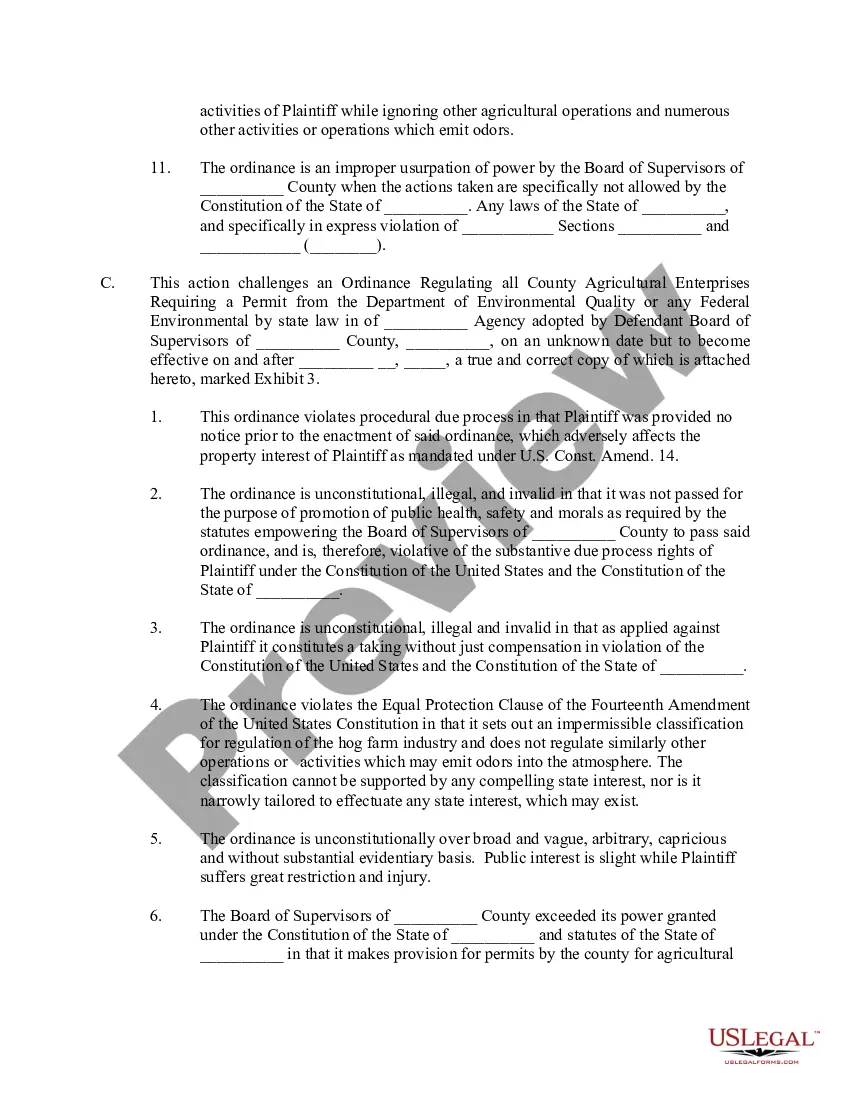
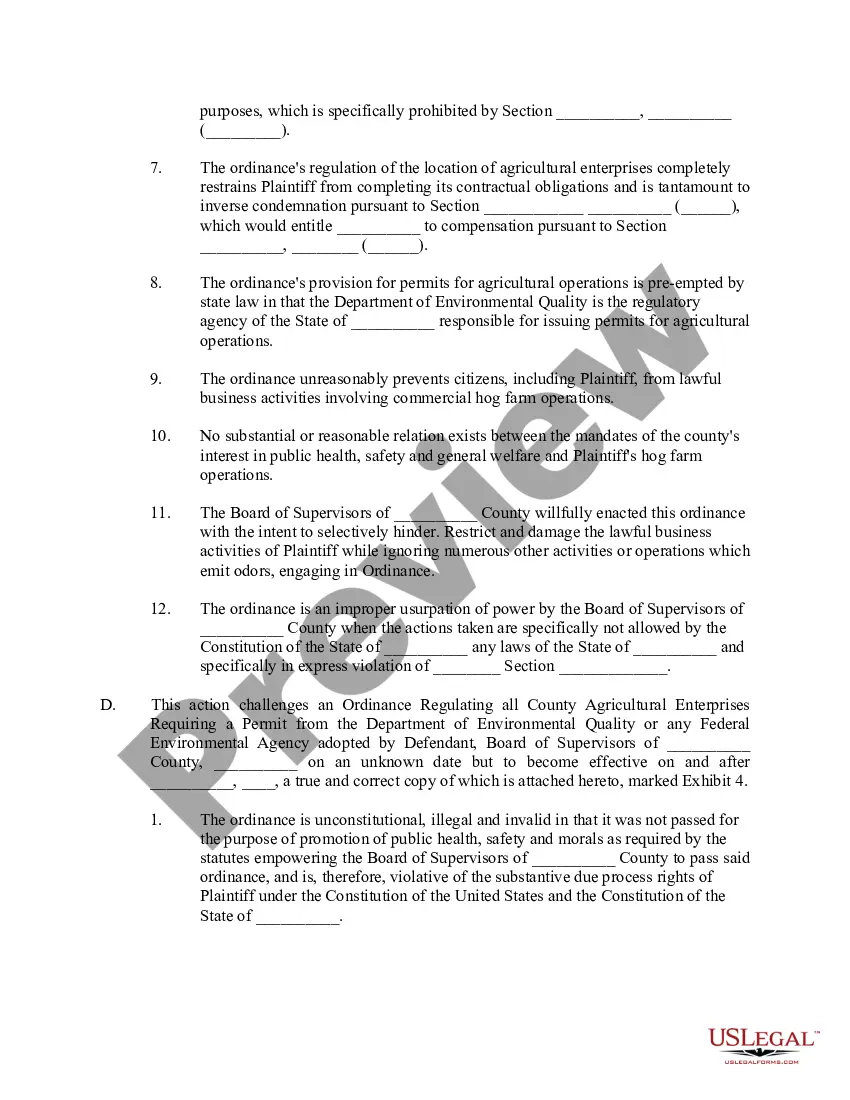
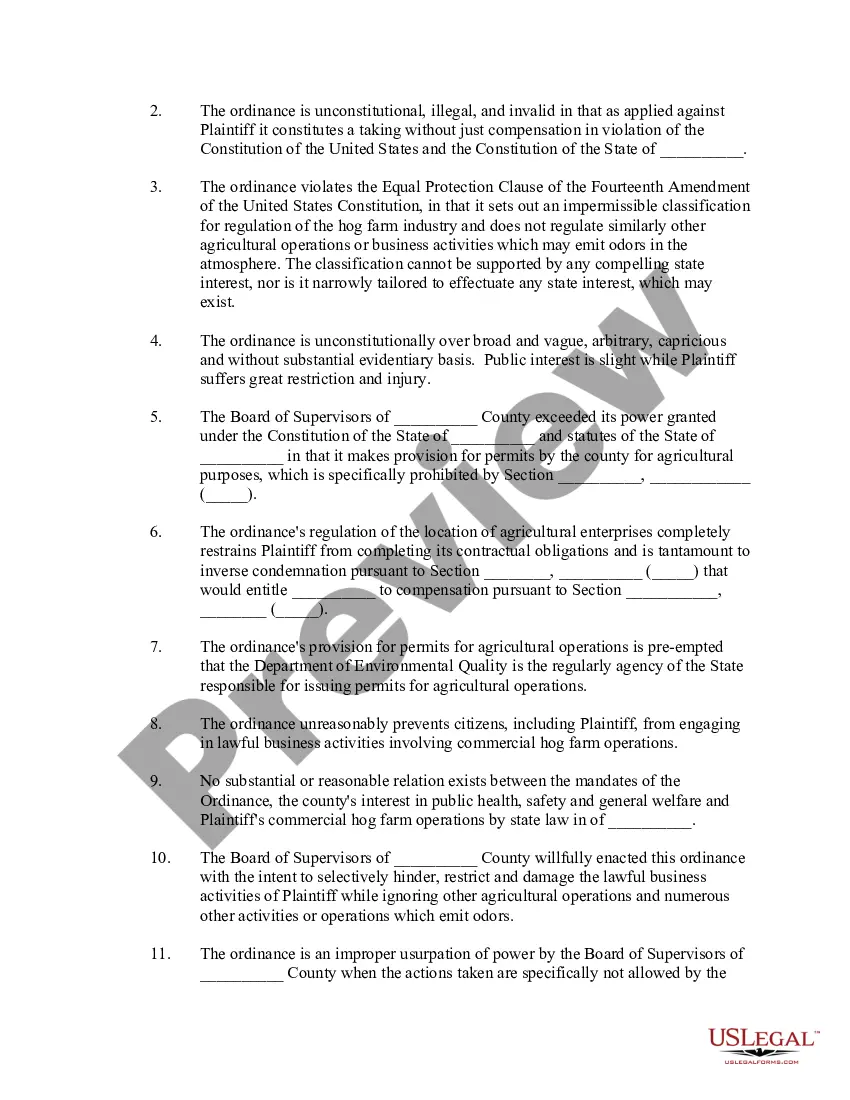
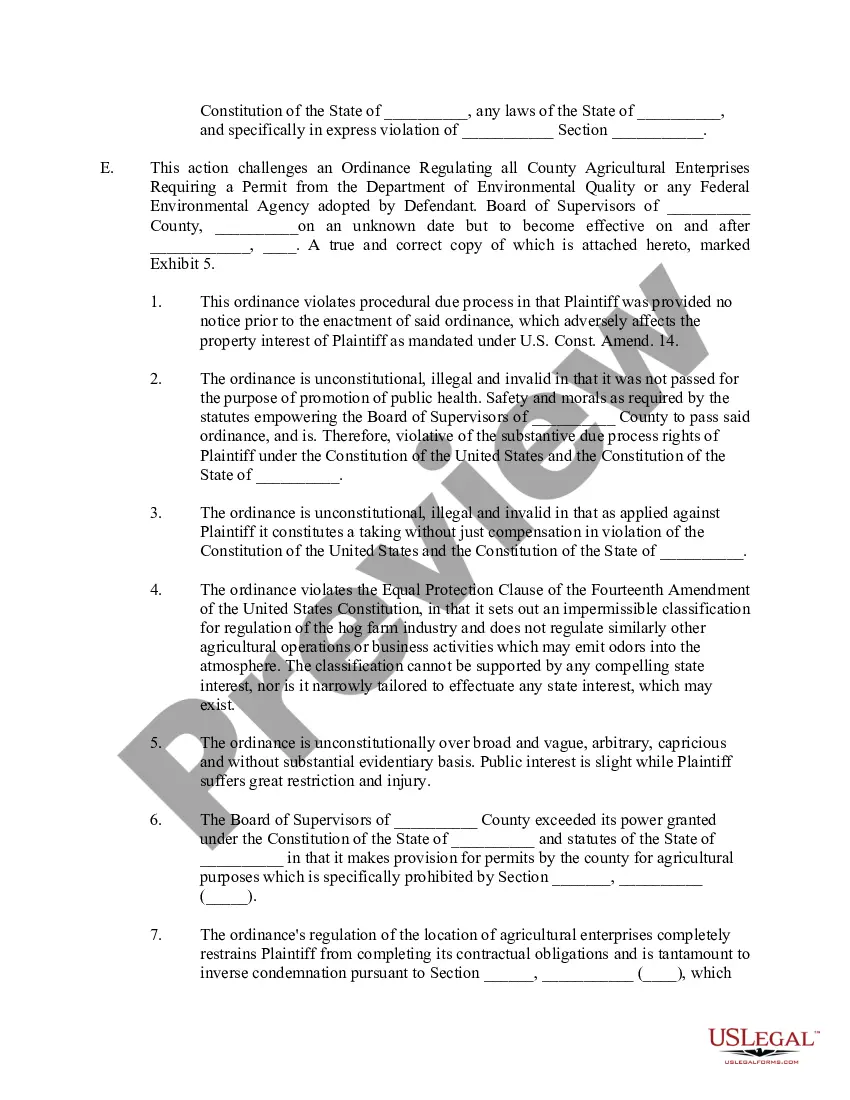






Get your form ready online
Our built-in tools help you complete, sign, share, and store your documents in one place.
Make edits, fill in missing information, and update formatting in US Legal Forms—just like you would in MS Word.
Download a copy, print it, send it by email, or mail it via USPS—whatever works best for your next step.
Sign and collect signatures with our SignNow integration. Send to multiple recipients, set reminders, and more. Go Premium to unlock E-Sign.
If this form requires notarization, complete it online through a secure video call—no need to meet a notary in person or wait for an appointment.
We protect your documents and personal data by following strict security and privacy standards.

Make edits, fill in missing information, and update formatting in US Legal Forms—just like you would in MS Word.

Download a copy, print it, send it by email, or mail it via USPS—whatever works best for your next step.

Sign and collect signatures with our SignNow integration. Send to multiple recipients, set reminders, and more. Go Premium to unlock E-Sign.

If this form requires notarization, complete it online through a secure video call—no need to meet a notary in person or wait for an appointment.

We protect your documents and personal data by following strict security and privacy standards.
Looking for another form?







Form popularity
FAQ
You can apply for a Restraining Order against any person who has made you afraid for your safety through actions such as: personal injury, property damage, or intimidation. failure to provide food, shelter, or medical attention. threats that cause reasonable fear of injury or property damage.
A judge will hear all of the evidence and decide whether to extend your TRO beyond 180 days. If the judge believes that a final order of protection should be issued, s/he will grant you an order that can last for as long as s/he determines is necessary.
If the judge decides that there was abuse and that there is also a credible threat to the plaintiff's safety, a final order of protection will be granted and will last for up to one year. The plaintiff will be directed to go to the clerks counter to wait for the order.
Keep in mind that you will generally not be able to remain anonymous when seeking a restraining order, in part because the perpetrator will need to be informed of whom they are restrained from contacting.
If the judge or referee believes you have adequately established the elements of a restraining order (more on that below), it can issue a temporary restraining order. If the order is issued without notifying the other person, it's called an ex parte order.
Lack of Jurisdiction The respondent can argue that the court does not have jurisdiction to issue a restraining order. This defense can be raised, for instance, if the alleged incidents of domestic violence or harassment did not occur within the jurisdiction of the court.
