Motion For Temporary Order Sample With No Experience In Hennepin
Description
















Get your form ready online
Our built-in tools help you complete, sign, share, and store your documents in one place.
Make edits, fill in missing information, and update formatting in US Legal Forms—just like you would in MS Word.
Download a copy, print it, send it by email, or mail it via USPS—whatever works best for your next step.
Sign and collect signatures with our SignNow integration. Send to multiple recipients, set reminders, and more. Go Premium to unlock E-Sign.
If this form requires notarization, complete it online through a secure video call—no need to meet a notary in person or wait for an appointment.
We protect your documents and personal data by following strict security and privacy standards.

Make edits, fill in missing information, and update formatting in US Legal Forms—just like you would in MS Word.

Download a copy, print it, send it by email, or mail it via USPS—whatever works best for your next step.

Sign and collect signatures with our SignNow integration. Send to multiple recipients, set reminders, and more. Go Premium to unlock E-Sign.

If this form requires notarization, complete it online through a secure video call—no need to meet a notary in person or wait for an appointment.

We protect your documents and personal data by following strict security and privacy standards.
Looking for another form?








Form popularity
FAQ
Temporary reliefs require a special hearing that provides an impermanent solution based on the circumstances and are typically resolved through settlement negotiations or mediation. When a judge grants a motion for temporary relief, the order will only remain in effect until the formal proceedings are completed.
Filing a motion for a temporary order in divorce can be important when any of the following issues need to be dealt with: Custody and visitation, in which case a temporary order would outline a schedule for when each party has time with the child(ren)
The hearings are of short duration with limited testimony and evidence being presented. The Judge's focus at temporary hearings is to work out at a short term solution to disputed issues that seems reasonably fair to both parties in the mind of the Judge.
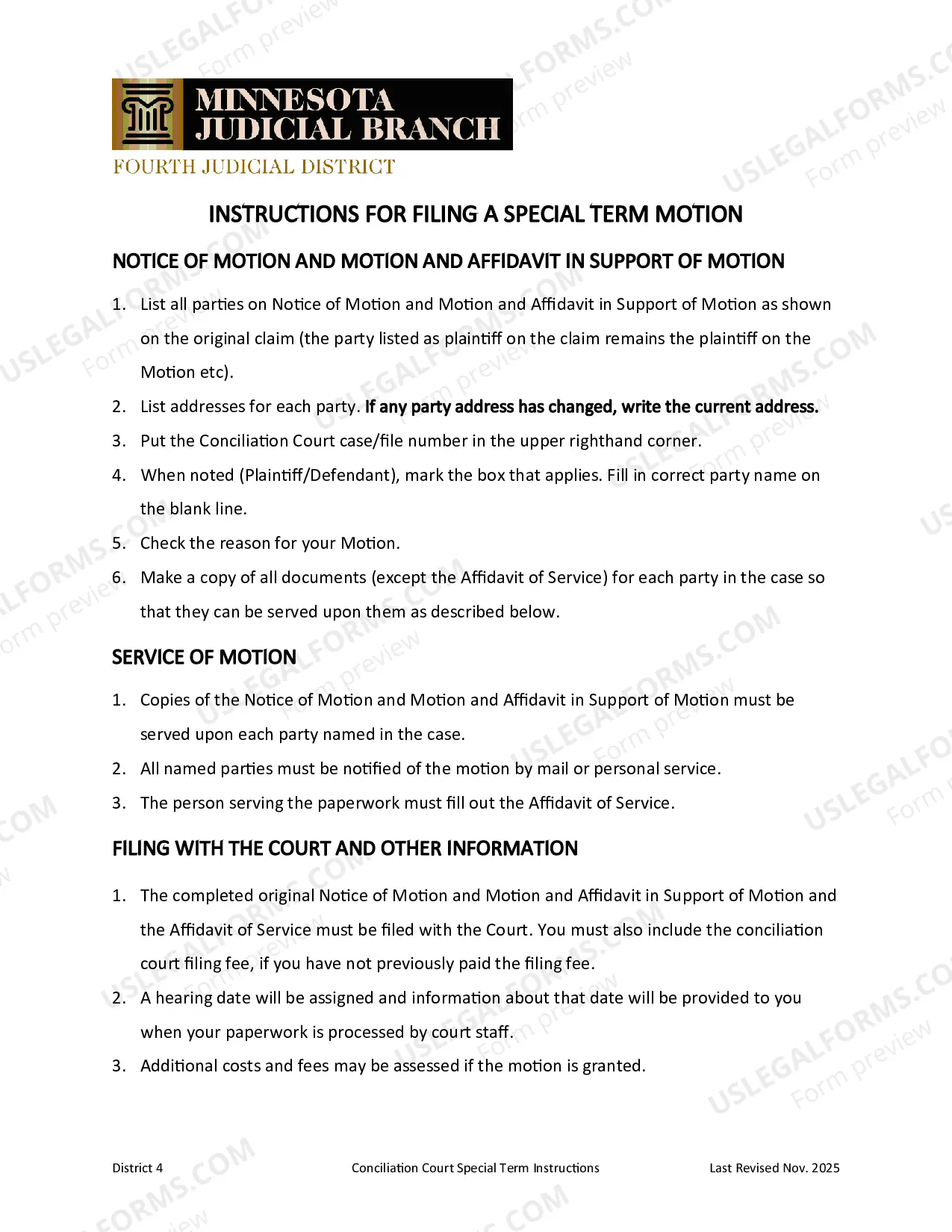
The motion must be supported by evidence. The motion must include a separate "Notice of Motion" which includes a brief summary of the nature of the motion, the deadline for filing a response, and if there is a hearing, the date, time, and location of the hearing.
Decide whether you agree with the Motion filed by the other party. If you agree with the Motion, work with the other party to complete and file a Stipulation. If you decide that you oppose the Motion (or some part of it) complete and file a Statement Opposing the Motion and its supporting documents.
What Is a Motion for Temporary Relief? Temporary relief is an official request made to a judge while the divorce is still pending. A temporary relief hearing allows spouses in a divorce battle to reach a short-term solution on child custody and other issues pending the divorce case finalization.
To address the immediate needs of the children involved, a motion for temporary custody is filed to establish a temporary arrangement until a final custody agreement is reached.
There can be many reasons, but it should all comes down to one or more of these most basic reasons: The motion for temporary orders does not have valid grounds in the law (in other words, the law does not permit the relief requested).
Emergency temporary custody orders can be issued within days or weeks after filing. If the situation is very urgent, a hearing may take place within hours. This hearing is likely to be held ex parte, meaning your child's other parent may not be in attendance to present their side.
