Temporary Restraining Order Form Foreclosure In Chicago
Description

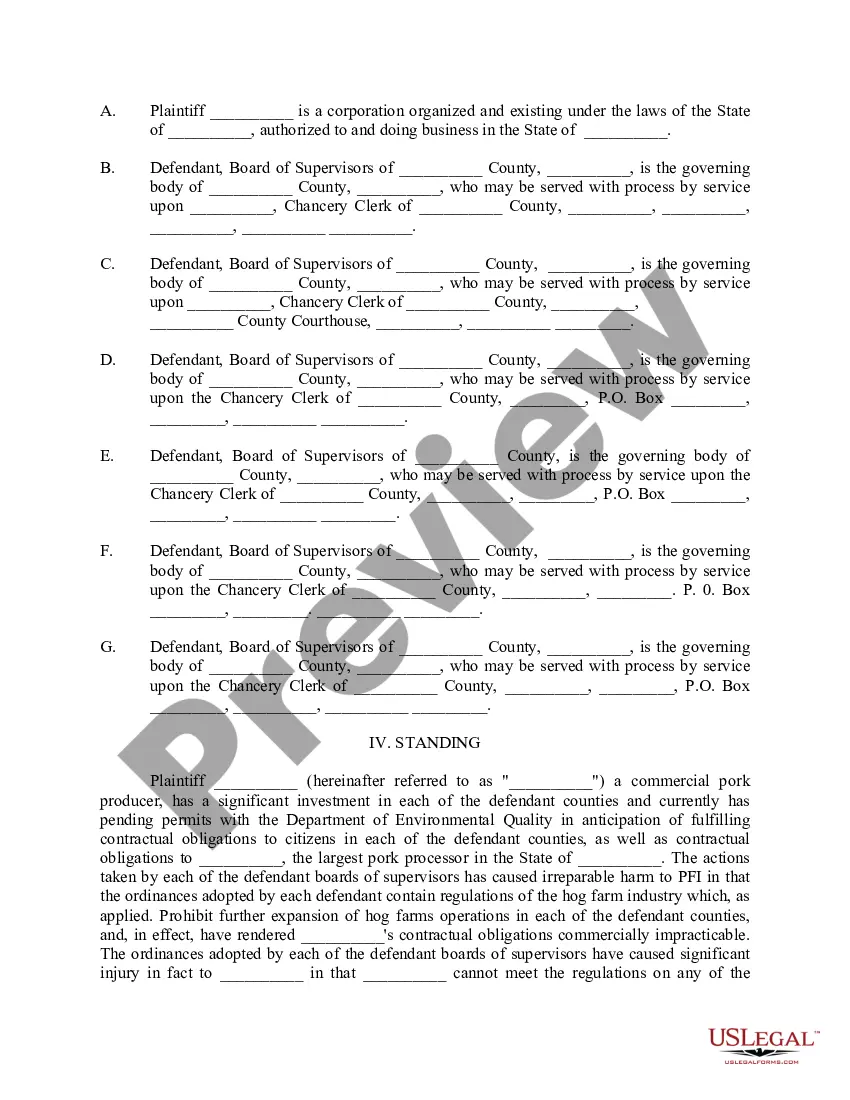
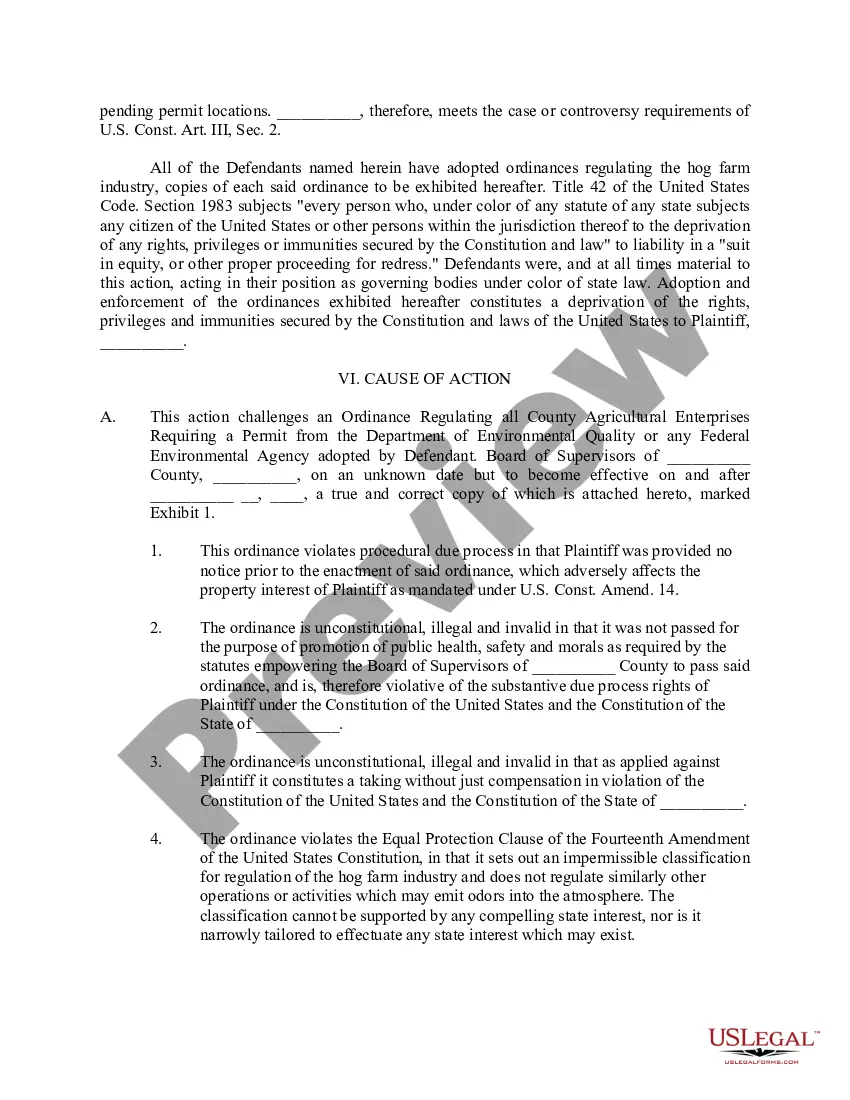
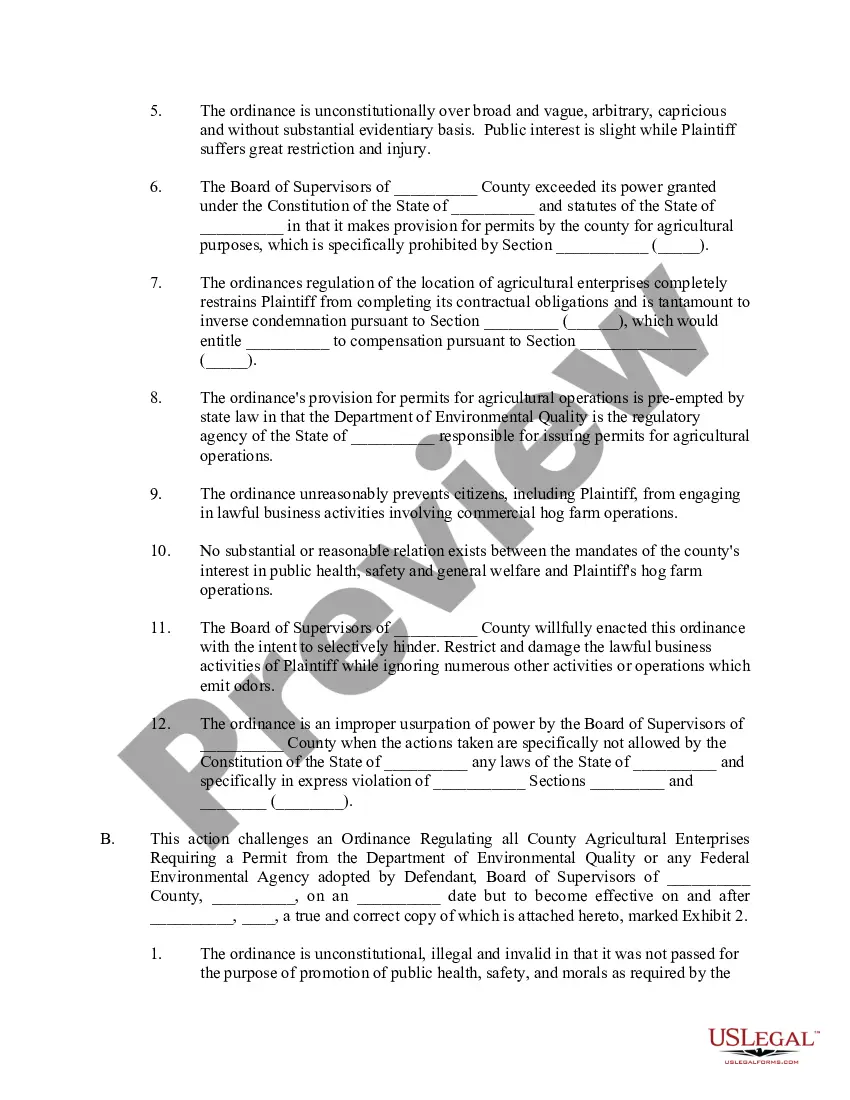
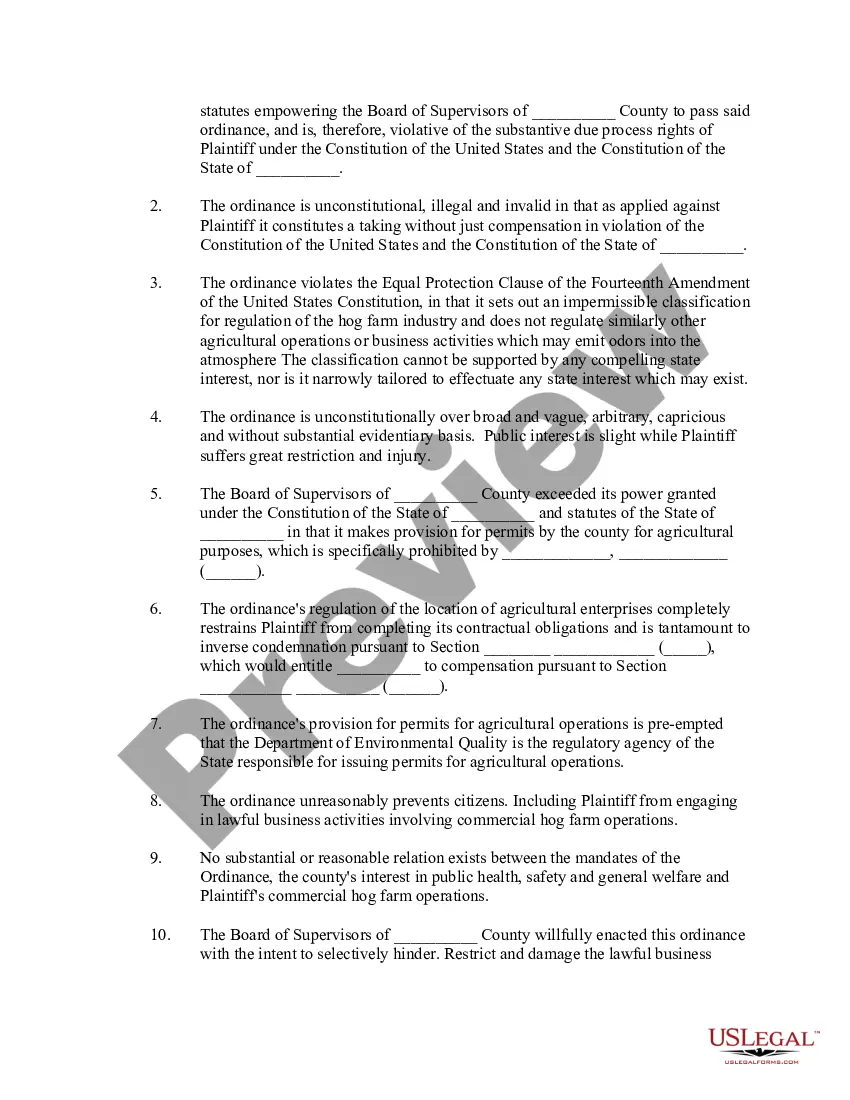






Get your form ready online
Our built-in tools help you complete, sign, share, and store your documents in one place.
Make edits, fill in missing information, and update formatting in US Legal Forms—just like you would in MS Word.
Download a copy, print it, send it by email, or mail it via USPS—whatever works best for your next step.
Sign and collect signatures with our SignNow integration. Send to multiple recipients, set reminders, and more. Go Premium to unlock E-Sign.
If this form requires notarization, complete it online through a secure video call—no need to meet a notary in person or wait for an appointment.
We protect your documents and personal data by following strict security and privacy standards.

Make edits, fill in missing information, and update formatting in US Legal Forms—just like you would in MS Word.

Download a copy, print it, send it by email, or mail it via USPS—whatever works best for your next step.

Sign and collect signatures with our SignNow integration. Send to multiple recipients, set reminders, and more. Go Premium to unlock E-Sign.

If this form requires notarization, complete it online through a secure video call—no need to meet a notary in person or wait for an appointment.

We protect your documents and personal data by following strict security and privacy standards.
Looking for another form?


Form popularity
FAQ
The Illinois Domestic Violence Act tells the reader what a court must find to issue an order of protection and then asks the reader to piece together the proofs to allow the court to make that finding. Physical harm or threat of physical harm to the petitioner. Conduct that causes emotional distress to the petitioner.
To obtain an Order of Protection, you can: Contact a domestic violence program for assistance. Ask an attorney to file in civil court. Request an order with your divorce. Request an order during a criminal prosecution.
O You must file the Appearance form in the county where the court case is filed. o Make copies of your original Appearance for yourself and each party in the case. o Bring the original Appearance and the copies to the Circuit Clerk at the courthouse. Appearance, and return these copies to you.
Foreclosure proceedings begin with a complaint filed by the lender. The borrower is served a copy of the complaint and a summons, along with a notice of his or her rights during foreclosure. In most cases, the borrower has 30 days to file a response. Failure to respond will result in a default judgment for the lender.
A judge in the Circuit Court of Cook County oversees the foreclosure process, which typically involves the lender filing a lawsuit against the homeowner for defaulting on the mortgage. If the Court finds in favor of the lender, it can result in the forced sale of the property to repay the outstanding mortgage debt.
Illinois law provides that a TRO may last only 10 days, except in certain circumstances. Illinois law recognizes two different types of TROs: TROs with and without notice (the latter being referred to by courts as ex parte TROs).
Generally, under Illinois law, a plaintiff must present evidence in support of four factors before a court will issue a TRO or other form of injunction: (1) the plaintiff possesses a clearly ascertainable right in need of protection, (2) there is a likelihood that the plaintiff will succeed on the merits, (3) the ...
To be entitled to a TRO in Illinois, a plaintiff must have: (1) a clearly ascertained right in need of protection, (2) irreparable injury in the absence of an injunction, (3) no adequate remedy at law, and (4) a likelihood of success on the merits of the case.
