Second Amendment Print For Dummies In Wayne
Description


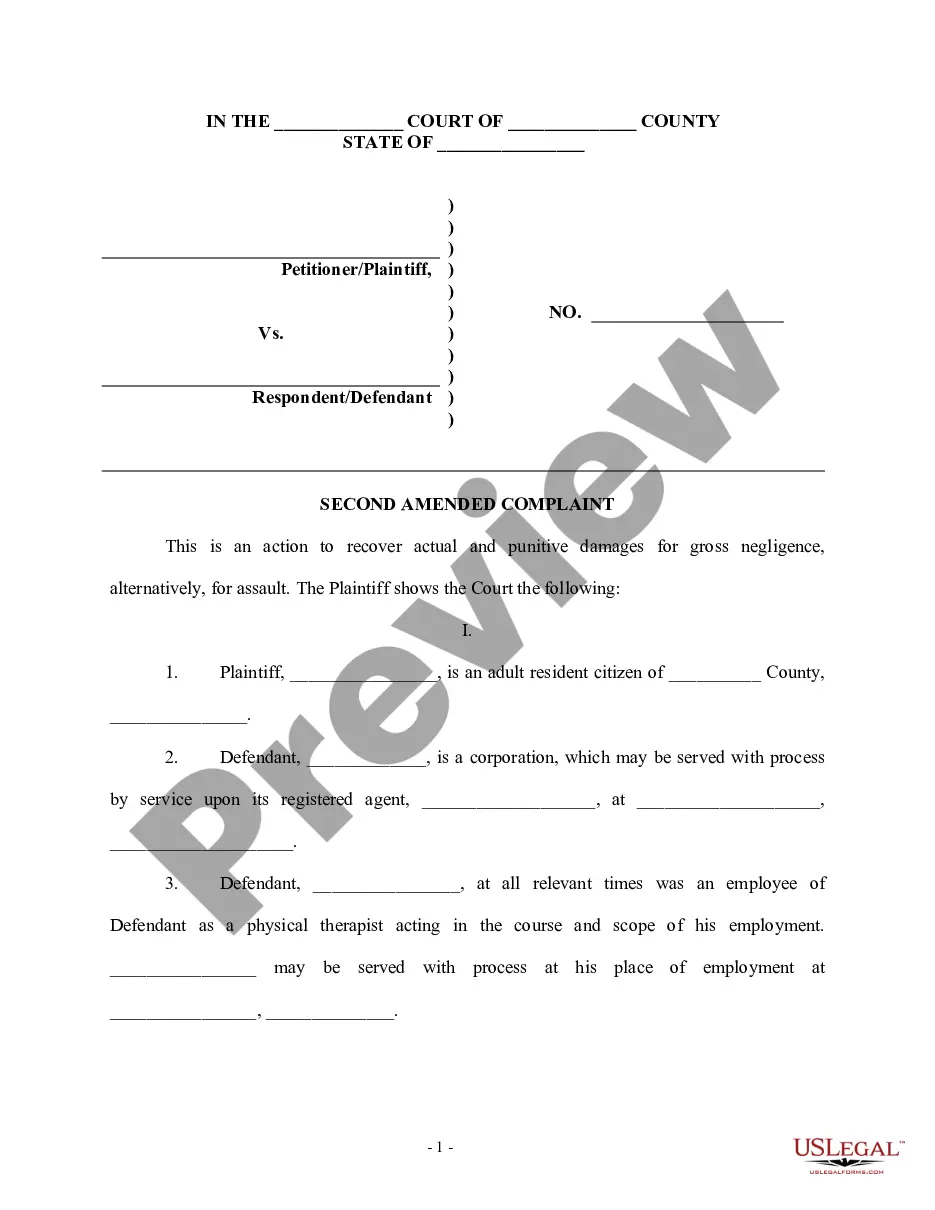
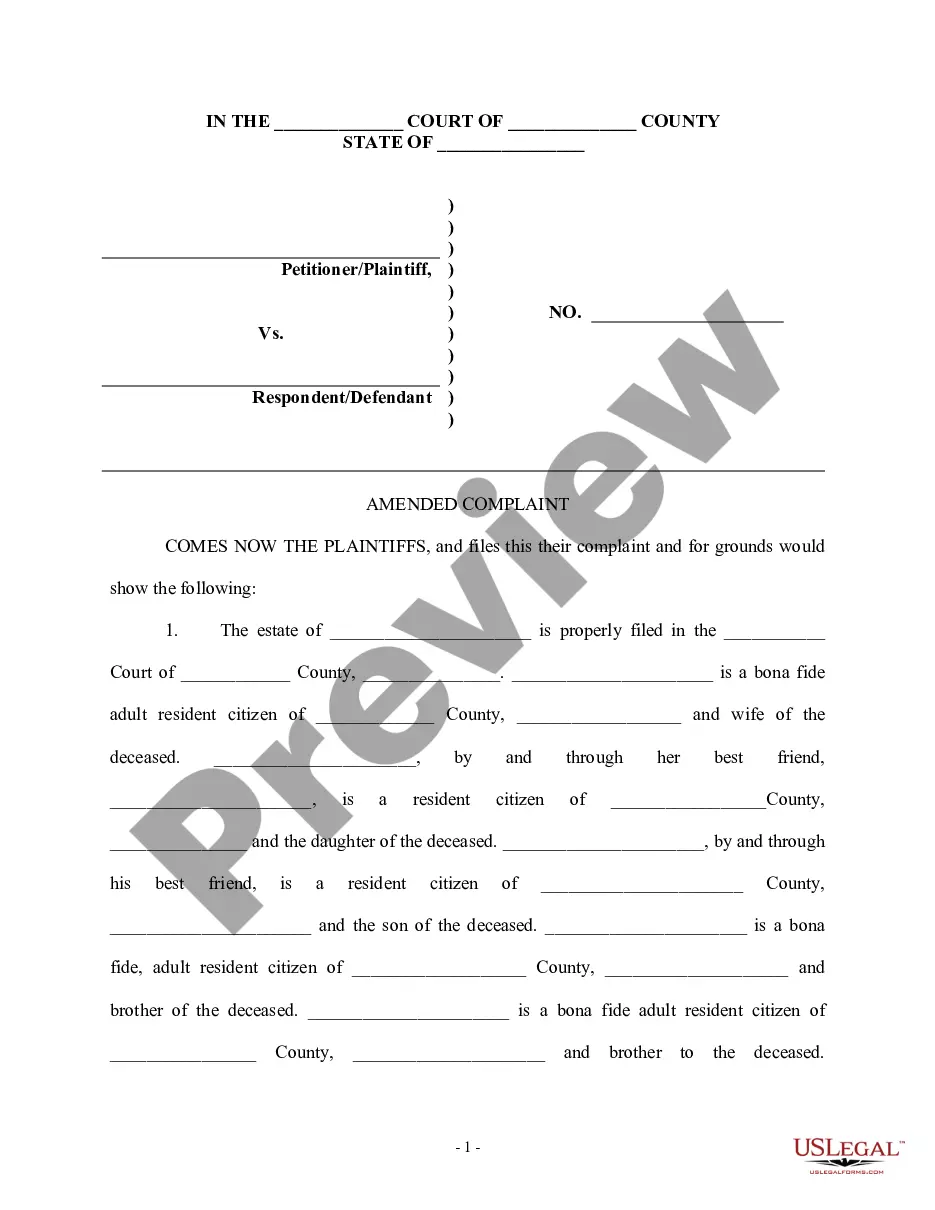
Get your form ready online
Our built-in tools help you complete, sign, share, and store your documents in one place.
Make edits, fill in missing information, and update formatting in US Legal Forms—just like you would in MS Word.
Download a copy, print it, send it by email, or mail it via USPS—whatever works best for your next step.
Sign and collect signatures with our SignNow integration. Send to multiple recipients, set reminders, and more. Go Premium to unlock E-Sign.
If this form requires notarization, complete it online through a secure video call—no need to meet a notary in person or wait for an appointment.
We protect your documents and personal data by following strict security and privacy standards.

Make edits, fill in missing information, and update formatting in US Legal Forms—just like you would in MS Word.

Download a copy, print it, send it by email, or mail it via USPS—whatever works best for your next step.

Sign and collect signatures with our SignNow integration. Send to multiple recipients, set reminders, and more. Go Premium to unlock E-Sign.

If this form requires notarization, complete it online through a secure video call—no need to meet a notary in person or wait for an appointment.

We protect your documents and personal data by following strict security and privacy standards.
Looking for another form?

Form popularity
FAQ
In short, the Second Amendment states that as an American citizen, you have the individual right to arm yourself. The amendment also firmly establishes that the government cannot infringe on that right.
Constitutional Amendments – Amendment 2 – “The Right to Keep and Bear Arms” Amendment Two to the Constitution was ratified on December 15, 1791. It protects the right for Americans to possess weapons for the protection of themselves, their rights, and their property.
The Second Amendment granted citizens that right — giving them the ability to defend themselves and their property. Though times have changed dramatically, the need for defenses afforded by the Second Amendment has remained much the same. “…the right of the people to keep and bear Arms, shall not be infringed.”
The Second Amendment (Amendment II) to the United States Constitution protects the right to keep and bear arms. It was ratified on December 15, 1791, along with nine other articles of the Bill of Rights.
The Second Amendment protects an individual right to possess a firearm unconnected with service in a militia and to use it for traditionally lawful purposes such as self-defense within the home.
The Founding Fathers felt that citizens should be able to protect themselves against the government and any other threat to their wellbeing or personal freedom. The Second Amendment granted citizens that right — giving them the ability to defend themselves and their property.
No person shall be elected to the office of the President more than twice, and no person who has held the office of President, or acted as President, for more than two years of a term to which some other person was elected President shall be elected to the office of the President more than once.
Right to possess or carry arms for personal self-defense. The right would be. for a government organized militia, or at best, to exercise what the.
The Second Amendment (Amendment II) to the United States Constitution protects the right to keep and bear arms. It was ratified on December 15, 1791, along with nine other articles of the Bill of Rights.
