Affidavit Motion Amend For Default Dissolution In Wayne
Description

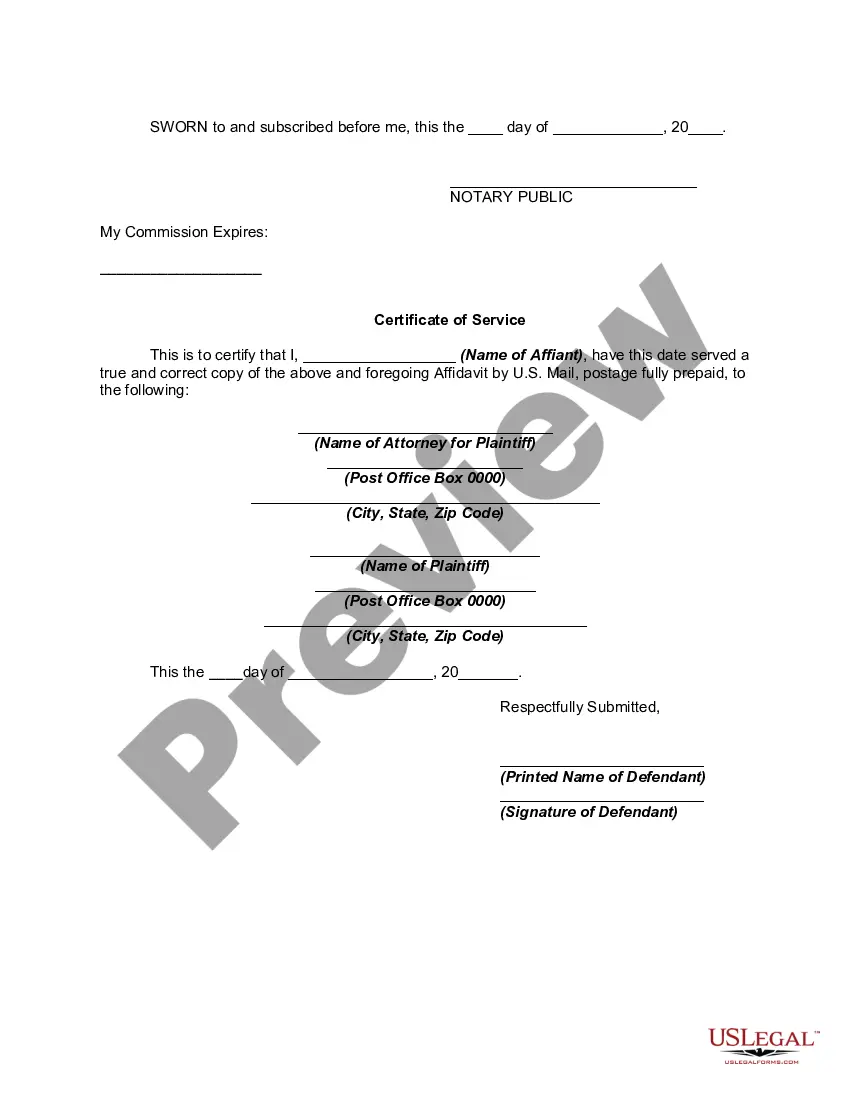



Get your form ready online
Our built-in tools help you complete, sign, share, and store your documents in one place.
Make edits, fill in missing information, and update formatting in US Legal Forms—just like you would in MS Word.
Download a copy, print it, send it by email, or mail it via USPS—whatever works best for your next step.
Sign and collect signatures with our SignNow integration. Send to multiple recipients, set reminders, and more. Go Premium to unlock E-Sign.
If this form requires notarization, complete it online through a secure video call—no need to meet a notary in person or wait for an appointment.
We protect your documents and personal data by following strict security and privacy standards.

Make edits, fill in missing information, and update formatting in US Legal Forms—just like you would in MS Word.

Download a copy, print it, send it by email, or mail it via USPS—whatever works best for your next step.

Sign and collect signatures with our SignNow integration. Send to multiple recipients, set reminders, and more. Go Premium to unlock E-Sign.

If this form requires notarization, complete it online through a secure video call—no need to meet a notary in person or wait for an appointment.

We protect your documents and personal data by following strict security and privacy standards.
Looking for another form?



Form popularity
FAQ
After a summons with notice is served, the defendant will demand that the plaintiff serve a complaint. The plaintiff must then have the complaint served within 20 days after being served with the demand, or the case may be dismissed.
``Being served with a summons'' formally notifies you of the legal action against you and gives you the opportunity to respond to the allegations in court. Failure to respond appropriately may result in a default judgment being entered against you.
A summons with notice is a type of summons. The summons with notice is not served with the complaint. It contains all of the information described above for the summons, plus a brief description of the type of case and the relief the plaintiff is asking the court to grant.
Most Courts, including California, put strict time limits on when that motion may be filed (six months from entry of default in California though this time limit may be altered based on various factors) and the longer the period of time from entry of default, the harder it is to have the Court remove it.
To vacate a default, your motion papers must show a good reason or excuse for your default and that your claims or defenses have legal merit. Whenever a motion is to be brought, the person filing the motion is called the moving party or the movant.
The written response must be made within 20 days of personal service, or within 30 days of the time when service by any other means is complete. If the defendant fails to respond he or she is in default and plaintiff may be able to obtain a default judgment against the defendant.
There are seven grounds, legally acceptable reasons, for a divorce in New York State: Irretrievable breakdown in relationship for a period of at least 6 months. Cruel and inhuman treatment. Abandonment. Imprisonment. Adultery. Divorce after a legal separation agreement. Divorce after a judgment of separation.
The husband and wife must be living separate and apart for a period of at least one year after signing a separation agreement to use it for a divorce.
