Amendment Jury Trial In Civil Cases In Wake
Description


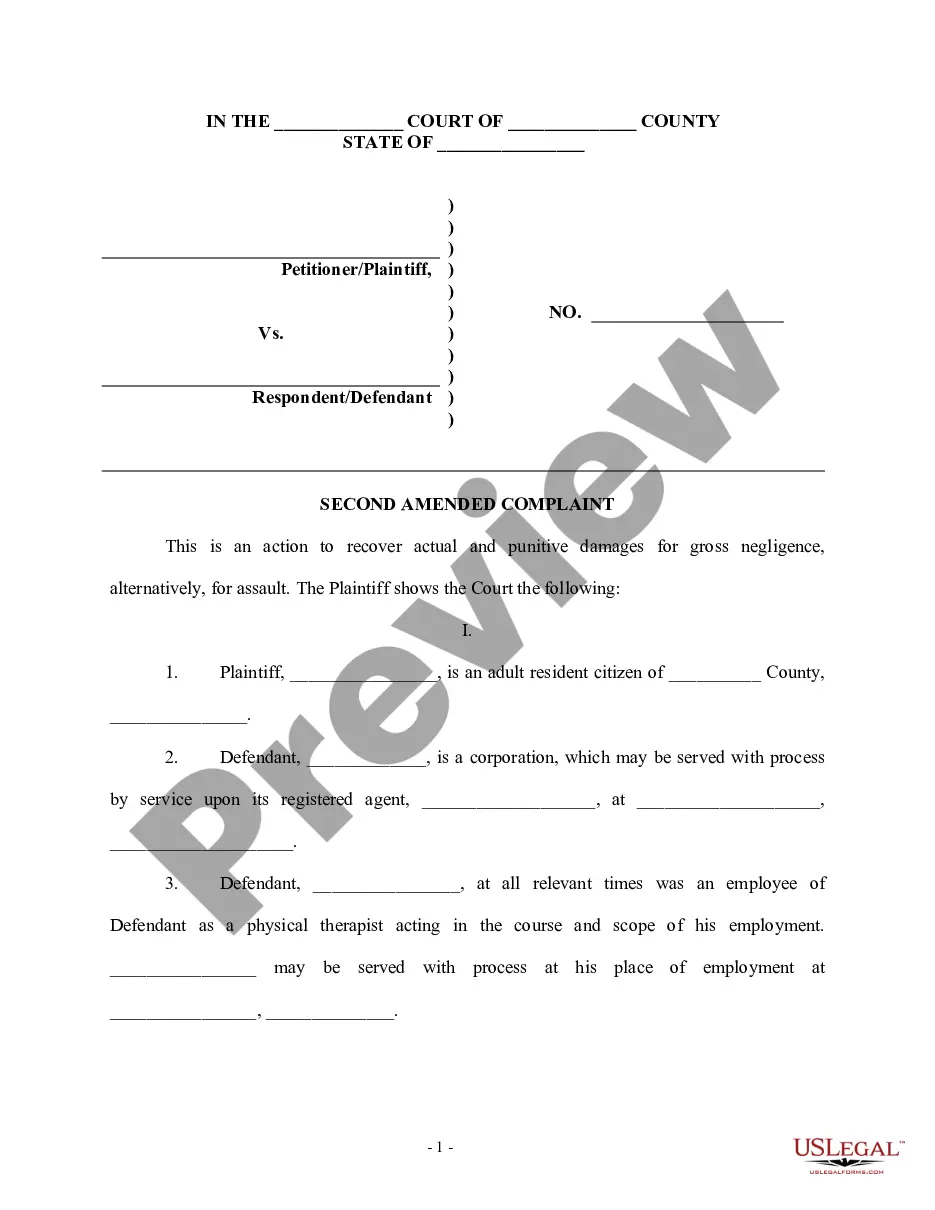
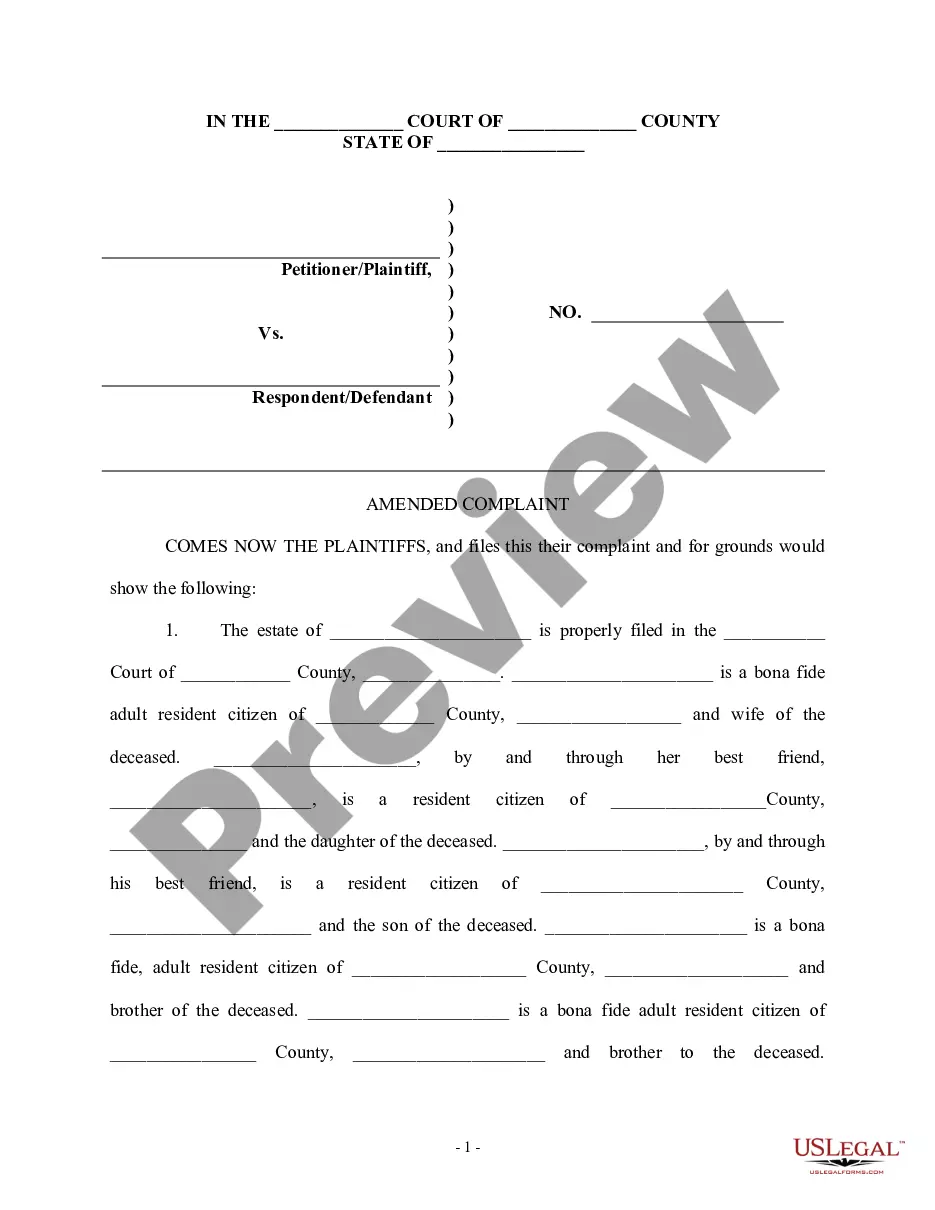
Get your form ready online
Our built-in tools help you complete, sign, share, and store your documents in one place.
Make edits, fill in missing information, and update formatting in US Legal Forms—just like you would in MS Word.
Download a copy, print it, send it by email, or mail it via USPS—whatever works best for your next step.
Sign and collect signatures with our SignNow integration. Send to multiple recipients, set reminders, and more. Go Premium to unlock E-Sign.
If this form requires notarization, complete it online through a secure video call—no need to meet a notary in person or wait for an appointment.
We protect your documents and personal data by following strict security and privacy standards.

Make edits, fill in missing information, and update formatting in US Legal Forms—just like you would in MS Word.

Download a copy, print it, send it by email, or mail it via USPS—whatever works best for your next step.

Sign and collect signatures with our SignNow integration. Send to multiple recipients, set reminders, and more. Go Premium to unlock E-Sign.

If this form requires notarization, complete it online through a secure video call—no need to meet a notary in person or wait for an appointment.

We protect your documents and personal data by following strict security and privacy standards.
Looking for another form?







Form popularity
FAQ
The Seventh Amendment continues a practice from English common law of distinguishing civil claims which must be tried before a jury (absent waiver by the parties) from claims and issues that may be heard by a judge alone.
Seventh Amendment. In Suits at common law, where the value in controversy shall exceed twenty dollars, the right of trial by jury shall be preserved, and no fact tried by a jury, shall be otherwise re-examined in any Court of the United States, than ing to the rules of the common law.
Amendment Seven to the Constitution was ratified on December 15, 1791. It protects the right for citizens to have a jury trial in federal courts with civil cases where the claim exceeds a certain dollar value. It also prohibits judges in these trials from overruling facts revealed by the jury.
Sixth Amendment Criminal Prosecutions - Jury Trial, Right to Confront and to Counsel (1791) (see explanation) Seventh Amendment Common Law Suits - Jury Trial (1791) (see explanation) Eighth Amendment Excess Bail or Fines, Cruel and Unusual Punishment (1791) (see explanation)
Constitutional Amendments – Amendment 7 – “The Right to Jury Trial in Civil Affairs”
The seventh amendment gives the right to a jury trial for any civil case over property more than $20.
There are 3 levels of federal courts: The U.S. district courts (the trial courts), The U.S. courts of appeals (the appellate courts), and. The U.S. Supreme Court.
Superior Courts A jury of 12 hears the criminal cases. In the civil cases, juries are often waived. The Superior Court is divided into eight divisions and 46 districts across the state. Judges are elected to 8-year terms, and rotate every six months between the districts within their division.
Plea and Verdict Abbreviations GLGUILTY TO LESSER JA JUDGMENT ARRESTED (by judge after jury verdict) NC NO CONTEST NG NOT GUILTY NR NOT RESPONSIBLE5 more rows
