Physical Abuse For Adults In Texas
Description


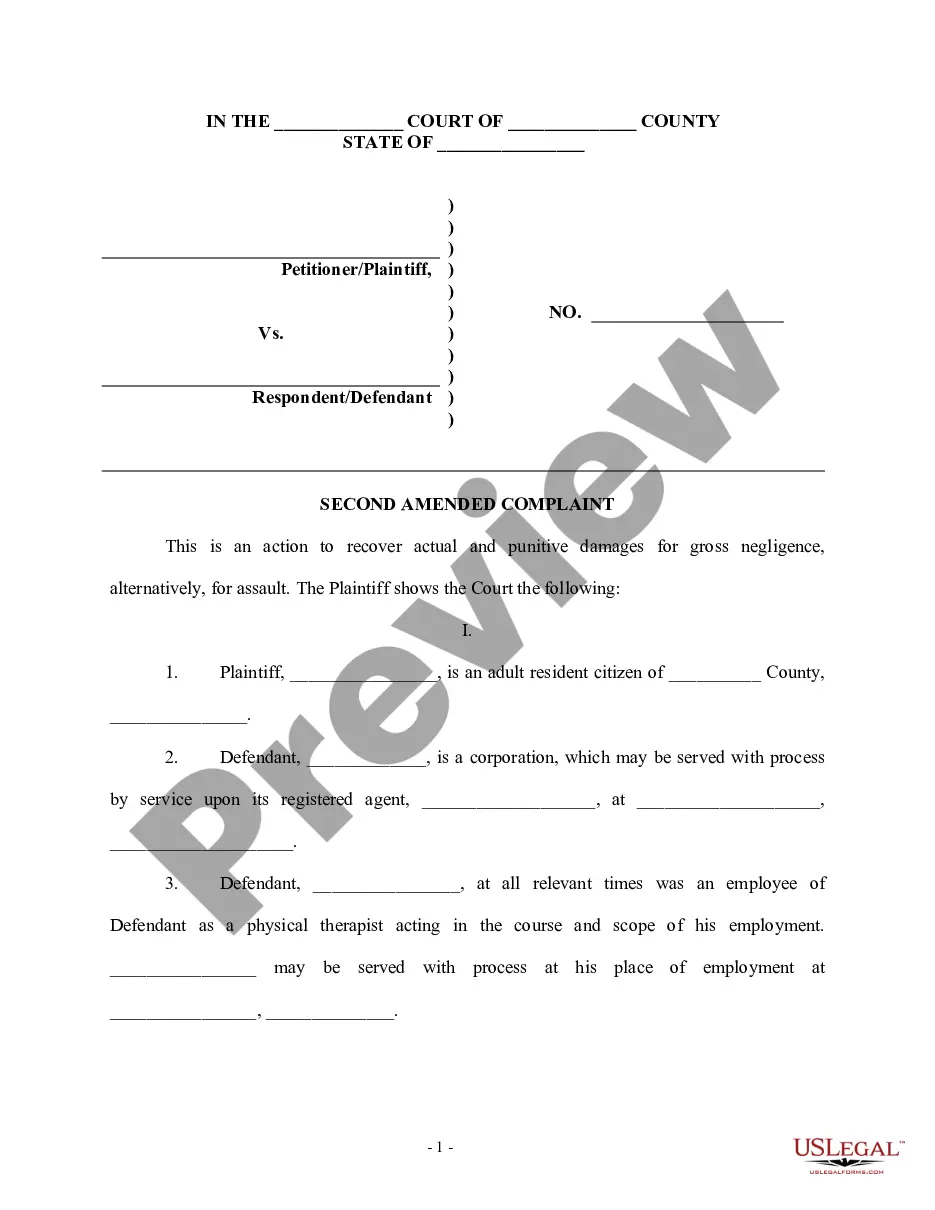
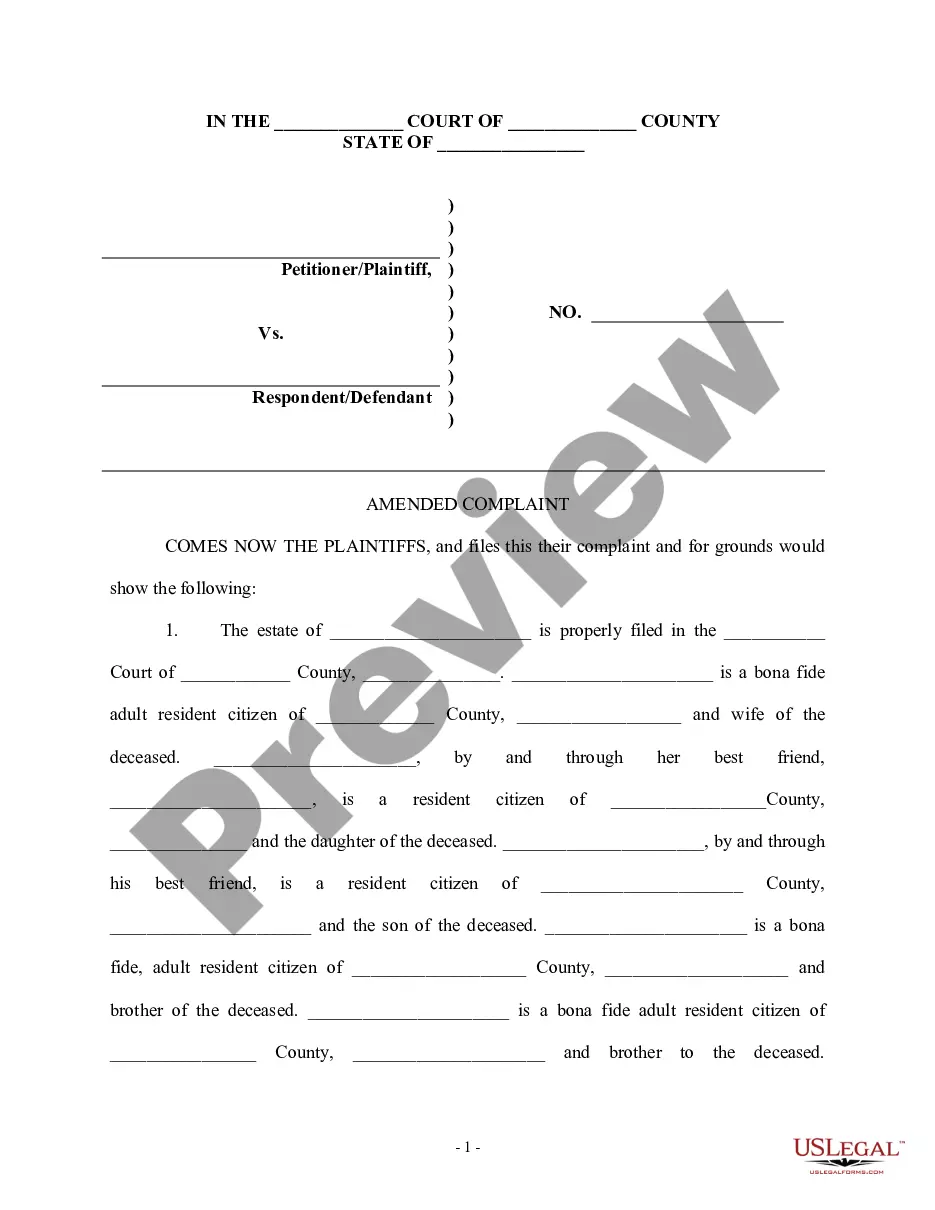
Get your form ready online
Our built-in tools help you complete, sign, share, and store your documents in one place.
Make edits, fill in missing information, and update formatting in US Legal Forms—just like you would in MS Word.
Download a copy, print it, send it by email, or mail it via USPS—whatever works best for your next step.
Sign and collect signatures with our SignNow integration. Send to multiple recipients, set reminders, and more. Go Premium to unlock E-Sign.
If this form requires notarization, complete it online through a secure video call—no need to meet a notary in person or wait for an appointment.
We protect your documents and personal data by following strict security and privacy standards.

Make edits, fill in missing information, and update formatting in US Legal Forms—just like you would in MS Word.

Download a copy, print it, send it by email, or mail it via USPS—whatever works best for your next step.

Sign and collect signatures with our SignNow integration. Send to multiple recipients, set reminders, and more. Go Premium to unlock E-Sign.

If this form requires notarization, complete it online through a secure video call—no need to meet a notary in person or wait for an appointment.

We protect your documents and personal data by following strict security and privacy standards.
Looking for another form?







Form popularity
FAQ
By law, everyone in Texas is a mandated reporter. Professionals may not delegate the duty to report to anyone else.
Texas law requires that any person suspecting that a child has been abused or neglected must immediately make a report. If there is an emergency, call 911 and then call the DFPS Texas Abuse Hotline at 1-800-252-5400. You can also make a report online (External Link).
Section 261.101 of the Texas Family Code mandates that anyone who suspects child abuse or neglect must report it immediately. The report may be made to (1) any local or state law enforcement agency; or (2) the Department of Family and Protective Services.
Anyone in Texas can file a report in good faith if they suspect an adult with disabilities or who is aged 65 or older is being abused, neglected, or financially exploited. This guide explains how to identify and report these situations.
Texas law requires that any person suspecting that a child has been abused or neglected must immediately make a report.
Physical abuse is defined as any intentional act causing injury or trauma to another person through bodily contact. It is a deliberate act of force that results in harm, injury, or trauma to the victim's body. This can include a range of behaviours from hitting, slapping, and punching to more severe forms of violence.
Types of Abuse This includes any act or communication that would cause a reasonable person in a similar situation physical or emotional harm or pain. Physical Abuse (PHAB): The negligent or willful infliction of injury, unreasonable confinement, or cruel punishment with resulting physical or emotional harm or pain.
The statute of limitations for misdemeanors is two years. Unless specified, it's three years for felonies. However, it's important to point out that many felonies do carry a specified statute of limitations, usually at five years, seven years or ten years. Some limitations are based on the age of the victim.
Protecting Vulnerable Adults Adult Protective Services, or APS, investigates allegations of abuse, neglect, and financial exploitation of adults aged 65 and older, and adults aged 18 to 64 who have a disability and live in the community.
A caretaker's leaving an elderly patient home alone for a significant amount of time could be considered neglect, at the very least, and possibly abandonment.
