Physical Assault In Tagalog In Palm Beach
Description


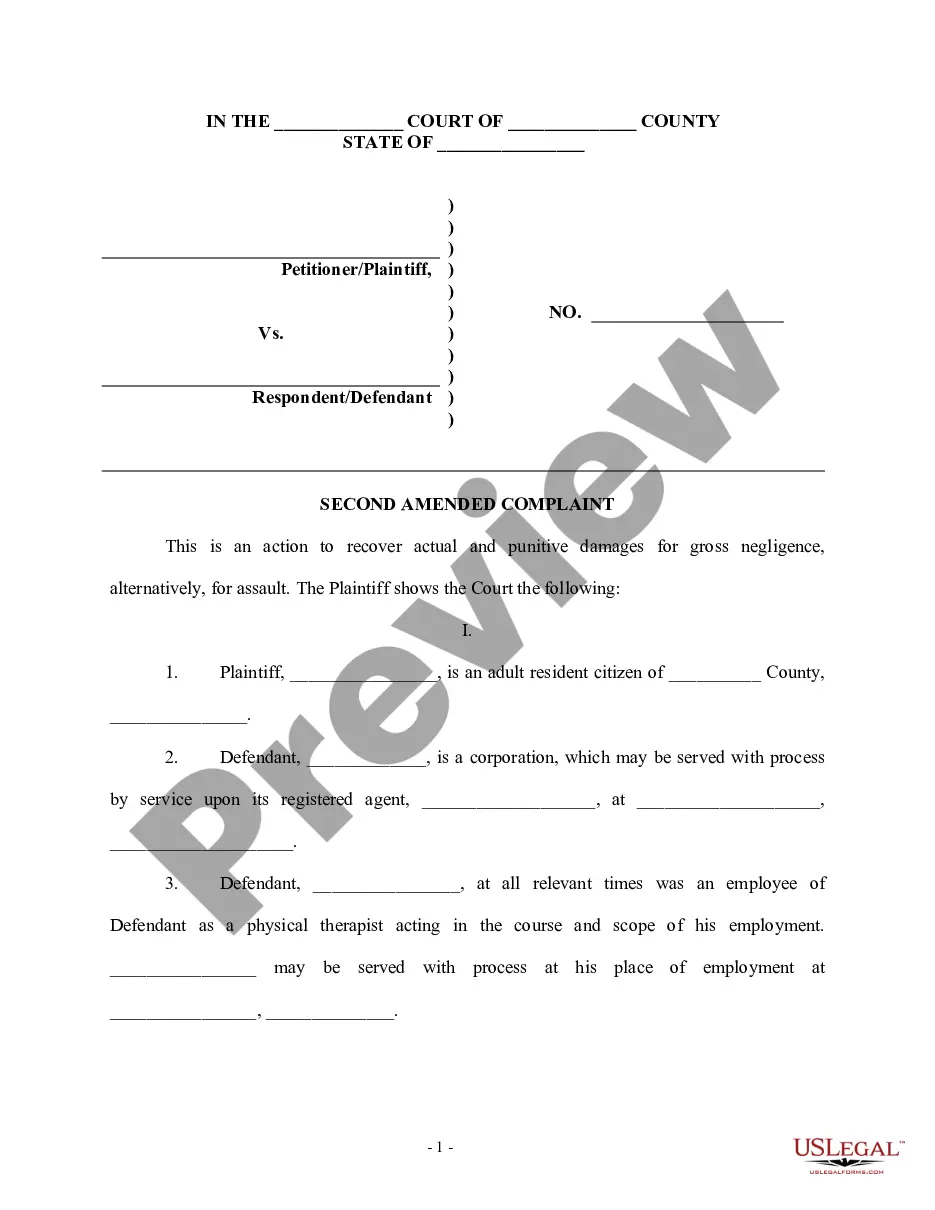
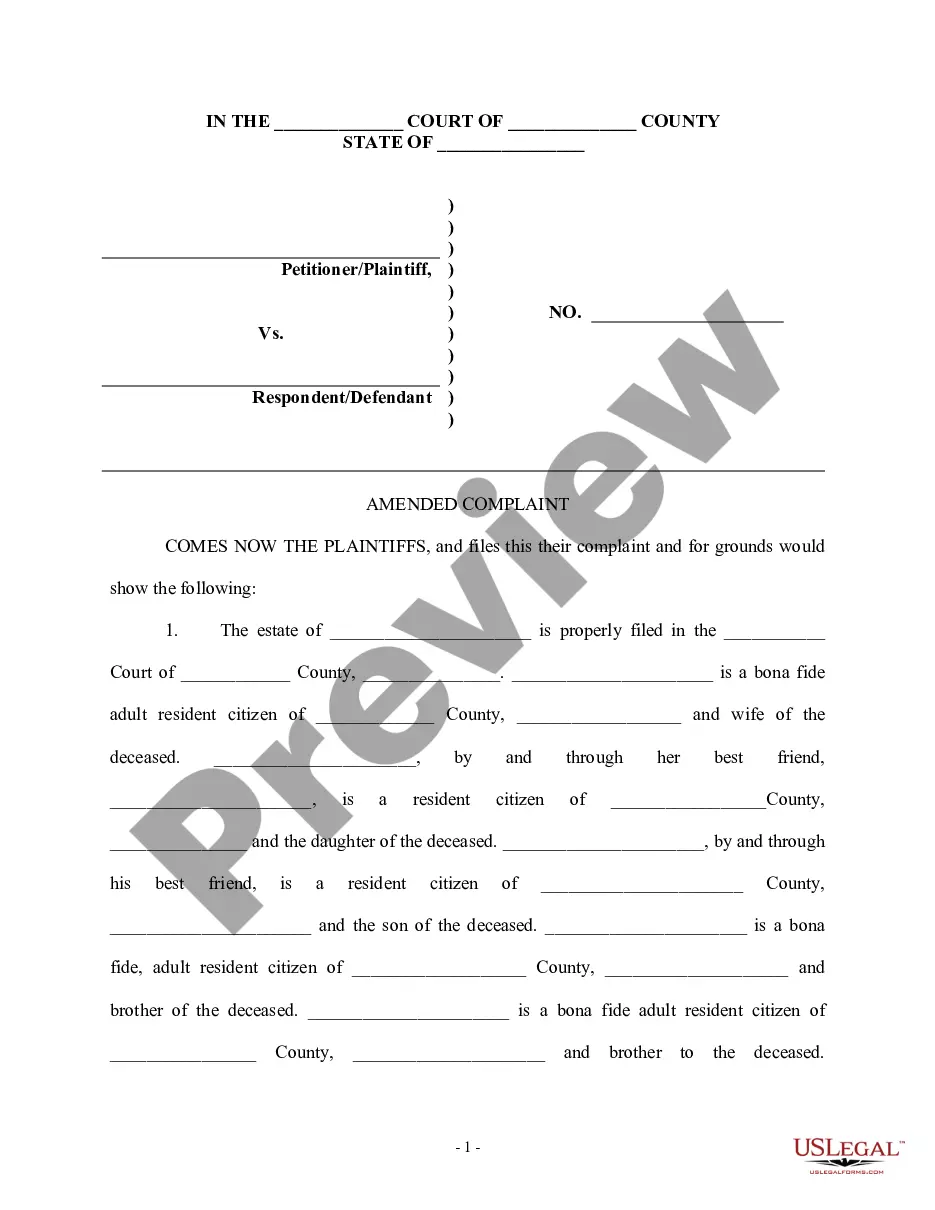
Get your form ready online
Our built-in tools help you complete, sign, share, and store your documents in one place.
Make edits, fill in missing information, and update formatting in US Legal Forms—just like you would in MS Word.
Download a copy, print it, send it by email, or mail it via USPS—whatever works best for your next step.
Sign and collect signatures with our SignNow integration. Send to multiple recipients, set reminders, and more. Go Premium to unlock E-Sign.
If this form requires notarization, complete it online through a secure video call—no need to meet a notary in person or wait for an appointment.
We protect your documents and personal data by following strict security and privacy standards.

Make edits, fill in missing information, and update formatting in US Legal Forms—just like you would in MS Word.

Download a copy, print it, send it by email, or mail it via USPS—whatever works best for your next step.

Sign and collect signatures with our SignNow integration. Send to multiple recipients, set reminders, and more. Go Premium to unlock E-Sign.

If this form requires notarization, complete it online through a secure video call—no need to meet a notary in person or wait for an appointment.

We protect your documents and personal data by following strict security and privacy standards.
Looking for another form?









Form popularity
FAQ
Alternative terms sometimes used include physical assault or physical violence, and may also include sexual abuse. Physical abuse may involve more than one abuser, and more than one victim.
What's the difference between physical harassment and physical assault? Physical assault involves a direct physical attack, while physical harassment encompasses persistent negative pressure over time. Both constitute harmful behavior, but assault is typically a discrete event, whereas harassment is ongoing.
Physical assault is when an individual or a group attacks a person physically, with or without the use of a weapon, or threatens to hurt that person.
The first form of non-physical domestic violence is emotional abuse. Emotional abuse can take many forms, including verbal insults, intimidation, and isolation from family and friends. Sufferers of emotional abuse may suffer from low self-esteem, anxiety, and depression and may feel trapped in their relationship.
Alternative terms sometimes used include physical assault or physical violence, and may also include sexual abuse. Physical abuse may involve more than one abuser, and more than one victim.
Assault is frequently referred to as an attempt to commit battery, which is the deliberate use of physical force against another person. The deliberate inflicting of fear, apprehension, or terror is another definition of assault that can be found in several legal systems.
An assault is a specific criminal offence whereas domestic violence is a type of harmful behaviour, often but not always an assault, by one person against another person with whom they have or have had a particular type of relationship. For example, they may be partners, ex-partners, parent and child or siblings.
Physical assault is when an individual or a group attacks a person physically, with or without the use of a weapon, or threatens to hurt that person. It can include scratching, pushing, kicking, punching, throwing things, using weapons or physically restraining another person.
Examples: Assault, battery, robbery, mugging, stalking, harassment. Military sexual trauma (MST) is a subset of personal trauma and refers to sexual harassment, sexual assault, or rape that occurs during military service.
Types of assault Common assault: when someone uses force, such as pushing or slapping, or makes threats of violence. (This doesn't have to involve physical violence.) Actual bodily harm (ABH): when someone is hurt or injured as a result of an assault.
