Second Amendment Rights And Powers In North Carolina
Description


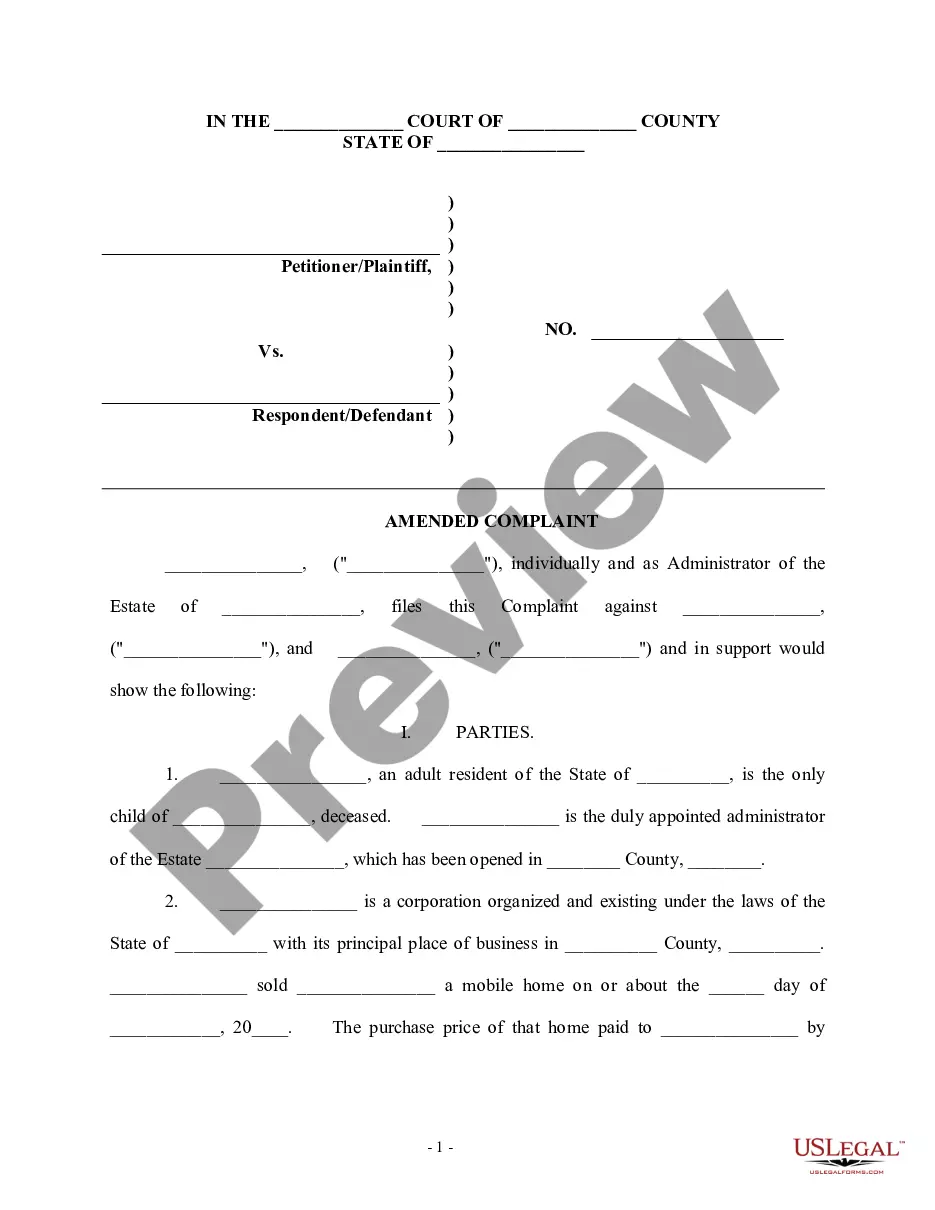
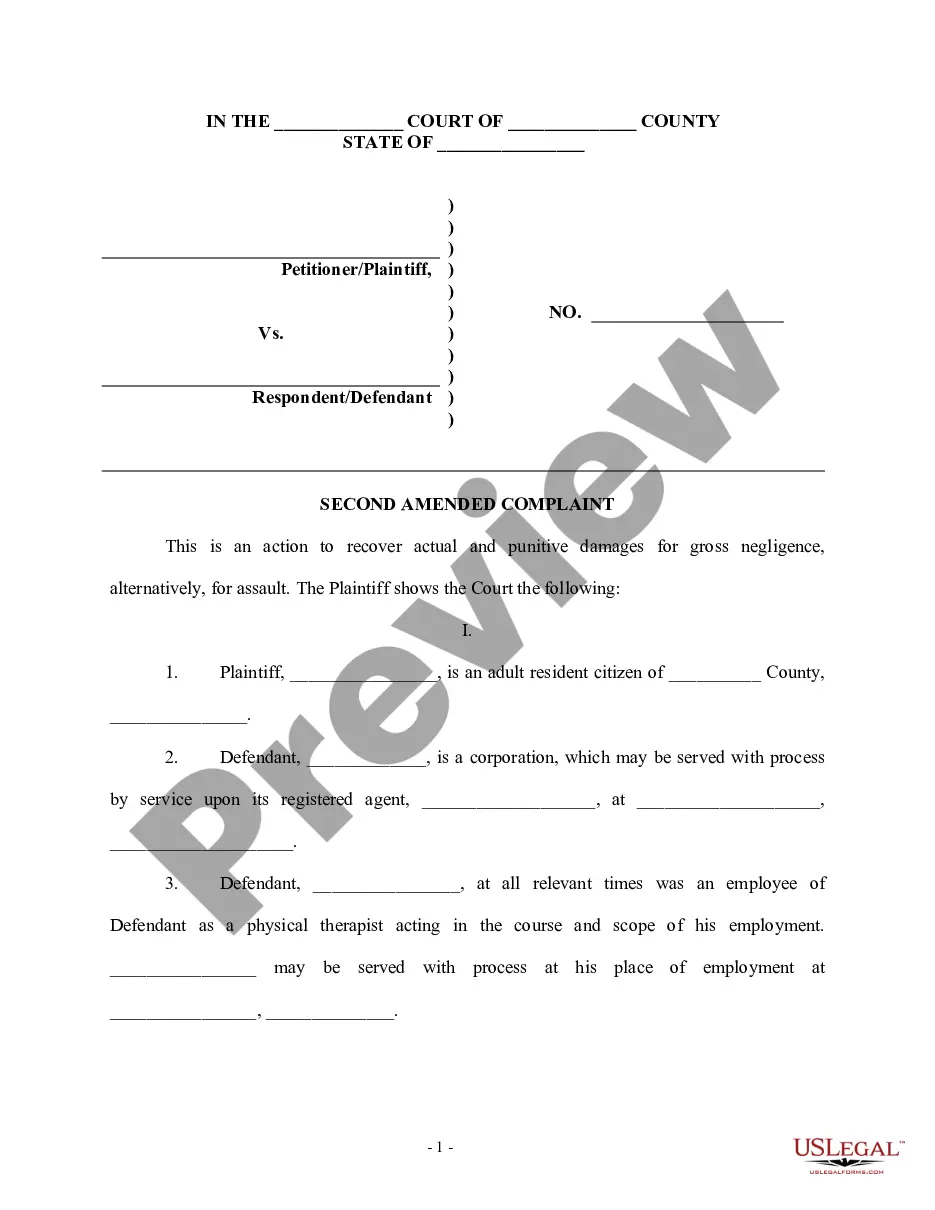
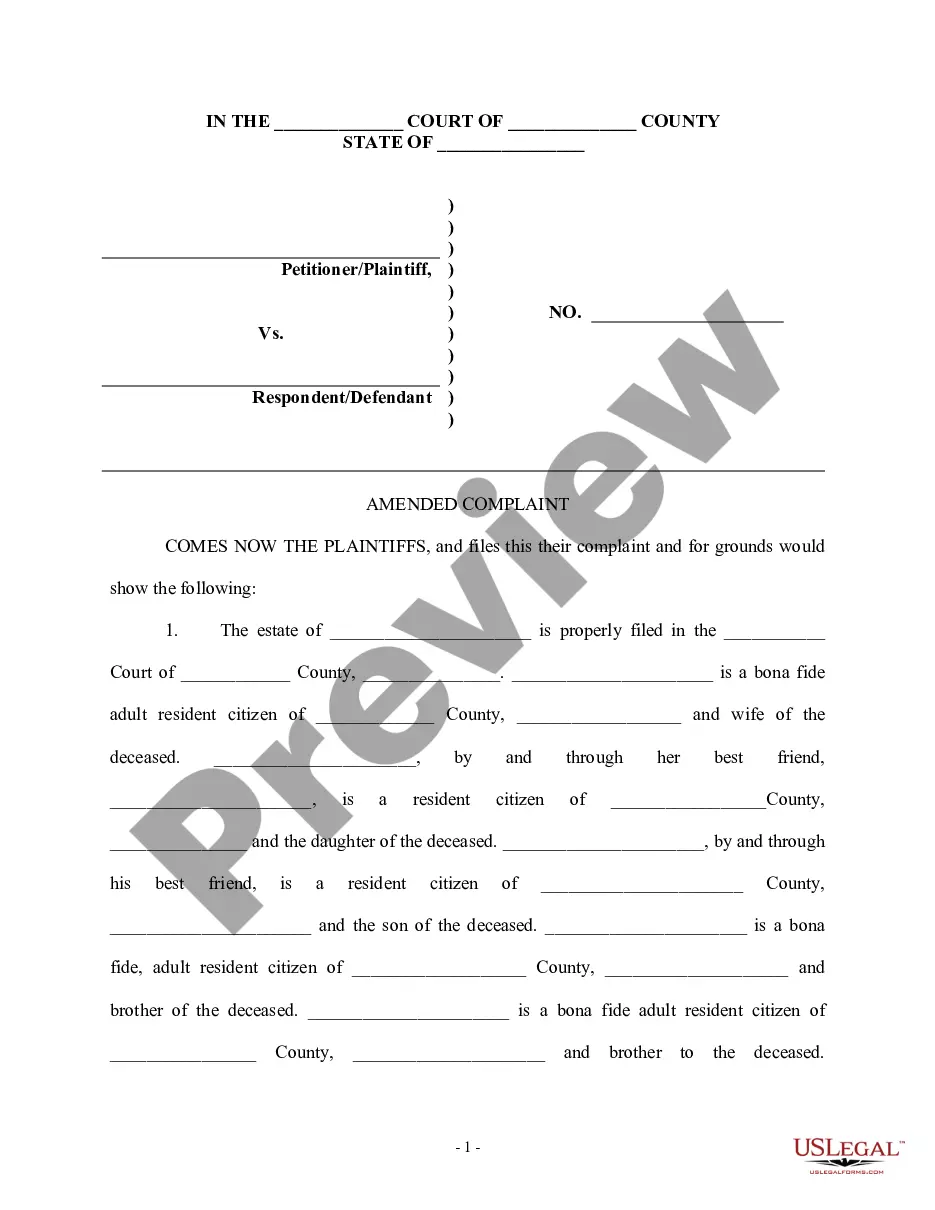
Get your form ready online
Our built-in tools help you complete, sign, share, and store your documents in one place.
Make edits, fill in missing information, and update formatting in US Legal Forms—just like you would in MS Word.
Download a copy, print it, send it by email, or mail it via USPS—whatever works best for your next step.
Sign and collect signatures with our SignNow integration. Send to multiple recipients, set reminders, and more. Go Premium to unlock E-Sign.
If this form requires notarization, complete it online through a secure video call—no need to meet a notary in person or wait for an appointment.
We protect your documents and personal data by following strict security and privacy standards.

Make edits, fill in missing information, and update formatting in US Legal Forms—just like you would in MS Word.

Download a copy, print it, send it by email, or mail it via USPS—whatever works best for your next step.

Sign and collect signatures with our SignNow integration. Send to multiple recipients, set reminders, and more. Go Premium to unlock E-Sign.

If this form requires notarization, complete it online through a secure video call—no need to meet a notary in person or wait for an appointment.

We protect your documents and personal data by following strict security and privacy standards.
Looking for another form?







Form popularity
FAQ
As Justice Scalia pointed out in Heller, a militia is, therefore, a "subset of 'the people. '" This, he argued, creates a strong presumption that the Second Amendment right is an individual one that belongs to all Americans rather than a right only for those who serve in a militia.
The Declaration of Rights provided for the basic rights of North Carolinians, including popular sovereignty, separation of powers, and freedom of religion. The Ordinances of the Convention was used in conjunction with the state constitution to provide for the basic legal structure of North Carolina's government.
The following people are not allowed to own or possess a firearm in North Carolina: Anyone who has been convicted of a felony (except antitrust violations, unfair trade practices, or restraints of trade) A person who has been acquitted by reason of insanity of a felony or a misdemeanor assault by pointing a gun.
The Second Amendment does not guarantee: (i) weapons of indiscriminate destructiveness such as cannons, (2) any right of violent felons or of other felons whom legislatures reasonably identify as likely to misuse weapons.
Amendment Two to the Constitution was ratified on December 15, 1791. It protects the right for Americans to possess weapons for the protection of themselves, their rights, and their property.
Importantly, the Supreme Court has clearly stated that the Second Amendment does not protect assault weapons. District of Columbia v. Heller, 554 U.S. 570, 624-25, 627-28 (2008).
Summary of North Carolina Gun Laws Open carry is legal in North Carolina without a permit. Counties may regulate the display of firearms on public roads, sidewalks, alleys or other public property. The minimum age is 18 years old. Some areas are off-limits, including schools and the State Capitol grounds.
Article I of the North Carolina Constitution is entitled "Declaration of Rights," There are 38 sections to this article, each outlining a separate recognized right.
From: NC Firearm Laws & Permits - NC Sheriffs' Association Note: In NC you can carry the firearm loaded and in your vehicle without any type of permit/license as long as it is visible. The law says you can't conceal it. So keep it in the open and you are legal.