Physical Abuse For Elderly In New York
Description

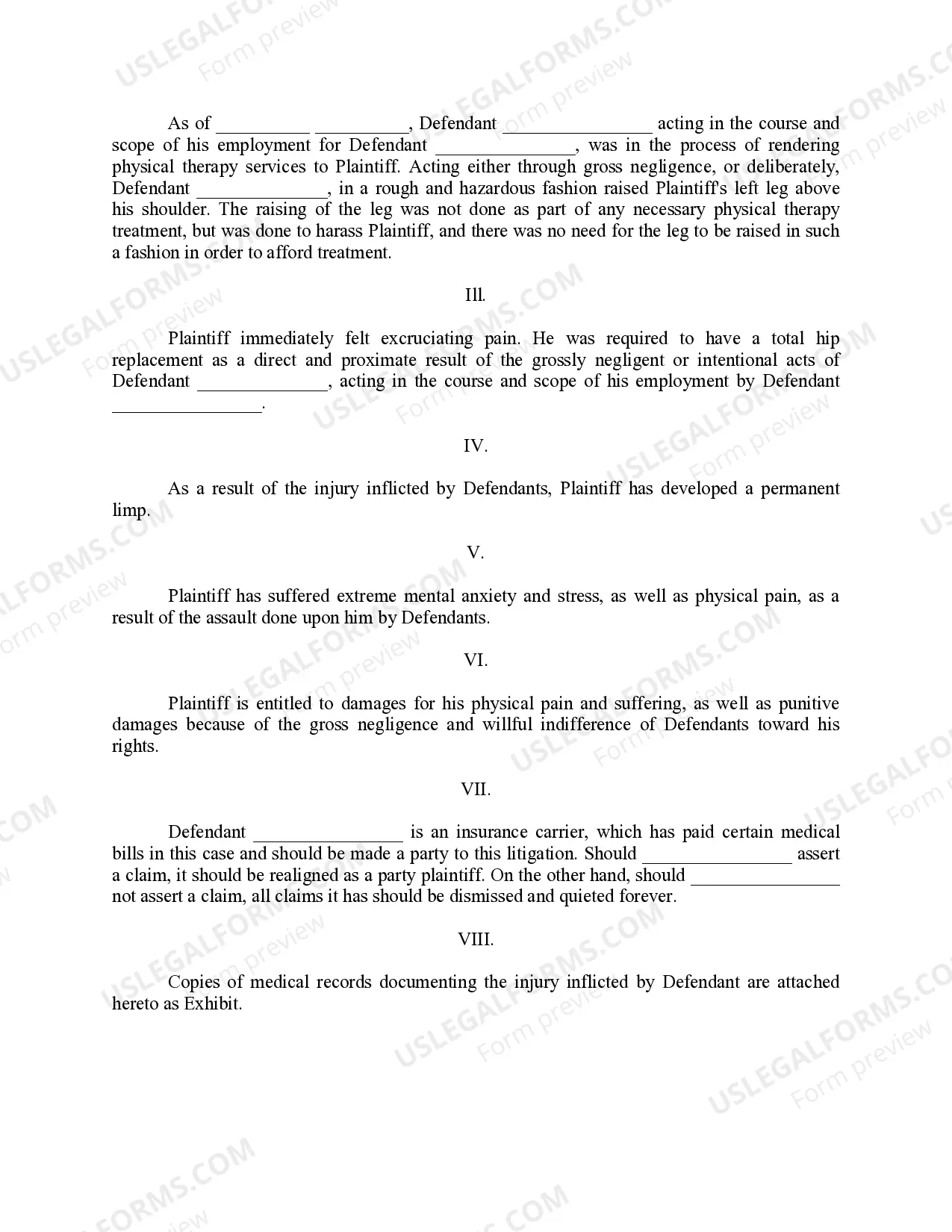
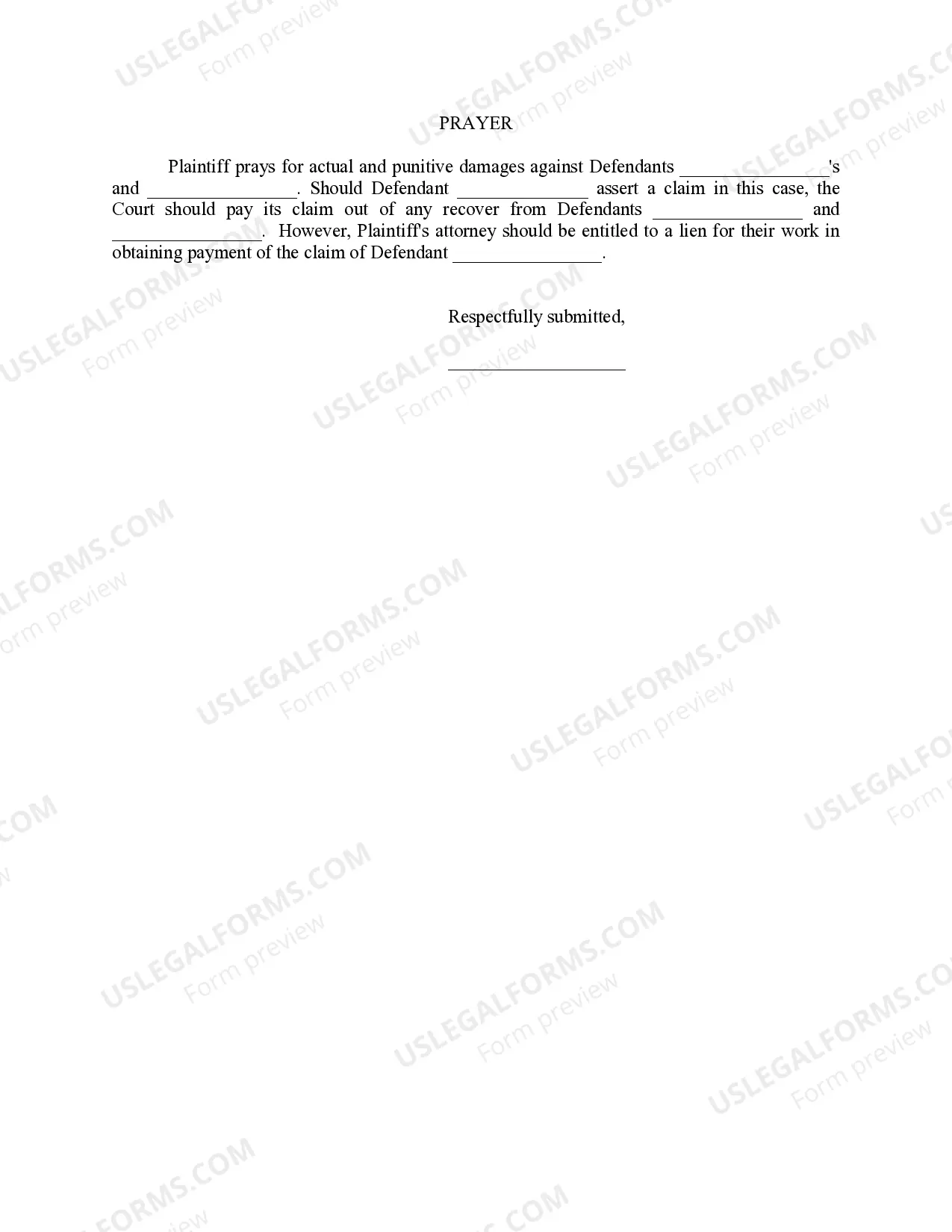

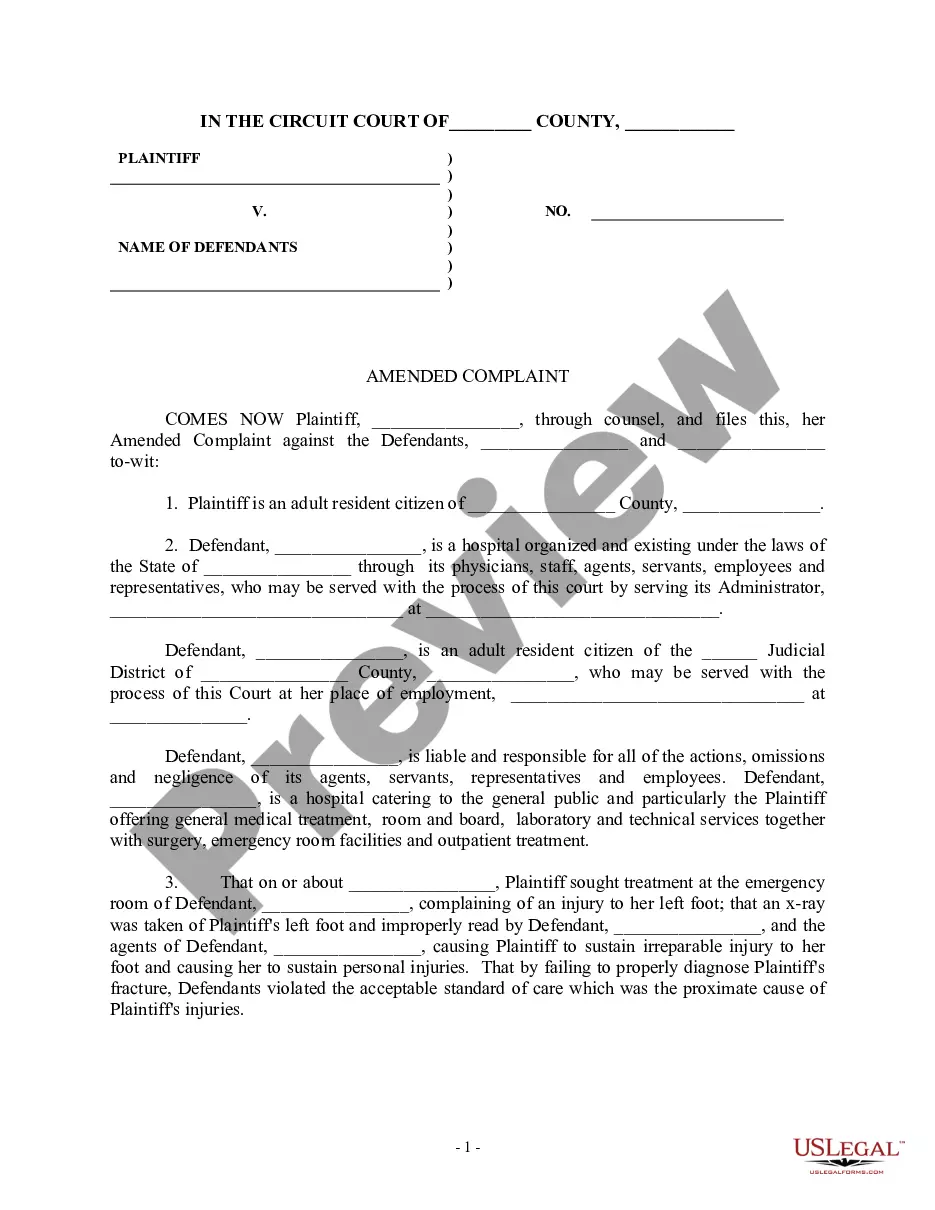
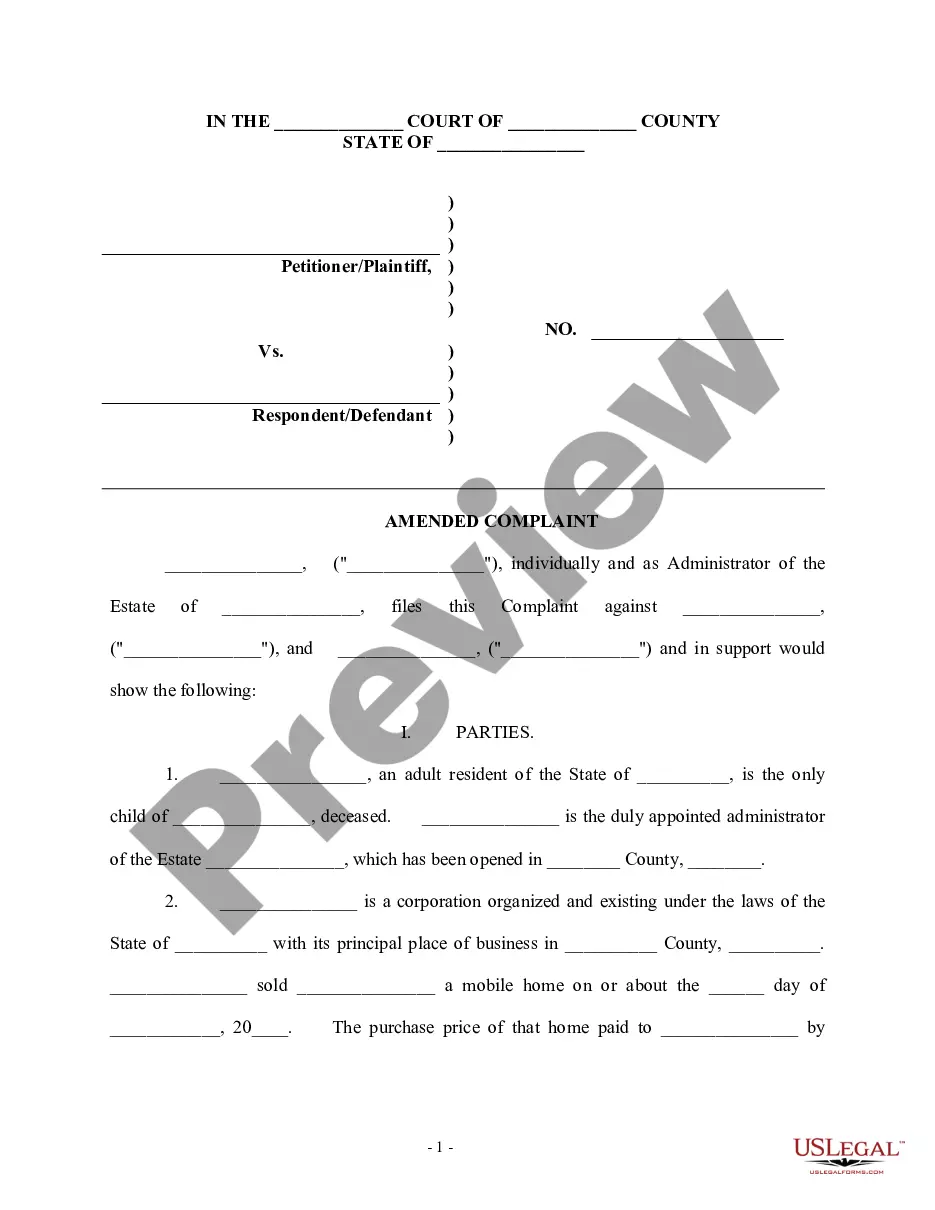
Get your form ready online
Our built-in tools help you complete, sign, share, and store your documents in one place.
Make edits, fill in missing information, and update formatting in US Legal Forms—just like you would in MS Word.
Download a copy, print it, send it by email, or mail it via USPS—whatever works best for your next step.
Sign and collect signatures with our SignNow integration. Send to multiple recipients, set reminders, and more. Go Premium to unlock E-Sign.
If this form requires notarization, complete it online through a secure video call—no need to meet a notary in person or wait for an appointment.
We protect your documents and personal data by following strict security and privacy standards.

Make edits, fill in missing information, and update formatting in US Legal Forms—just like you would in MS Word.

Download a copy, print it, send it by email, or mail it via USPS—whatever works best for your next step.

Sign and collect signatures with our SignNow integration. Send to multiple recipients, set reminders, and more. Go Premium to unlock E-Sign.

If this form requires notarization, complete it online through a secure video call—no need to meet a notary in person or wait for an appointment.

We protect your documents and personal data by following strict security and privacy standards.
Looking for another form?







Form popularity
FAQ
Child. Abuse. Understand your duty to report suspected child abuse or neglect. Domestic. Violence. Make sure you understand how to report intimate partner violence. Elder/Dependent. Adult Abuse. Find training for reporters of elder abuse in your state. Animal. Cruelty.
An abuse of process claim can only be brought for improperly using process after the process is issued. There needs to be an unlawful interference with person or property under color of process or order. The person who activates the process must be acting with a purpose to do harm and must not have a justification.
New York law defines domestic violence as a pattern of coercive behavior used by one person to gain control over another person in an intimate relationship. This can include physical violence, sexual violence, emotional abuse, and economic abuse.
The following definitions are from New York State Social Services Law Section 473: Physical Abuse. Non-accidental use of force that results in bodily injury, pain, or impairment. This includes, but is not limited to, being slapped, burned, cut, bruised, or improperly physically restrained. Sexual Abuse.
Elder abuse is perpetrated by a trusted individual and can be financial, physical, emotional/psychological, sexual, and caregiver neglect. To support those impacted by elder abuse, NYC Aging partners with community-based Elder Justice programs in each borough who provide services and support.
In California, elder abuse charges can lead to the following: A fine of $2,500 or to six-digit values. Imprisonment in county jail (for misdemeanors) Incarceration in state prison (for felonies)
The Family Court Act of the state of New York defines child neglect or abuse as the act, or failure to act, by any parent or caretaker that results in the death, serious physical or emotional harm, sexual abuse, or exploitation of a child under the age of 18.
Of the 72 articles identified, 13 articles focused on primary prevention (agism, education, and intervention), 35 articles focused on secondary prevention (developing and evaluating screening tools, identifying and reporting abuse, and barriers to detecting and reporting abuse), and 21 focused on tertiary prevention ( ...
Prevention Listen to older adults to understand their challenges and provide support. Educate yourself and others about how to recognize and report abuse. Learn how the signs of abuse differ from the normal aging process. Check-in on older adults who may have few friends and family members.
California Adult Protective Service Agency: call (833) 401-0832 or visit the APS website for a list of county APS contacts. Attorney General's Elder and Dependent Adult Abuse Hotline: (888) 436-3600. Long-Term Care Ombudsman/CRISISline: (800) 231-4024.
