Amended Trial Information In Minnesota
Description


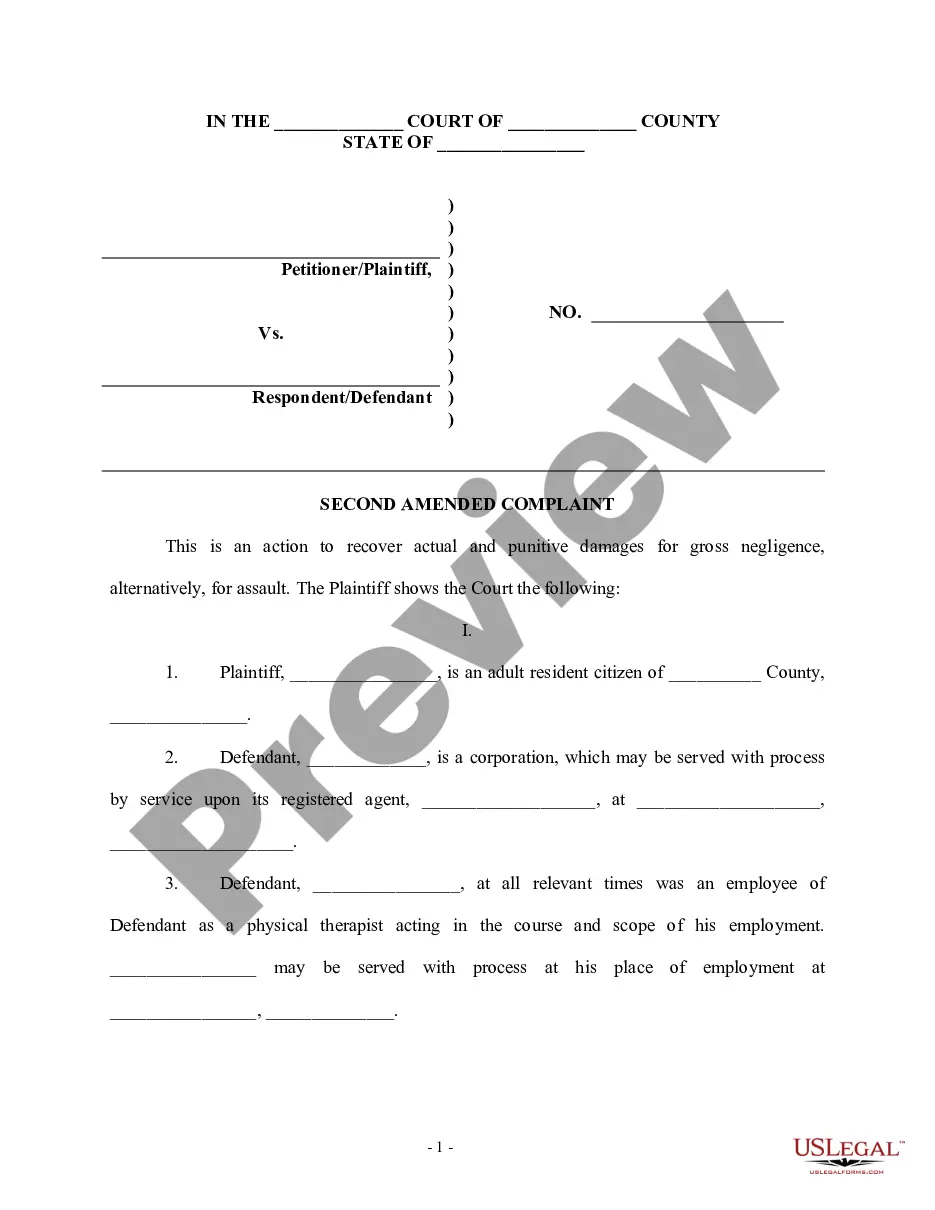
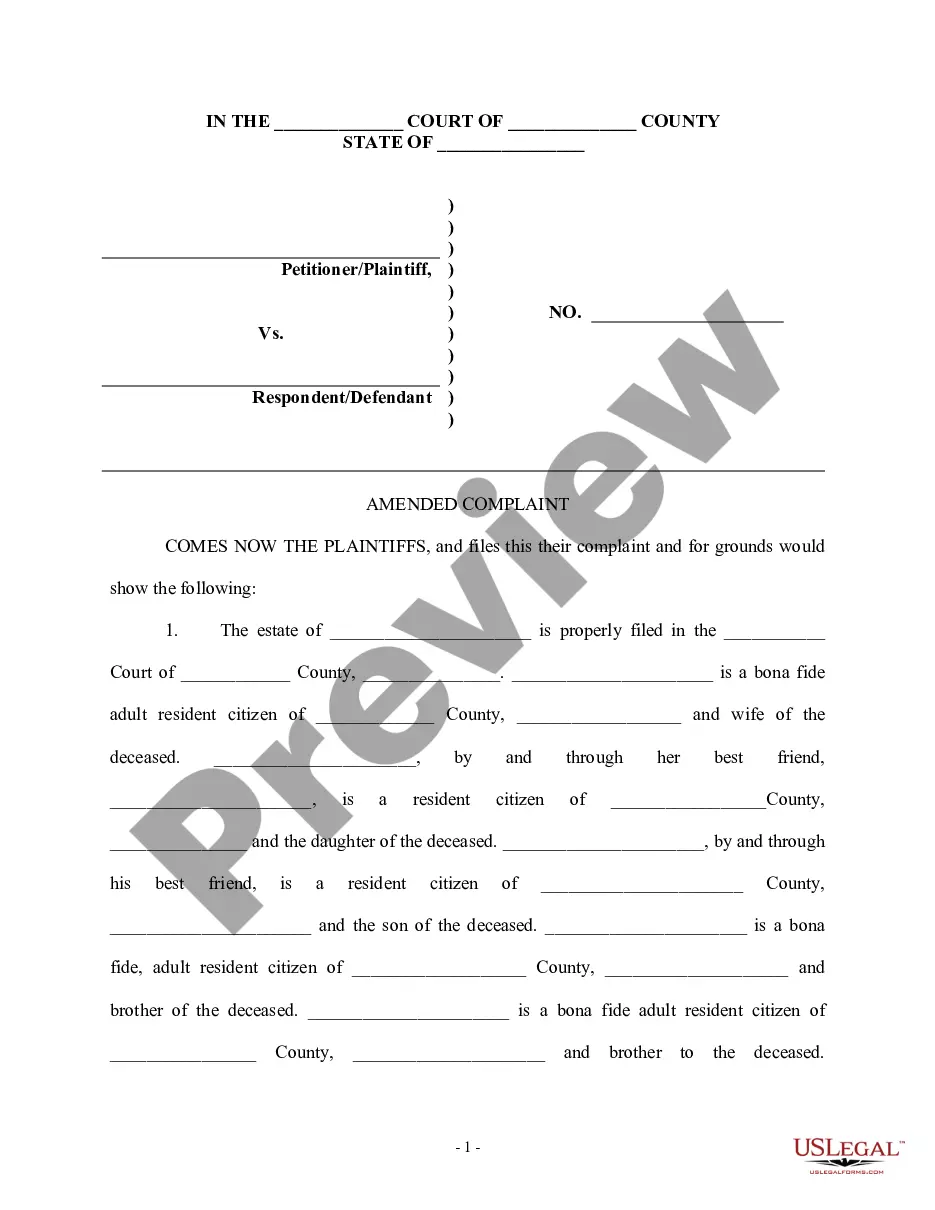
Get your form ready online
Our built-in tools help you complete, sign, share, and store your documents in one place.
Make edits, fill in missing information, and update formatting in US Legal Forms—just like you would in MS Word.
Download a copy, print it, send it by email, or mail it via USPS—whatever works best for your next step.
Sign and collect signatures with our SignNow integration. Send to multiple recipients, set reminders, and more. Go Premium to unlock E-Sign.
If this form requires notarization, complete it online through a secure video call—no need to meet a notary in person or wait for an appointment.
We protect your documents and personal data by following strict security and privacy standards.

Make edits, fill in missing information, and update formatting in US Legal Forms—just like you would in MS Word.

Download a copy, print it, send it by email, or mail it via USPS—whatever works best for your next step.

Sign and collect signatures with our SignNow integration. Send to multiple recipients, set reminders, and more. Go Premium to unlock E-Sign.

If this form requires notarization, complete it online through a secure video call—no need to meet a notary in person or wait for an appointment.

We protect your documents and personal data by following strict security and privacy standards.
Looking for another form?









Form popularity
FAQ
You are considered a Minnesota resident for tax purposes if both apply: You spend at least 183 days in Minnesota during the year. Any part of a day counts as a full day. You or your spouse rent, own, maintain, or occupy an abode.
(a) Making an Offer; Judgment on an Accepted Offer. At least 14 days before the date set for trial, a party defending against a claim may serve on an opposing party an offer to allow judgment on specified terms, with the costs then accrued.
Rule 63. Disability or Disqualification of Judge; Notice to Remove; Assignment of a Judge.
The rule places a ten year limit on the admissibility of convictions. This limitation is based on the assumption that after such an extended period of time the conviction has lost its probative value on the issue of credibility.
Rule 69. In aid of the judgment or execution, the judgment creditor, or successor in interest when that interest appears of record, may obtain discovery from any person, including the judgment debtor, in the manner provided by these rules.
7. NEW TRIALS AND AMENDING JUDGMENTS UNDER RULE 59. Summary: The judge may alter or amend the judgment upon motion served not later than 10 days after entry of judgment. Failure to timely serve motion is grounds for its denial. E.g., Garrison ex rel.
The court may permit an information to be amended at any time before verdict or finding if no additional or different offense is charged and if substantial rights of the defendant are not prejudiced. Leave of court is required for the prosecutor to amend.
Altering or amending a judgment refers to a trial court's action of correcting a mistake in a judgment. This can be done by correcting an error of law or fact that was made during the trial.
When we speak of an Amended Judgment, it means that there has been a revision or change to the original judgment. This isn't a total replacement of the original judgment but a modification. The reasons for such amendments can be varied.
New Trial. On a defendant's motion, the court may grant a new trial to that defendant if the interests of justice so require. If trial was by the court without a jury, the court may-on defendant's motion for new trial-vacate the judgment, take additional testimony, and direct the entry of a new judgment.
