Second Amendment Rights For In Middlesex
Description


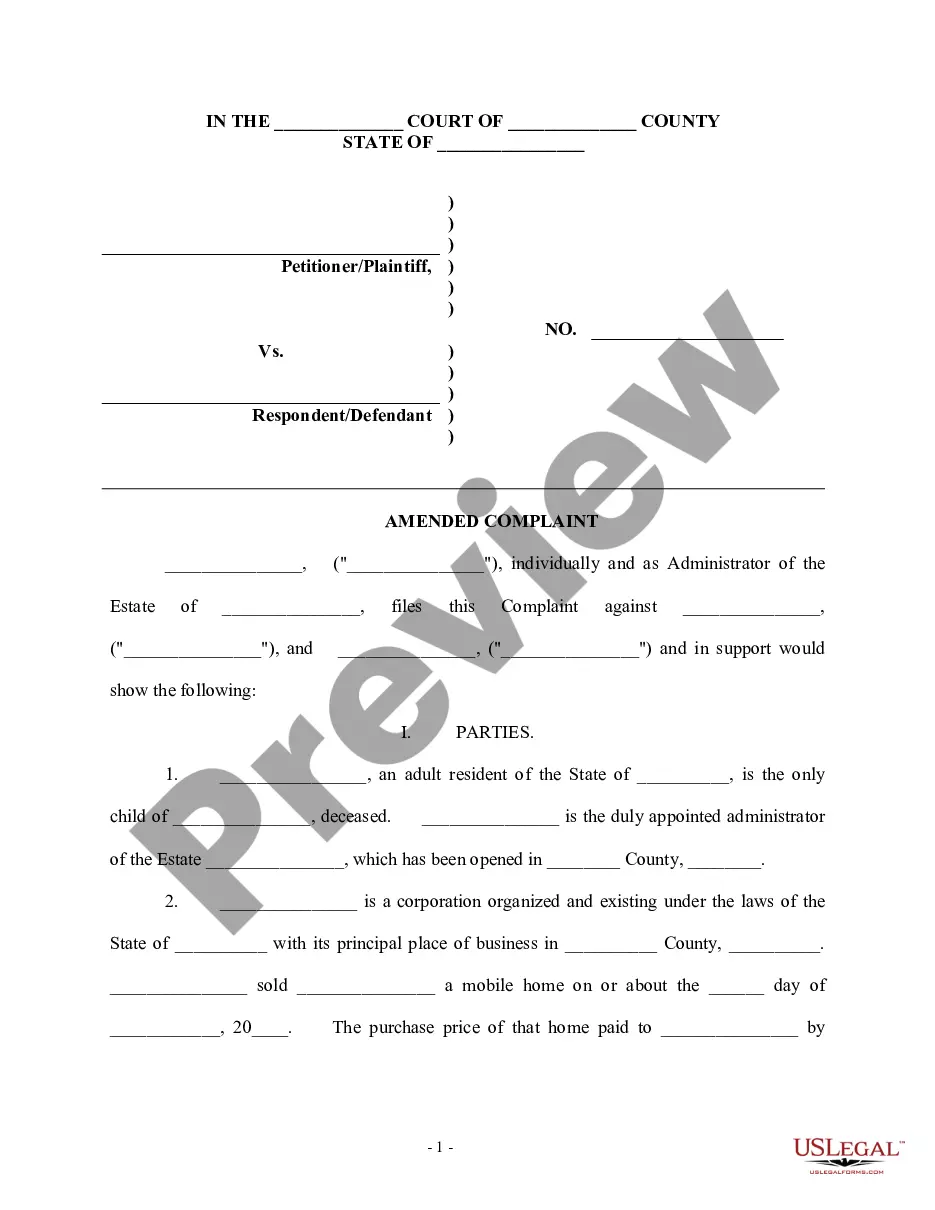
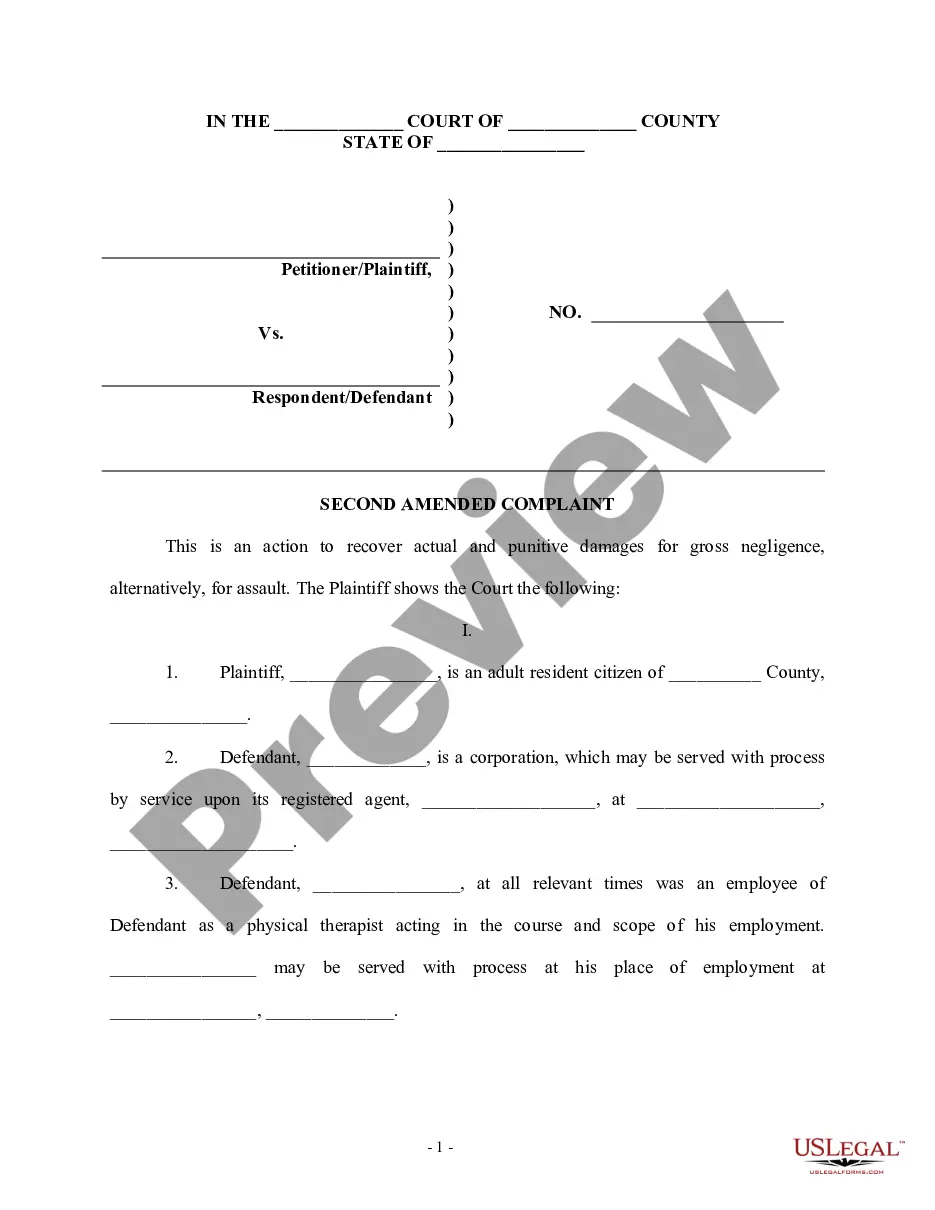
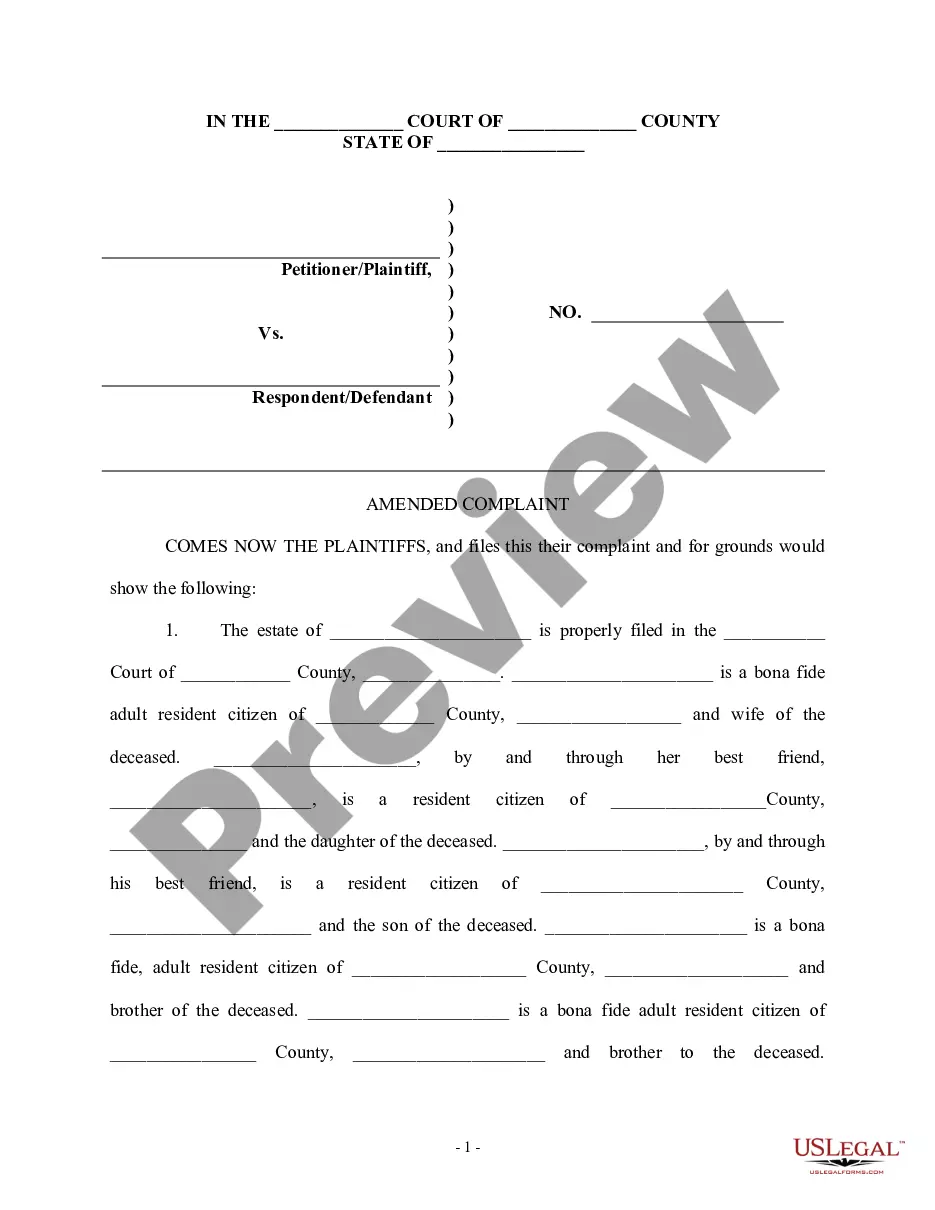
Get your form ready online
Our built-in tools help you complete, sign, share, and store your documents in one place.
Make edits, fill in missing information, and update formatting in US Legal Forms—just like you would in MS Word.
Download a copy, print it, send it by email, or mail it via USPS—whatever works best for your next step.
Sign and collect signatures with our SignNow integration. Send to multiple recipients, set reminders, and more. Go Premium to unlock E-Sign.
If this form requires notarization, complete it online through a secure video call—no need to meet a notary in person or wait for an appointment.
We protect your documents and personal data by following strict security and privacy standards.

Make edits, fill in missing information, and update formatting in US Legal Forms—just like you would in MS Word.

Download a copy, print it, send it by email, or mail it via USPS—whatever works best for your next step.

Sign and collect signatures with our SignNow integration. Send to multiple recipients, set reminders, and more. Go Premium to unlock E-Sign.

If this form requires notarization, complete it online through a secure video call—no need to meet a notary in person or wait for an appointment.

We protect your documents and personal data by following strict security and privacy standards.
Looking for another form?



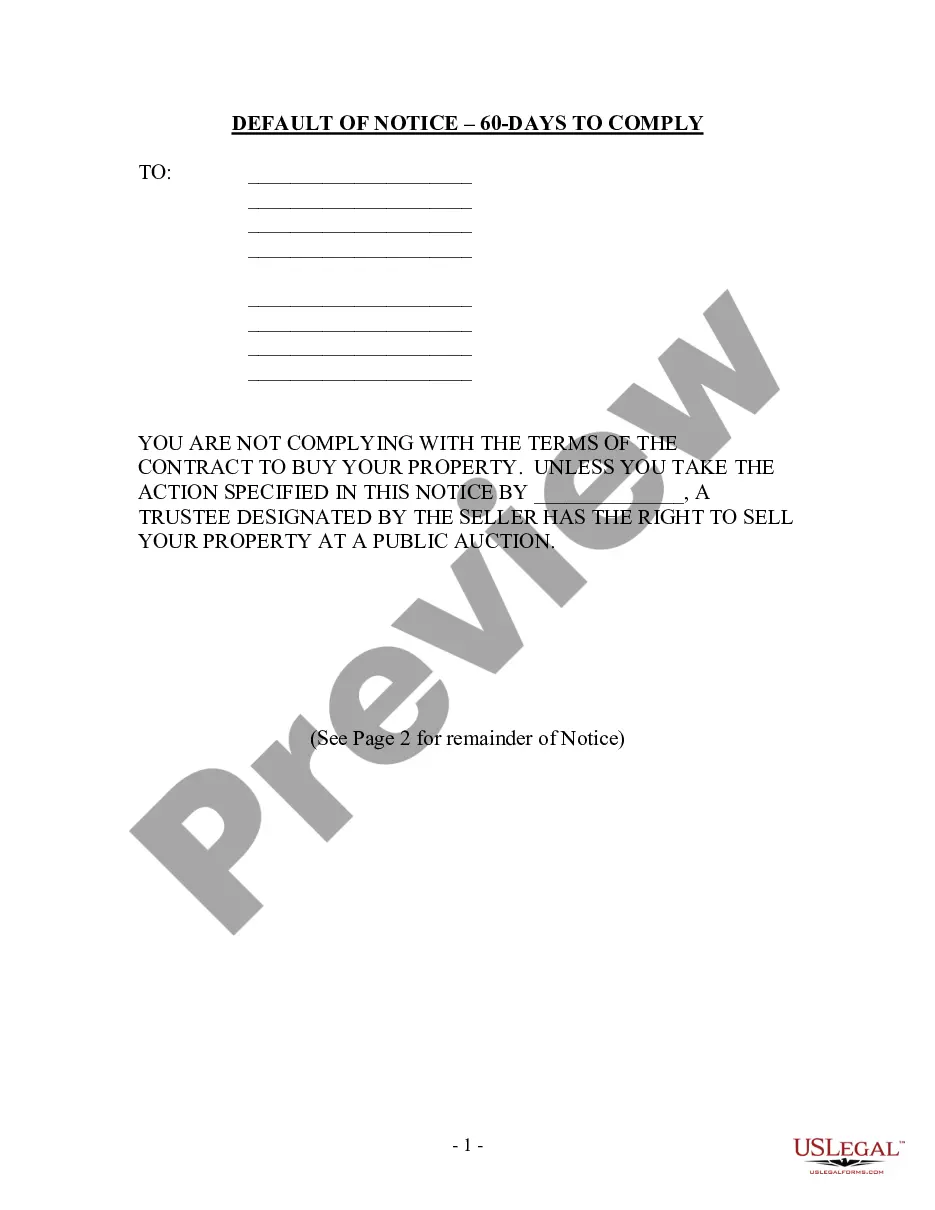




Form popularity
FAQ
In England, following the Glorious Revolution, the Second Amendment's predecessor was codified in the British Bill of Rights in 1689, under its Article VII, which proclaimed “that the subjects which are Protestants may have arms for their defence suitable to their conditions and as allowed by law.” Often misinterpreted ...
The U.S. Second Amendment, ratified in 1791, declares that the right to keep and bear arms “shall not be infringed.” The more limited 1689 English Bill of Rights allowed “subjects” to “have arms for their defence suitable to their conditions and as allowed by law.” Today, there are no conditions under which English ...
Abundant historical evidence indicates that the Second Amendment was meant to leave citizens with the ability to defend themselves against unlawful violence. Such threats might come from usurpers of governmental power, but they might also come from criminals whom the government is unwilling or unable to control.
Our Constitution's framers affirmed our right to bear arms through the Second Amendment for an important reason; to provide Americans with means of protection and self-defense.
During the Constitutional Convention, the Framers understood the necessity of a citizen militia to resist a potentially oppressive military if constitutional order broke down. The Second Amendment codified the individual right to firearm possession to combat this fear.
Carrying a weapon If you're caught illegally carrying a knife or a gun, even an imitation one, you will be arrested and prosecuted.
United Kingdom Ordinary members of the public may own sporting rifles and shotguns, subject to licensing, while handguns, automatic weapons, and semi-automatic weapons other than rimfire rifles in . 22 calibre are illegal to possess without special additional conditions.