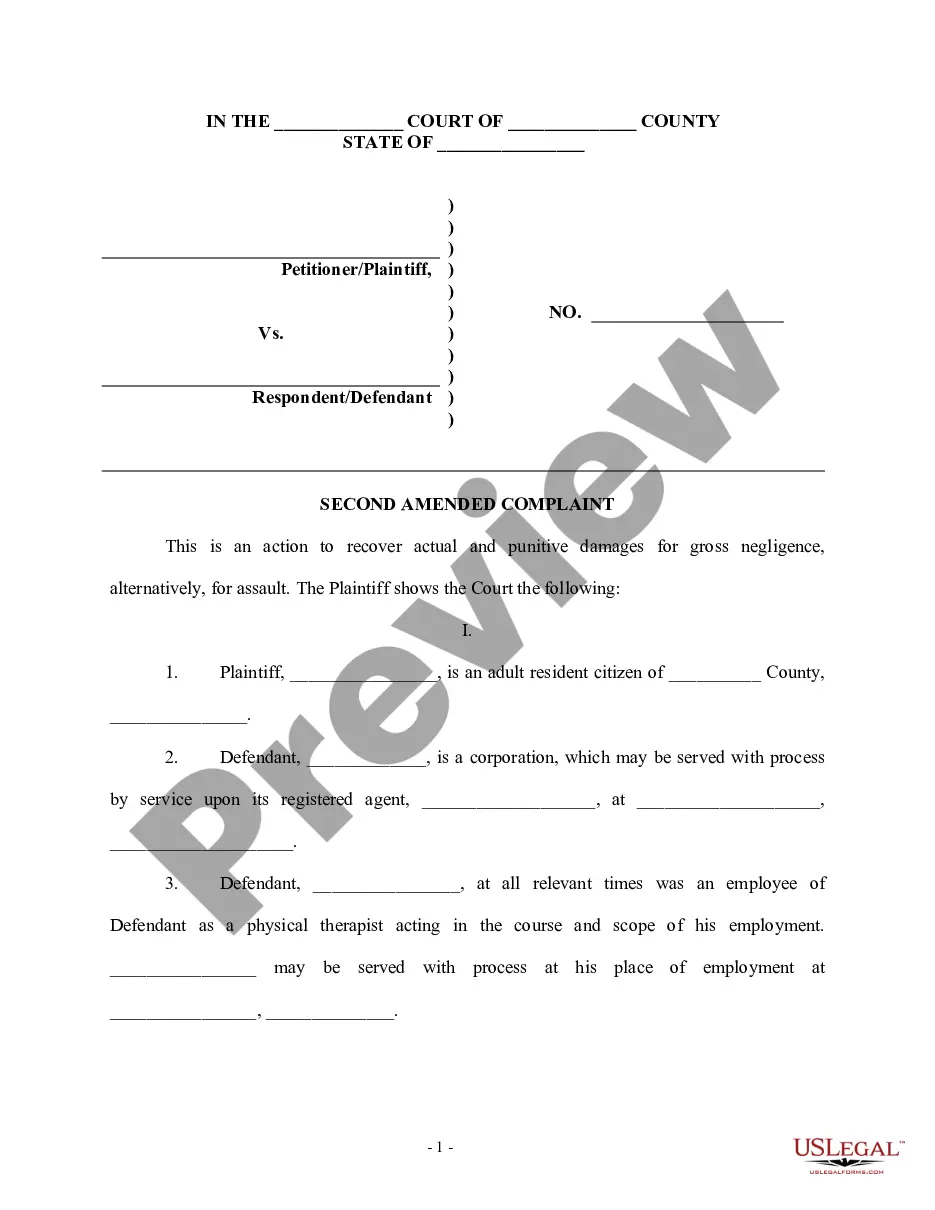
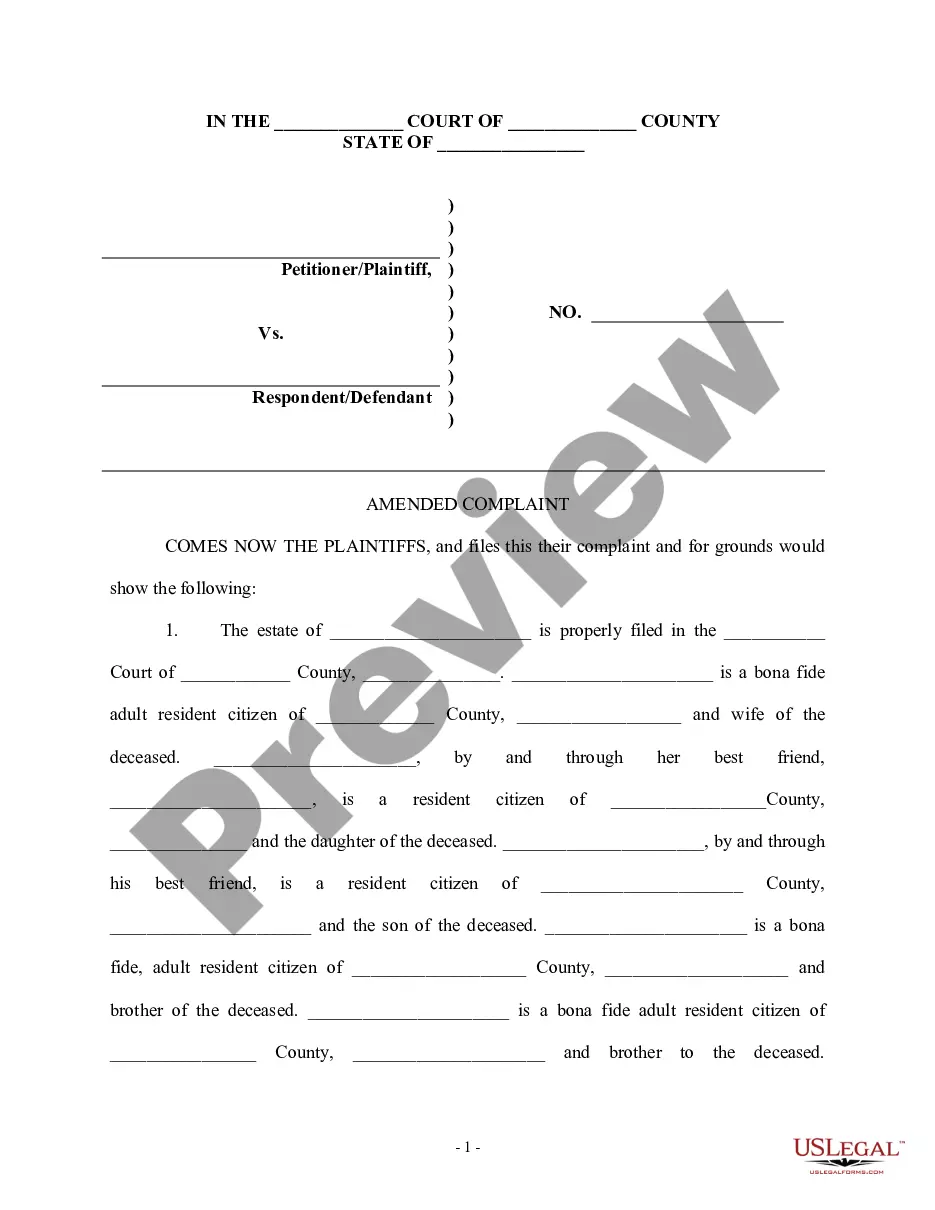
Physical Assault In The Workplace In Middlesex
Description

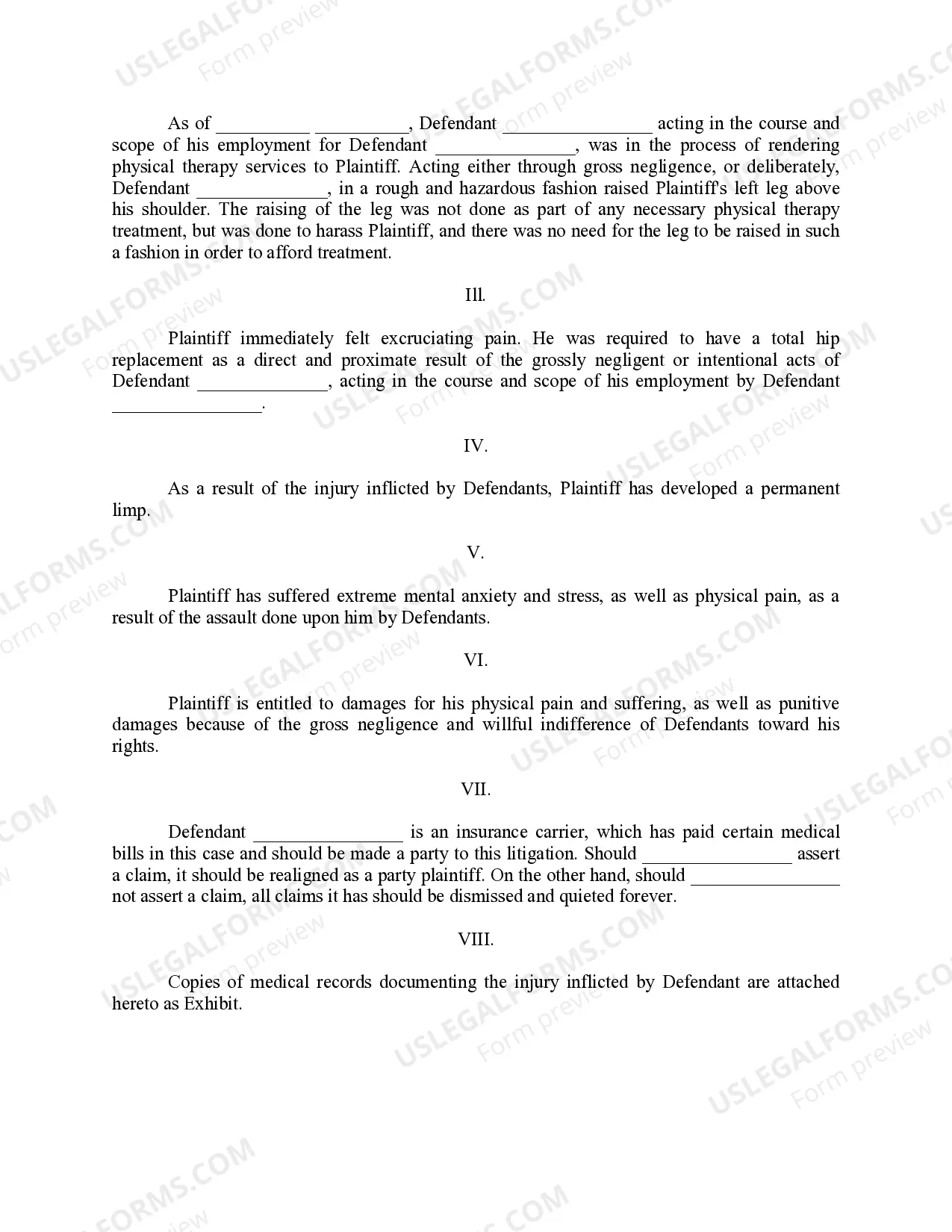
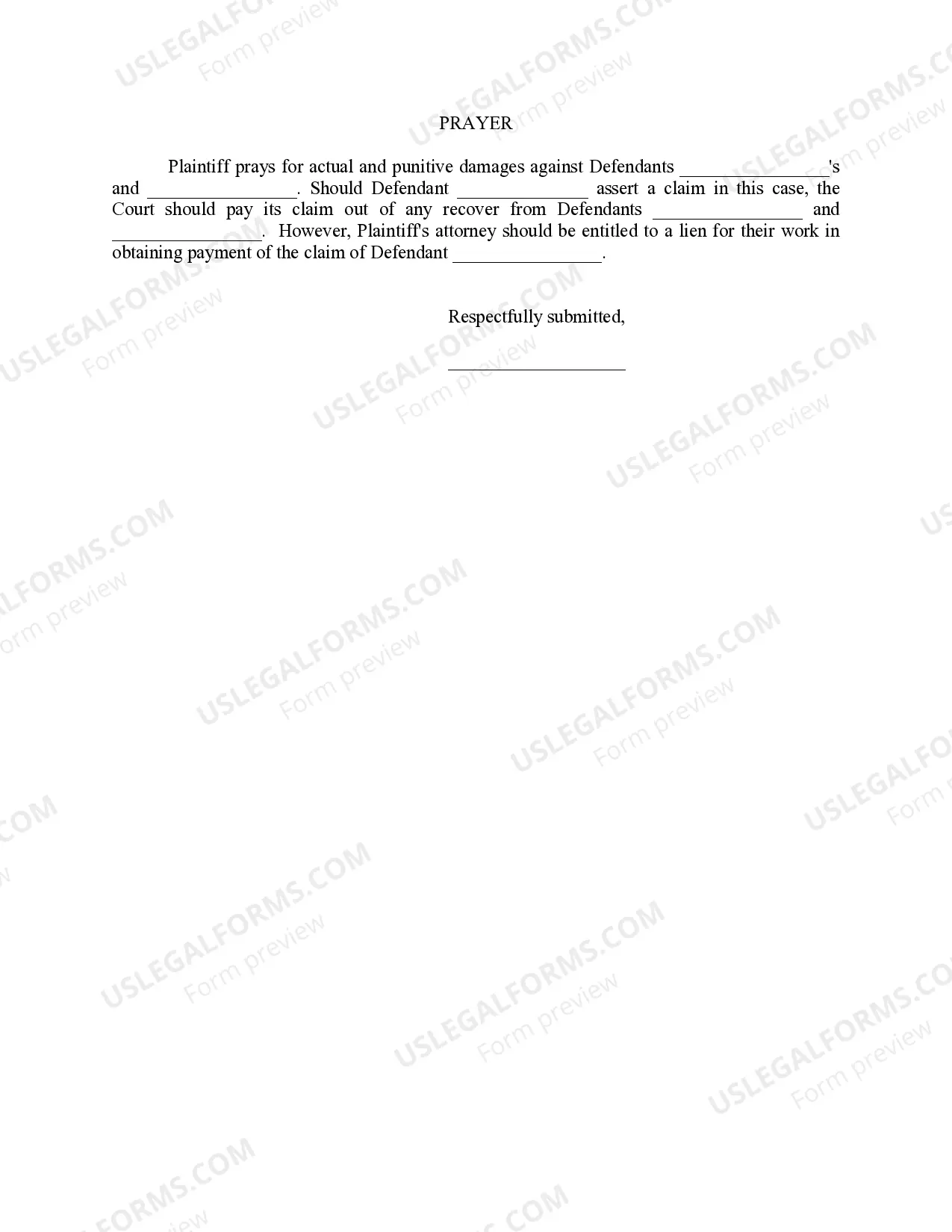

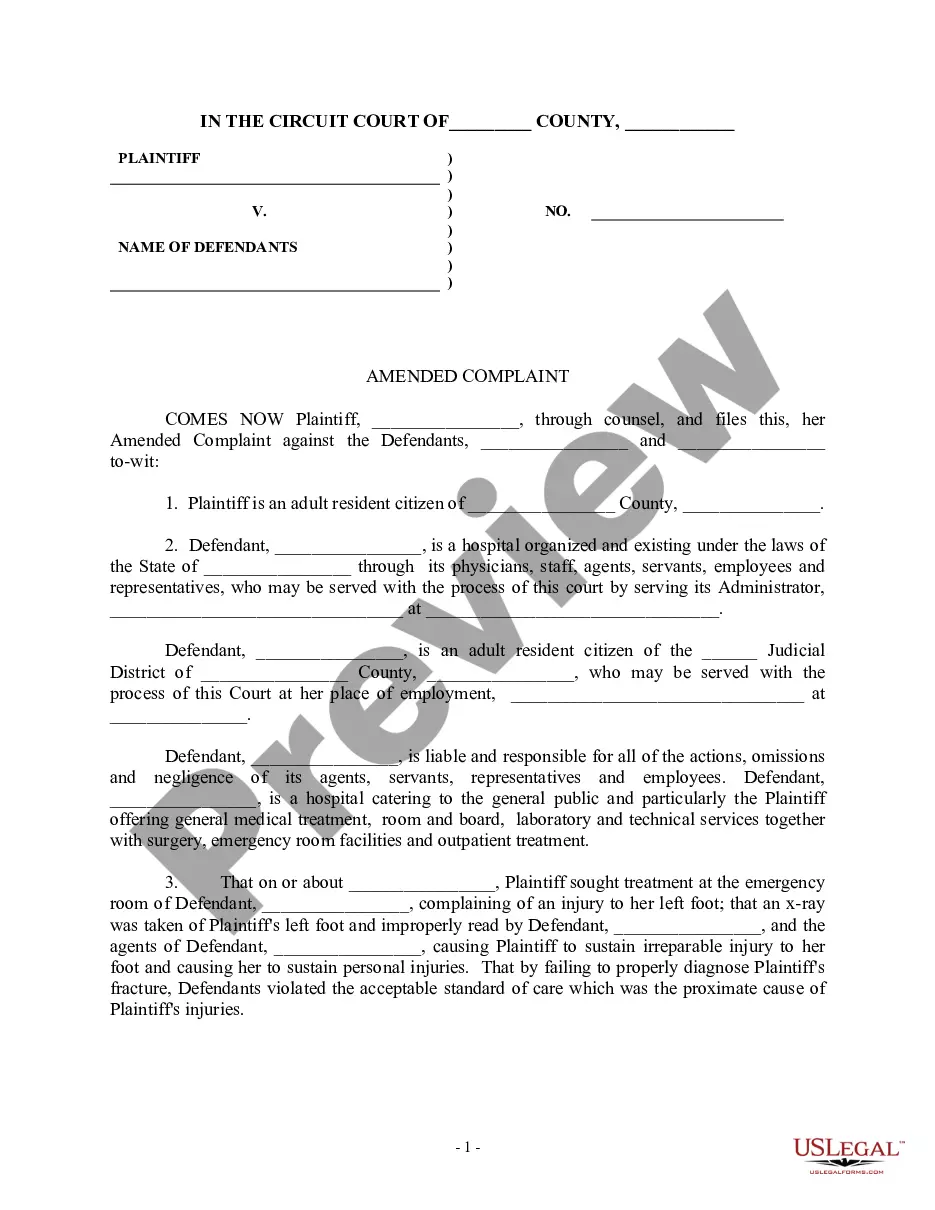
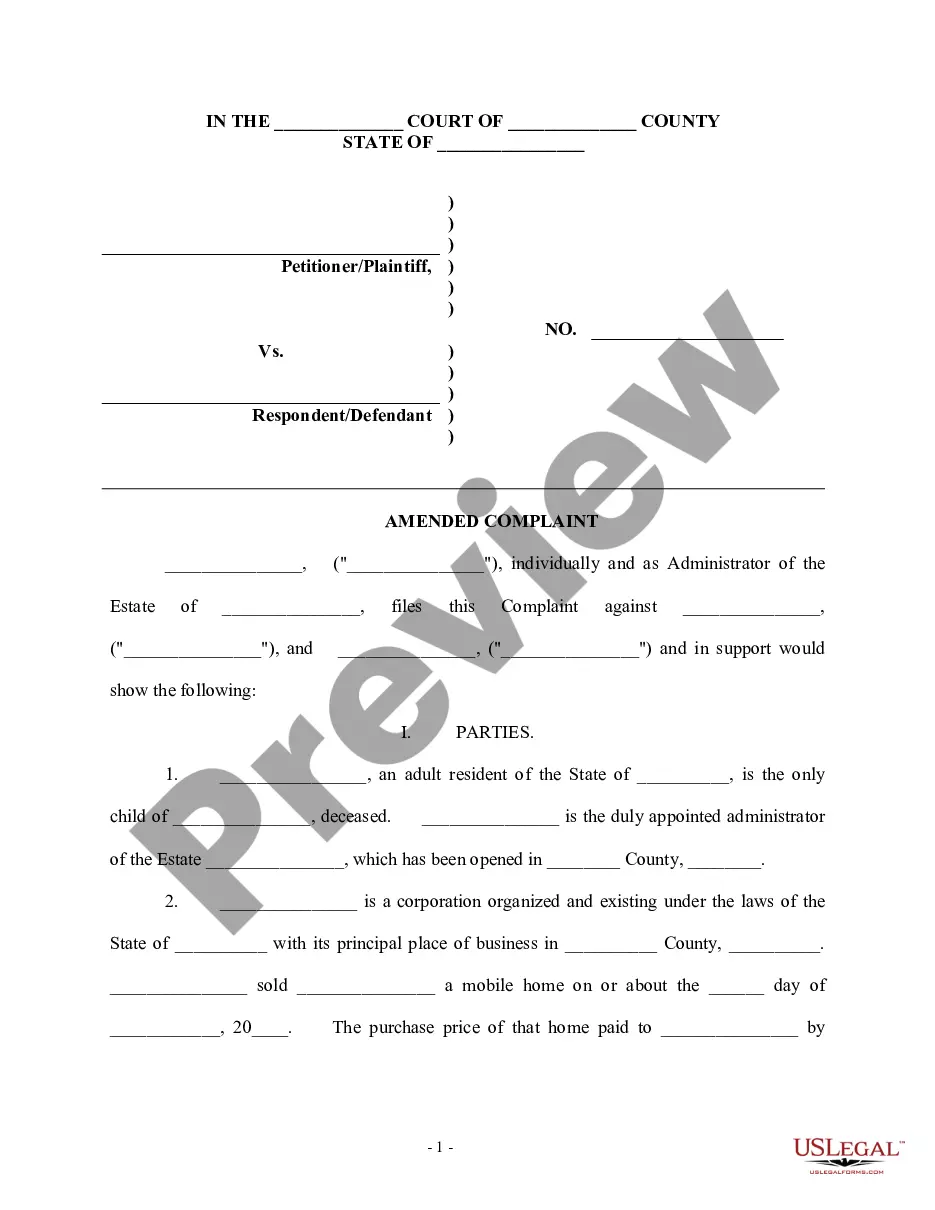
Get your form ready online
Our built-in tools help you complete, sign, share, and store your documents in one place.
Make edits, fill in missing information, and update formatting in US Legal Forms—just like you would in MS Word.
Download a copy, print it, send it by email, or mail it via USPS—whatever works best for your next step.
Sign and collect signatures with our SignNow integration. Send to multiple recipients, set reminders, and more. Go Premium to unlock E-Sign.
If this form requires notarization, complete it online through a secure video call—no need to meet a notary in person or wait for an appointment.
We protect your documents and personal data by following strict security and privacy standards.

Make edits, fill in missing information, and update formatting in US Legal Forms—just like you would in MS Word.

Download a copy, print it, send it by email, or mail it via USPS—whatever works best for your next step.

Sign and collect signatures with our SignNow integration. Send to multiple recipients, set reminders, and more. Go Premium to unlock E-Sign.

If this form requires notarization, complete it online through a secure video call—no need to meet a notary in person or wait for an appointment.

We protect your documents and personal data by following strict security and privacy standards.
Looking for another form?




Form popularity
FAQ
Yes. California permits victims of an assault to sue the person who assaulted them, whether they are co-workers or not. In some cases, the person who committed the assault may be the only one liable.
While employers are generally liable for the actions of their employees, there are some exceptions. One exception is when an employee acts outside the scope of their employment. For example, if an employee assaults someone while off-duty and not on company property, the employer may not be held liable.
Physical abuse in the workplace is any form of physical violence or harm inflicted upon an employee by another person in the workplace. This can include things like hitting, pushing, shoving, or even throwing objects. Physical abuse can also include the use of weapons or the threat of violence.
If you're charged with a crime related to workplace harassment, you could face: Imprisonment, fines, probation, and a criminal record. Restraining orders that prohibit contact with the victim, which, in the case of workplace harassment, may mean you can no longer work in the same office with that person.
Yes, you can sue a business for the acts of their employees, including intentional acts such as assault. In all likelihood there probably been other incidents involving the same store and/or employee. Your attorney will conduct formal discovery to find out if other people have been hurt or asaulted.
The California Department of Fair Employment and Housing (DFEH) investigates and enforces laws related to workplace discrimination, harassment, and retaliation in the state. Under the DFEH you may only have one (1) year to file a claim based on workplace harassment.
Call 911 and other appropriate emergency contacts (such as Federal Protective Service) for that particular facility, particularly if the situation requires immediate medical and/or law enforcement personnel. Remain Calm and Contact supervisor. Secure your personal safety first. Leave the area if your safety is at risk.
You should take legal action through a criminal trial and then file a civil lawsuit for personal injury, lost wages, and punitive damages. It is the responsibility of employers to provide their workers with a safe work environment.
Immediate Steps to Take After a Workplace Assault After being attacked and injured in the workplace, you should: Report the assault. Let your supervisor and your company's human resources department or manager know what has happened. Report it verbally and follow up with a written report.
