Second Amendment Print For Felons In Maricopa
Description


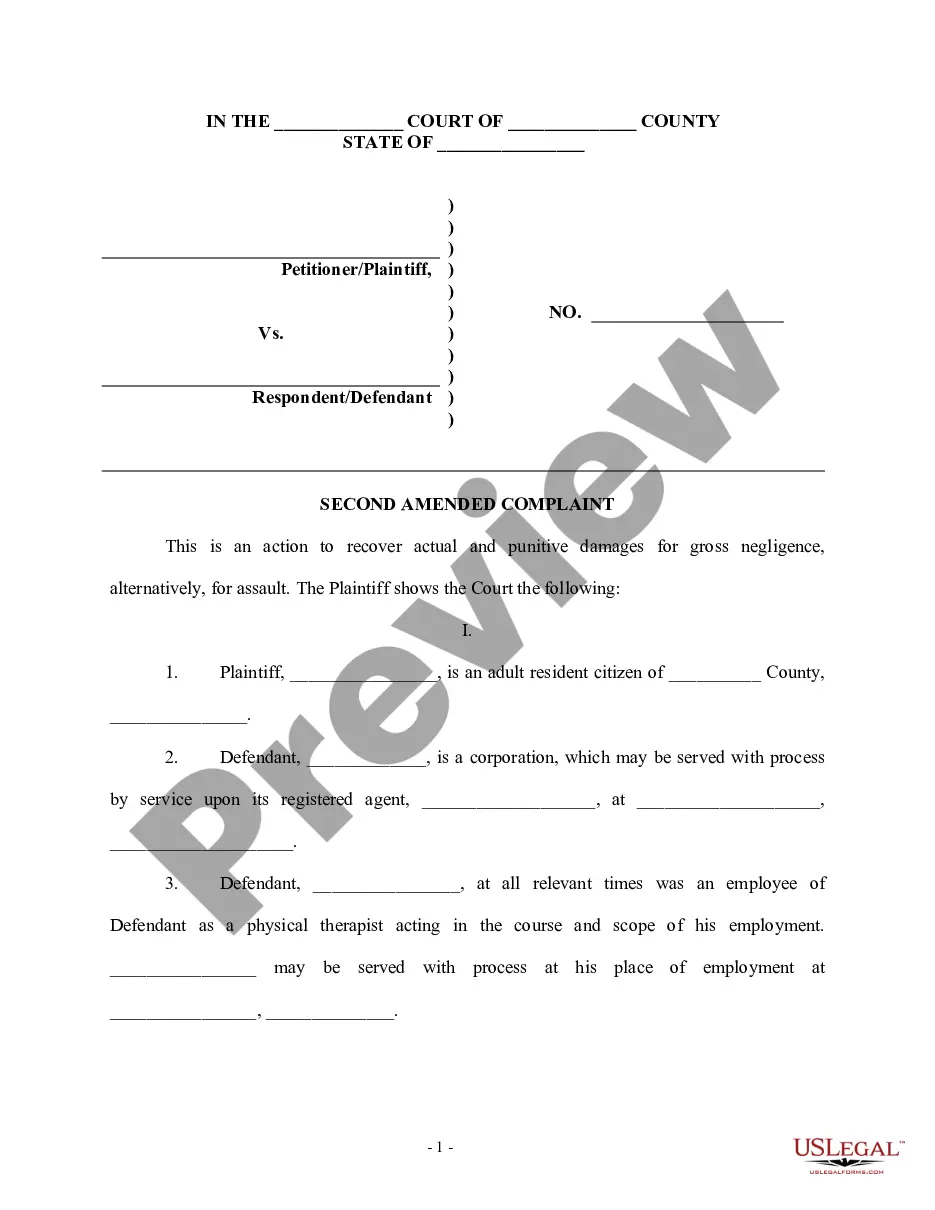
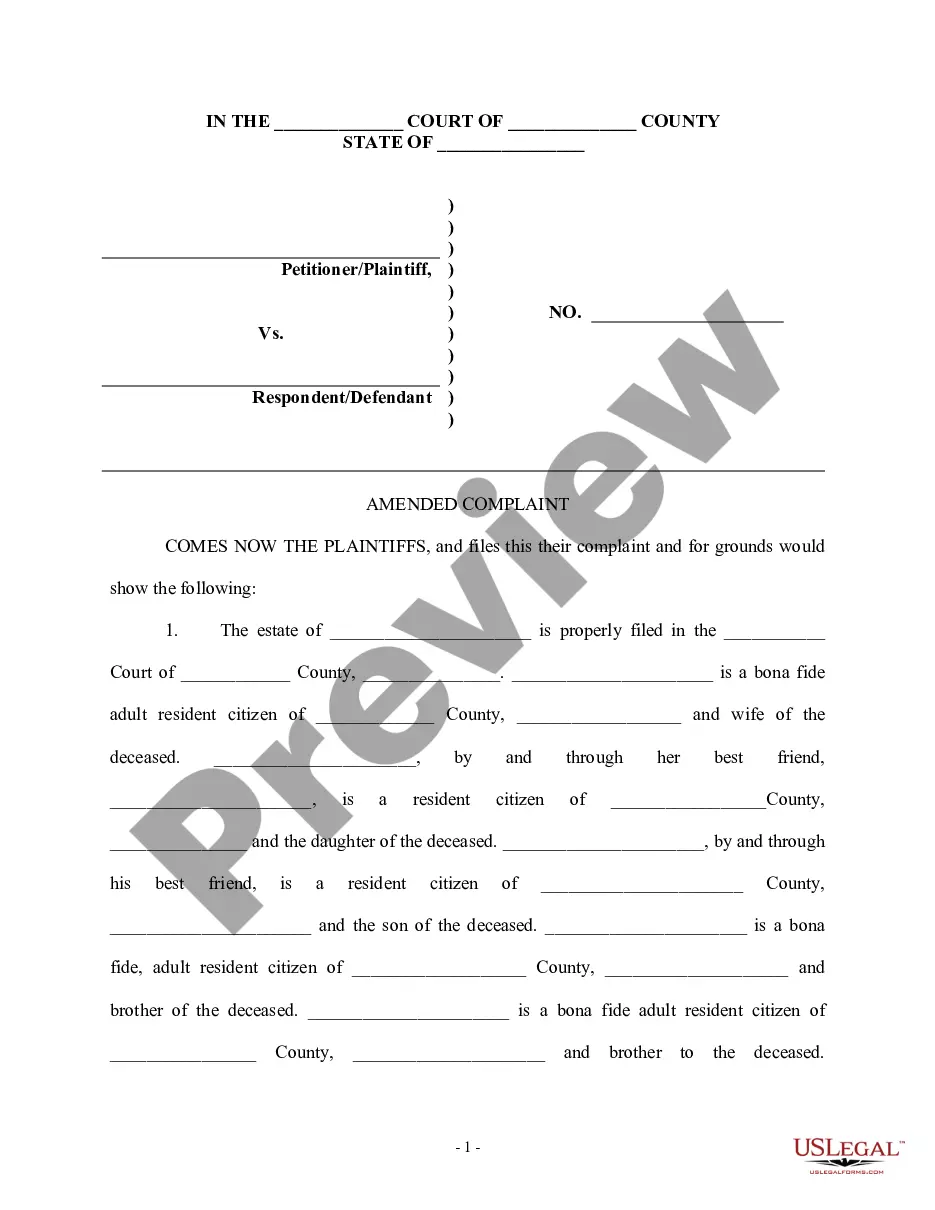
Get your form ready online
Our built-in tools help you complete, sign, share, and store your documents in one place.
Make edits, fill in missing information, and update formatting in US Legal Forms—just like you would in MS Word.
Download a copy, print it, send it by email, or mail it via USPS—whatever works best for your next step.
Sign and collect signatures with our SignNow integration. Send to multiple recipients, set reminders, and more. Go Premium to unlock E-Sign.
If this form requires notarization, complete it online through a secure video call—no need to meet a notary in person or wait for an appointment.
We protect your documents and personal data by following strict security and privacy standards.

Make edits, fill in missing information, and update formatting in US Legal Forms—just like you would in MS Word.

Download a copy, print it, send it by email, or mail it via USPS—whatever works best for your next step.

Sign and collect signatures with our SignNow integration. Send to multiple recipients, set reminders, and more. Go Premium to unlock E-Sign.

If this form requires notarization, complete it online through a secure video call—no need to meet a notary in person or wait for an appointment.

We protect your documents and personal data by following strict security and privacy standards.
Looking for another form?










Form popularity
FAQ
The Second Amendment Permits The Disarming of “Dangerous” Felons. Each year, more than 8,000 people are convicted for unlawful possession of a firearm under 18 U.S.C. § 922(g). About 90% of those cases arose from gun possession by a felon.
For those with more than one conviction, the court may restore firearms rights two years after completion of sentence for most felonies, or after 10 years for a serious felony (such as murder or sexual assault). For a person convicted of a “dangerous felony” firearms rights may only be restored by pardon.
For a person convicted of two or more felonies, an applicant's statement in support of the request to restore right to possess or carry firearm should be considered and a court may grant the restoration of the right to possess a firearm.
Anyone who is convicted, or found guilty, of a felony of any classification or type loses the right to gun ownership.
The 1968 Gun Control Act and subsequent amendments codified at 18 U.S.C. § 921 et seq. prohibit anyone convicted of a felony and anyone subject to a domestic violence protective order from possessing a firearm.
