Jury Trial Fee In Maricopa
Description


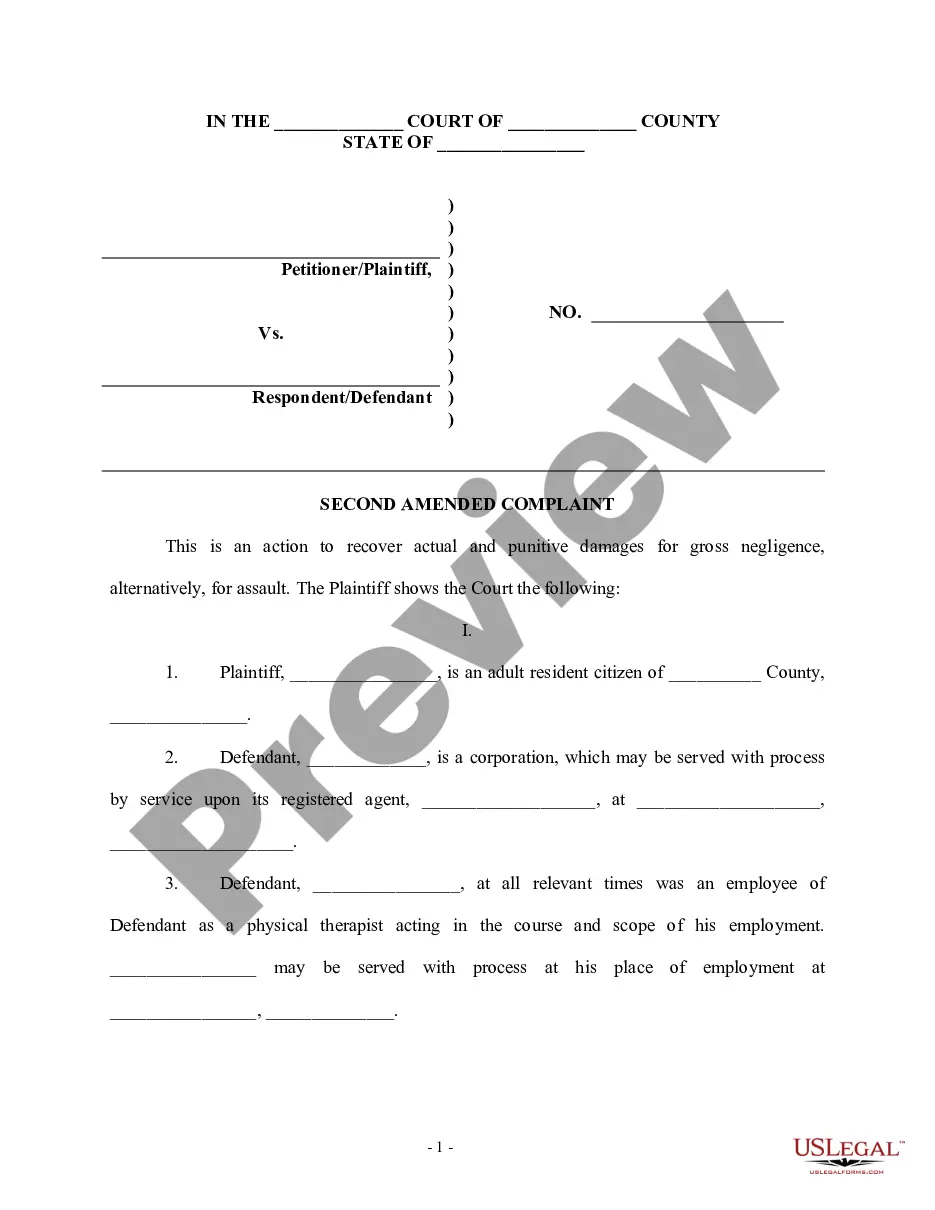
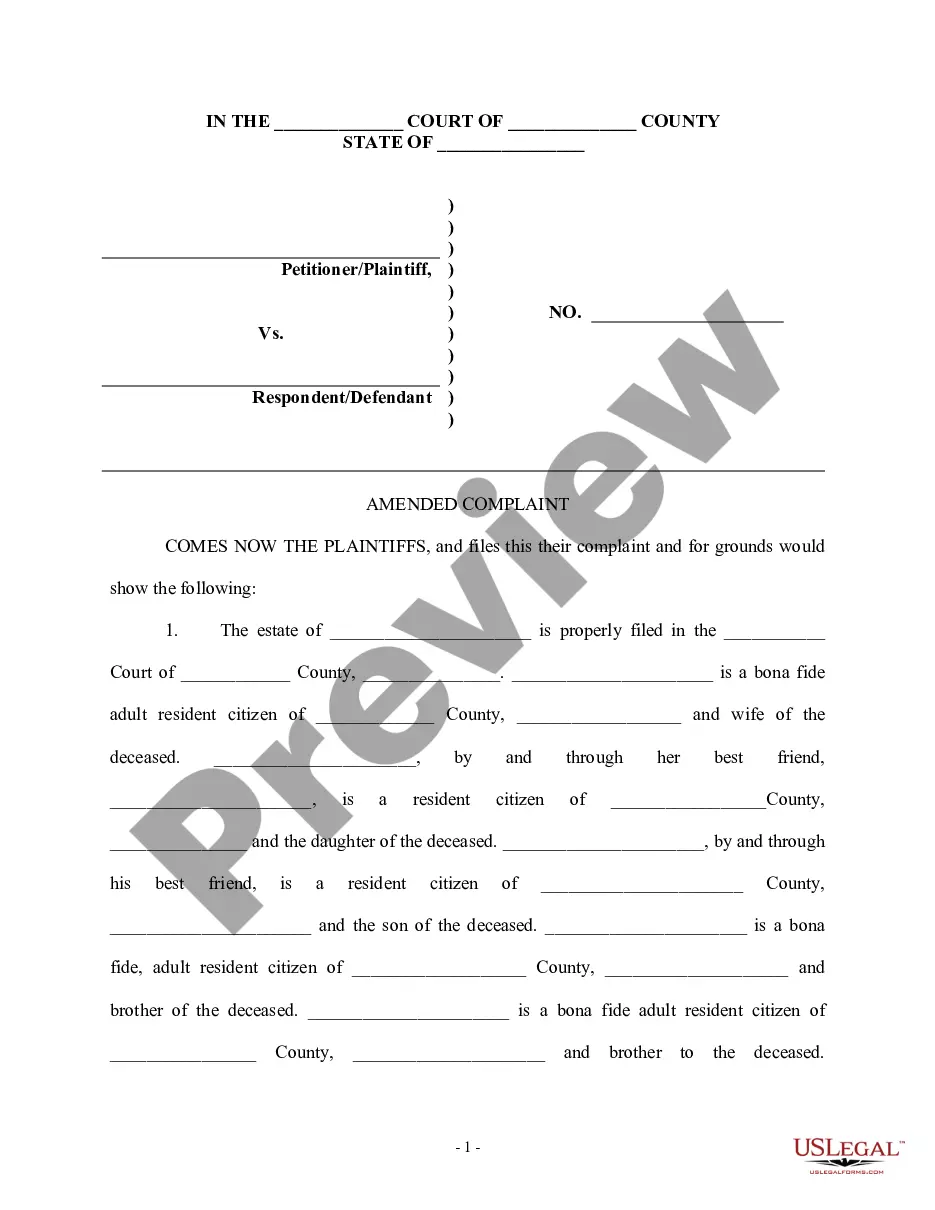
Get your form ready online
Our built-in tools help you complete, sign, share, and store your documents in one place.
Make edits, fill in missing information, and update formatting in US Legal Forms—just like you would in MS Word.
Download a copy, print it, send it by email, or mail it via USPS—whatever works best for your next step.
Sign and collect signatures with our SignNow integration. Send to multiple recipients, set reminders, and more. Go Premium to unlock E-Sign.
If this form requires notarization, complete it online through a secure video call—no need to meet a notary in person or wait for an appointment.
We protect your documents and personal data by following strict security and privacy standards.

Make edits, fill in missing information, and update formatting in US Legal Forms—just like you would in MS Word.

Download a copy, print it, send it by email, or mail it via USPS—whatever works best for your next step.

Sign and collect signatures with our SignNow integration. Send to multiple recipients, set reminders, and more. Go Premium to unlock E-Sign.

If this form requires notarization, complete it online through a secure video call—no need to meet a notary in person or wait for an appointment.

We protect your documents and personal data by following strict security and privacy standards.
Looking for another form?









Form popularity
FAQ
If you ARE selected to serve on a jury for a trial, your service is complete at the conclusion of the trial. The average trial lasts for three to five days. Some of the municipal courts and justice of the peace courts use a "pooling" system. This means you are on call by the court for a period of time (4 to 8 weeks).
A request to be excused must be made in writing to the court that issued the summons and must be supported by appropriate documentation. Requests for excuse should be directed to the Jury Commissioner's Office. Your service is required as a prospective juror for a minimum of one day.
Jury trials provide an opportunity for citizens to participate in the judicial process. Jury trials give citizens on the jury the power to make a decision on the case. People who serve on juries routinely have a greater respect for the system when they leave.
Amendment Seven to the Constitution was ratified on December 15, 1791. It protects the right for citizens to have a jury trial in federal courts with civil cases where the claim exceeds a certain dollar value. It also prohibits judges in these trials from overruling facts revealed by the jury.
Any party may demand a trial by jury of any issue triable of right by a jury by (1) serving upon the other parties a demand therefor in writing at any time after the commencement of the action and not later than 10 days after the service of the last pleading directed to such issue, and (2) filing the demand as required ...
Ing to the Supreme Court, the jury-trial right applies only when "serious" offenses are at hand—petty offenses don't invoke it. For purposes of this right, a serious offense is one that carries a potential sentence of more than six months' imprisonment.
A request to be excused must be made in writing to the court that issued the summons and must be supported by appropriate documentation. Requests for excuse should be directed to the Jury Commissioner's Office. Your service is required as a prospective juror for a minimum of one day.
Once selected, jurors go directly to the courtroom. A juror who is summoned and who willfully and without reasonable excuse fails to appear for jury service may be found by the court to be in contempt and subject to penalties provided by law.
The Fines / Fees and Restitution Enforcement (FARE) Program is a statewide initiative of the Arizona Judicial branch. The program was developed in 2003 to assist Arizona courts with the compliance of monetary court orders.
