Physical Abuse For Adults In King
Description


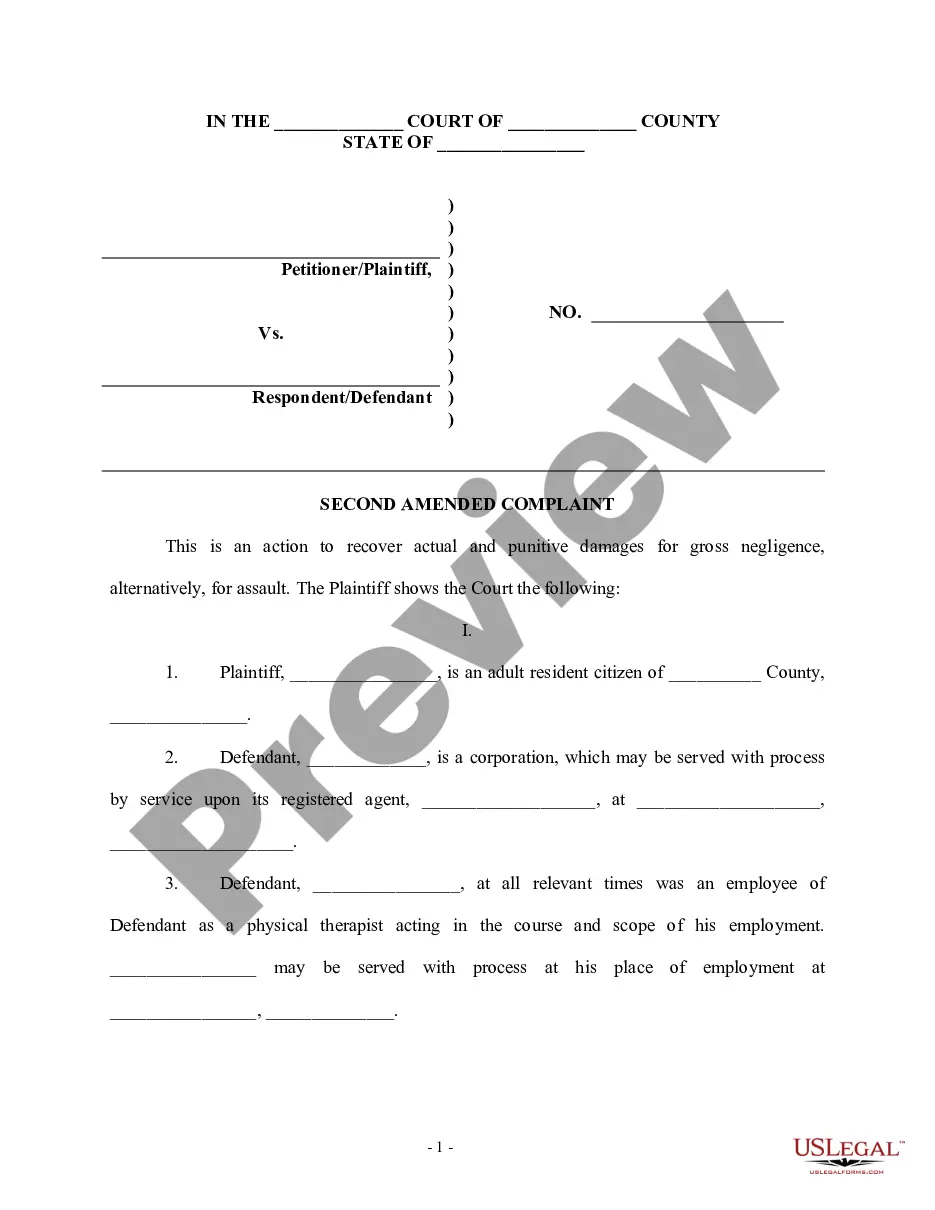
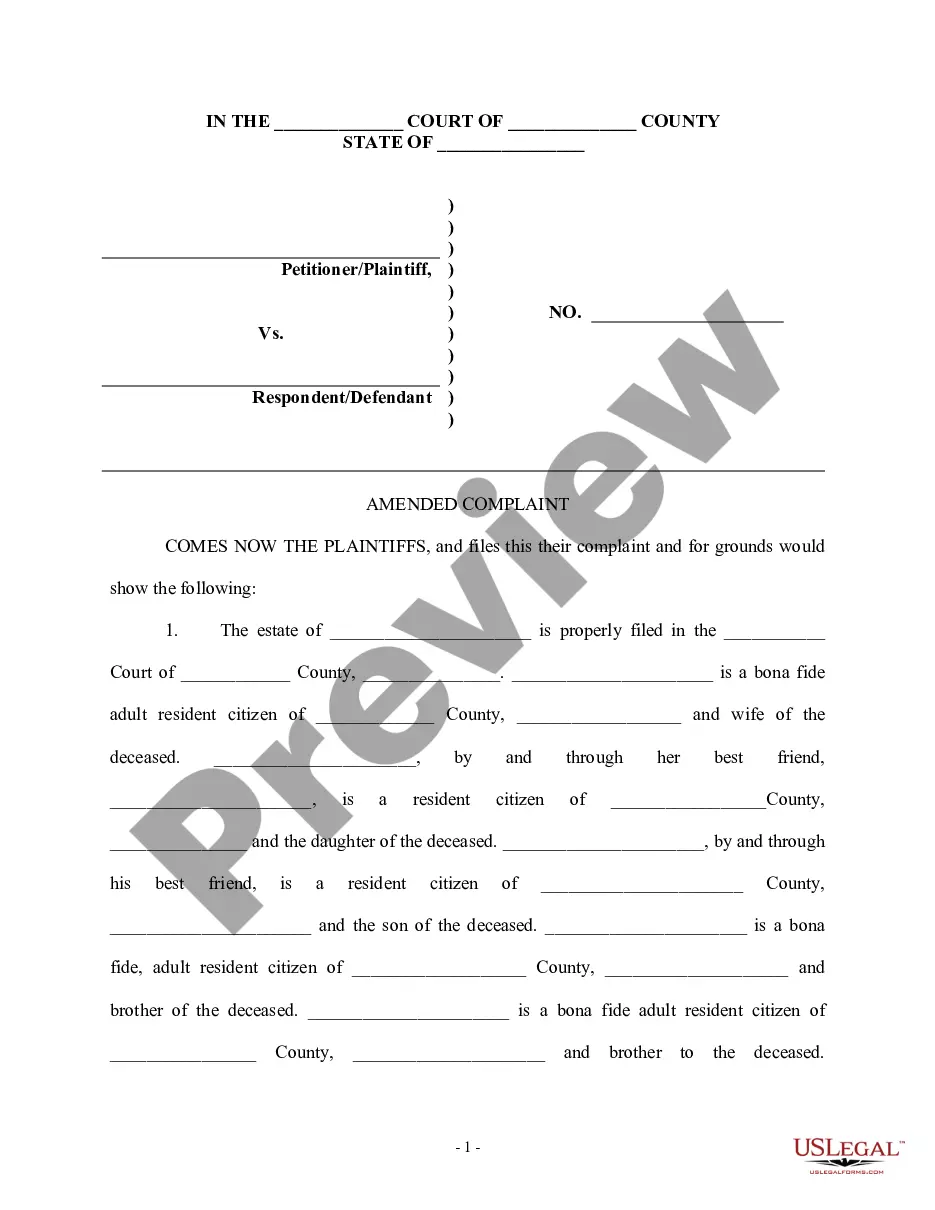
Get your form ready online
Our built-in tools help you complete, sign, share, and store your documents in one place.
Make edits, fill in missing information, and update formatting in US Legal Forms—just like you would in MS Word.
Download a copy, print it, send it by email, or mail it via USPS—whatever works best for your next step.
Sign and collect signatures with our SignNow integration. Send to multiple recipients, set reminders, and more. Go Premium to unlock E-Sign.
If this form requires notarization, complete it online through a secure video call—no need to meet a notary in person or wait for an appointment.
We protect your documents and personal data by following strict security and privacy standards.

Make edits, fill in missing information, and update formatting in US Legal Forms—just like you would in MS Word.

Download a copy, print it, send it by email, or mail it via USPS—whatever works best for your next step.

Sign and collect signatures with our SignNow integration. Send to multiple recipients, set reminders, and more. Go Premium to unlock E-Sign.

If this form requires notarization, complete it online through a secure video call—no need to meet a notary in person or wait for an appointment.

We protect your documents and personal data by following strict security and privacy standards.
Looking for another form?










Form popularity
FAQ
Physical abuse is defined as any intentional act causing injury or trauma to another person through bodily contact. It is a deliberate act of force that results in harm, injury, or trauma to the victim's body. This can include a range of behaviours from hitting, slapping, and punching to more severe forms of violence.
Unsourced material may be challenged and removed. A vulnerable adult, sometimes called an incapacitated adult, is an adult who, due to mental or bodily disability, cannot take care of themselves without help from others.
There is no timeline on a recovery; every journey is different. It could take you 2 months, 2 years, or 20 years to recover. There are some severe relationships that have such serious effects that survivors may never recover, but psychological help can assist in easing the pain and speed up the recovery process.
The law defines 'vulnerable adult' as (RCW 74.34.020 ): A person 60 years of age or older who has the functional, mental, or physical inability to care for themselves; or. An adult who: Is subject to a guardianship under RCW 11.130. 265 or subject to conservatorship under RCW 11.130.
Examples of vulnerable adults: Older people. People with disabilities. mental health conditions. receiving care and support. who are homeless. subjected to domestic abuse. have experienced sexual abuse. subjected to trafficking or exploitation.
The law defines 'vulnerable adult' as (RCW 74.34.020 ): A person 60 years of age or older who has the functional, mental, or physical inability to care for themselves; or. An adult who: Is subject to a guardianship under RCW 11.130. 265 or subject to conservatorship under RCW 11.130.
Signs and indicators Low self-esteem. Feeling that the abuse is their fault when it is not. Physical evidence of violence such as bruising, cuts, broken bones. Verbal abuse and humiliation in front of others. Fear of outside intervention. Damage to home or property. Isolation – not seeing friends and family.
To address physical abuse, you should seek help and guidance from a trusted friend, family member, or members of a professional organization for victims of such acts. You also should work with a therapist to overcome your trauma.
Using power to oppress others is condemned (Eccl ) Hitting another is condemned in Exodus –27. Causing trouble in the household and bringing ruin to a family is condemned in Proverbs .
What are the do's and don'ts of dealing with an abusive situation? call 911, if you're in immediate danger. work with a therapist. contact a hotline or local shelter. strengthen your support network. attempt to keep interactions in public areas. reflect on why you want to stay connected to this person.
