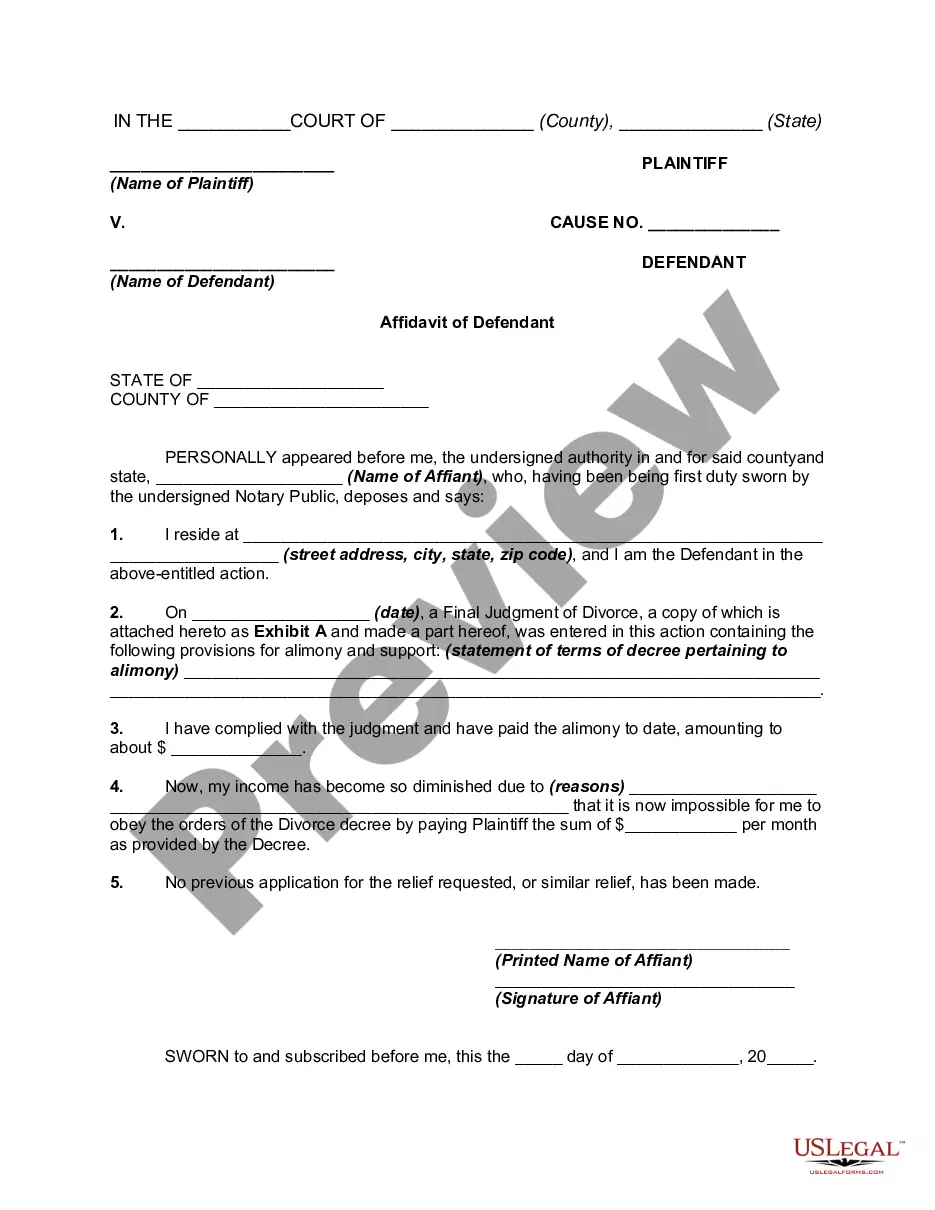
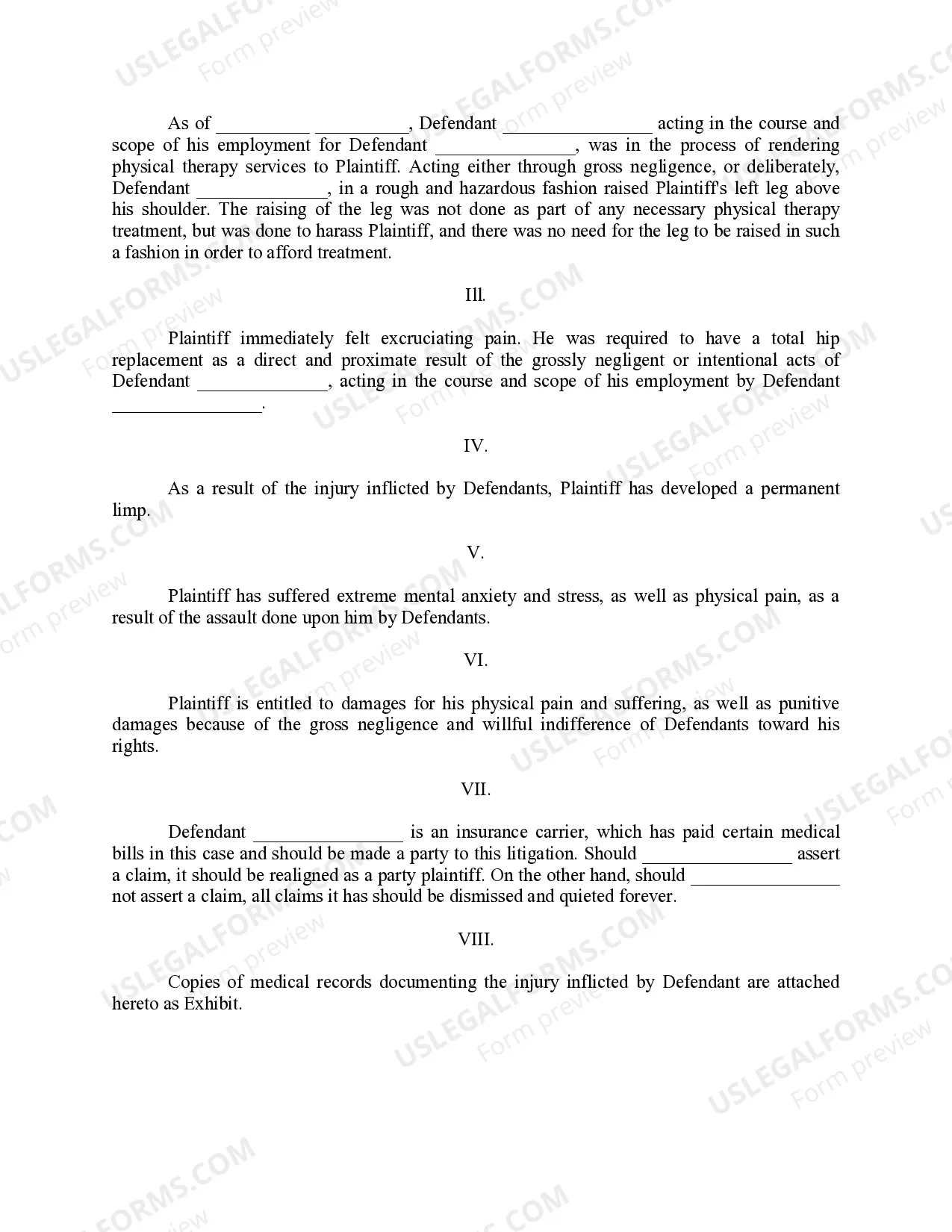
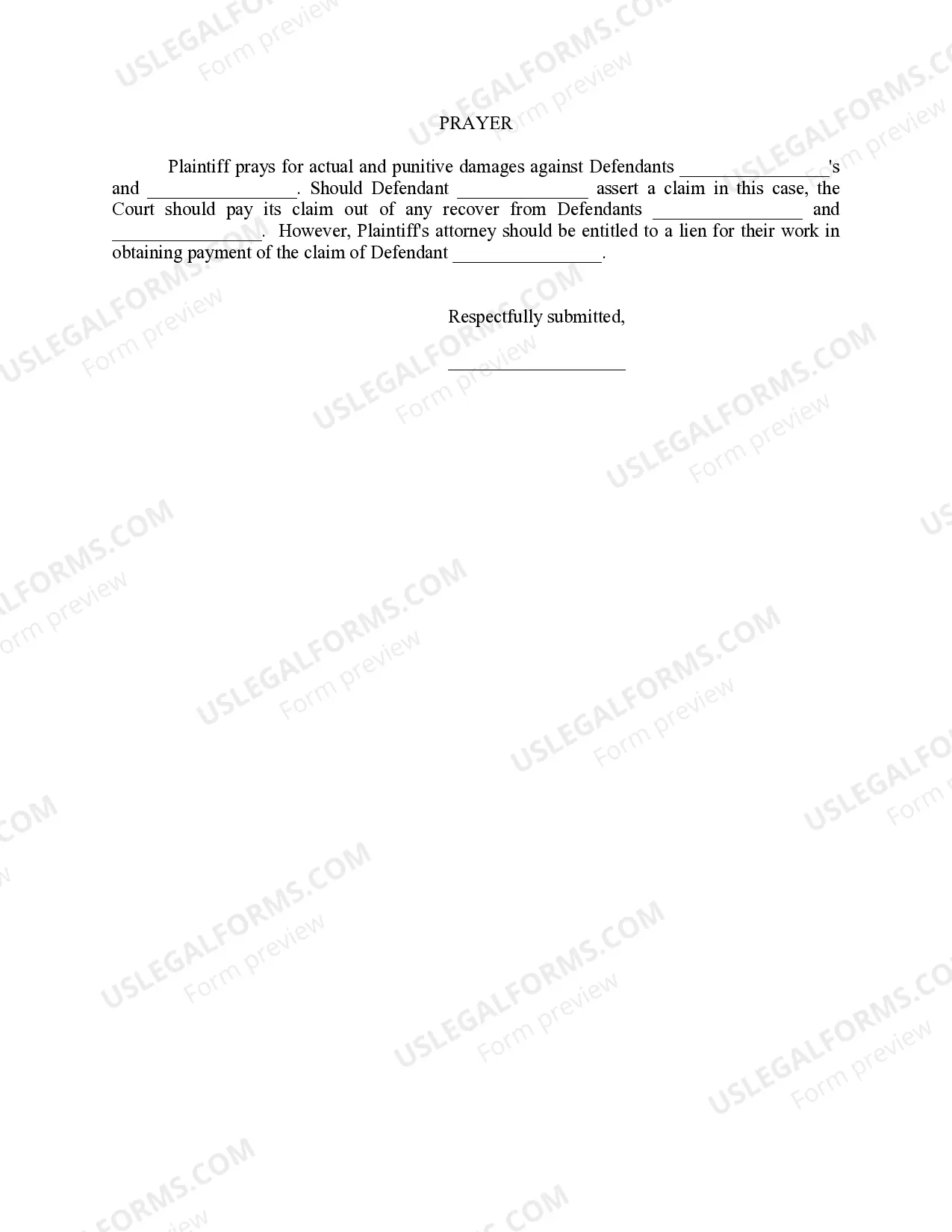
Physical Assault In The Military In Hillsborough
Description
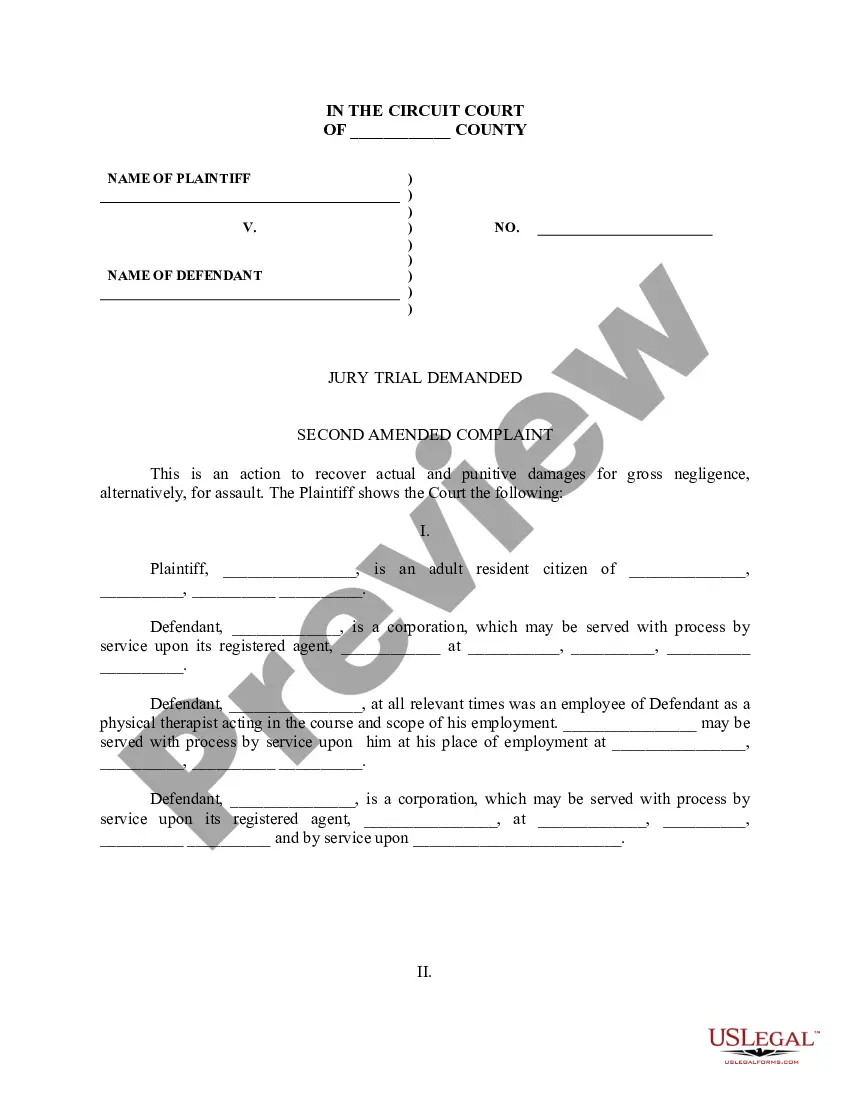
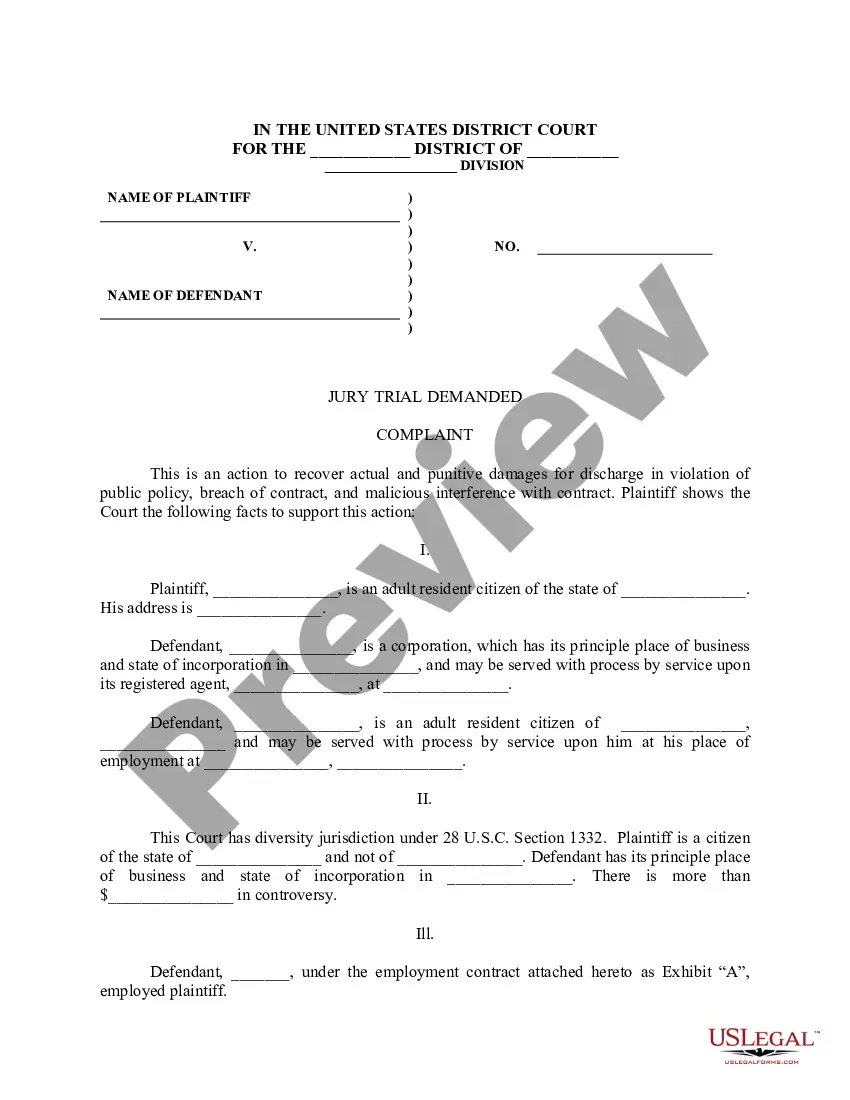
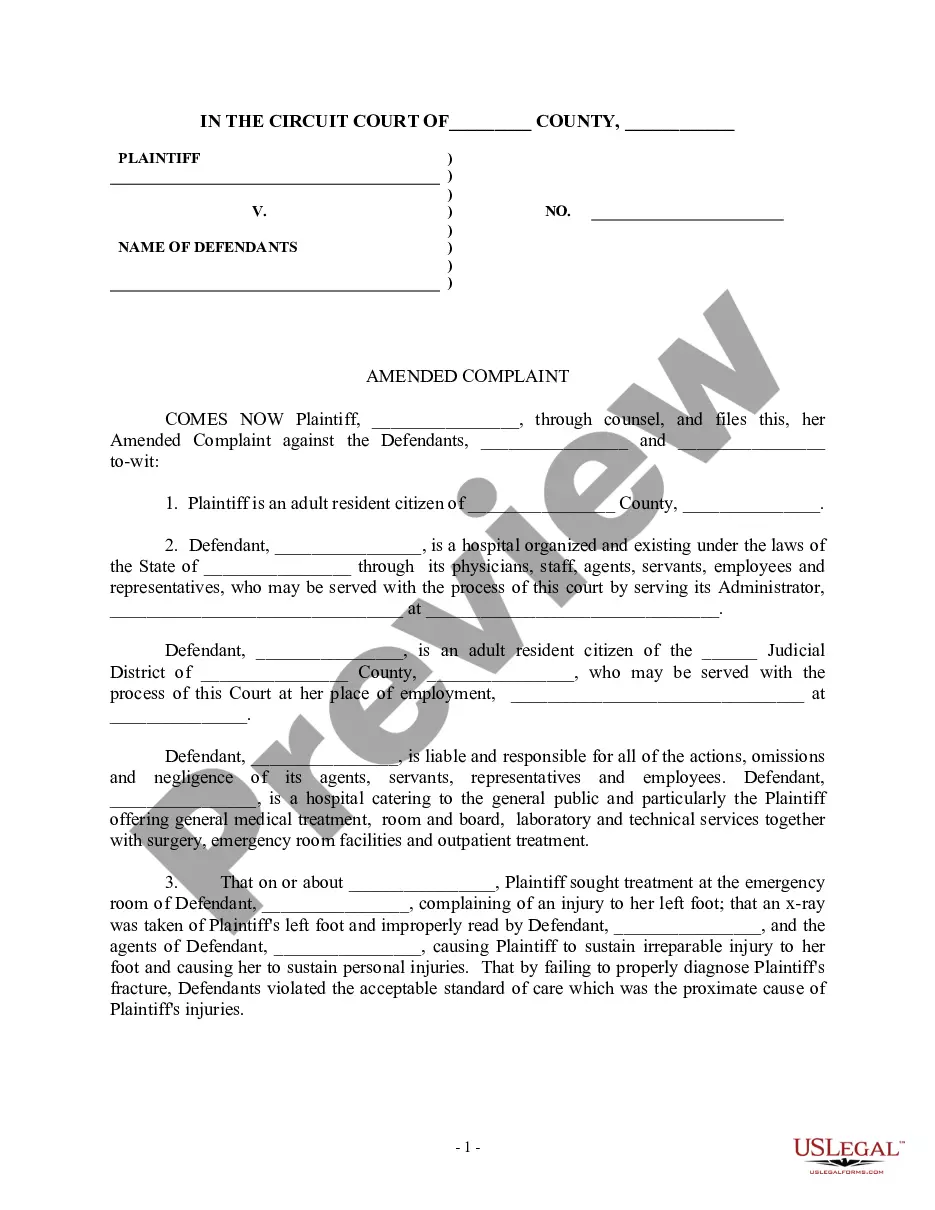
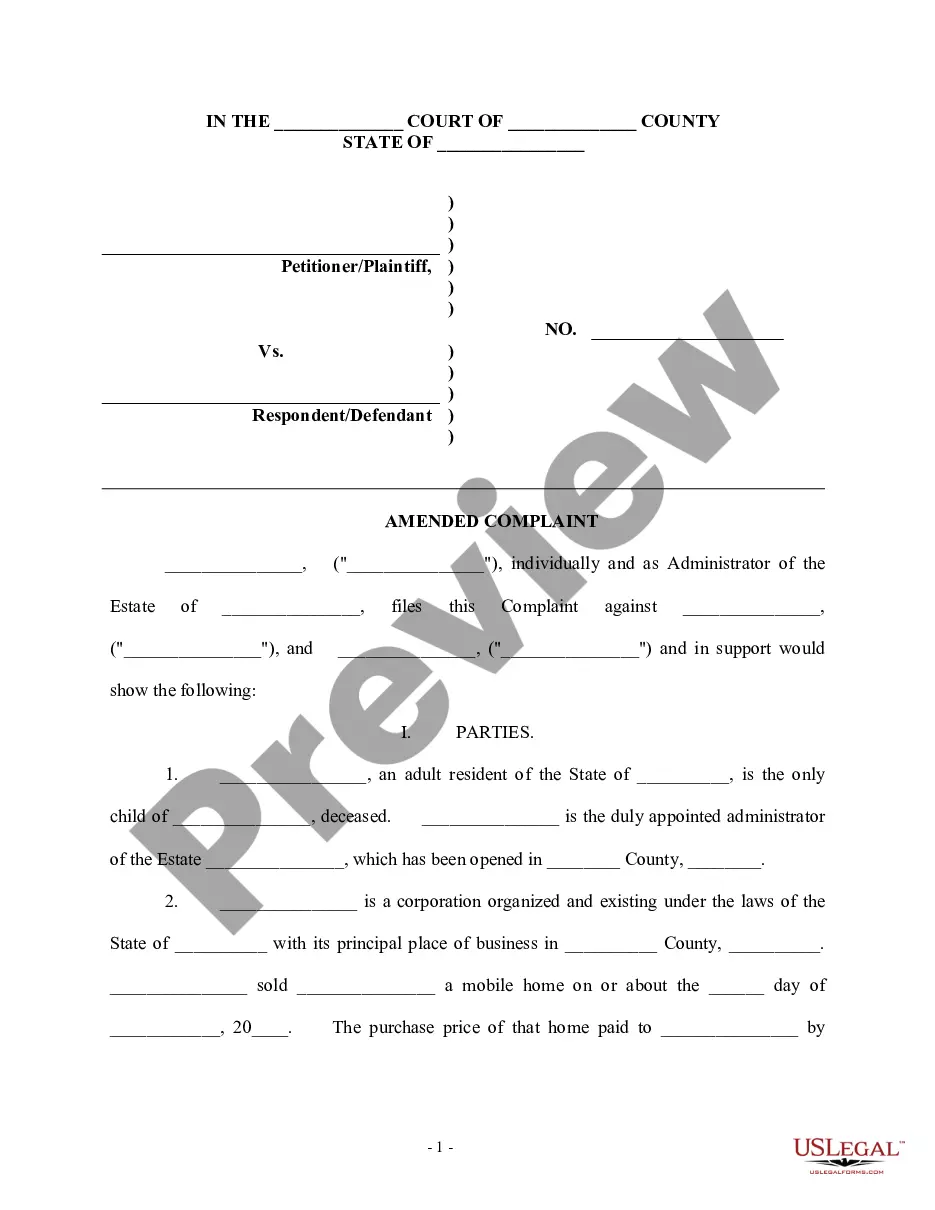
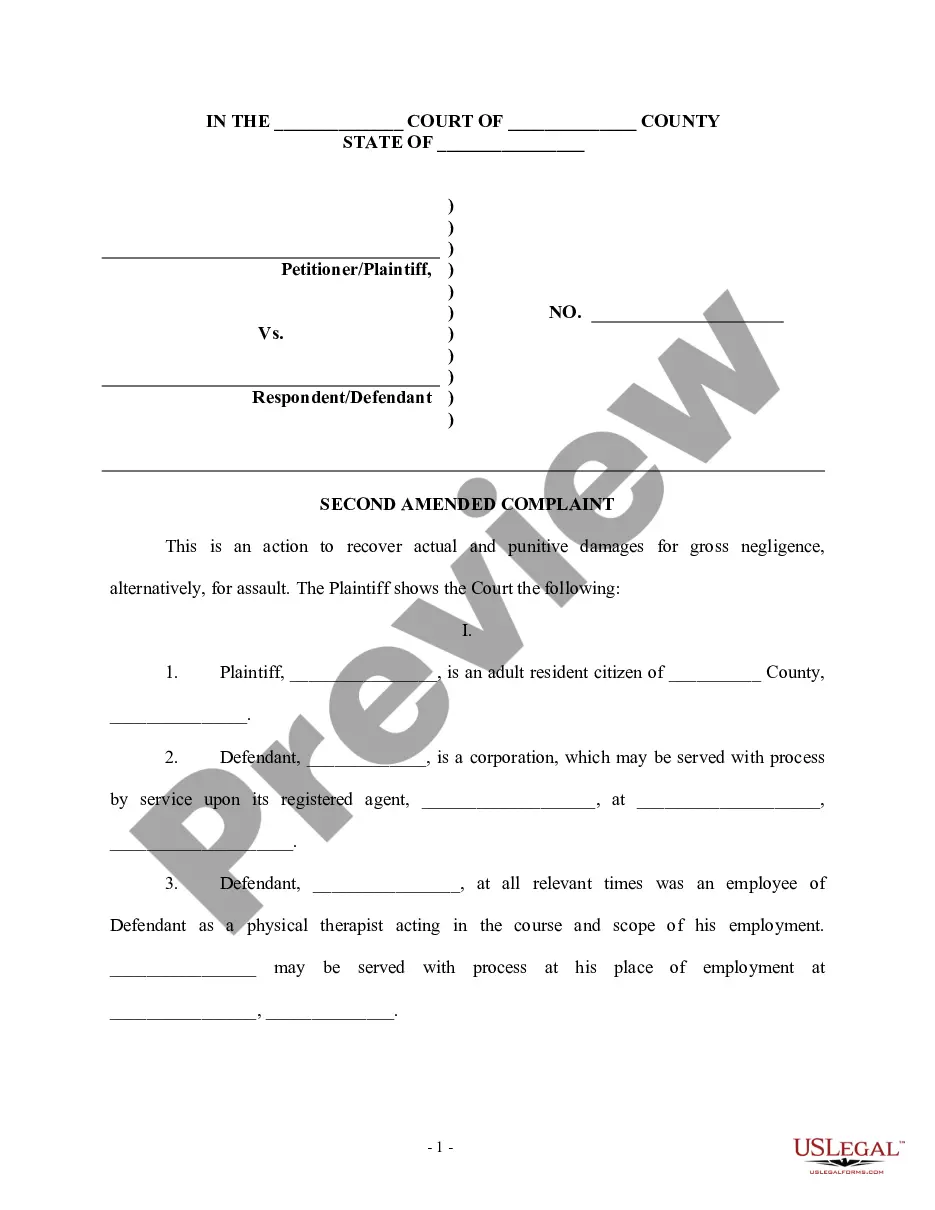
Get your form ready online
Our built-in tools help you complete, sign, share, and store your documents in one place.
Make edits, fill in missing information, and update formatting in US Legal Forms—just like you would in MS Word.
Download a copy, print it, send it by email, or mail it via USPS—whatever works best for your next step.
Sign and collect signatures with our SignNow integration. Send to multiple recipients, set reminders, and more. Go Premium to unlock E-Sign.
If this form requires notarization, complete it online through a secure video call—no need to meet a notary in person or wait for an appointment.
We protect your documents and personal data by following strict security and privacy standards.

Make edits, fill in missing information, and update formatting in US Legal Forms—just like you would in MS Word.

Download a copy, print it, send it by email, or mail it via USPS—whatever works best for your next step.

Sign and collect signatures with our SignNow integration. Send to multiple recipients, set reminders, and more. Go Premium to unlock E-Sign.

If this form requires notarization, complete it online through a secure video call—no need to meet a notary in person or wait for an appointment.

We protect your documents and personal data by following strict security and privacy standards.
Looking for another form?
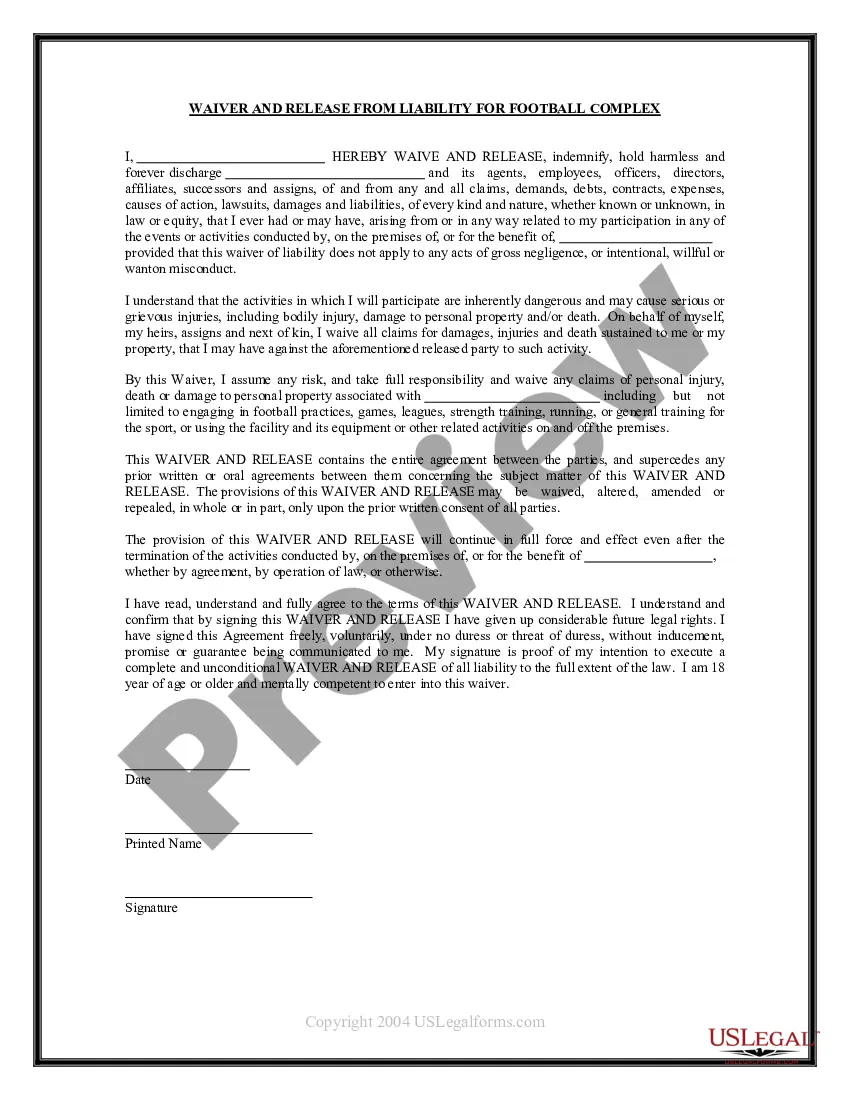
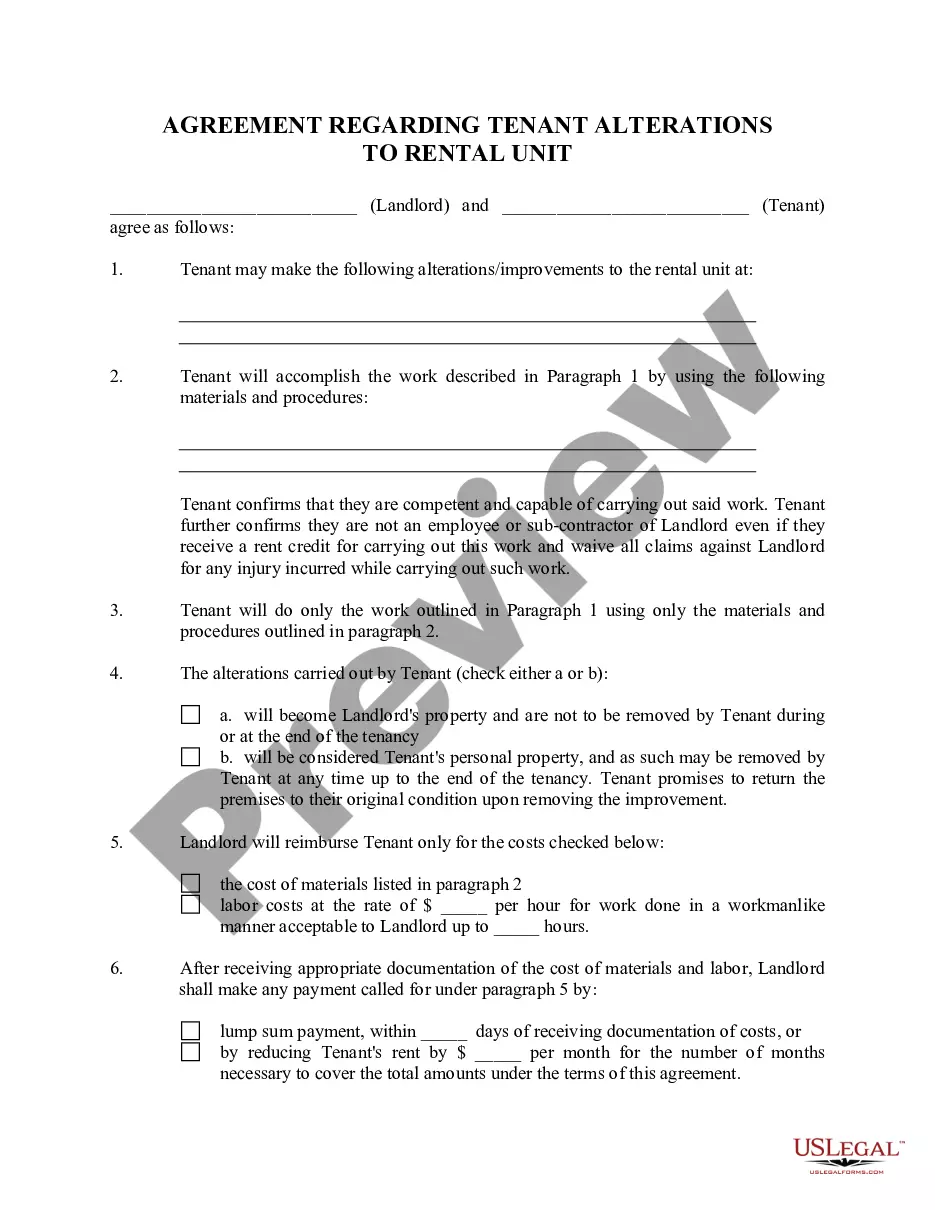
Form popularity
FAQ
Domestic abuse may also involve physical abuse, including sexual abuse. The use, attempted use or threatened use of force is considered domestic abuse and is an offense under the Uniform Code of Military Justice, as well as state and federal laws.
It also includes emotional abuse, which is a form of abuse used to isolate, frighten and control a partner. This abuse seeks to take away an individual's freedom and strip away their sense of self — and is designed to isolate them from support and deprive them of their independence.
Harassment can occur through electronic communications, including social media; other forms of communication and in person. Types of harassment include, but are not limited to, discriminatory harassment, sexual harassment, hazing, bullying and stalking.
The most frequent forms of abuse in military families are neglect, physical abuse, and emotional abuse. Just as in civilian families, sexual abuse is less common than the other forms of abuse.
Abuse of authority and position is an arbitrary or capricious exercise of power by a military member, federal official or employee that injures or adversely affects the rights of a subordinate by tyrannical, careless or capricious conduct or continuous and/or severe abusive language.
Call the National Domestic Violence Hotline at 1-800-799-7233. To contact MilitaryOneSource: 1-800-342-9647 ► Click here for MilitaryOneSource international calling options.
Although you may contact the DOD Hotline at any time, a faster way to resolve your complaint is usually to first contact your local or command-level Inspector General's Office. Call the Inspector General Hotline at 800-424-9098.
Seek Support: Reach out to support services, such as a counselor or a legal advisor, to help you navigate the situation and understand your options. File a Formal Complaint: If the issue persists or is serious, you may need to file a formal complaint. Each branch of the military has specific procedures for this.
If it is an emergency call 9-1-1. For all non-emergencies call (813) 247-8200 for further assistance.