Physical Abuse For Elderly In Franklin
Description


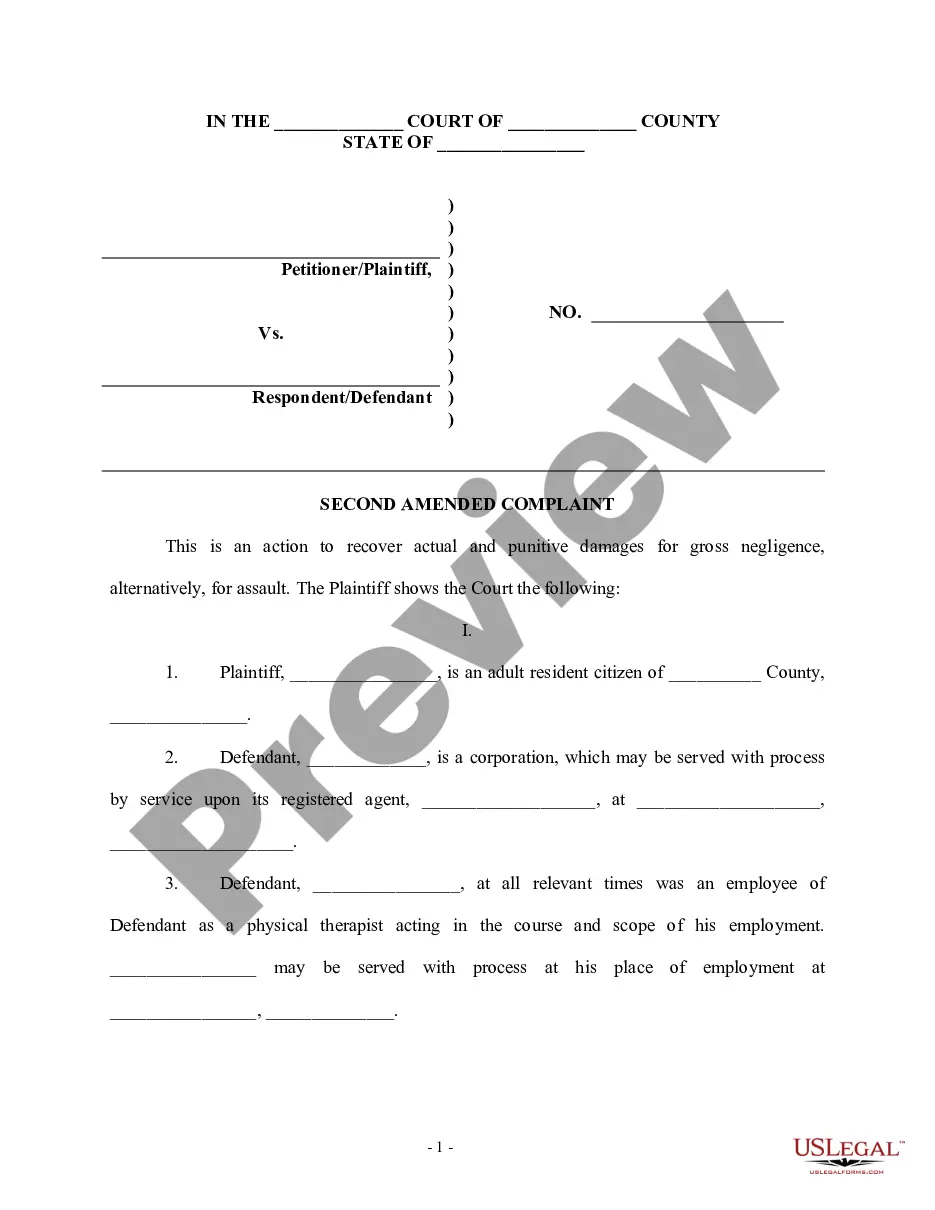
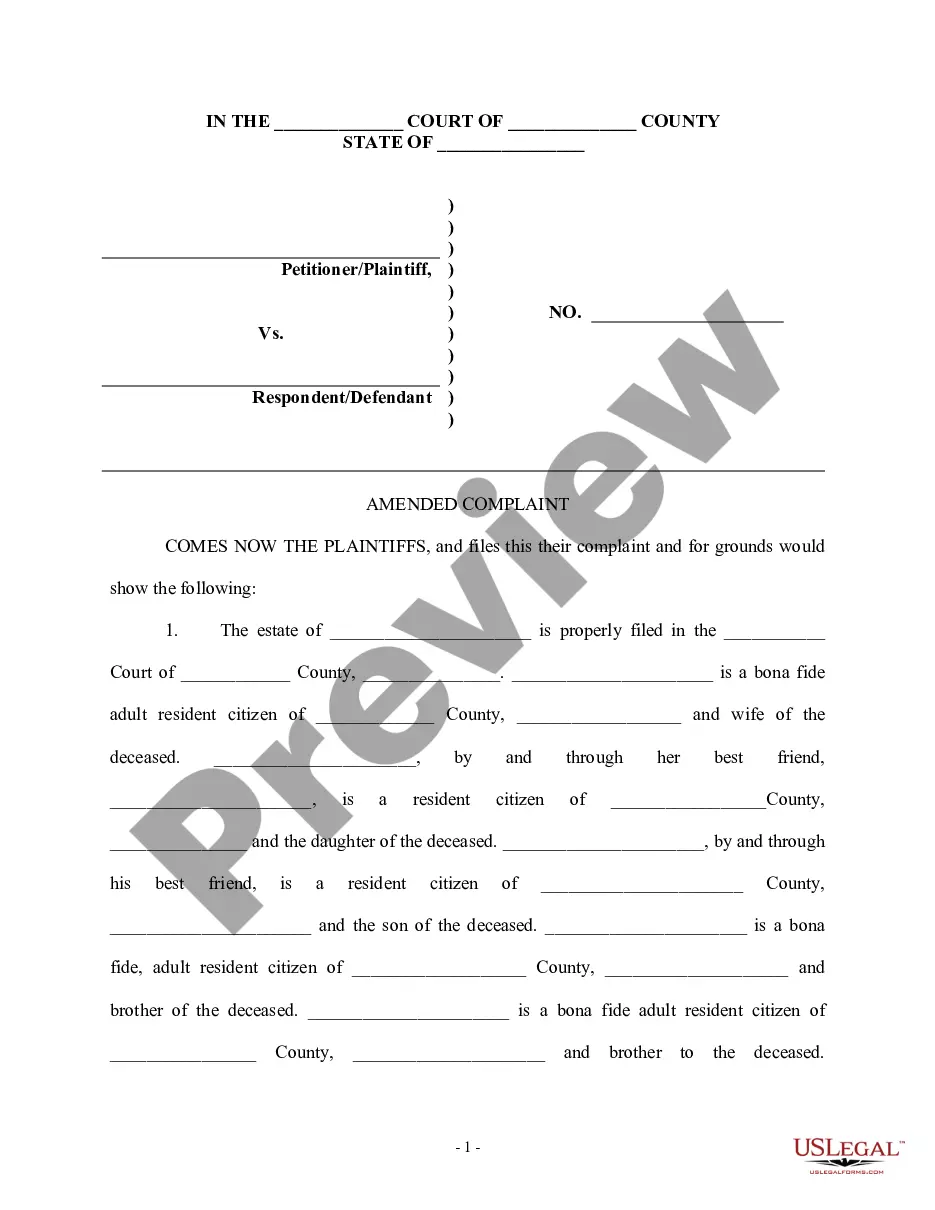
Get your form ready online
Our built-in tools help you complete, sign, share, and store your documents in one place.
Make edits, fill in missing information, and update formatting in US Legal Forms—just like you would in MS Word.
Download a copy, print it, send it by email, or mail it via USPS—whatever works best for your next step.
Sign and collect signatures with our SignNow integration. Send to multiple recipients, set reminders, and more. Go Premium to unlock E-Sign.
If this form requires notarization, complete it online through a secure video call—no need to meet a notary in person or wait for an appointment.
We protect your documents and personal data by following strict security and privacy standards.

Make edits, fill in missing information, and update formatting in US Legal Forms—just like you would in MS Word.

Download a copy, print it, send it by email, or mail it via USPS—whatever works best for your next step.

Sign and collect signatures with our SignNow integration. Send to multiple recipients, set reminders, and more. Go Premium to unlock E-Sign.

If this form requires notarization, complete it online through a secure video call—no need to meet a notary in person or wait for an appointment.

We protect your documents and personal data by following strict security and privacy standards.
Looking for another form?










Form popularity
FAQ
The first step in preventing elder abuse is education. Learn how it's defined because not everyone can identify the signs. 'Elder abuse' covers a wide range of maltreatment, including: neglect.
Elder abuse or neglect refers to the mistreatment of a person 60 years of age or older who lives in the community. Abuse or neglect can be any of the following: Abuse - physical, sexual, or emotional mistreatment and/or willful confinement.
Once you have reported elder abuse, the appropriate authorities will investigate the situation to gather evidence and assess the severity of the abuse. This may involve interviews with the victim, the alleged perpetrator, and any witnesses.
Follow-up questions: Explore mistreatment – what, how, when, how often? Who is the perpetrator? How does the patient cope? Assess safety. What are alternative living options; who are alternative caregivers? What can be done to prevent future abuse?
Again, on physical evidence as an officer, you want to look for bruises, rashes, and bedsores on that subject. Bedsores can be absolutely indicative of abuse or neglect. Photograph, get statements from neighbors, social workers, family members, physicians, and nurses.
Photographs can capture bruises, lacerations, bedsores, and other visible signs of harm, while videos can show the day-to-day conditions and any incidents of neglect or mistreatment. An attorney experienced in elder abuse cases can help procure security footage owned by the nursing home being sued.
If you have been the victim of abuse, exploitation, or neglect, you are not alone. Many people care and can help. Please tell your doctor, a friend, or a family member you trust, or call the Eldercare Locator help line immediately. You can reach the Eldercare Locator by telephone at 1-800-677-1116.
Elder abuse is perpetrated by a trusted individual and can be financial, physical, emotional/psychological, sexual, and caregiver neglect.
