Negligence Assault Complaint Form In Franklin
Description

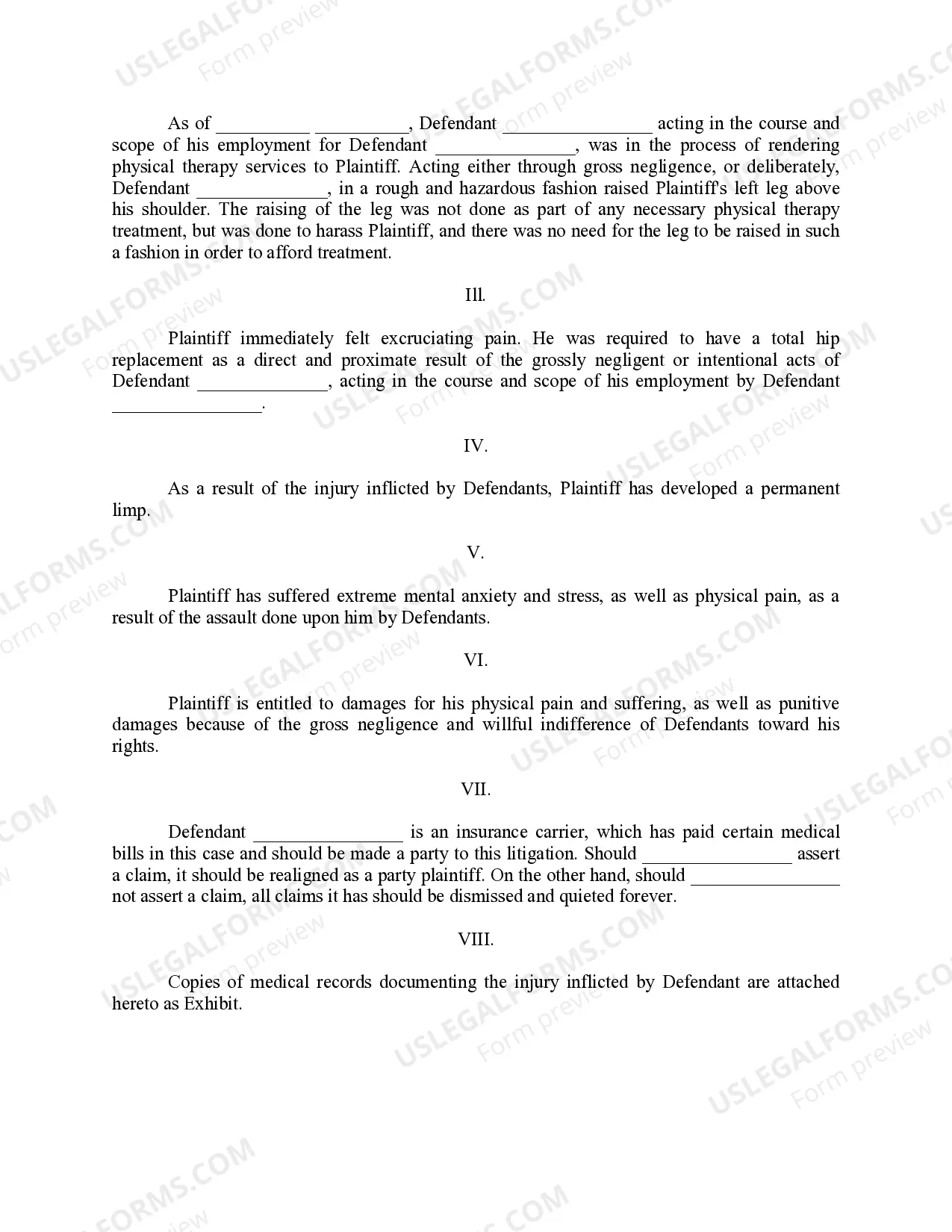
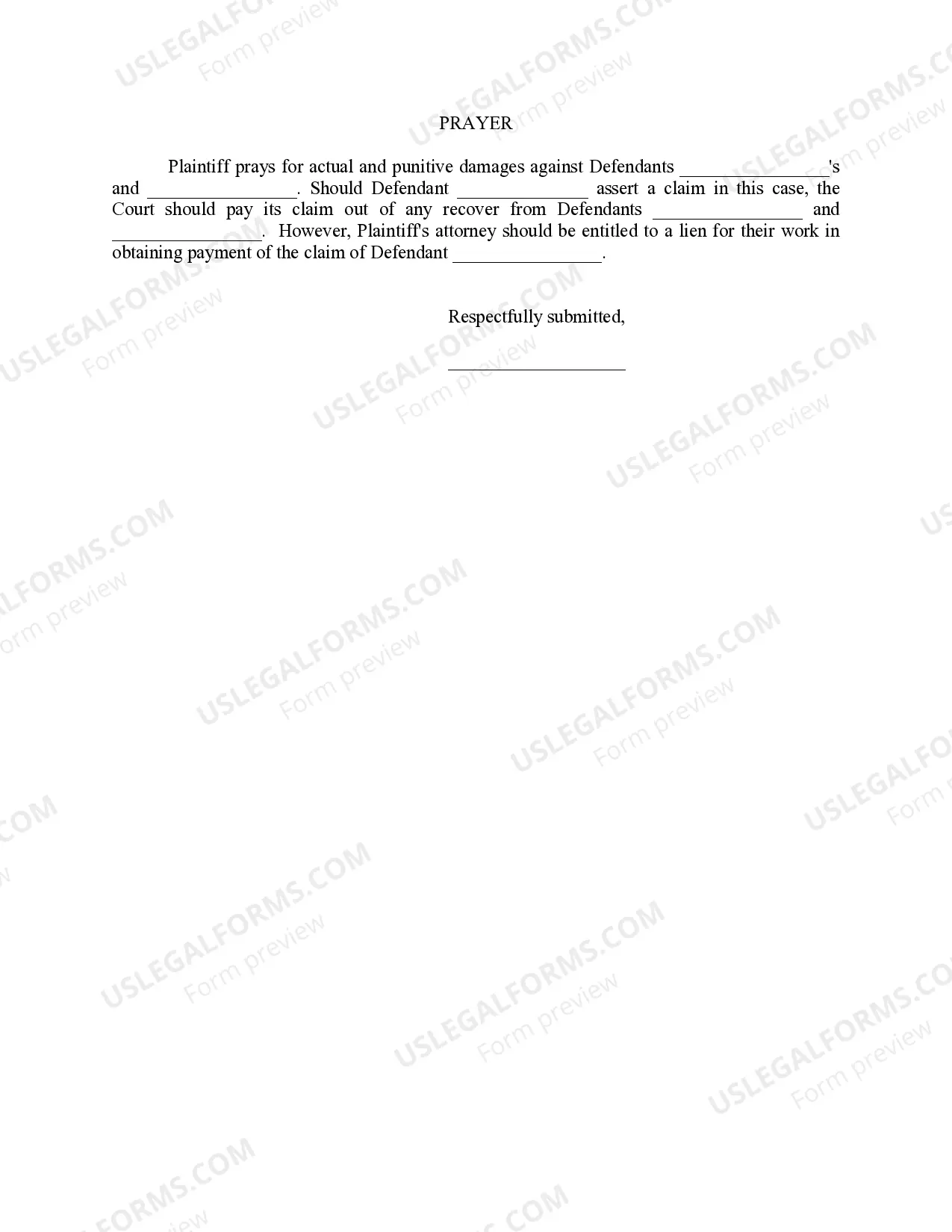

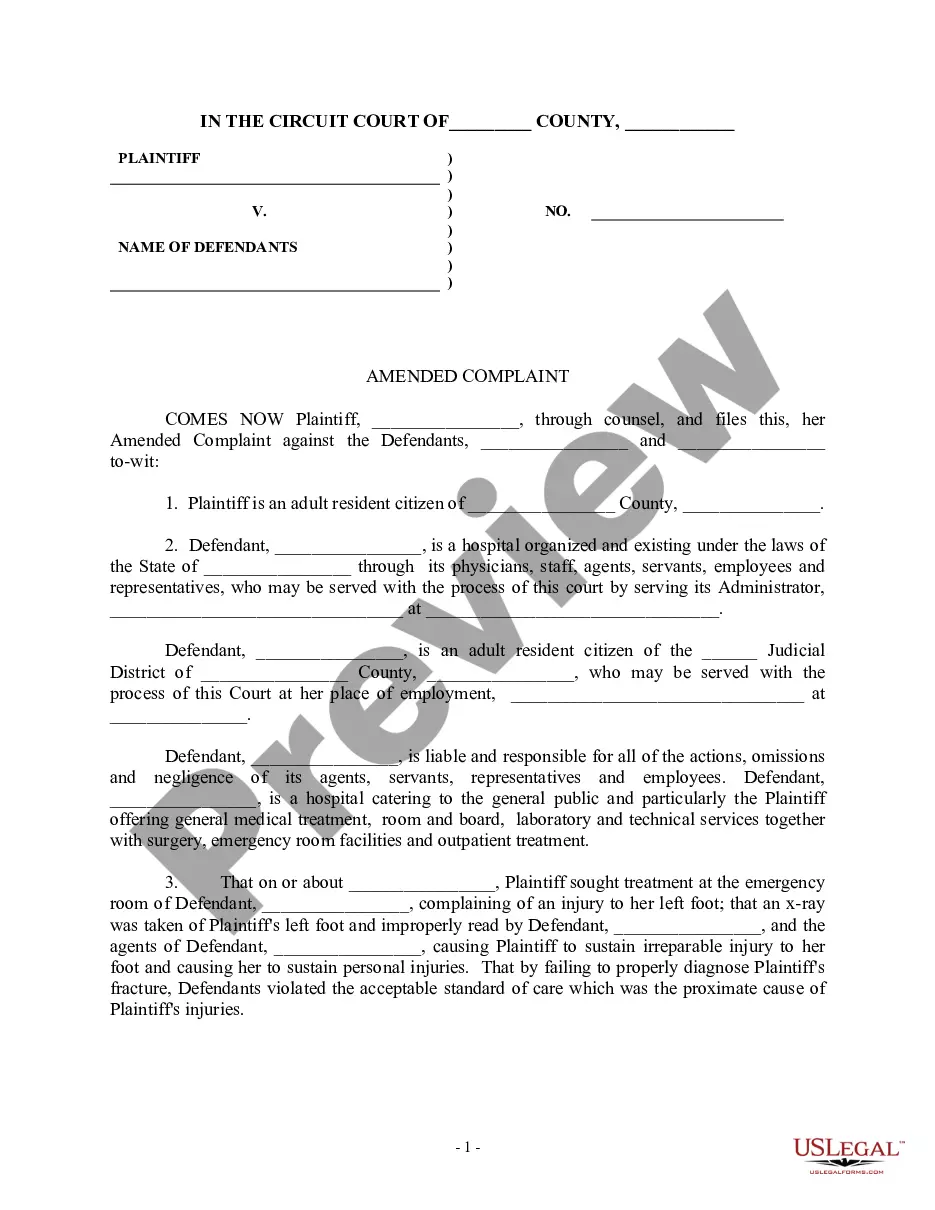
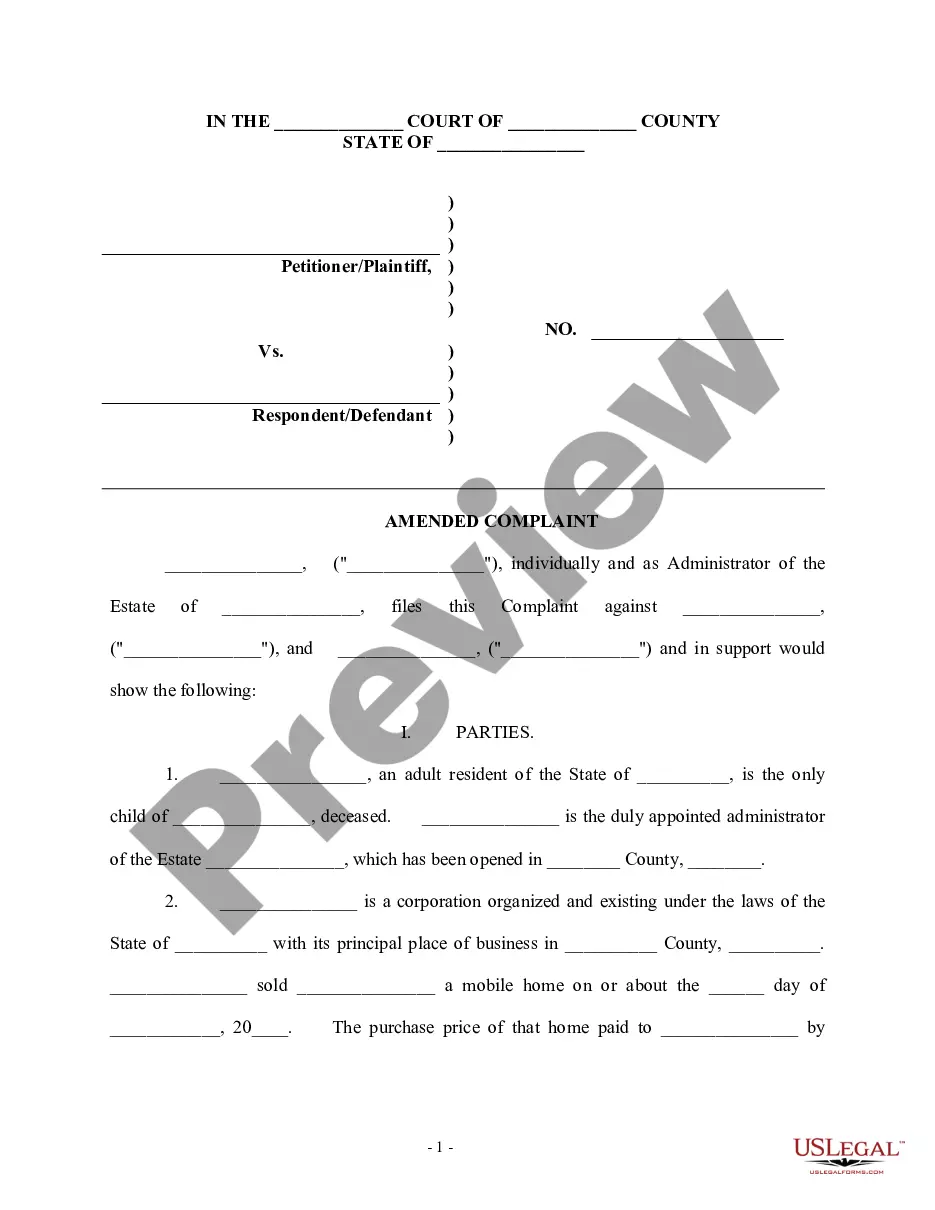
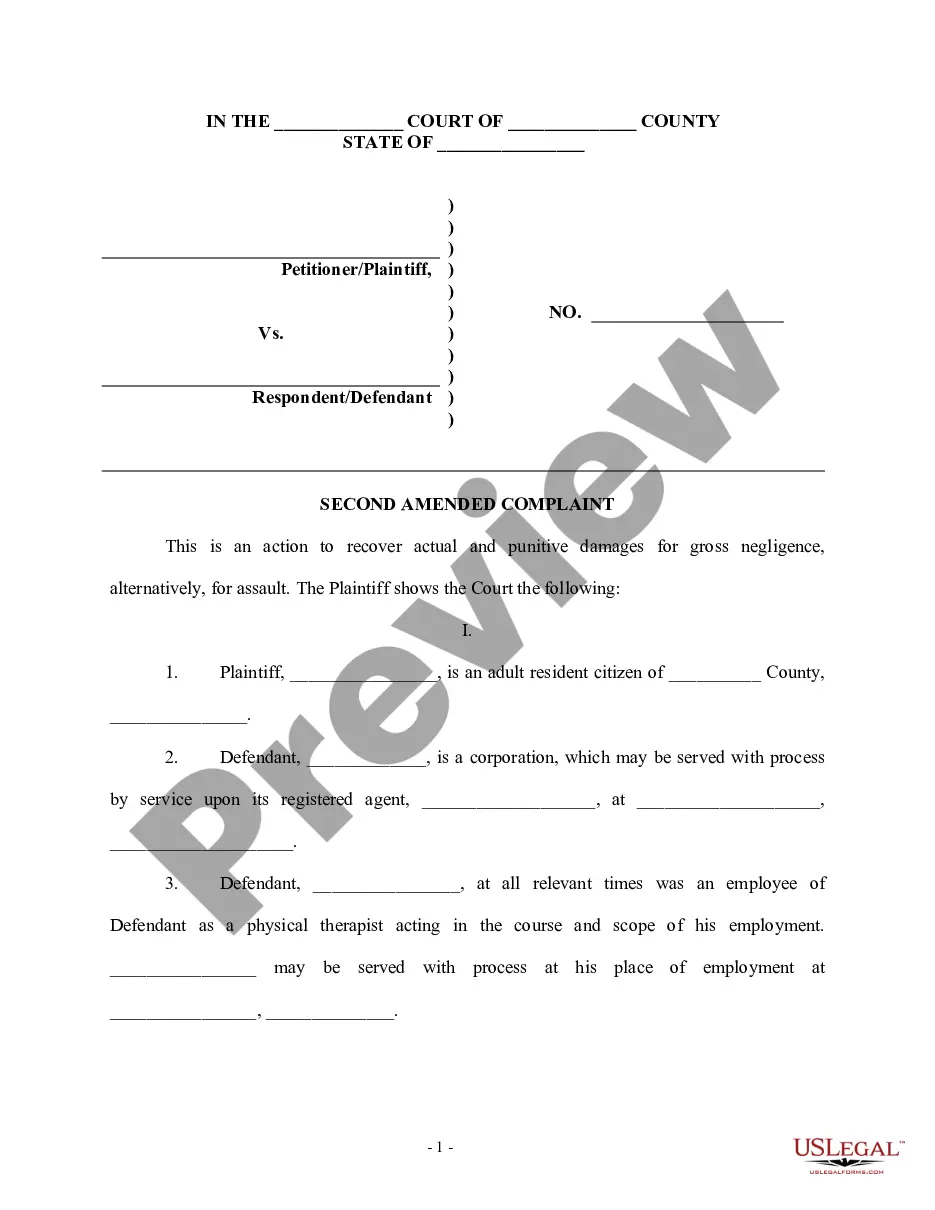
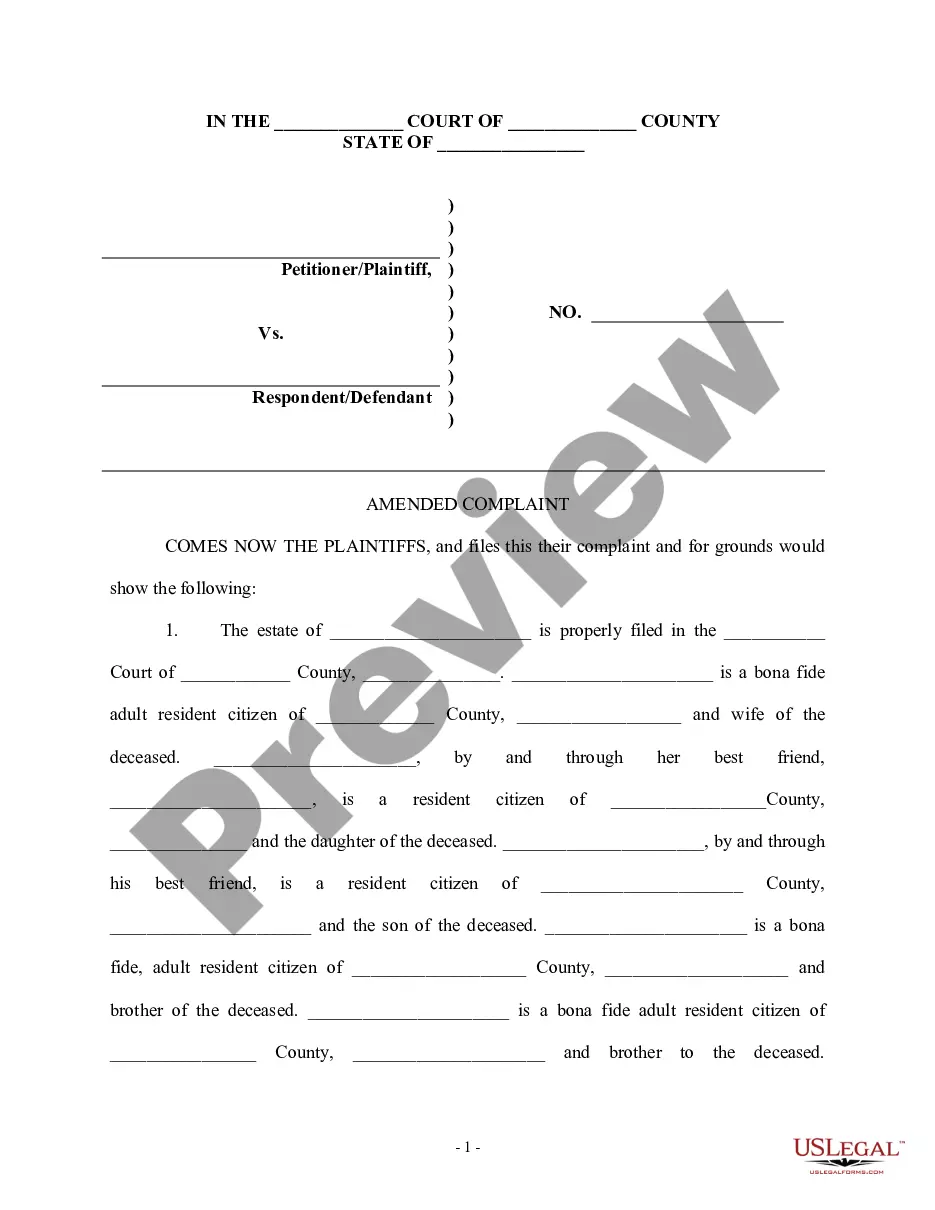
Get your form ready online
Our built-in tools help you complete, sign, share, and store your documents in one place.
Make edits, fill in missing information, and update formatting in US Legal Forms—just like you would in MS Word.
Download a copy, print it, send it by email, or mail it via USPS—whatever works best for your next step.
Sign and collect signatures with our SignNow integration. Send to multiple recipients, set reminders, and more. Go Premium to unlock E-Sign.
If this form requires notarization, complete it online through a secure video call—no need to meet a notary in person or wait for an appointment.
We protect your documents and personal data by following strict security and privacy standards.

Make edits, fill in missing information, and update formatting in US Legal Forms—just like you would in MS Word.

Download a copy, print it, send it by email, or mail it via USPS—whatever works best for your next step.

Sign and collect signatures with our SignNow integration. Send to multiple recipients, set reminders, and more. Go Premium to unlock E-Sign.

If this form requires notarization, complete it online through a secure video call—no need to meet a notary in person or wait for an appointment.

We protect your documents and personal data by following strict security and privacy standards.
Looking for another form?










Form popularity
FAQ
A negligence lawsuit allows an injured person to seek compensation when someone else's lack of care causes harm. By proving the responsible party failed in their duty to act safely, the injured can recover costs for things like medical bills, lost wages, and pain.
Most civil lawsuits for injuries allege the wrongdoer was negligent. To win in a negligence lawsuit, the victim must establish 4 elements: (1) the wrongdoer owed a duty to the victim, (2) the wrongdoer breached the duty, (3) the breach caused the injury (4) the victim suffered damages.
Gross negligence: In rare cases where a judge's actions are so reckless or negligent that they go beyond mere errors in judgment, there may be potential for legal action against the court.
Gross negligence: In rare cases where a judge's actions are so reckless or negligent that they go beyond mere errors in judgment, there may be potential for legal action against the court.
Call 311 or 212-NEW-YORK (212-639-9675) for help. Download and mail a completed complaint form or mail a written letter that includes: Your name. Address.
In order to win your negligence claim, and obtain one or more of the types of damages available to you as an injured victim, your personal injury lawyer will have to prove four things: (1) duty; (2) breach; (3) causation; and (4) damages. More specifically, your attorney will have to prove the following: Duty.
You can make a complaint about prisons and correctional facilities run by New York State by submitting a New York State Jail Complaint online to the NY State Department of Corrections and Community Supervision.
Corrections officers are entitled to such rights as: Right to fair and just compensation, including employment benefits. Right to due process, especially if accused of policy violations.
The Commission of Correction strives to provide a safe, stable and humane correctional system and ensure the delivery of essential services in the correctional setting. The Commission also oversees new jail facility development, and assists in the implementation of new correctional technologies.
Complain about a local, county, or state prison File a formal complaint first directly with the correctional facility. If the issue remains unsolved, complain to the state department of corrections. Contact your governor if the prison and the department of corrections still have not addressed your complaint.