Physical Abuse For Adults In Collin
Description

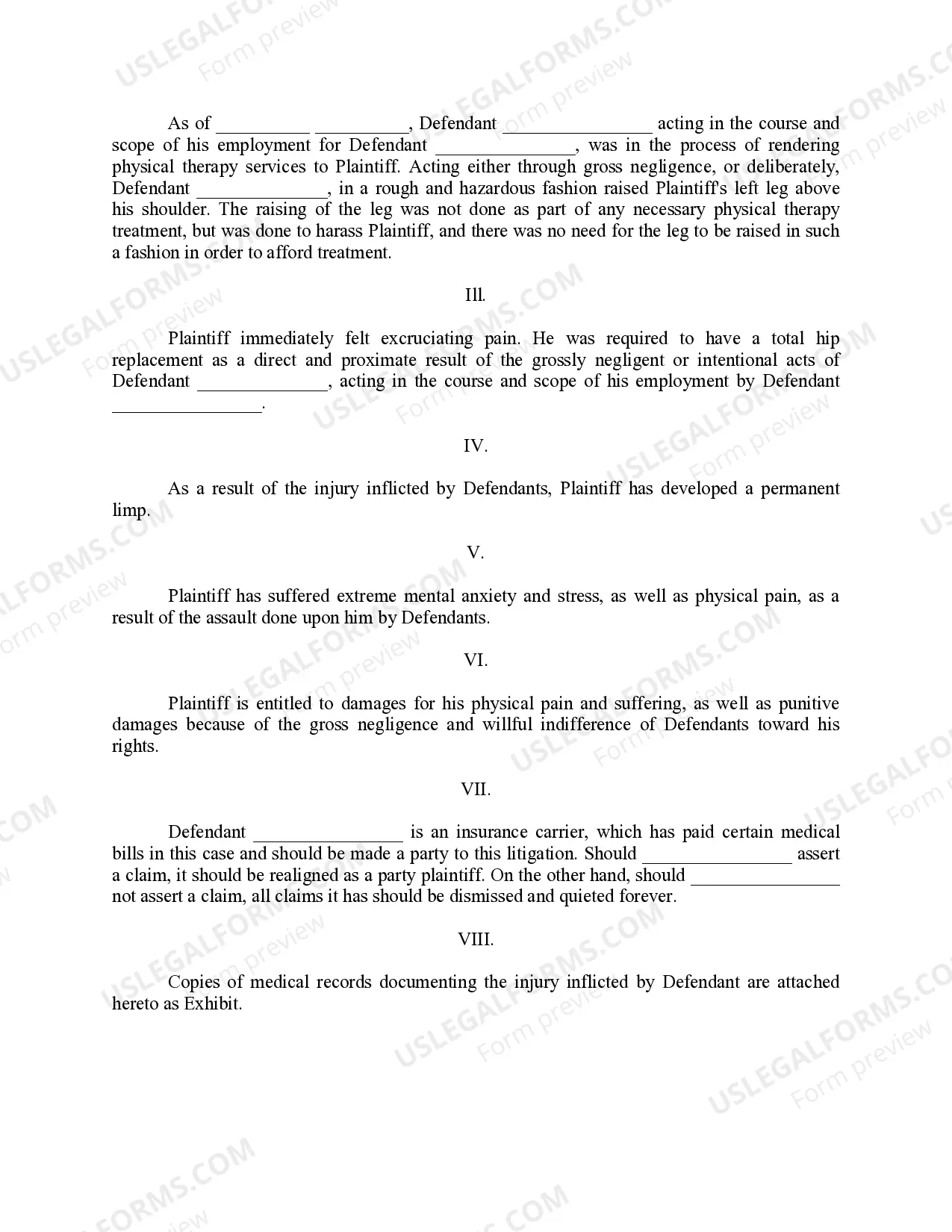
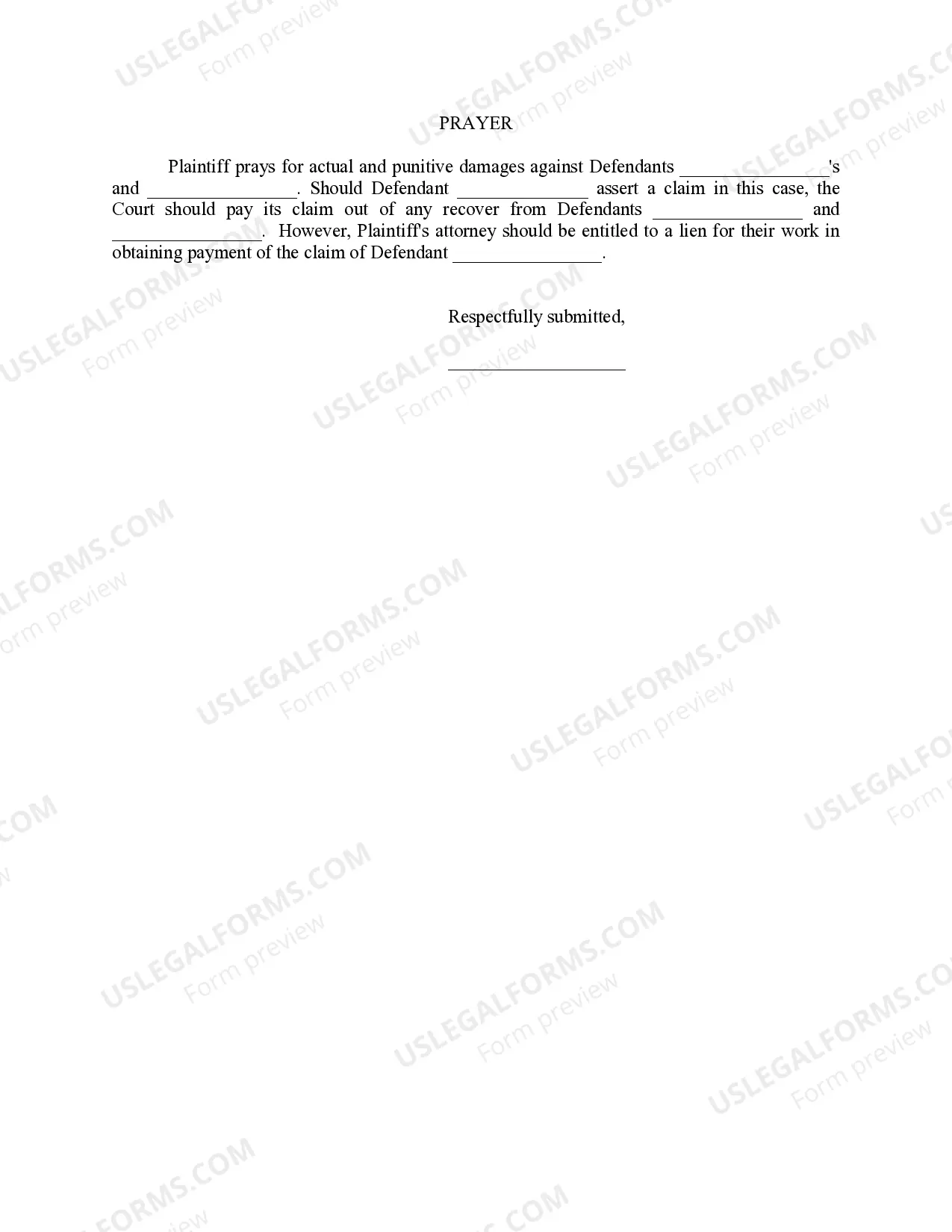

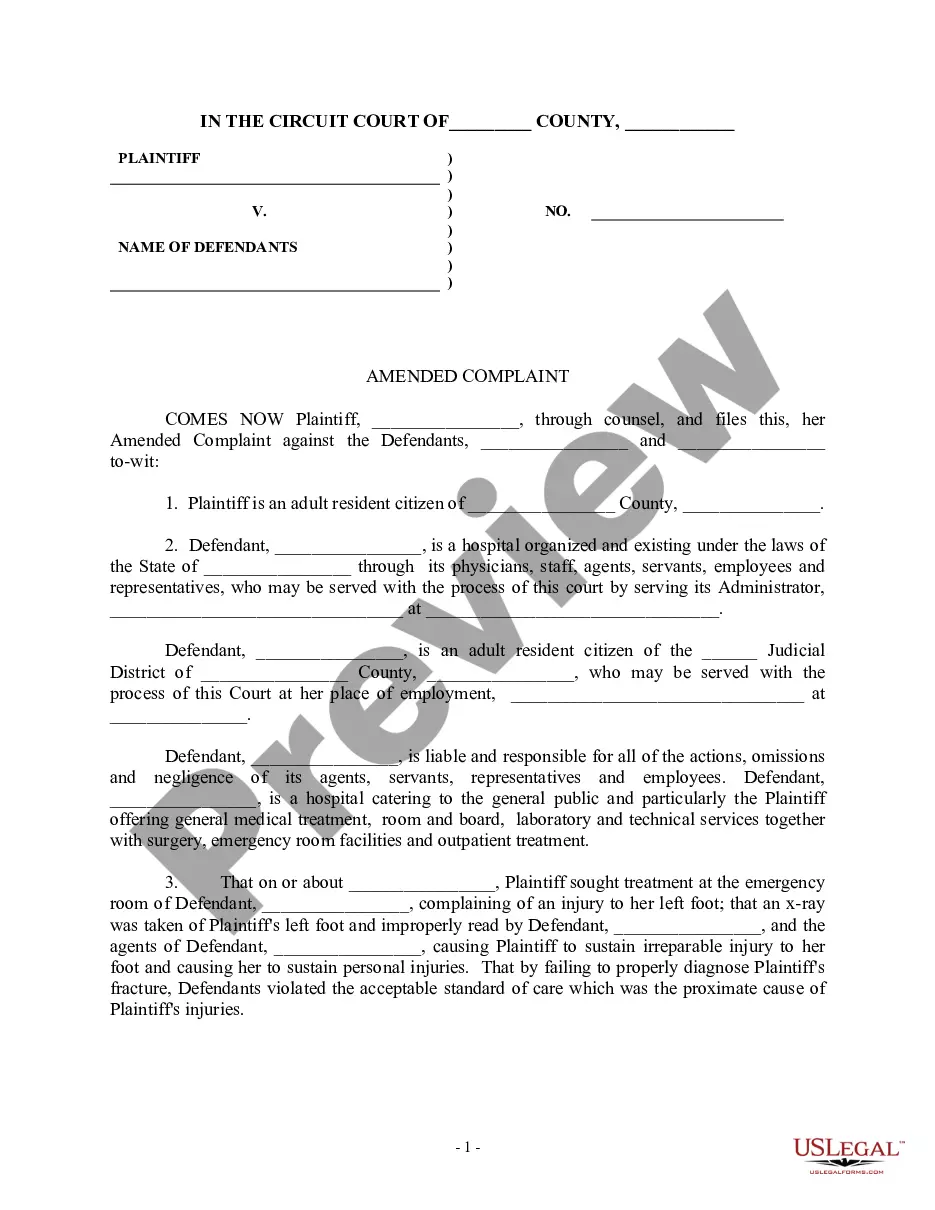
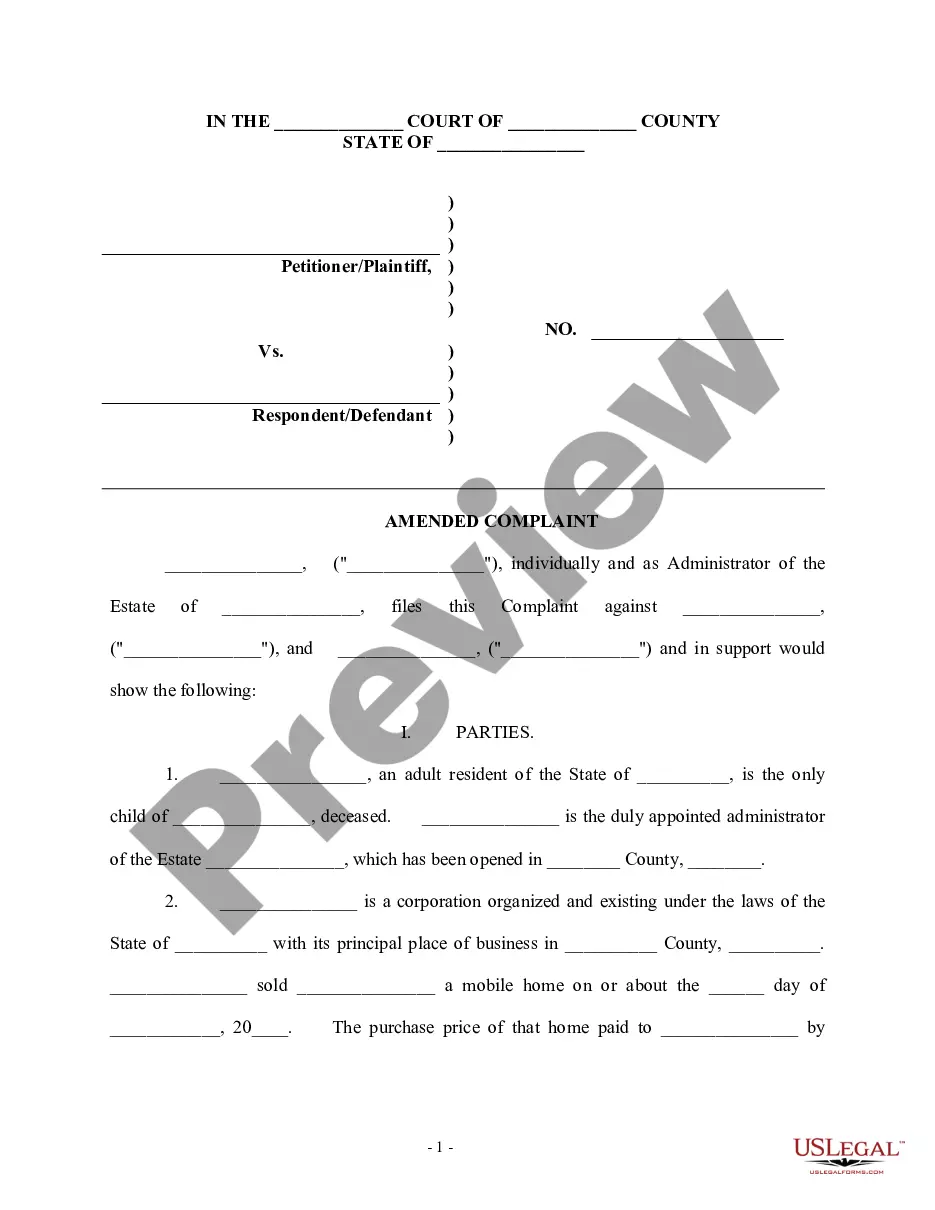
Get your form ready online
Our built-in tools help you complete, sign, share, and store your documents in one place.
Make edits, fill in missing information, and update formatting in US Legal Forms—just like you would in MS Word.
Download a copy, print it, send it by email, or mail it via USPS—whatever works best for your next step.
Sign and collect signatures with our SignNow integration. Send to multiple recipients, set reminders, and more. Go Premium to unlock E-Sign.
If this form requires notarization, complete it online through a secure video call—no need to meet a notary in person or wait for an appointment.
We protect your documents and personal data by following strict security and privacy standards.

Make edits, fill in missing information, and update formatting in US Legal Forms—just like you would in MS Word.

Download a copy, print it, send it by email, or mail it via USPS—whatever works best for your next step.

Sign and collect signatures with our SignNow integration. Send to multiple recipients, set reminders, and more. Go Premium to unlock E-Sign.

If this form requires notarization, complete it online through a secure video call—no need to meet a notary in person or wait for an appointment.

We protect your documents and personal data by following strict security and privacy standards.
Looking for another form?










Form popularity
FAQ
There is no timeline on a recovery; every journey is different. It could take you 2 months, 2 years, or 20 years to recover. There are some severe relationships that have such serious effects that survivors may never recover, but psychological help can assist in easing the pain and speed up the recovery process.
Recovering from the trauma of being abused by someone you once loved and trusted is a long process and it may take months and even years for you and your children to heal. For some people, it is also normal to experience a sense of anti-climax.
It can take years to fully recover from the damage that was done because of the psychological manipulation that you have endured. That being said, moving past the abuse and achieving full recovery is entirely possible with professional help.
There is no timeline on a recovery; every journey is different. It could take you 2 months, 2 years, or 20 years to recover. There are some severe relationships that have such serious effects that survivors may never recover, but psychological help can assist in easing the pain and speed up the recovery process.
Living through emotional abuse can lead to trauma, impacting both your mental and physical well-being. Healing after emotional abuse can take time, but it is possible to recover from the emotional wounds that abuse has caused, along with the help of an online therapist.
To address physical abuse, you should seek help and guidance from a trusted friend, family member, or members of a professional organization for victims of such acts. You also should work with a therapist to overcome your trauma.
Physical abuse is defined as any intentional act causing injury or trauma to another person through bodily contact. It is a deliberate act of force that results in harm, injury, or trauma to the victim's body. This can include a range of behaviours from hitting, slapping, and punching to more severe forms of violence.
Someone who can't take care of themselves might be described as dependent or incapable. In more specific contexts, terms like vulnerable, disabled, or needy may be used. If the inability to care for oneself is due to age or illness, terms like elderly or invalid might apply.
Support Encourage them to express their feelings. Try not to be judgemental. Encourage them to seek help and support via their local domestic abuse outreach service but don't tell them to leave the relationship if they are not ready to do this. Remember it must be their decision.
Self-neglect is a general term used to describe a vulnerable adult living in a way that puts his or her health, safety, or well-being at risk. Self-neglect by vulnerable adults is a serious problem. It can be difficult to know when or if you should get involved.
