Physical Assault On A Child In Chicago
Description


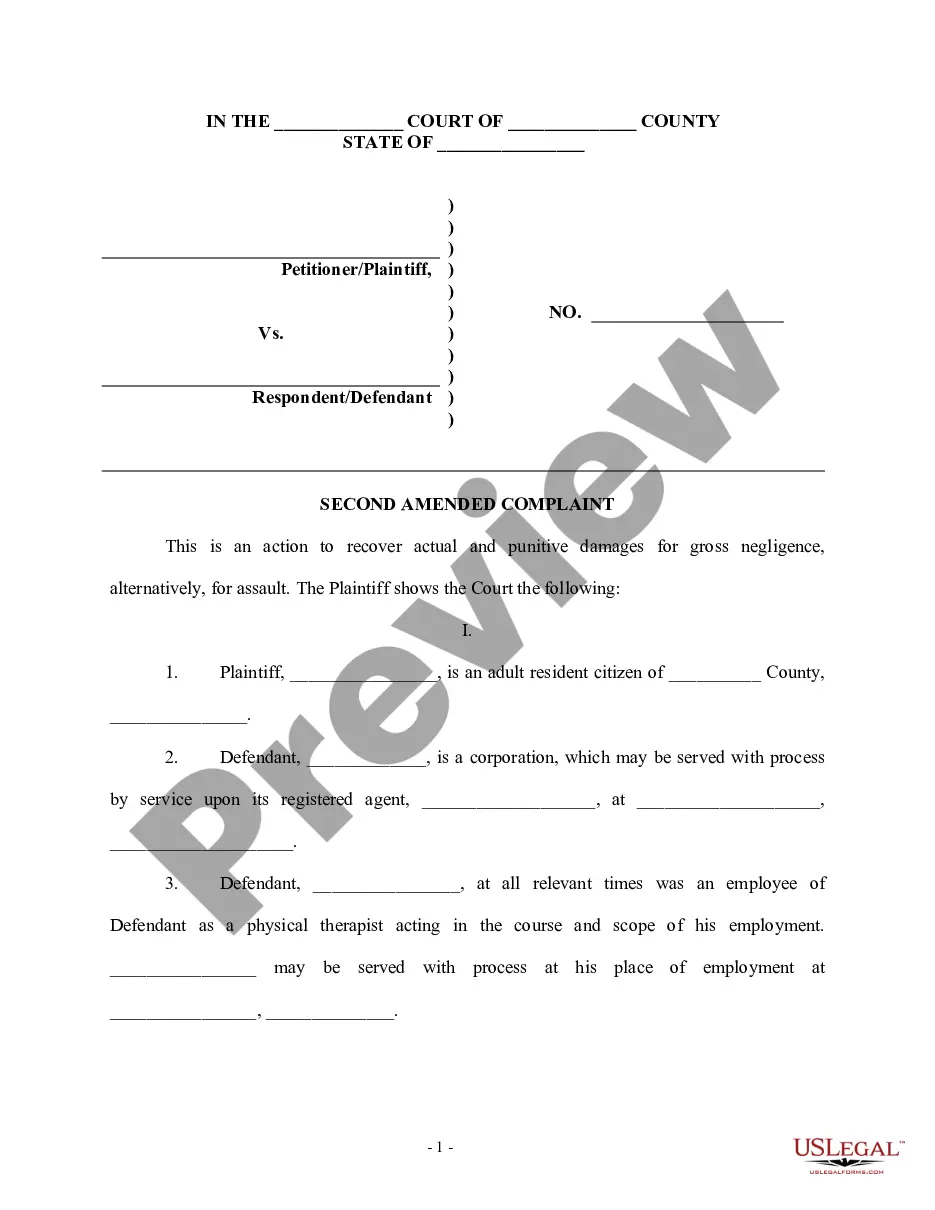
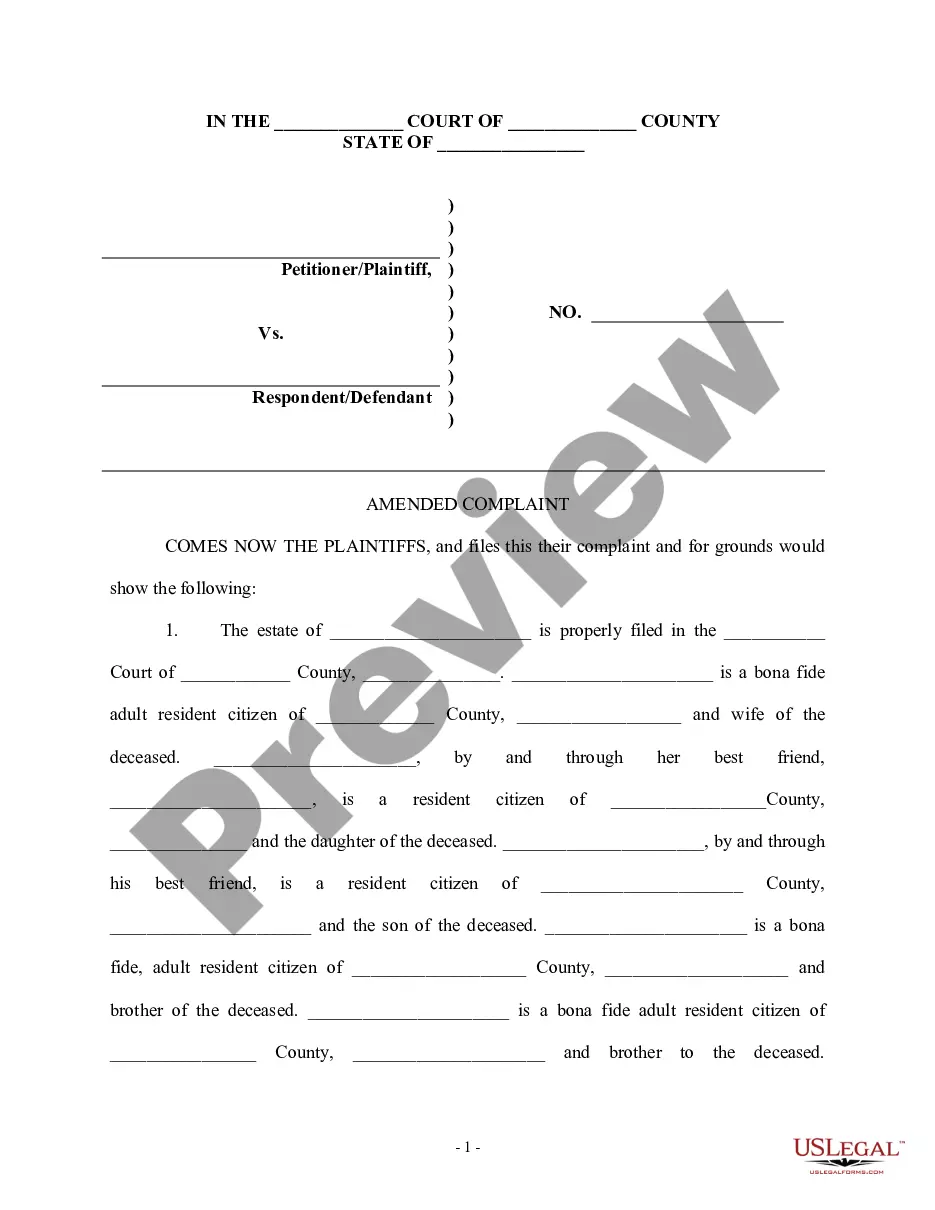
Get your form ready online
Our built-in tools help you complete, sign, share, and store your documents in one place.
Make edits, fill in missing information, and update formatting in US Legal Forms—just like you would in MS Word.
Download a copy, print it, send it by email, or mail it via USPS—whatever works best for your next step.
Sign and collect signatures with our SignNow integration. Send to multiple recipients, set reminders, and more. Go Premium to unlock E-Sign.
If this form requires notarization, complete it online through a secure video call—no need to meet a notary in person or wait for an appointment.
We protect your documents and personal data by following strict security and privacy standards.

Make edits, fill in missing information, and update formatting in US Legal Forms—just like you would in MS Word.

Download a copy, print it, send it by email, or mail it via USPS—whatever works best for your next step.

Sign and collect signatures with our SignNow integration. Send to multiple recipients, set reminders, and more. Go Premium to unlock E-Sign.

If this form requires notarization, complete it online through a secure video call—no need to meet a notary in person or wait for an appointment.

We protect your documents and personal data by following strict security and privacy standards.
Looking for another form?










Form popularity
FAQ
Mail the original to the nearest office of the Illinois Department of Children and Family Services, Attention: Child Protective Services. DCFS is an equal opportunity employer, and prohibits unlawful discrimination in all of its programs and/or services.
Aggression in childhood refers to actions like hitting, kicking, or biting that can hurt others. While it can be alarming to witness, it's often a child's way of expressing their needs and frustrations before they have the words to do so.
Making the Initial Report Once you've identified signs of abuse, the next step is to make a report. This can be done by contacting local child protective services (CPS) or law enforcement.
Report to authorities. If you know that your child has sexually assaulted or abused another child it is important to report these crimes to the proper authorities, such as Child Protective Services.
ANY regular citizen — or even any resident — regardless of age — can contact law enforcement, and present any and all evidence of a crime or crimes. Then, it is up to a prosecutor, or a district attorney or in some cases a Grand Jury to determine if “charges” should be “pressed.”
Well here's a few basic tips that can help you with those goals: Keep in mind that your child probably isn't TRYING to be bad or mean. PREVENT problems when you can. Take ACTION without insult. Help your child calm down and feel safe. TEACH your child and SHOW them how to be kind. Bonus tip.
When CPS receives a report of child abuse or neglect, they initiate an investigation to determine if the child is safe. The process involves interviewing the child, parents, and any witnesses. CPS workers may visit the child's home, school, and other relevant locations to gather evidence.
If you believe that a child is being abused emotionally or otherwise, please contact your local Child Protective Services Agency. If you believe the child is in immediate danger, call 911 immediately. You can find additional information on Child Abuse Prevention Month here.
Help is available. If you or someone else is in immediate and serious danger, you should call 911. In other cases, find a trusted adult to talk with or call the Childhelp National Child Abuse Hotline at 1-800-4-A-CHILD (1-800-422-4453) and then press 1.
The Department of Children and Family Services (DCFS) helps thousands of children find permanent, loving homes; and helps thousands more reunite with loved ones.
