Physical Abuse For Adults In Broward
Description

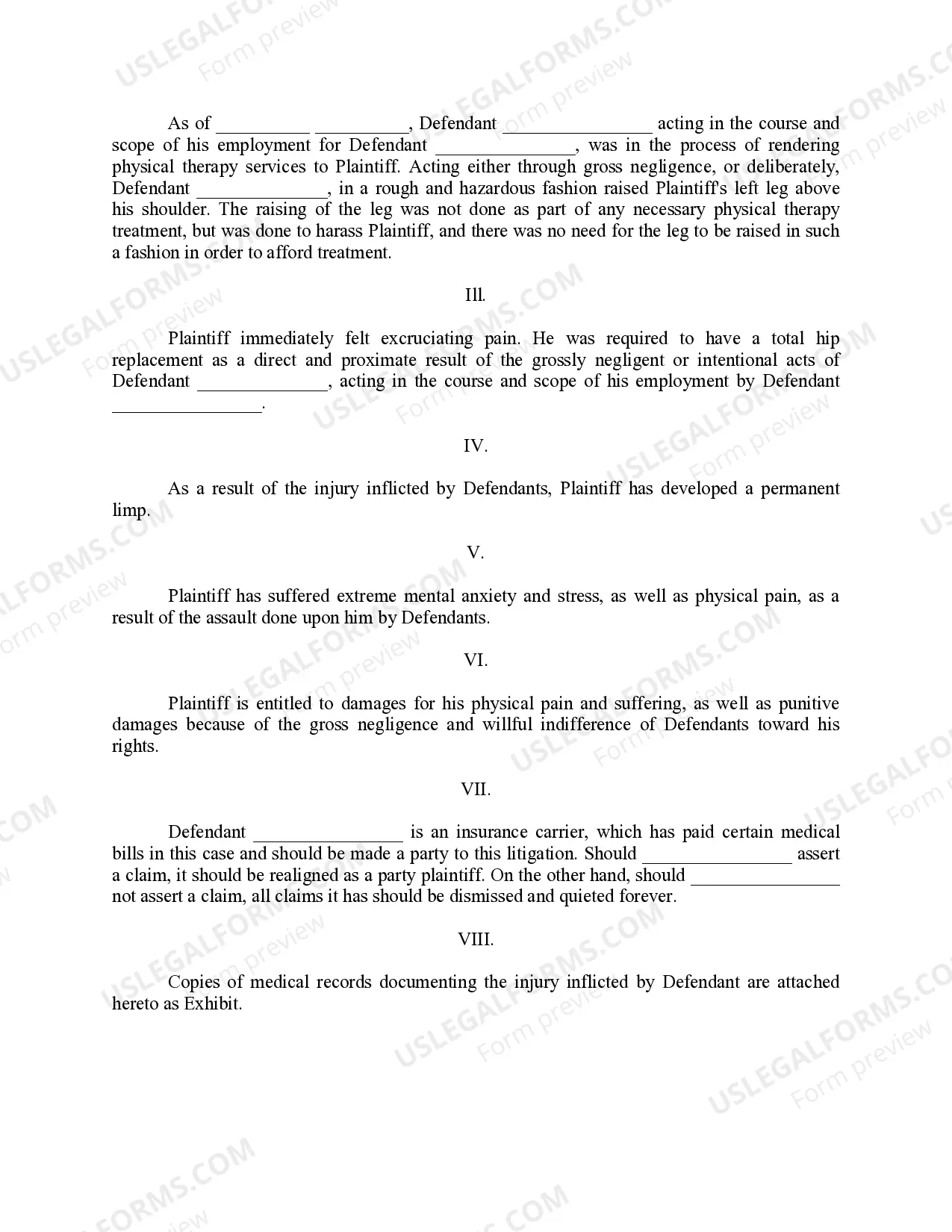
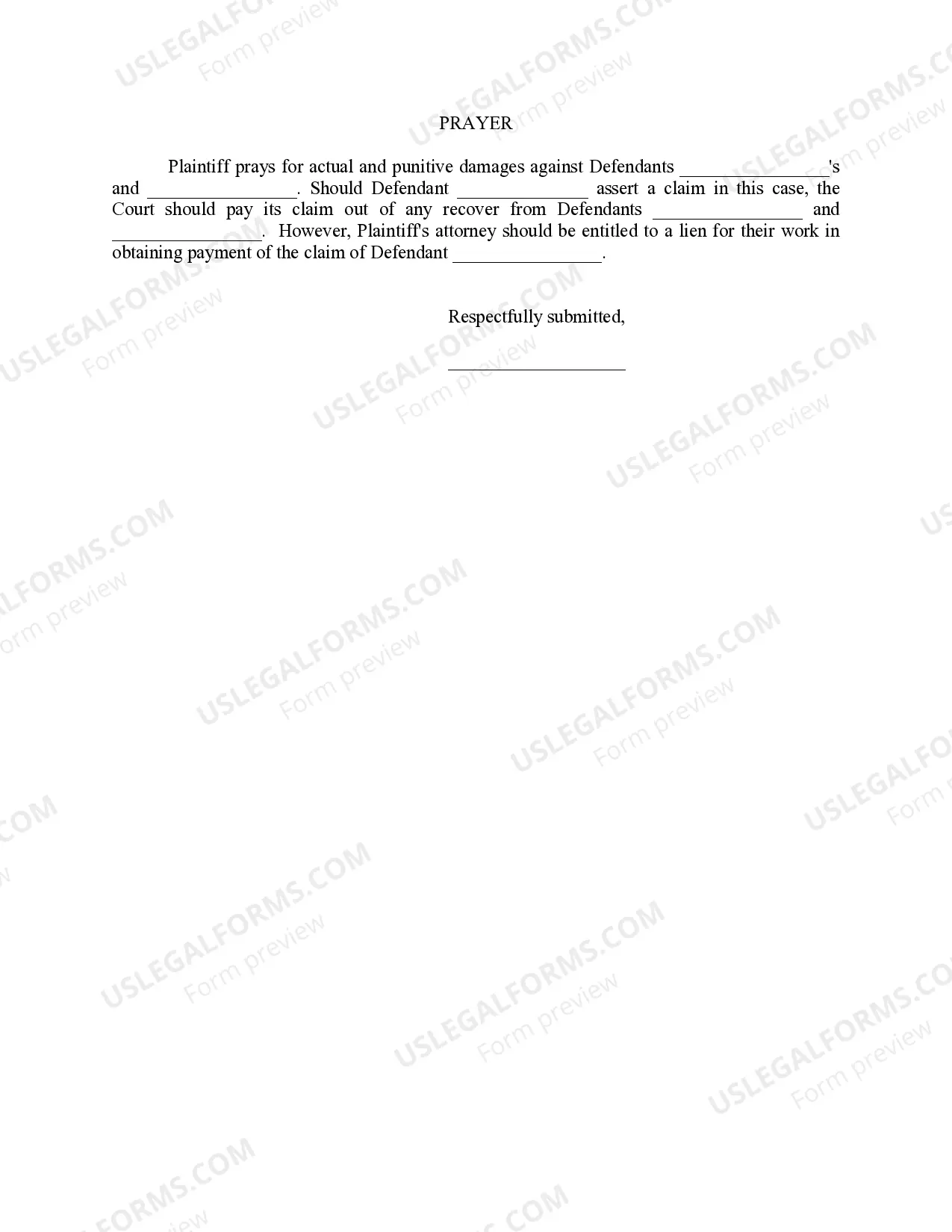

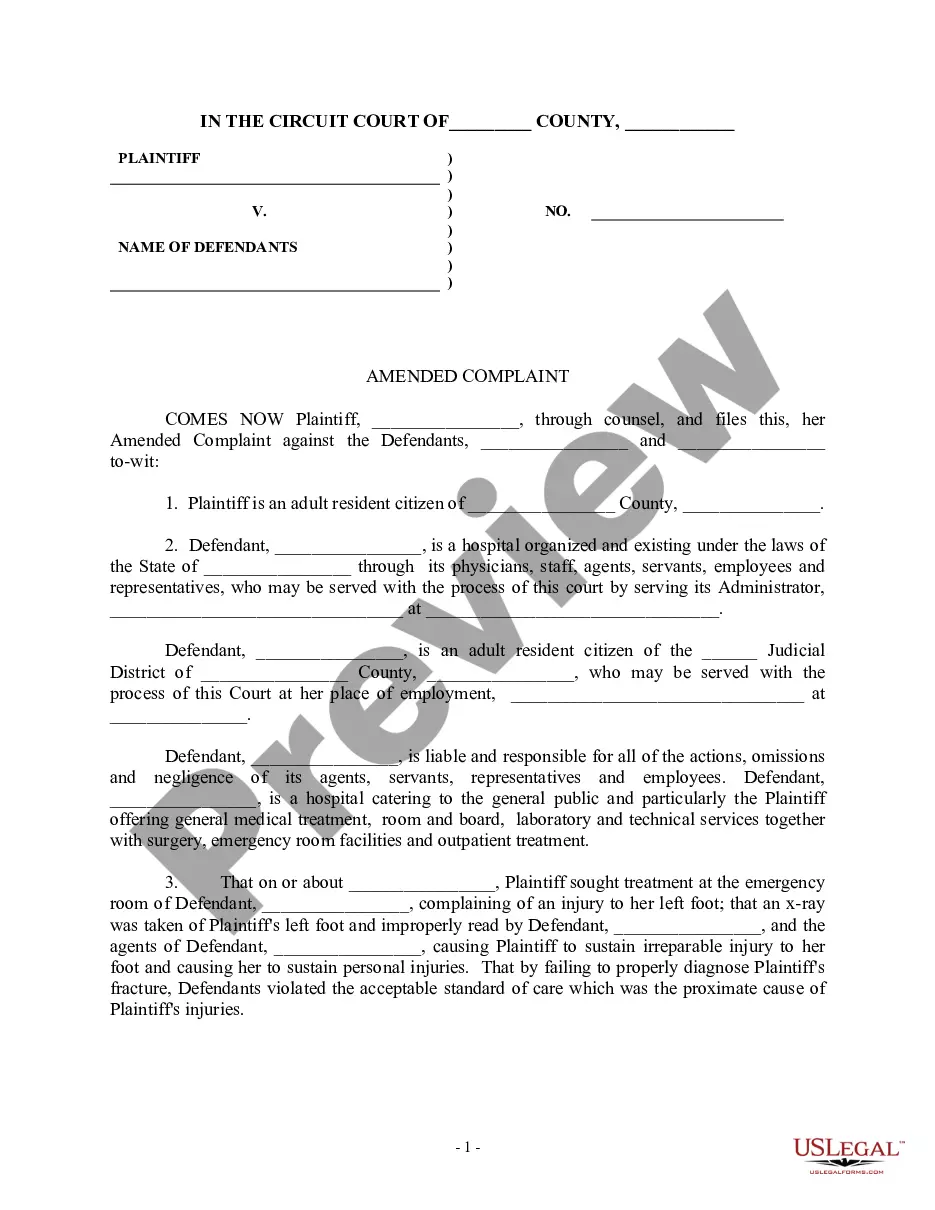
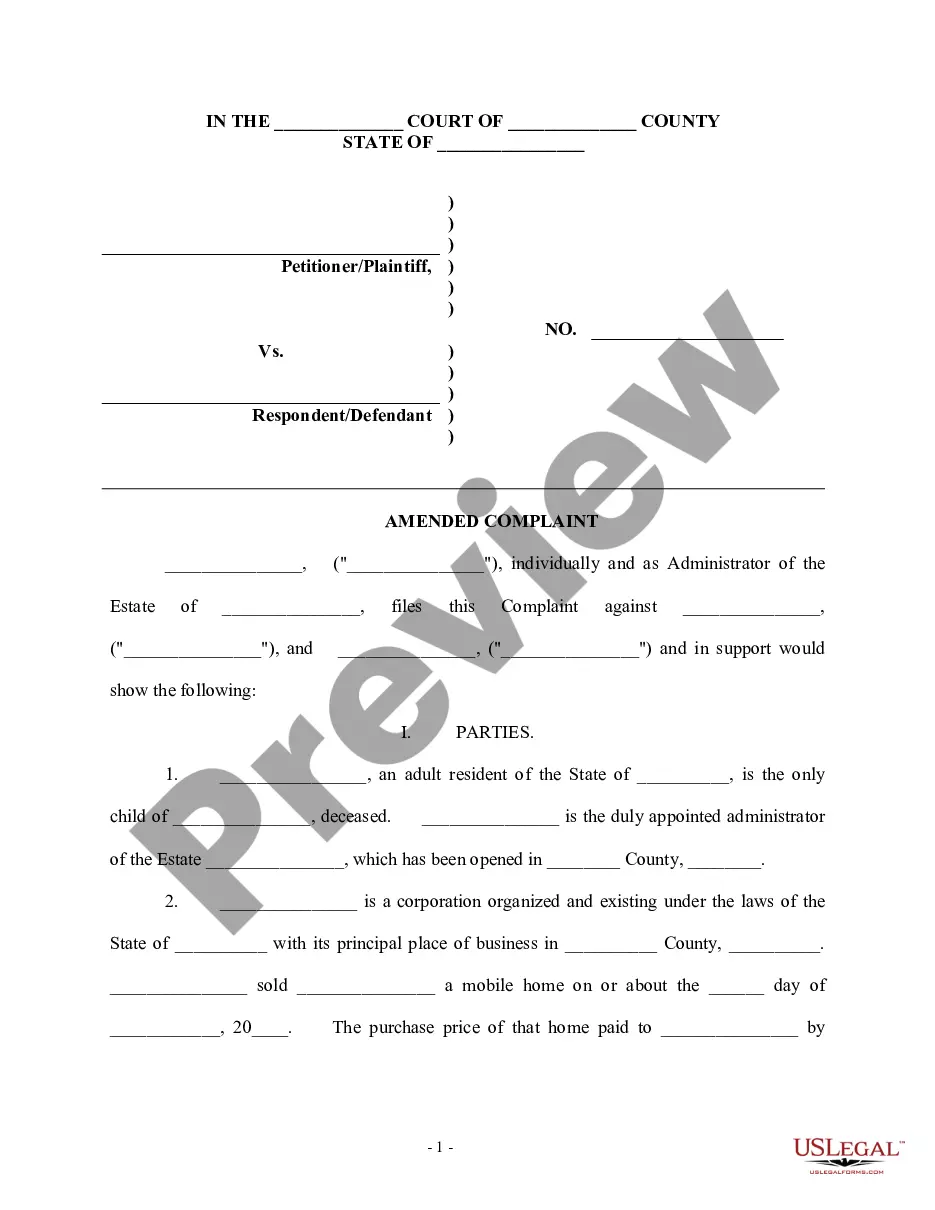
Get your form ready online
Our built-in tools help you complete, sign, share, and store your documents in one place.
Make edits, fill in missing information, and update formatting in US Legal Forms—just like you would in MS Word.
Download a copy, print it, send it by email, or mail it via USPS—whatever works best for your next step.
Sign and collect signatures with our SignNow integration. Send to multiple recipients, set reminders, and more. Go Premium to unlock E-Sign.
If this form requires notarization, complete it online through a secure video call—no need to meet a notary in person or wait for an appointment.
We protect your documents and personal data by following strict security and privacy standards.

Make edits, fill in missing information, and update formatting in US Legal Forms—just like you would in MS Word.

Download a copy, print it, send it by email, or mail it via USPS—whatever works best for your next step.

Sign and collect signatures with our SignNow integration. Send to multiple recipients, set reminders, and more. Go Premium to unlock E-Sign.

If this form requires notarization, complete it online through a secure video call—no need to meet a notary in person or wait for an appointment.

We protect your documents and personal data by following strict security and privacy standards.
Looking for another form?







Form popularity
FAQ
Unsourced material may be challenged and removed. A vulnerable adult, sometimes called an incapacitated adult, is an adult who, due to mental or bodily disability, cannot take care of themselves without help from others.
Specifically, this section of the statute provides that “a vulnerable adult who has been abused, neglected, or exploited as specified in this chapter has a cause of action against any perpetrator and may recover actual and punitive damages for such abuse, neglect, or exploitation.
Examples of vulnerable adults: Older people. People with disabilities. mental health conditions. receiving care and support. who are homeless. subjected to domestic abuse. have experienced sexual abuse. subjected to trafficking or exploitation.
(28) “Vulnerable adult” means a person 18 years of age or older whose ability to perform the normal activities of daily living or to provide for his or her own care or protection is impaired due to a mental, emotional, sensory, long-term physical, or developmental disability or dysfunction, or brain damage, or the ...
Elder abuse refers to any knowing, intentional or negligent act causing harm or a serious risk of harm to a vulnerable adult. Abuse, neglect, exploitation, or fraud can happen anywhere, anytime, and often affects the most vulnerable members of our community.
The Adult Protective Services Program is responsible for preventing further harm to vulnerable adults who are victims of abuse, neglect, exploitation or self-neglect. (Chapter 415, F.S.). These adults may experience abuse, neglect, or exploitation by second parties or may fail to take care of themselves adequately.
(28) “Vulnerable adult” means a person 18 years of age or older whose ability to perform the normal activities of daily living or to provide for his or her own care or protection is impaired due to a mental, emotional, sensory, long-term physical, or developmental disability or dysfunction, or brain damage, or the ...
The Adult Protective Services Program is responsible for preventing further harm to vulnerable adults who are victims of abuse, neglect, exploitation or self-neglect. (Chapter 415, F.S.). These adults may experience abuse, neglect, or exploitation by second parties or may fail to take care of themselves adequately.
Elder abuse refers to any knowing, intentional or negligent act causing harm or a serious risk of harm to a vulnerable adult. Abuse, neglect, exploitation, or fraud can happen anywhere, anytime, and often affects the most vulnerable members of our community.
As is the case with any adult, victims have the right to decline protective services unless a qualified professional determines they are unable to make decisions for themselves.
