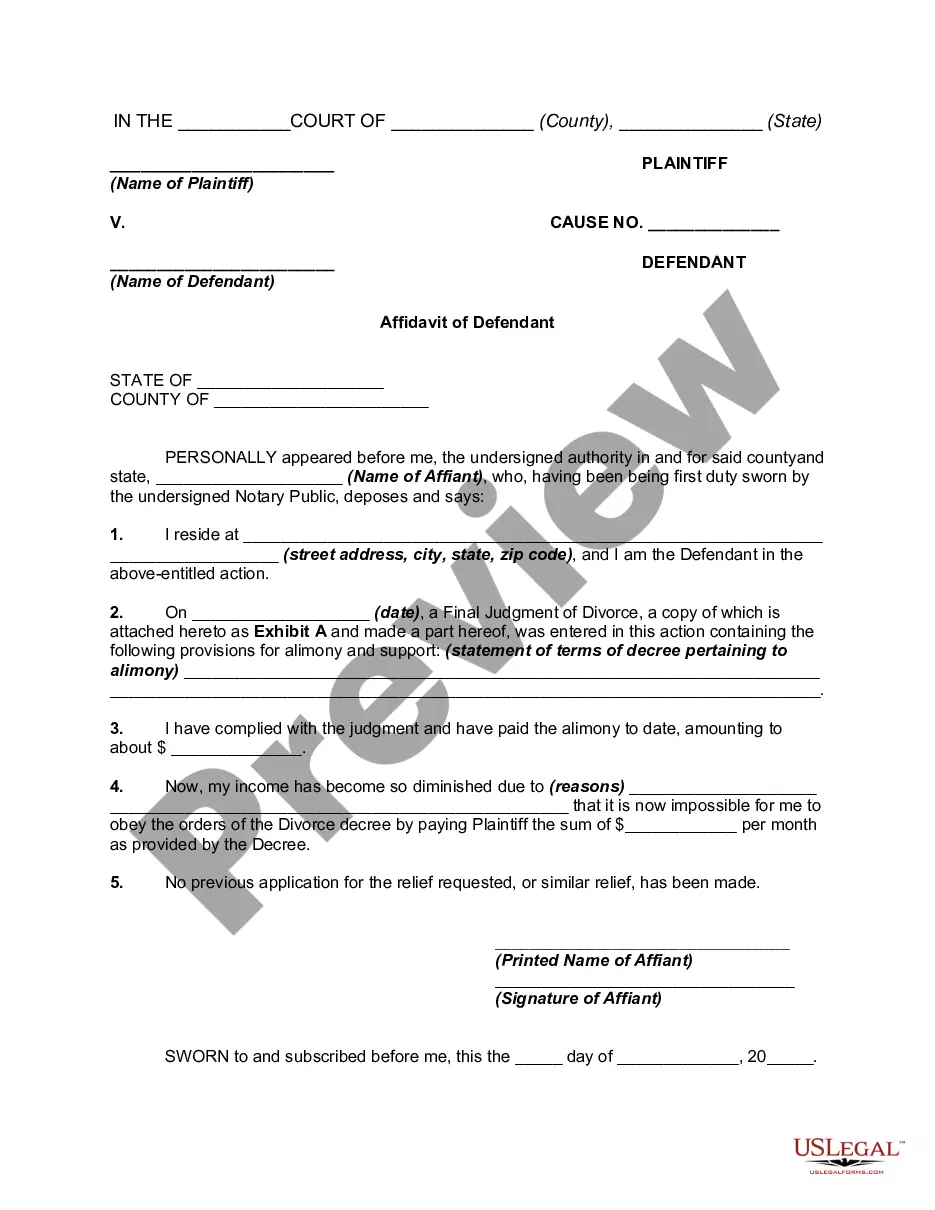
Physical Assault On A Woman In Arizona
Description
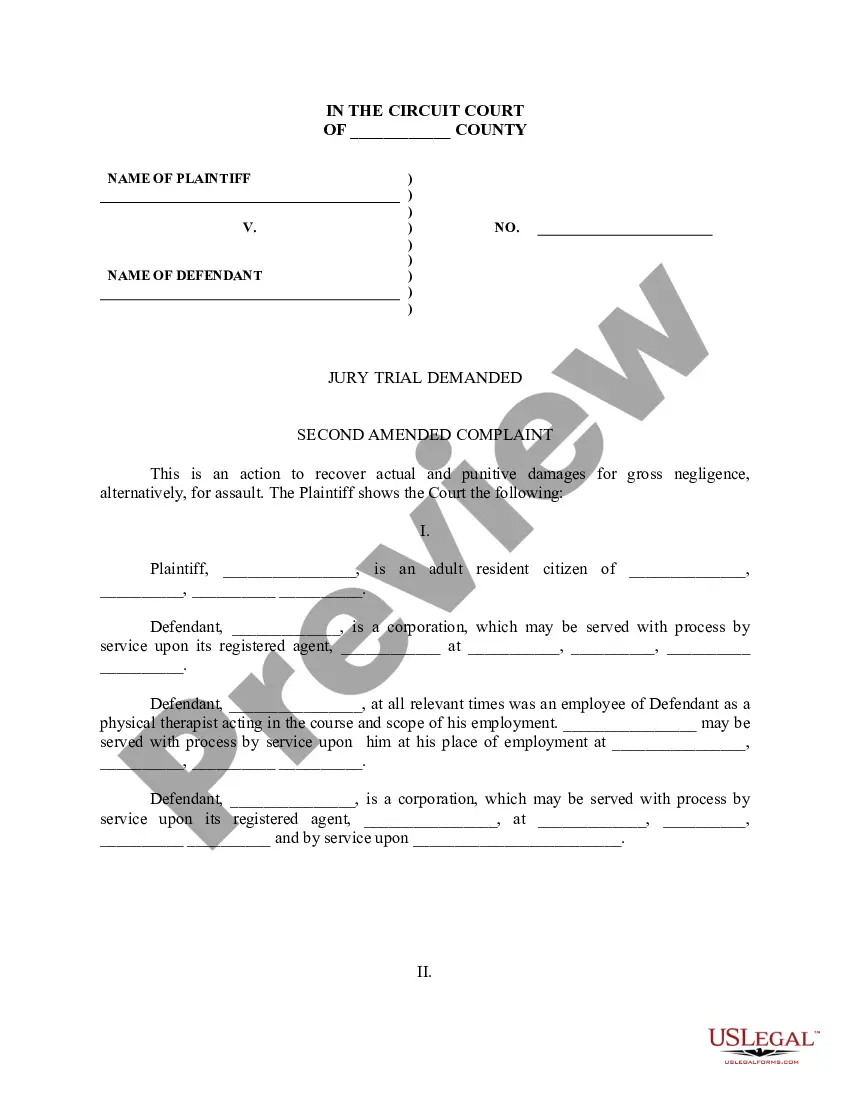
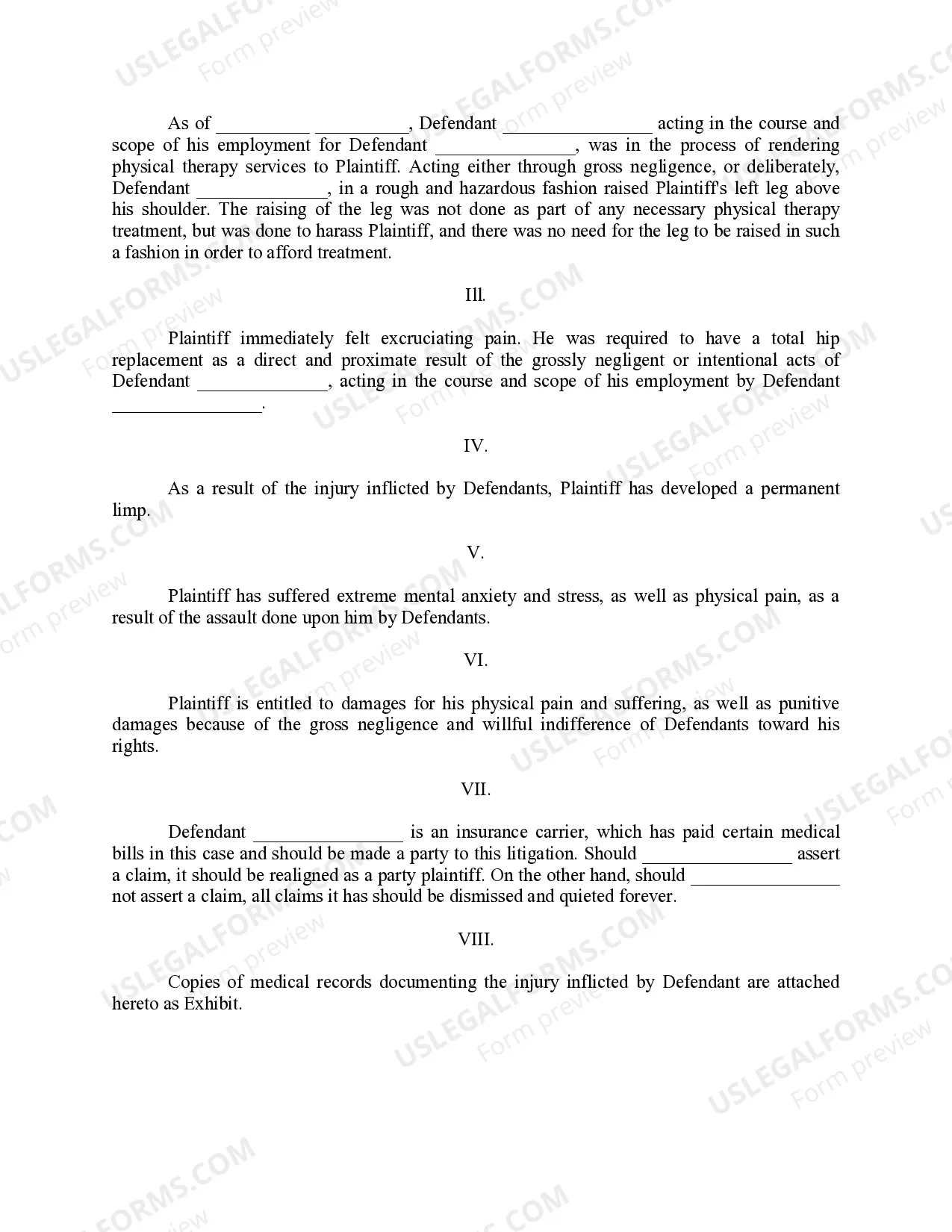
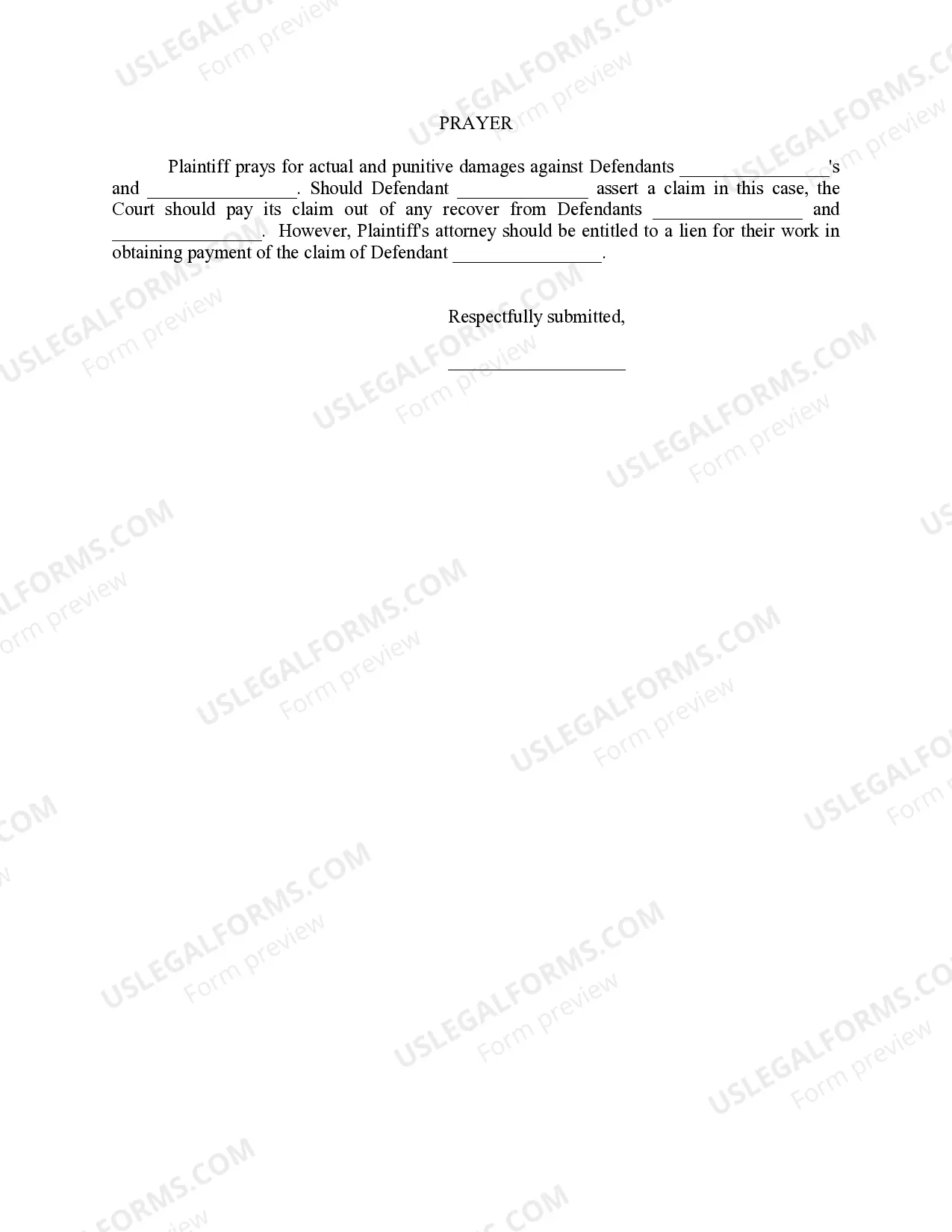
Get your form ready online
Our built-in tools help you complete, sign, share, and store your documents in one place.
Make edits, fill in missing information, and update formatting in US Legal Forms—just like you would in MS Word.
Download a copy, print it, send it by email, or mail it via USPS—whatever works best for your next step.
Sign and collect signatures with our SignNow integration. Send to multiple recipients, set reminders, and more. Go Premium to unlock E-Sign.
If this form requires notarization, complete it online through a secure video call—no need to meet a notary in person or wait for an appointment.
We protect your documents and personal data by following strict security and privacy standards.

Make edits, fill in missing information, and update formatting in US Legal Forms—just like you would in MS Word.

Download a copy, print it, send it by email, or mail it via USPS—whatever works best for your next step.

Sign and collect signatures with our SignNow integration. Send to multiple recipients, set reminders, and more. Go Premium to unlock E-Sign.

If this form requires notarization, complete it online through a secure video call—no need to meet a notary in person or wait for an appointment.

We protect your documents and personal data by following strict security and privacy standards.
Looking for another form?
Form popularity
FAQ
Ways to document abuse include: Keeping a journal of what you experience, including descriptions of how the incident made you feel. Writing down statements you, your partner, or any witnesses make before, during, or after the abuse. Recording dates, times, and descriptions of incidents.
Class 1 misdemeanor: Up to six months in jail and a fine of up to $2,500. Class 2 misdemeanor: Up to four months in jail and a fine of up to $750. Class 3 misdemeanor: Up to 30 days in jail and a fine of up to $500. Class 2 felony: 7 to 21 years in prison and a maximum fine of $150,000.
However, to be most effective, courts need batterer intervention programs, probation departments, shelters, counseling services for victims, and supervised visitation programs.
Character witnesses play a big role in criminal defense, especially in cases of domestic violence. Their job is to give the court a different view of the defendant's personality, ethics, and behavior. These witnesses can counter the prosecution's narrative and get you a better outcome.
For example, if a person commits an assault against a roommate, spouse, ex-spouse, romantic partner, or ex-spouse's new boyfriend or girlfriend, that assault would be considered domestic violence because of the nature of their relationship.
Arizona definition of domestic violence/abuse Domestic violence includes any one of the following acts when they happen between household or family members: Murder, manslaughter, or negligent homicide. Physical assault, such as hitting or kicking. Sexual assault. Threatening words or conduct.
Arizona definition of domestic violence/abuse Domestic violence includes any one of the following acts when they happen between household or family members: Murder, manslaughter, or negligent homicide. Physical assault, such as hitting or kicking. Sexual assault.
Defining Verbal Assault and Domestic Abuse in Arizona On the other hand, domestic abuse is governed by A.R.S. §13-3601. It includes a variety of offenses committed against a family or household member, including physical assault, sexual assault, and emotional abuse.
In Arizona, assault charges can result from many different scenarios. Pushing, hitting, pinching, biting, and slapping are all examples of assault. Arizona's assault laws even include using fighting words or verbal threats. As such, swearing, taunting, and threatening can all result in assault charges in Arizona.
Can You Sue Someone for Assault? Yes, you can sue someone for assault with the intent to win financial damages in court because the act of assault can be both a crime and a civil tort. When someone commits a civil tort such as assault, they do civil wrongdoing, which is not the same as a criminal wrong.