Mortgage Note - Buyer to Seller
Understanding this form
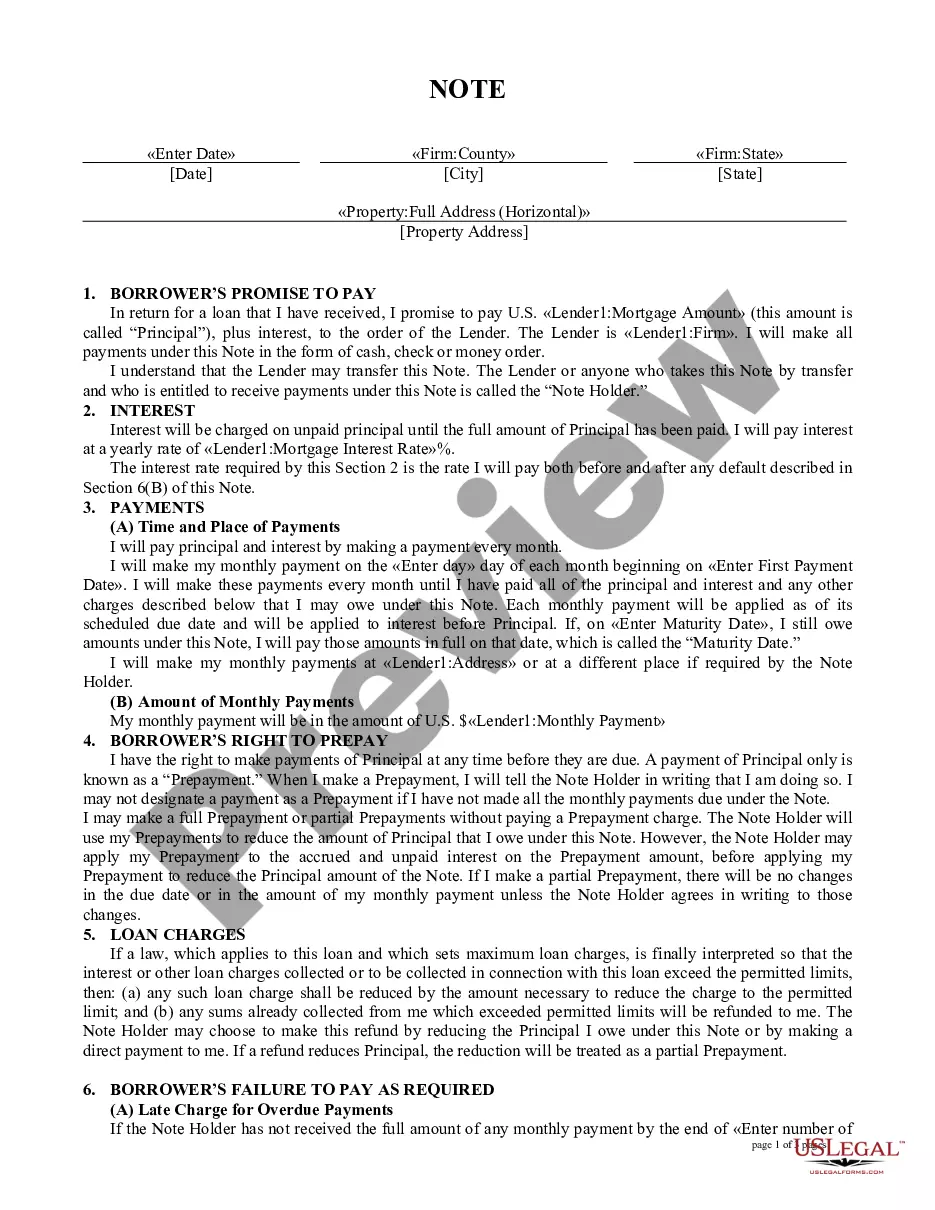
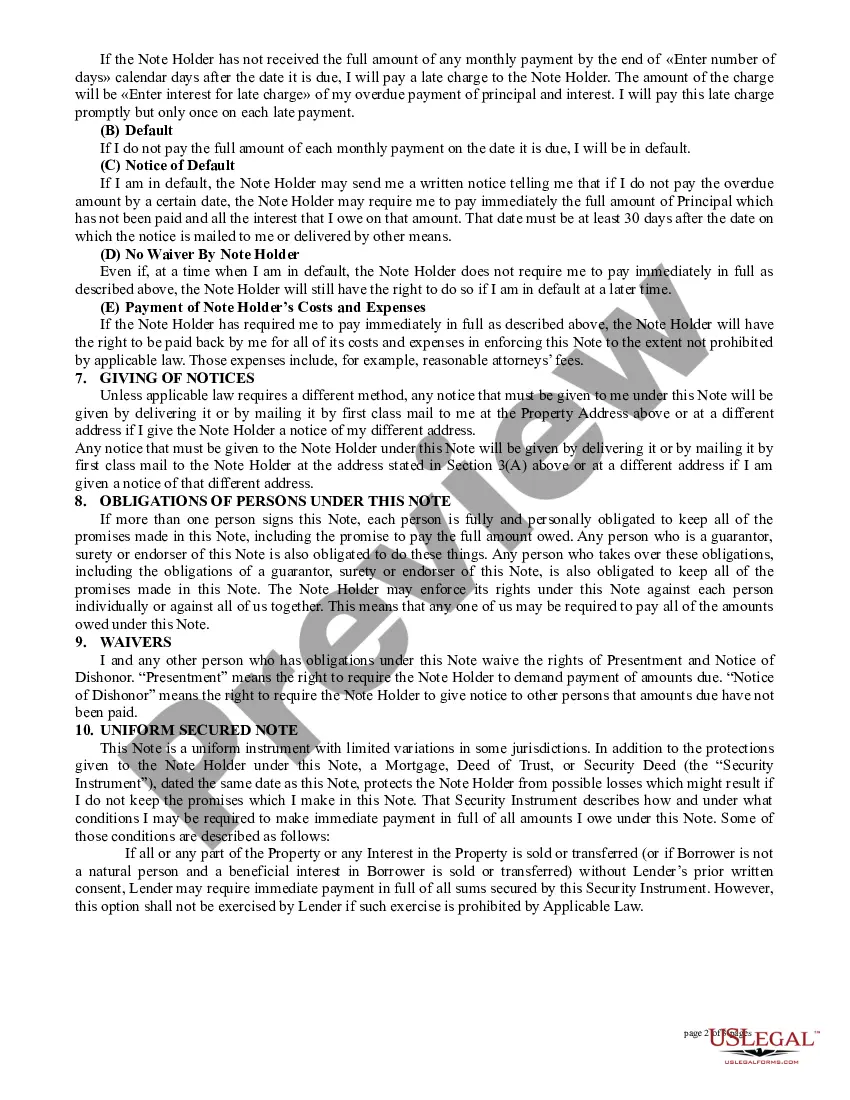
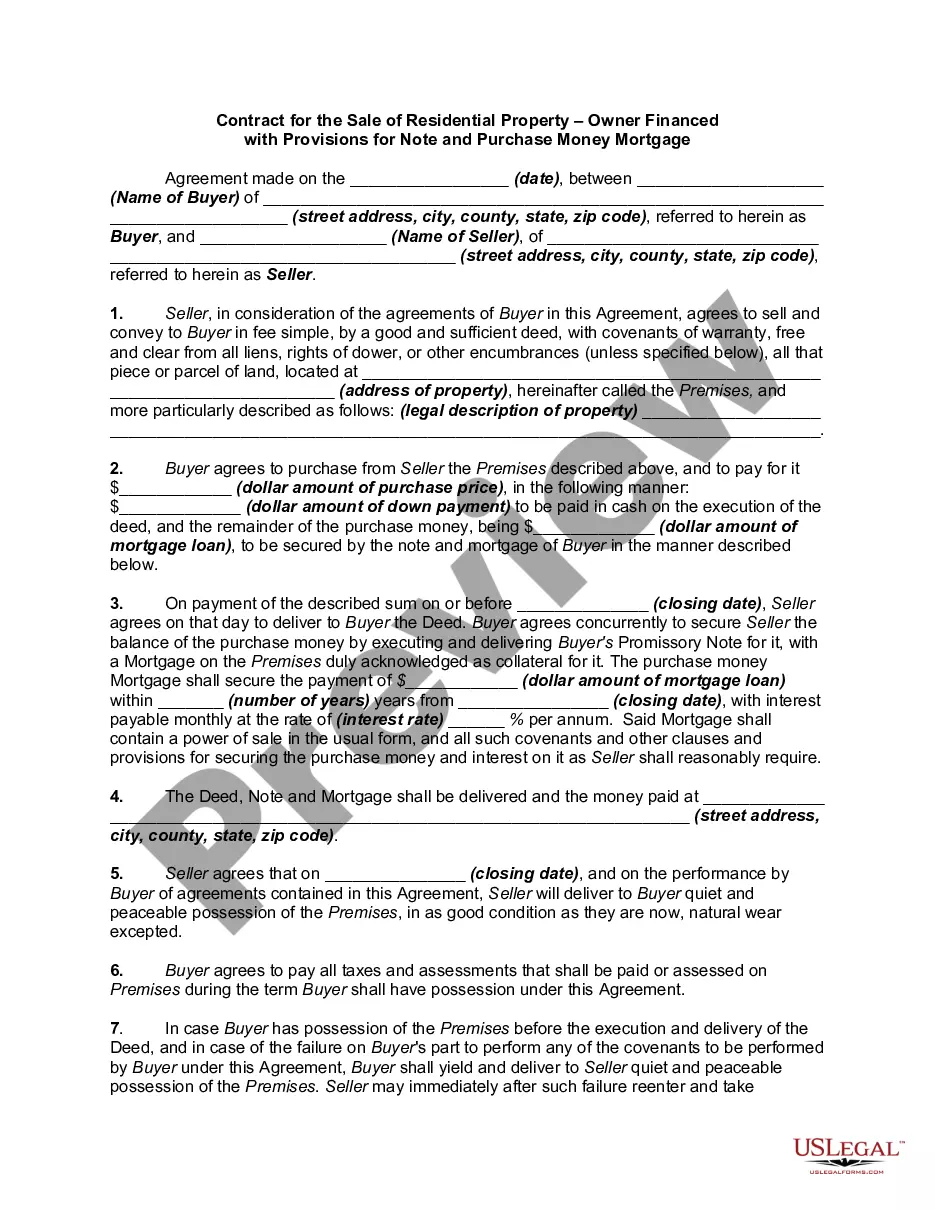
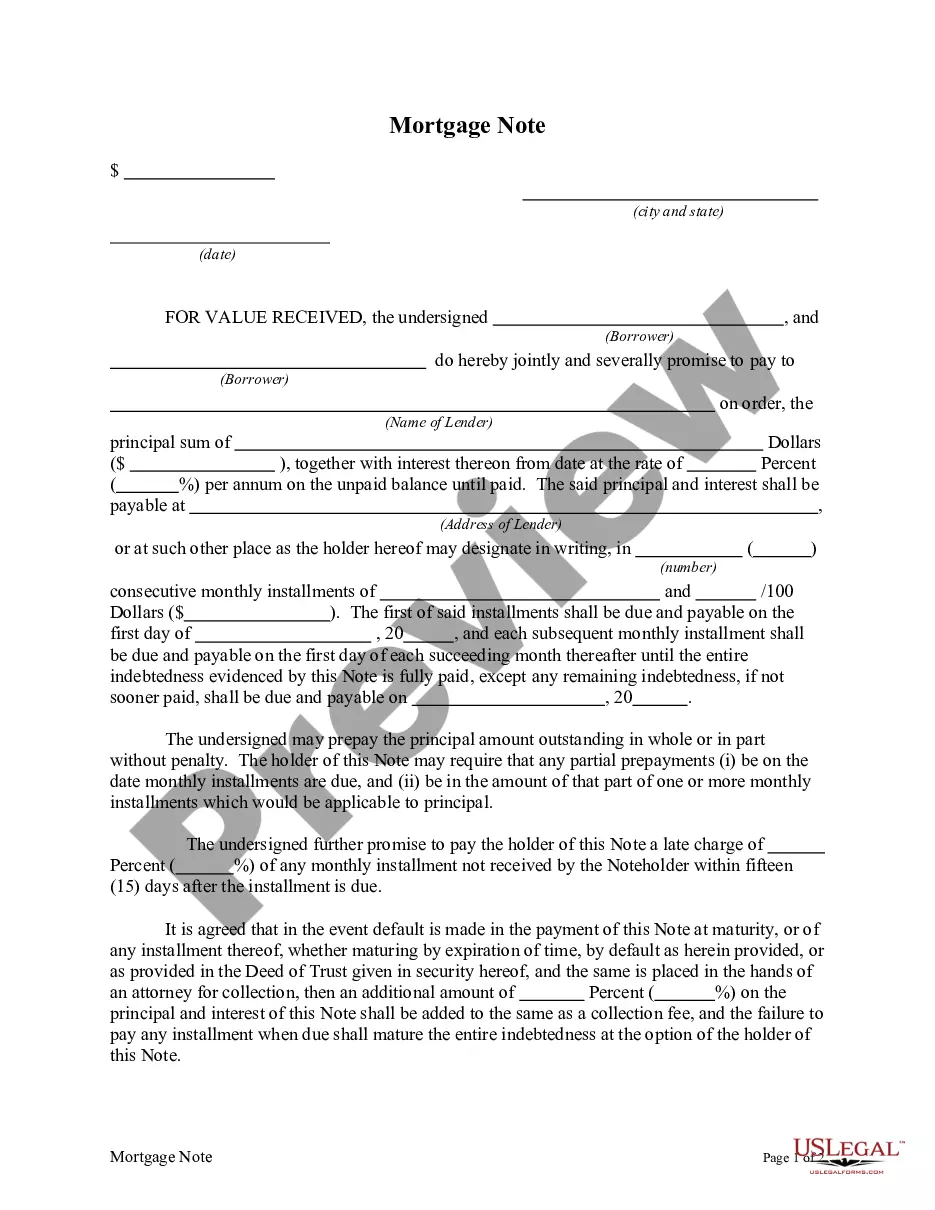
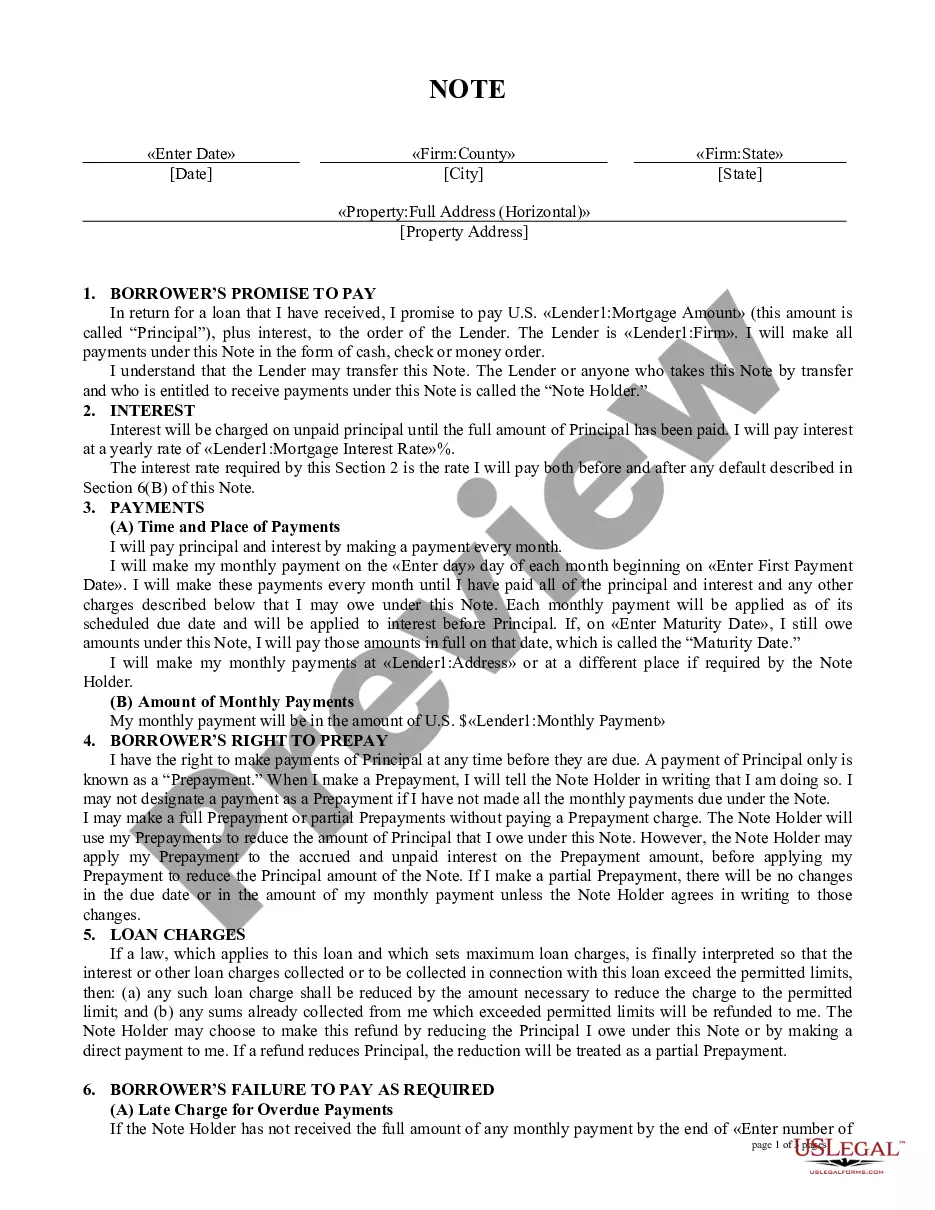
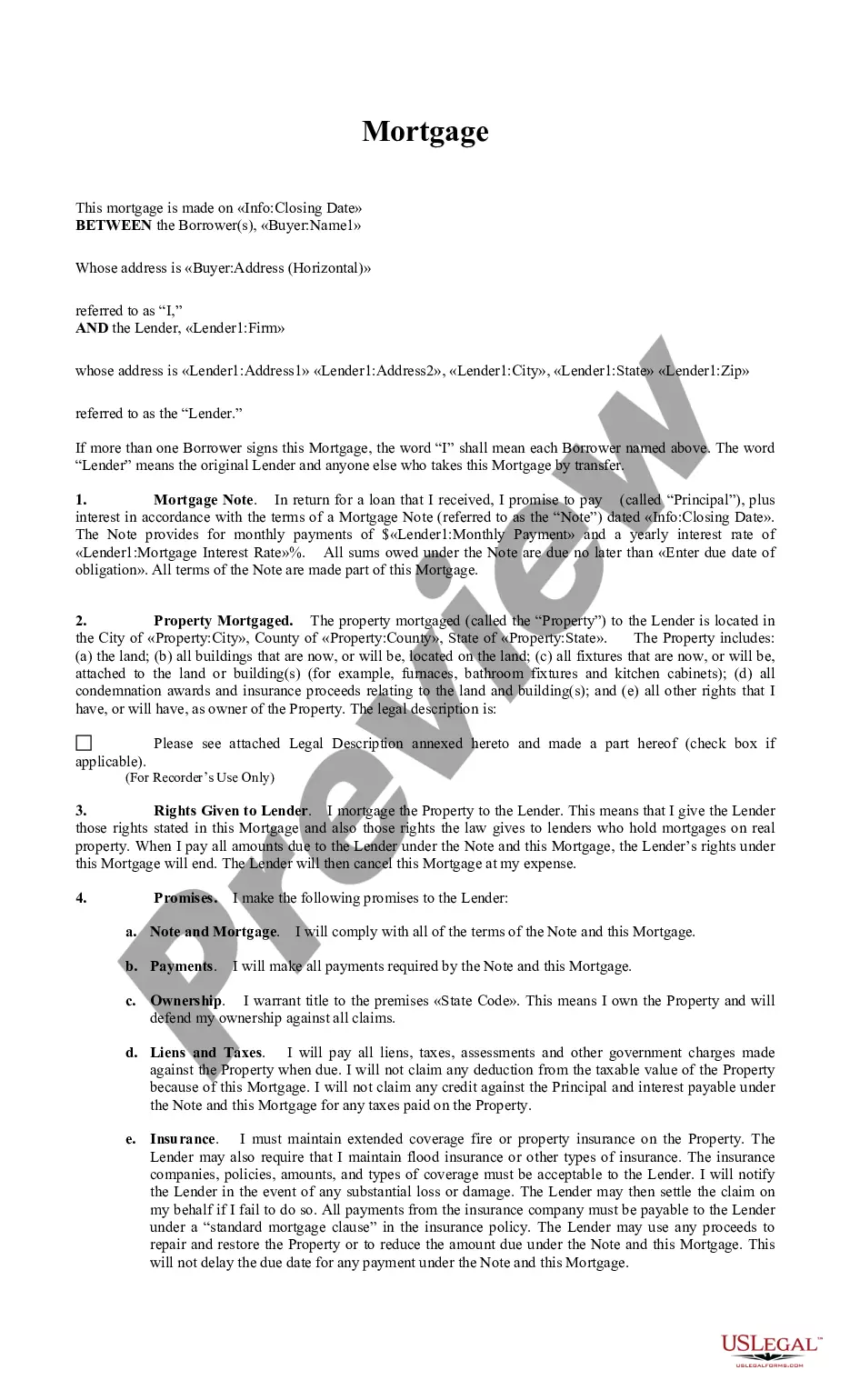
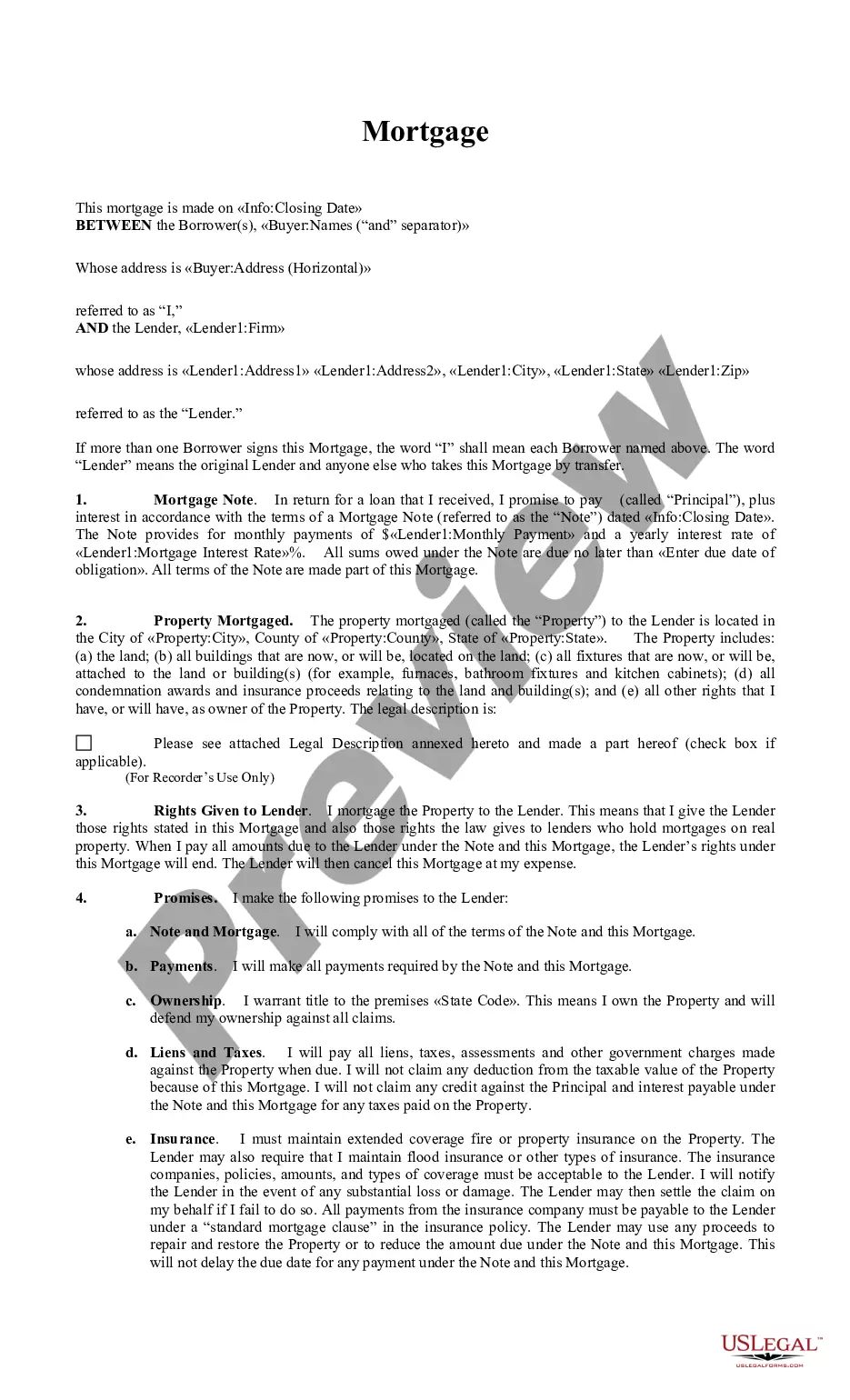
A Mortgage Note - Buyer to Seller is a legal document that serves as a promissory note from the buyer to the seller, obligating the buyer to repay a specified sum of money plus interest under specific terms. This form differs from a mortgage or deed of trust, which secures the buyer's obligation by pledging the property as collateral. The Mortgage Note details the amount borrowed, the repayment schedule, and the interest rate, making it essential for financing a real estate purchase directly from the seller.
Form components explained
- Borrower's promise to pay, including principal and interest.
- Details on the interest rate and payment schedule.
- Terms for prepayment and any associated charges.
- Consequences of late payments, including late fees.
- Obligations of all parties involved, including co-signers and guarantors.
When to use this form
This form is needed when a buyer seeks to finance a property directly from the seller instead of through a traditional lender. It is appropriate when both parties agree on the loan amount, interest rate, and repayment terms. Use this Mortgage Note in situations where seller financing is involved, enabling the buyer to make payments directly to the seller over time.
Who this form is for
- Real estate buyers who are financing their purchase through the seller.
- Sellers who wish to provide financing options to buyers.
- Borrowers who need a structured repayment agreement with clear terms.
- Individuals seeking a simple and direct approach to real estate transactions.
Completing this form step by step
- Enter the date and the full property address.
- Specify the borrower's promise to pay the loan amount, detailing the principal and interest rates.
- Set the schedule for monthly payments, including the due date and starting date.
- Include any terms for prepayment and penalties for late payments.
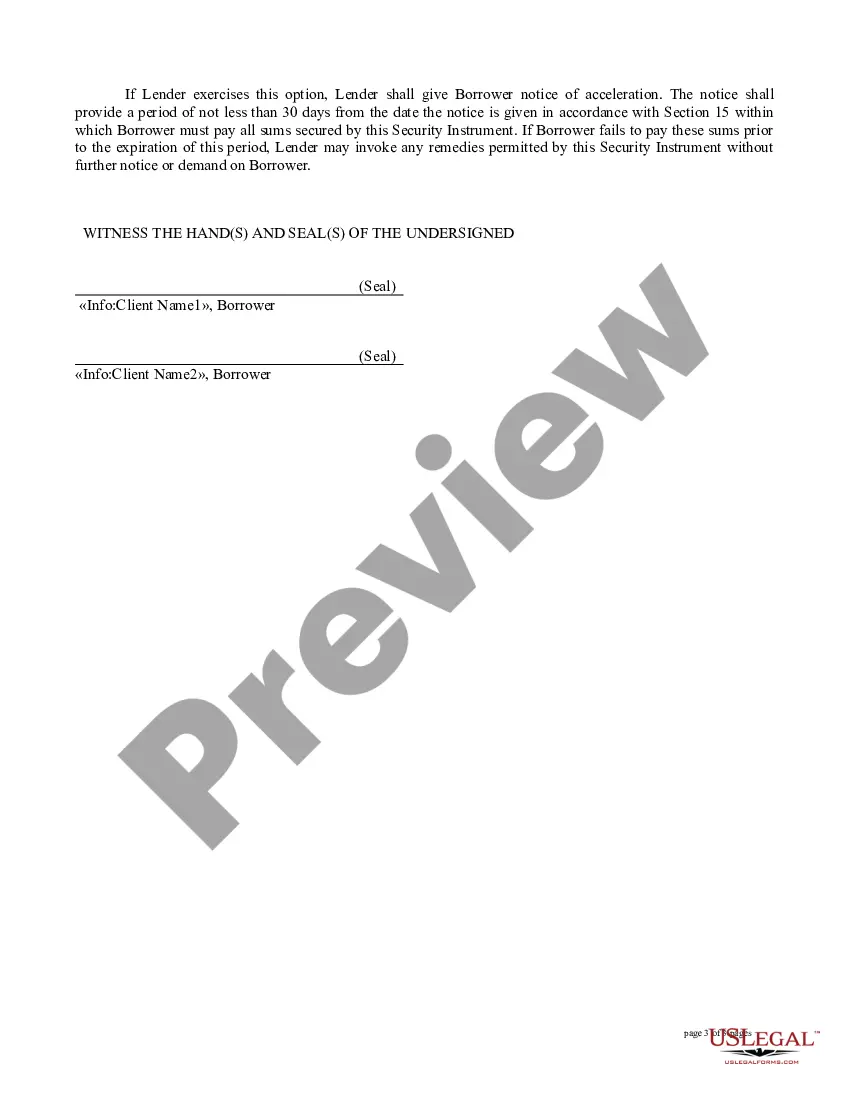
- Ensure all parties sign the document where required to make it legally binding.
Notarization requirements for this form
This form does not typically require notarization unless specified by local law. It is advisable to verify any specific requirements in your jurisdiction that could impact the enforceability of the Mortgage Note.
Get your form ready online
Our built-in tools help you complete, sign, share, and store your documents in one place.
Make edits, fill in missing information, and update formatting in US Legal Forms—just like you would in MS Word.
Download a copy, print it, send it by email, or mail it via USPS—whatever works best for your next step.
Sign and collect signatures with our SignNow integration. Send to multiple recipients, set reminders, and more. Go Premium to unlock E-Sign.
If this form requires notarization, complete it online through a secure video call—no need to meet a notary in person or wait for an appointment.
We protect your documents and personal data by following strict security and privacy standards.

Make edits, fill in missing information, and update formatting in US Legal Forms—just like you would in MS Word.

Download a copy, print it, send it by email, or mail it via USPS—whatever works best for your next step.

Sign and collect signatures with our SignNow integration. Send to multiple recipients, set reminders, and more. Go Premium to unlock E-Sign.

If this form requires notarization, complete it online through a secure video call—no need to meet a notary in person or wait for an appointment.

We protect your documents and personal data by following strict security and privacy standards.
Mistakes to watch out for
- Failing to enter all required information, leading to incomplete agreements.
- Not specifying the repayment terms clearly, causing confusion later.
- Overlooking the need for signatures from all parties involved.
Advantages of online completion
- Convenient access to a professionally drafted legal document.
- Editability allows for customization to fit specific needs.
- Reliable templates ensure legal compliance and clarity in obligations.
Looking for another form?
Form popularity
FAQ
The lender keeps the original promissory note until you have fulfilled all obligations, i.e., paid off, your mortgage. A promissory note will generally contain the following information: The total amount of money borrowed; Your interest rate (either fixed or adjustable);
Yes, mortgages are public records because real estate transactions are a matter of public record. Mortgages and deeds of trust also document changes in ownership. The promissory note doesn't get filed with any government authority, so it's technically not entered into the public record.
The value of a mortgage note depends on several variables. Reputable buyers may offer around $0.70 on the dollar for the remaining principal balance, depending on the amount of risk they must take on should they purchase the note.
The Lender or anyone who takes this Note by transfer and who is entitled to receive payments under this Note is called the ?Note Holder.? Interest will be charged on unpaid principal until the full amount of Principal has been paid.
To Recap: The Deed is a recorded document memorializing the transfer of property from the Grantor to the Grantee. The Note is an unrecorded paper that binds an individual who has assumed debt through a promise-to-pay instrument.
Selling a Mortgage Note A mortgage note is usually sold to a buyer when the seller no longer wants to wait for the payments and needs a lump sum of cash immediately. In this case, the current owner of the mortgage note would sell the note, relinquishing his or her claim to the obligations of the borrower.
Who holds the mortgage note? As the borrower, you'll receive a copy of your mortgage note at closing, not the original. The original mortgage note is held by your mortgage lender or servicer until (or unless) the lender sells it on the secondary market ? most lenders do this relatively quickly after closing.
Mortgage note buyers provide the owner of a mortgage note with a way to receive a lump sum of cash upfront. Mortgage note buyers include individuals and institutions within the secondary mortgage note market.