Set Aside Petition Meaning In Wake
Description
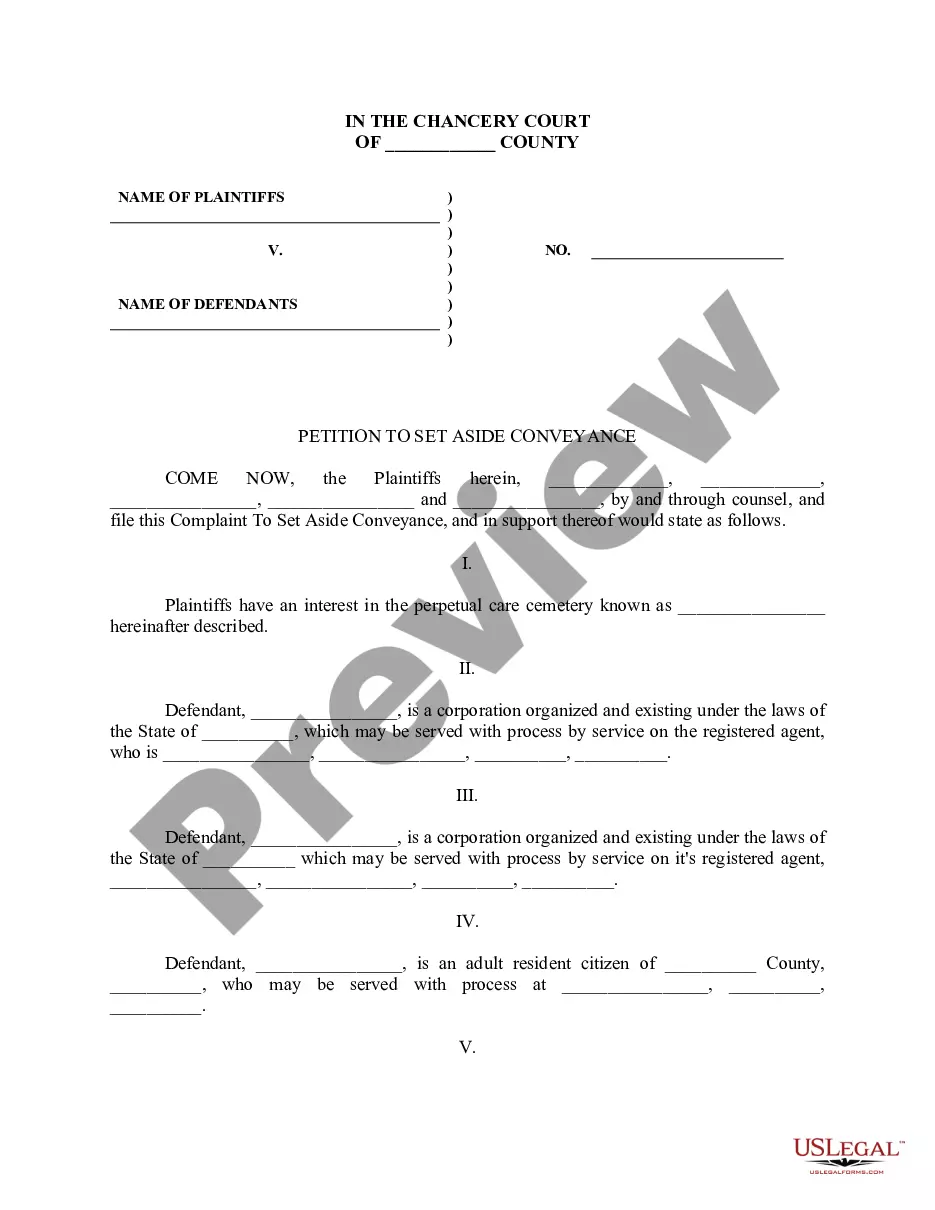
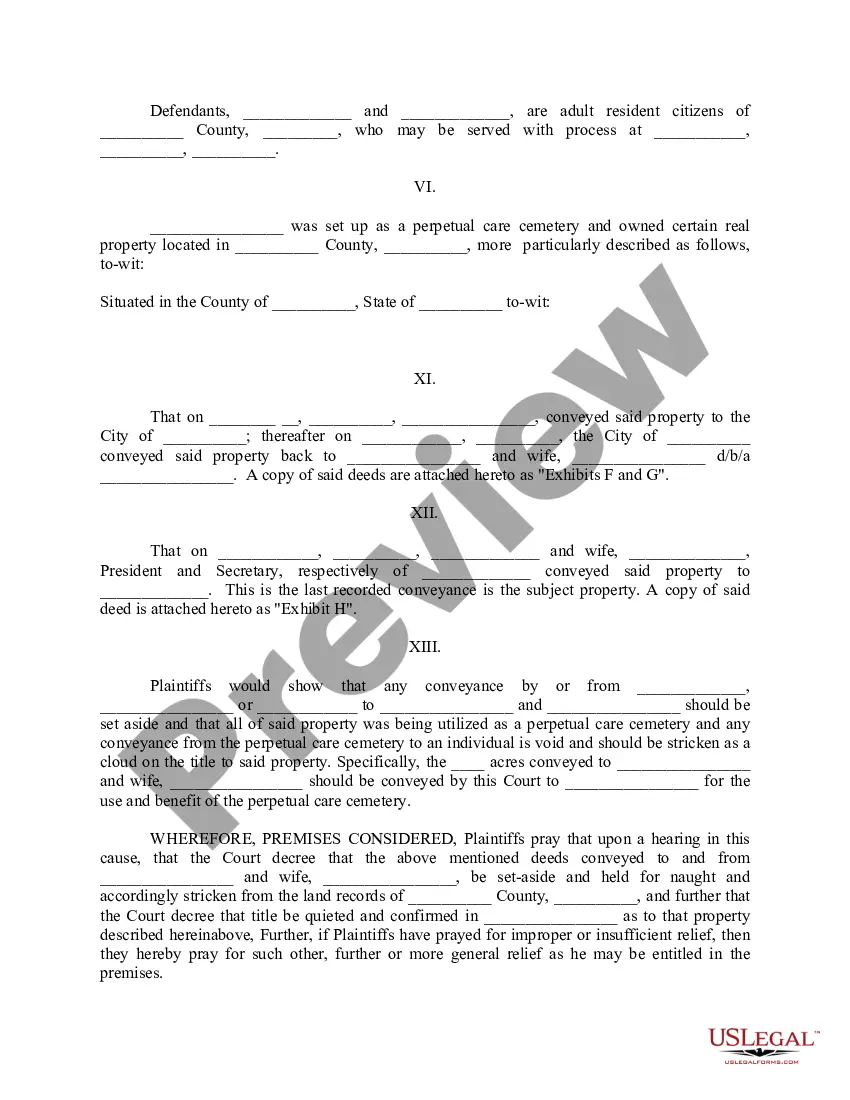

Get your form ready online
Our built-in tools help you complete, sign, share, and store your documents in one place.
Make edits, fill in missing information, and update formatting in US Legal Forms—just like you would in MS Word.
Download a copy, print it, send it by email, or mail it via USPS—whatever works best for your next step.
Sign and collect signatures with our SignNow integration. Send to multiple recipients, set reminders, and more. Go Premium to unlock E-Sign.
If this form requires notarization, complete it online through a secure video call—no need to meet a notary in person or wait for an appointment.
We protect your documents and personal data by following strict security and privacy standards.

Make edits, fill in missing information, and update formatting in US Legal Forms—just like you would in MS Word.

Download a copy, print it, send it by email, or mail it via USPS—whatever works best for your next step.

Sign and collect signatures with our SignNow integration. Send to multiple recipients, set reminders, and more. Go Premium to unlock E-Sign.

If this form requires notarization, complete it online through a secure video call—no need to meet a notary in person or wait for an appointment.

We protect your documents and personal data by following strict security and privacy standards.
Looking for another form?









Form popularity
FAQ
Once the judgment is set aside, the case starts up again. If you do not file an answer with the court to defend against plaintiff's complaint, you could again be defaulted and another default judgment could be entered against you.
Generally speaking, to vacate or set aside a conviction or sentence means nullifying the court's judgment on your case. In other words, when the court grants your petition to vacate a conviction, it will look as if your case's trial and judgment never occurred, but it does not mean your case is over.
If you do not think the default judgment was appropriately entered against you, you must file a motion with the court asking the judge to “set aside” (void or nullify) the judgment. If the judge grants your motion, the case starts back up again.
To decide not to consider something: We need to set aside our differences and begin to cooperate. To set aside a legal decision or a judgment is to state that it is no longer in effect: The court of appeals set aside his conviction.
A “set aside” in simple terms means that a court vacates or voids a prior order, as if the order never existed. Before a court will “set aside” a judgment or order, there must be a clear statutory basis for the set aside, and facts that warrant the order vacated.
1. : to disagree with and overturn (a decision or act of a lower tribunal) upon review : overrule, vacate. set aside the decree. 2. : to deprive of legal effect or force : annul, void.
When a court sets aside a conviction, it dismisses the conviction, the penalties are dismissed, and disabilities are vacated.
In law, a motion to set aside judgment is an application to overturn or set aside a court's judgment, verdict or other final ruling in a case. Such a motion is proposed by a party who is dissatisfied with the result of a case.