Petition To Set Aside Estate Without Administration In Virginia
Description
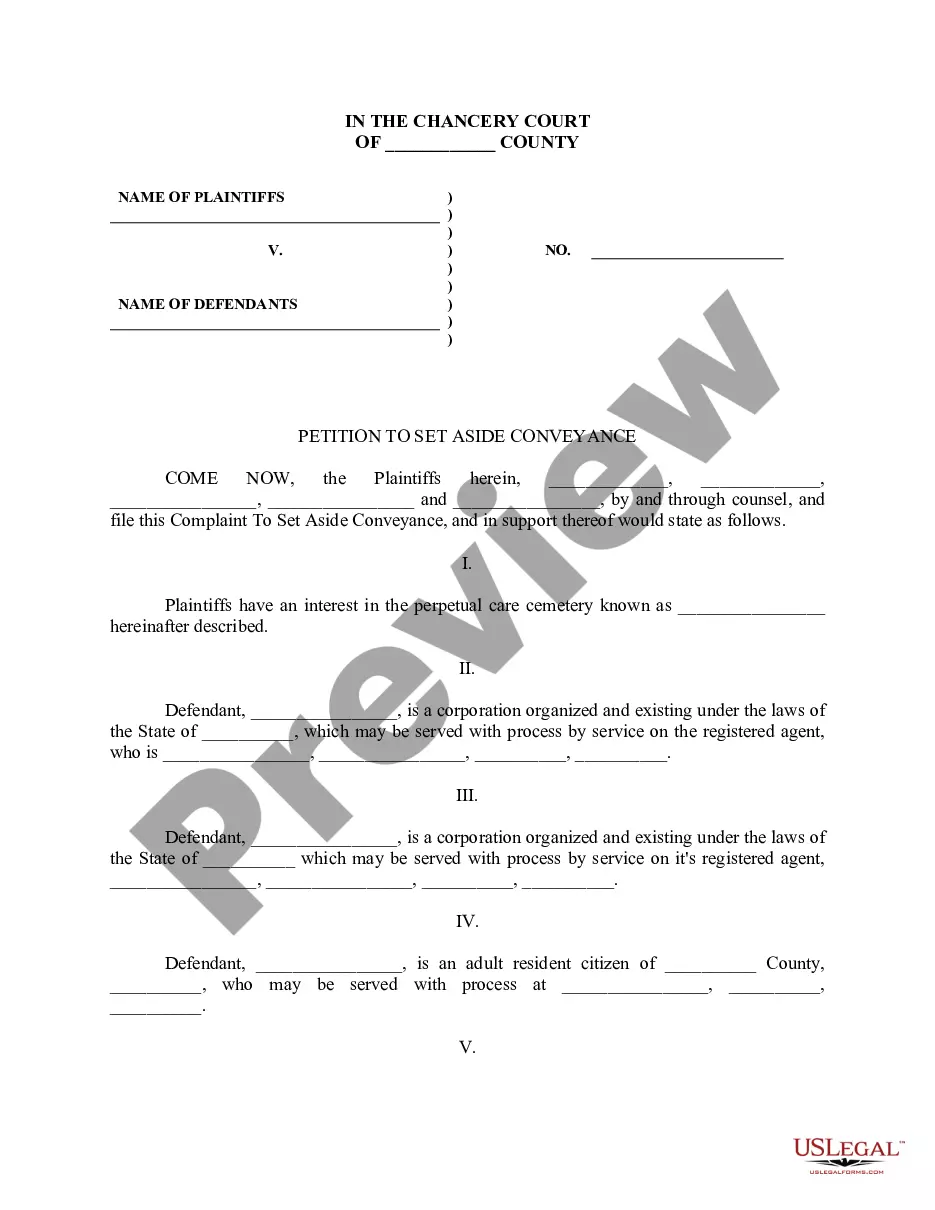
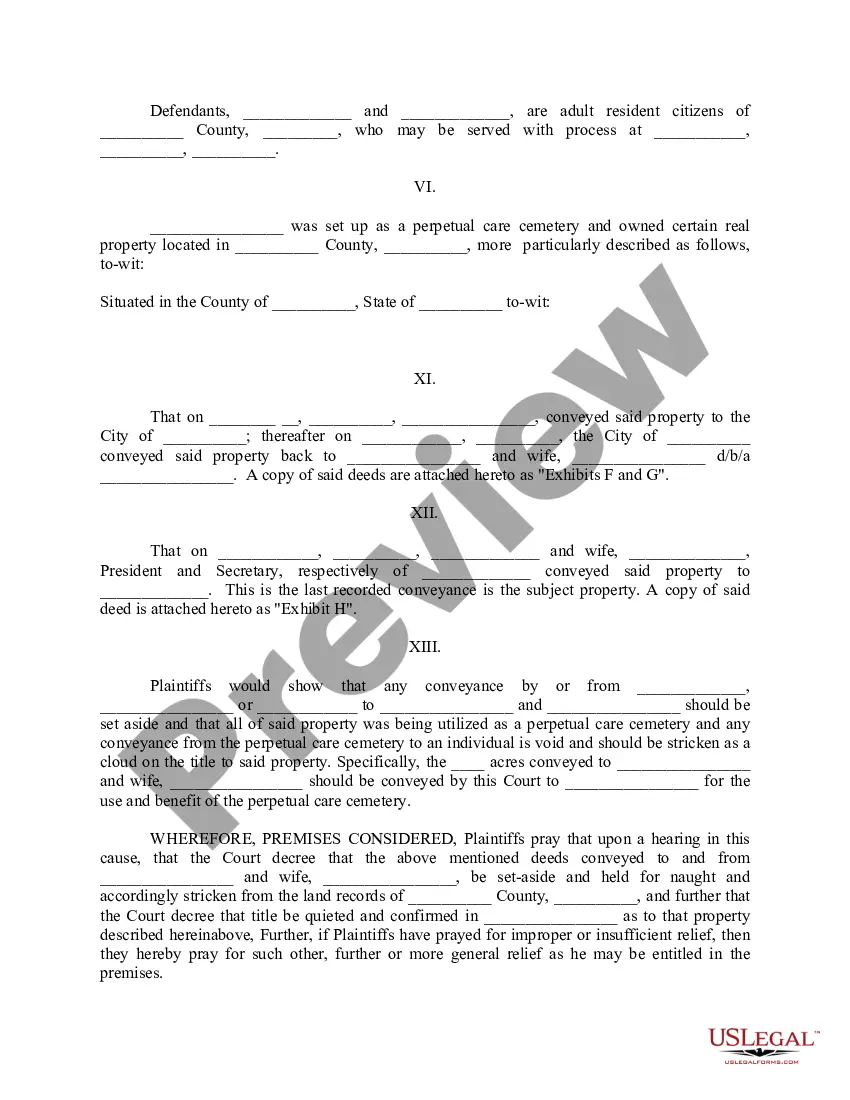

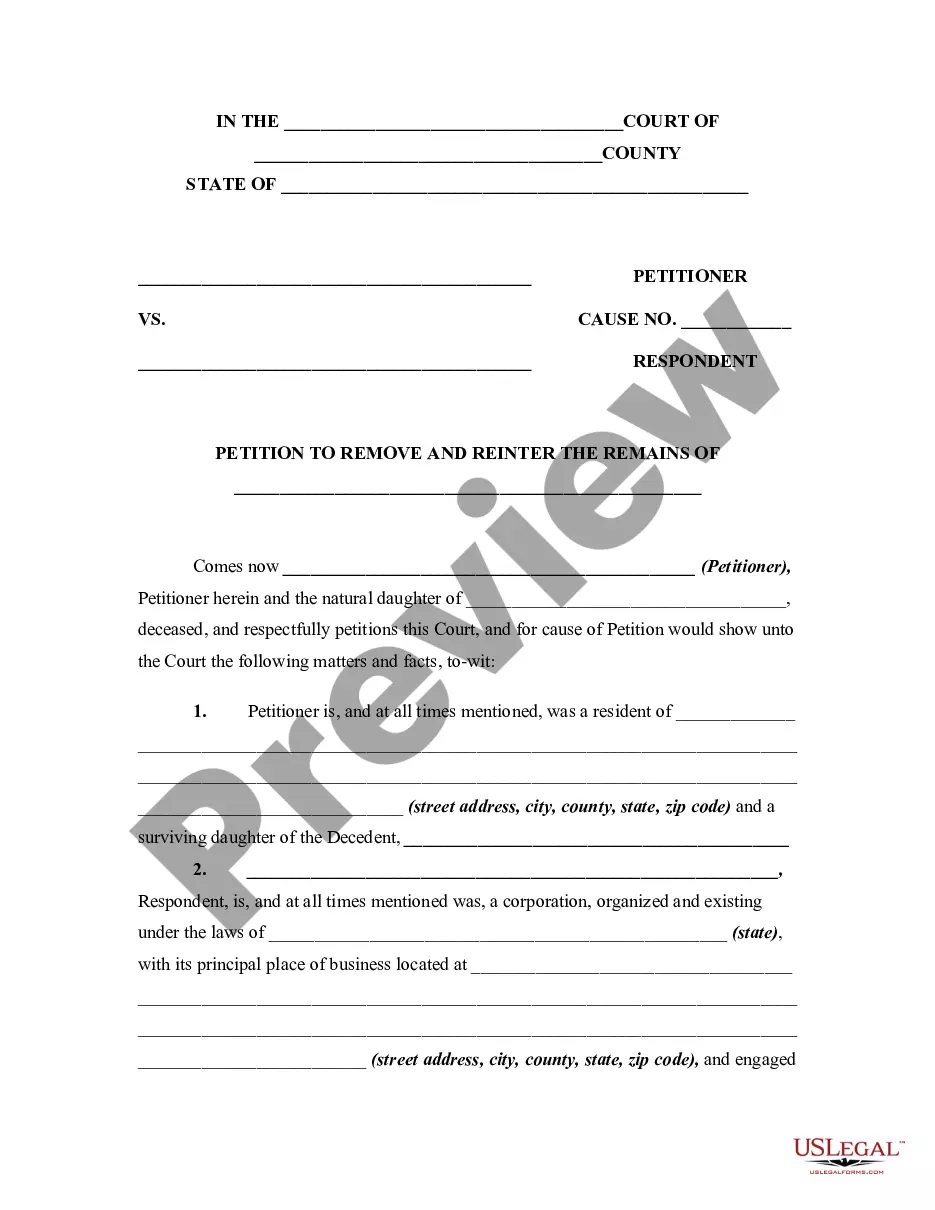
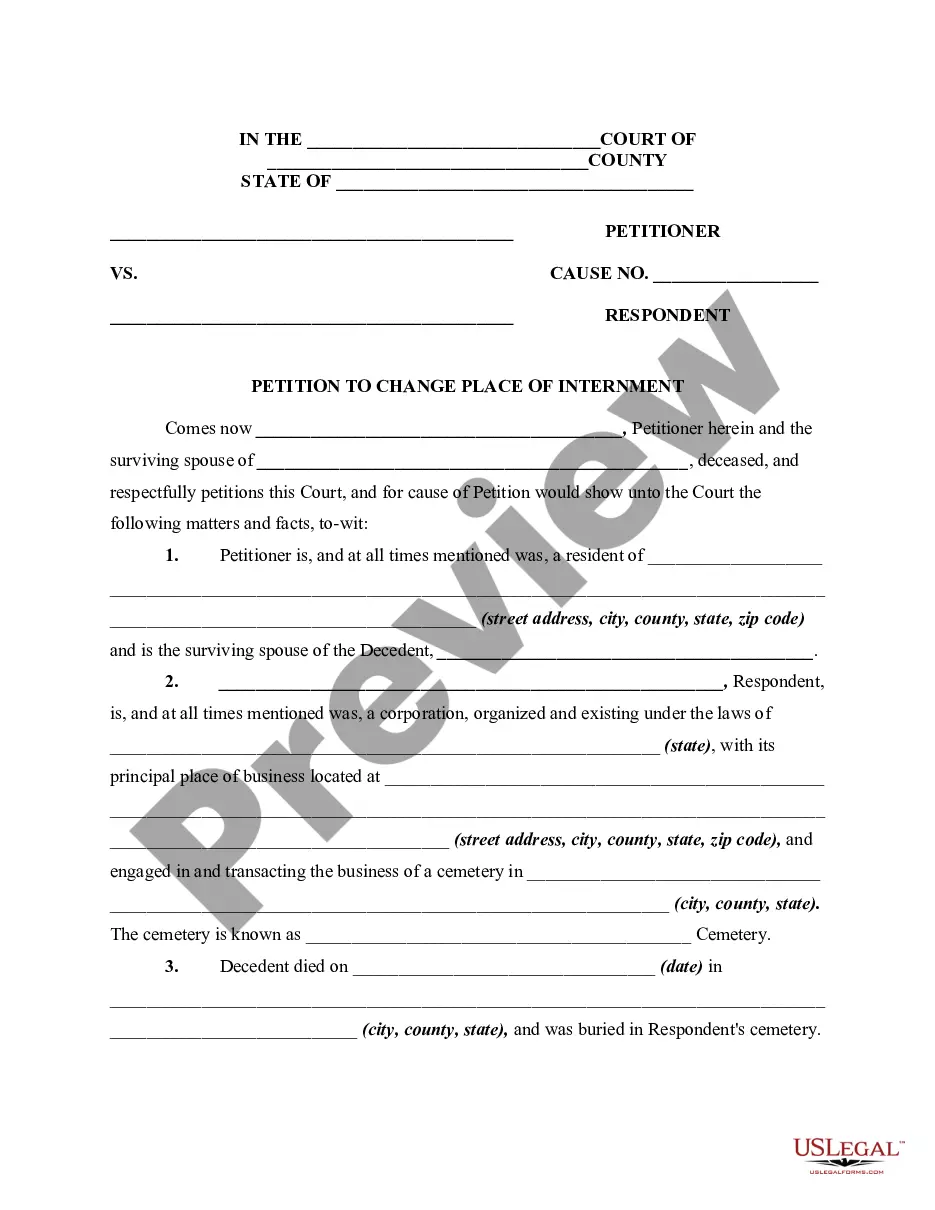
Get your form ready online
Our built-in tools help you complete, sign, share, and store your documents in one place.
Make edits, fill in missing information, and update formatting in US Legal Forms—just like you would in MS Word.
Download a copy, print it, send it by email, or mail it via USPS—whatever works best for your next step.
Sign and collect signatures with our SignNow integration. Send to multiple recipients, set reminders, and more. Go Premium to unlock E-Sign.
If this form requires notarization, complete it online through a secure video call—no need to meet a notary in person or wait for an appointment.
We protect your documents and personal data by following strict security and privacy standards.

Make edits, fill in missing information, and update formatting in US Legal Forms—just like you would in MS Word.

Download a copy, print it, send it by email, or mail it via USPS—whatever works best for your next step.

Sign and collect signatures with our SignNow integration. Send to multiple recipients, set reminders, and more. Go Premium to unlock E-Sign.

If this form requires notarization, complete it online through a secure video call—no need to meet a notary in person or wait for an appointment.

We protect your documents and personal data by following strict security and privacy standards.
Looking for another form?



Form popularity
FAQ
Circumstances where a contract may be set aside include where a party has entered into the contract as a result of undue influence exercised over that person by another party or where one or both parties have entered into the contract under a mistake of fact.
Unsupervised probate, also known as independent administration, is a type of probate that does not require court supervision or approval for every action of the executor or administrator.
If you have a spouse but no children, your spouse inherits everything. If you have children you share with your spouse, your spouse inherits everything. If you have a spouse and children you share with someone else, your spouse gets one-third of your property, and the children get the remaining share.
A Section 13650 set-aside leaves the surviving spouse open to a significant financial risk of exposure to decedent's creditors because to the extent the decedent's and surviving spouse's interests in community and/or quasi-community property, and decedent's separate property interests that pass to the surviving spouse ...
If there is no named executor, a person, usually a friend, family member or another interested party, may come forward and petition the court to become the administrator of the estate by obtaining letters of administration. If no one comes forward on their own, the court may ask a person to serve as an administrator.
When a court renders a decision of another court to be invalid, that verdict or decision is set aside; see also annul or vacate. The phrase is often used in the context of appeals, when an appellate court invalidates the judgment of a lower court.
