Conveyance Cemetery Without A Will In San Jose
Description


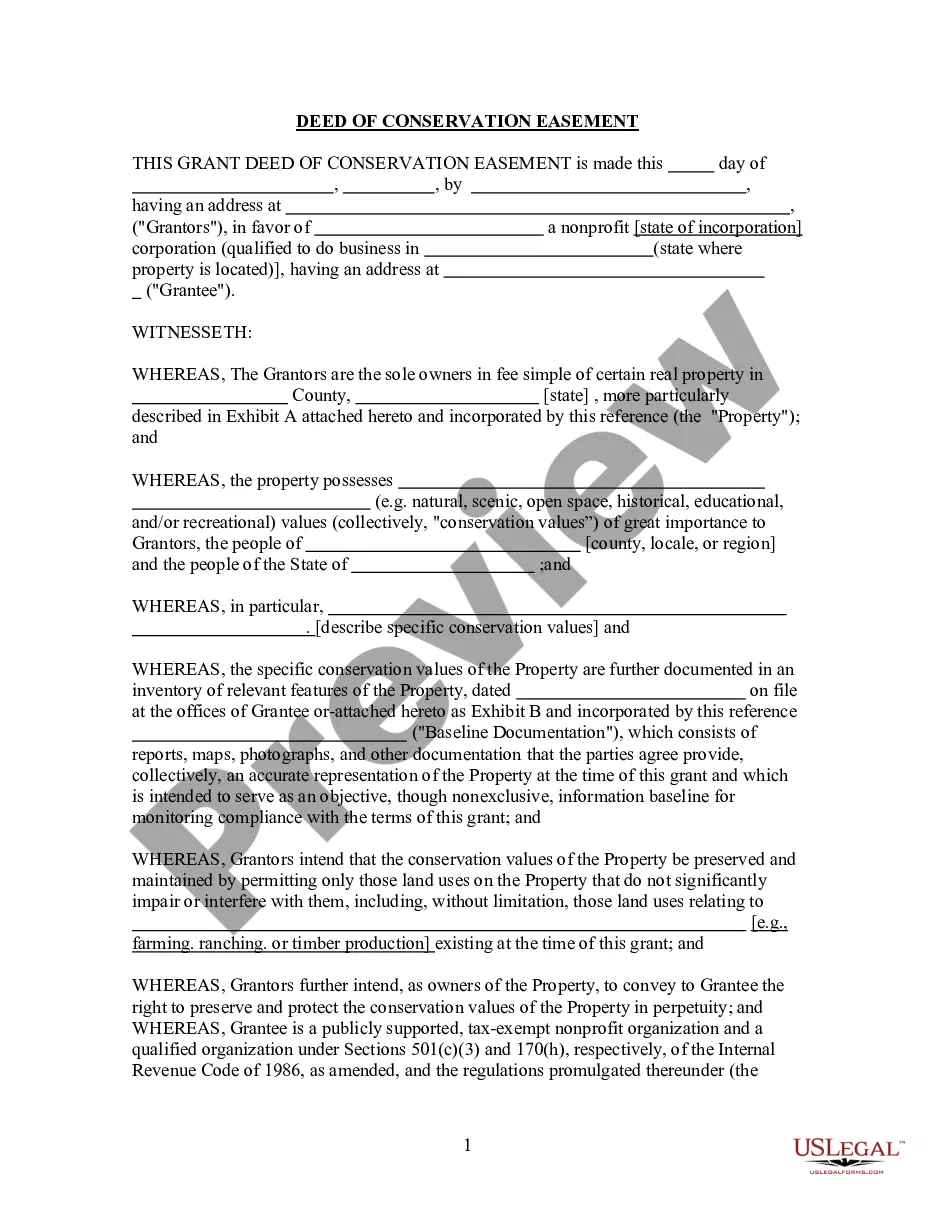
Get your form ready online
Our built-in tools help you complete, sign, share, and store your documents in one place.
Make edits, fill in missing information, and update formatting in US Legal Forms—just like you would in MS Word.
Download a copy, print it, send it by email, or mail it via USPS—whatever works best for your next step.
Sign and collect signatures with our SignNow integration. Send to multiple recipients, set reminders, and more. Go Premium to unlock E-Sign.
If this form requires notarization, complete it online through a secure video call—no need to meet a notary in person or wait for an appointment.
We protect your documents and personal data by following strict security and privacy standards.

Make edits, fill in missing information, and update formatting in US Legal Forms—just like you would in MS Word.

Download a copy, print it, send it by email, or mail it via USPS—whatever works best for your next step.

Sign and collect signatures with our SignNow integration. Send to multiple recipients, set reminders, and more. Go Premium to unlock E-Sign.

If this form requires notarization, complete it online through a secure video call—no need to meet a notary in person or wait for an appointment.

We protect your documents and personal data by following strict security and privacy standards.
Looking for another form?


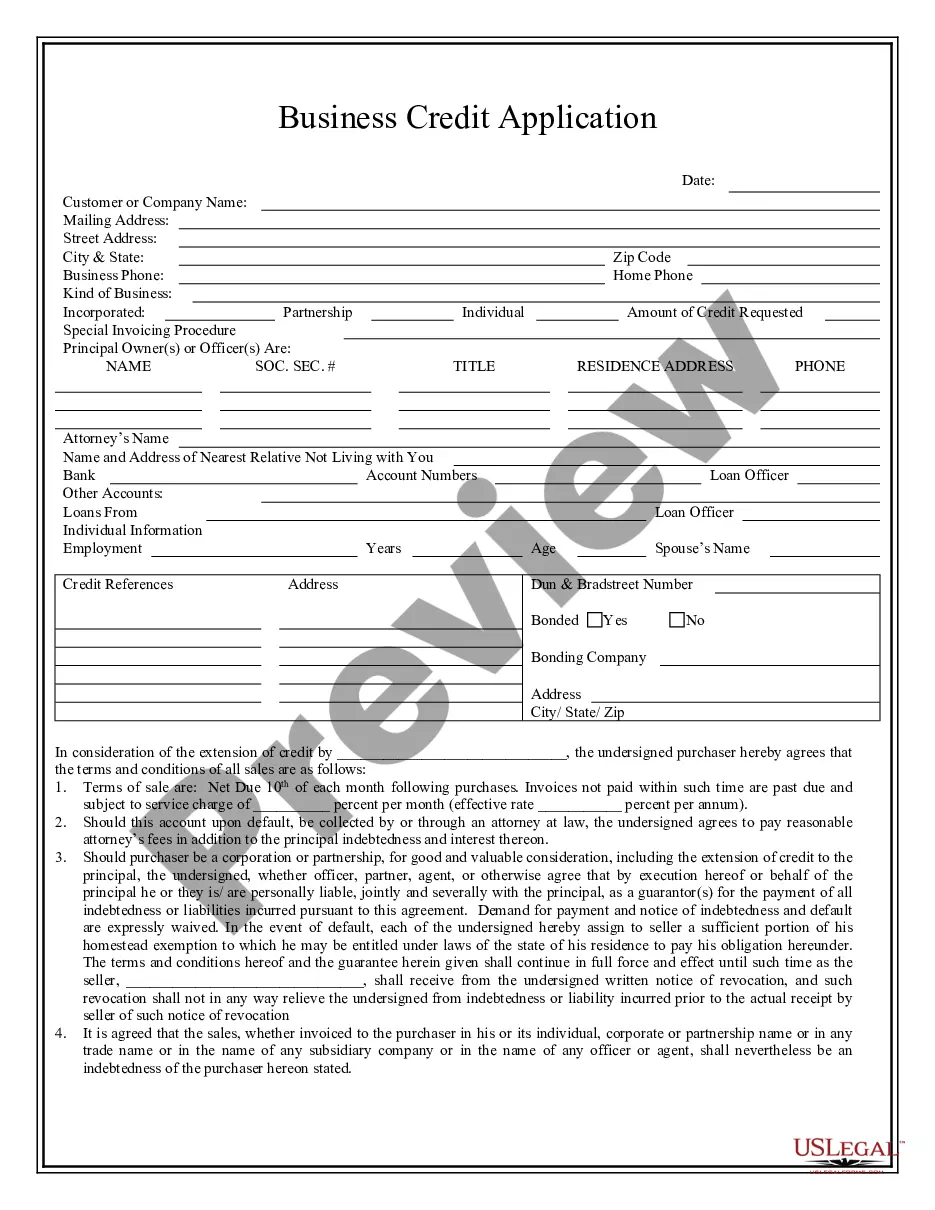




Form popularity
FAQ
There are no laws that prohibit home burial. You must check local zoning laws before establishing a home cemetery or burying on private land. It is legally required to hire a Funeral Director to handle certain parts of the funeral.
How to Transfer Ownership of a Burial Plot Step 1 – Get the Deed From the Cemetery. Step 2 – Review the State and Local Laws. Step 3 – Prove You Are the Current Owner. Step 4 – Fill Out the Cemetery Plot Deed Transfer Form. Step 5 – Complete the Transfer and Get the New Deed.
How to Transfer Ownership of a Burial Plot Step 1 – Get the Deed From the Cemetery. Step 2 – Review the State and Local Laws. Step 3 – Prove You Are the Current Owner. Step 4 – Fill Out the Cemetery Plot Deed Transfer Form. Step 5 – Complete the Transfer and Get the New Deed.
And public records. Let's get started can a cemetery move a grave without permission. No a cemeteryMoreAnd public records. Let's get started can a cemetery move a grave without permission. No a cemetery cannot move a grave without permission.
You can transfer property without opening probate if the estate is valued under a set amount. That amount changes every few years and is based on the year the person passed away. You can find the latest limits in Maximum Values for Small Estate Set-Aside & Disposition of Estate Without Administration (form DE-300).
If the person named in the will cannot act or there is no will, then there's an order of priority for who may be appointed a personal representative. The order of priority is any surviving spouse or domestic partner, then a child, then a grandchild, then a parent, and then a sibling.
An executor can also be someone you've named as a beneficiary in your will. The role of an executor is a serious one which carries a lot of responsibility. When choosing your executor or executors you need to bear this in mind. It should be someone you trust to carry out this work.
In California, there's no strict deadline for filing probate after death, but it's advisable to begin the process as soon as possible. Delays in filing can lead to complications, such as the estate's assets becoming unmanageable or creditors taking legal action to collect debts.
How To File for Executor of Estate Without Will? Find out your place in line. Obtain waivers from other family members. Contact the court. File your administration petition. Go to the probate hearing. Get a probate bond.
Actions to Take if a Person Dies Without a Will in California Preserving the decedent's assets. Satisfying all valid creditor claims. Taking inventory of all the estate assets. Preparing and filing estate accountings with the court. Serving as a liaison to the probate court.