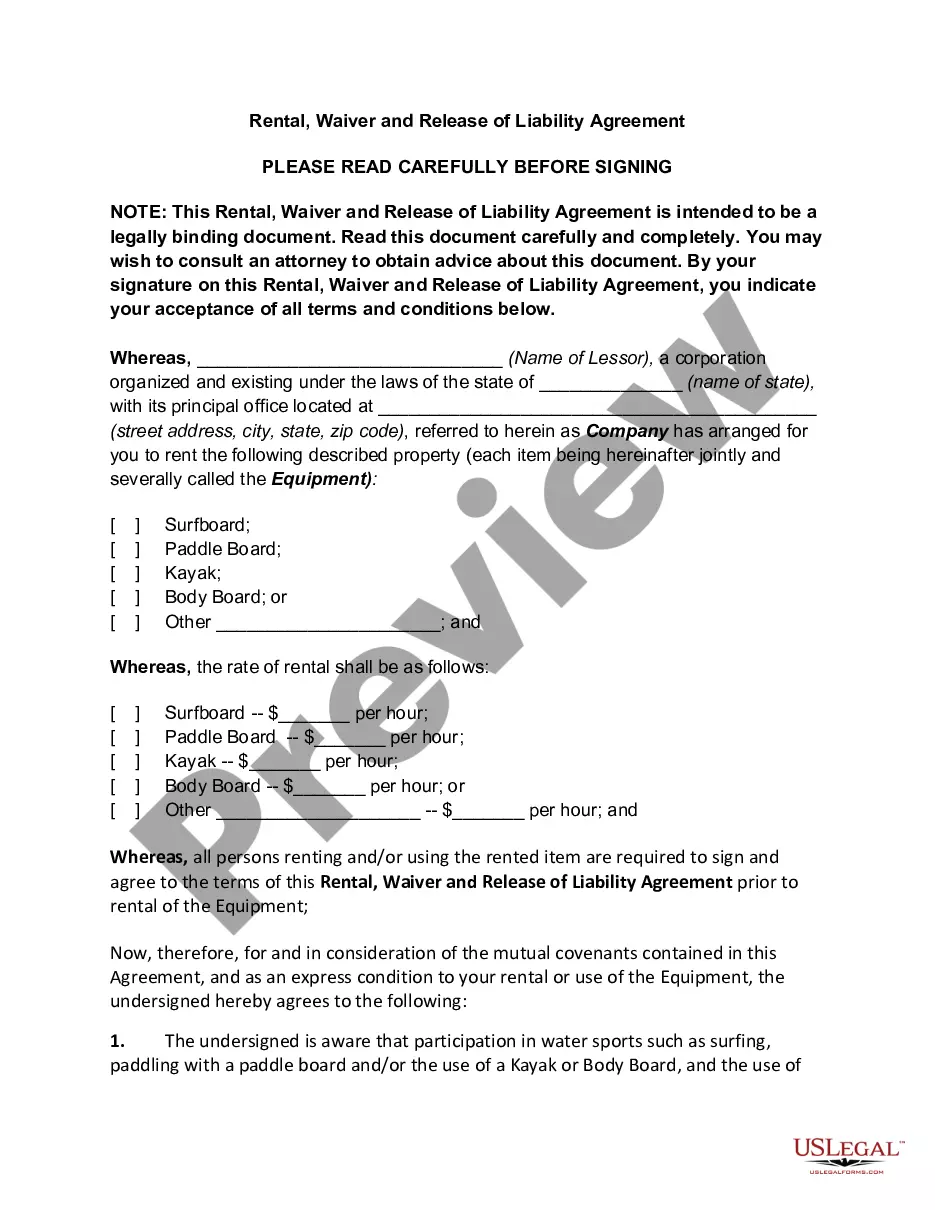
Set Aside Petition Meaning In Tamil In Phoenix
Description
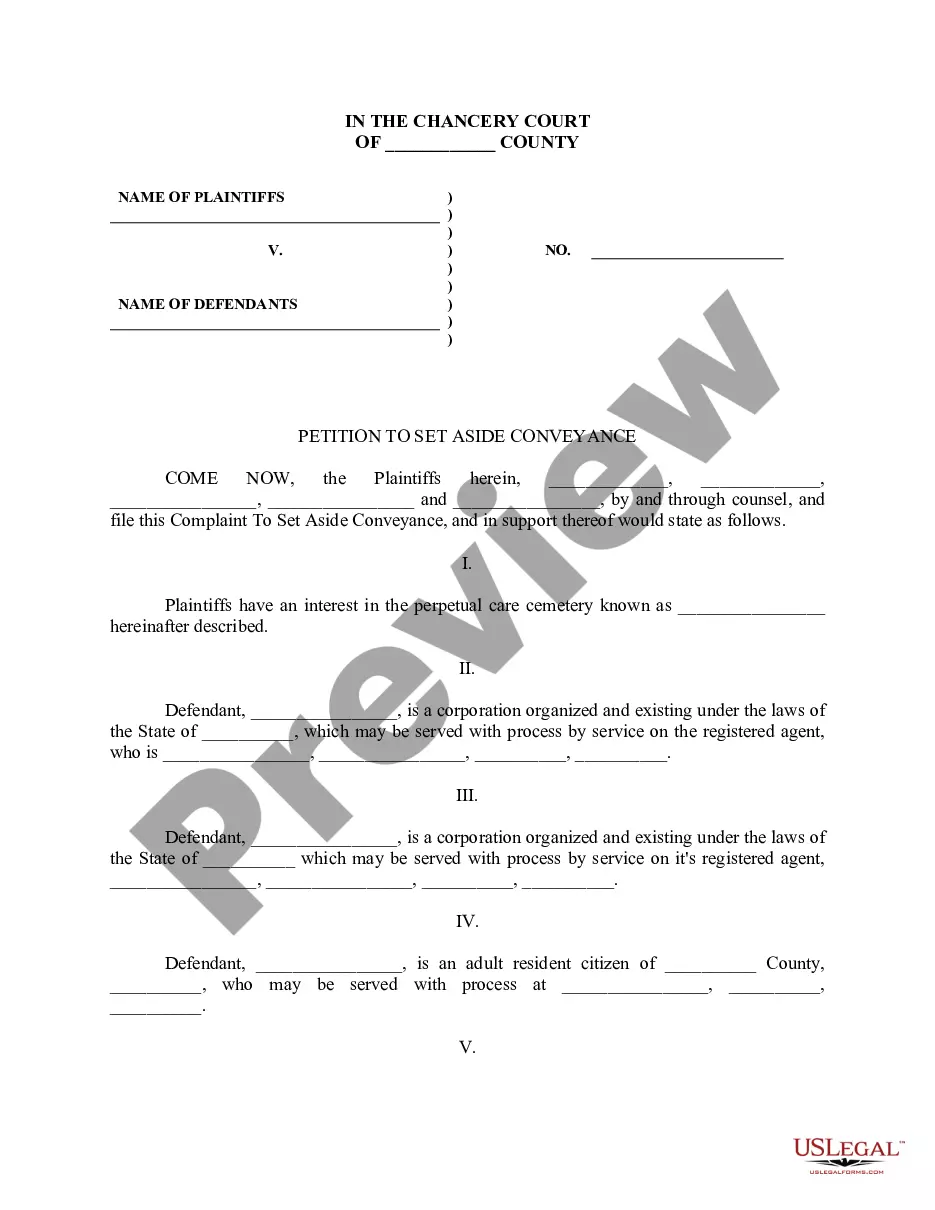
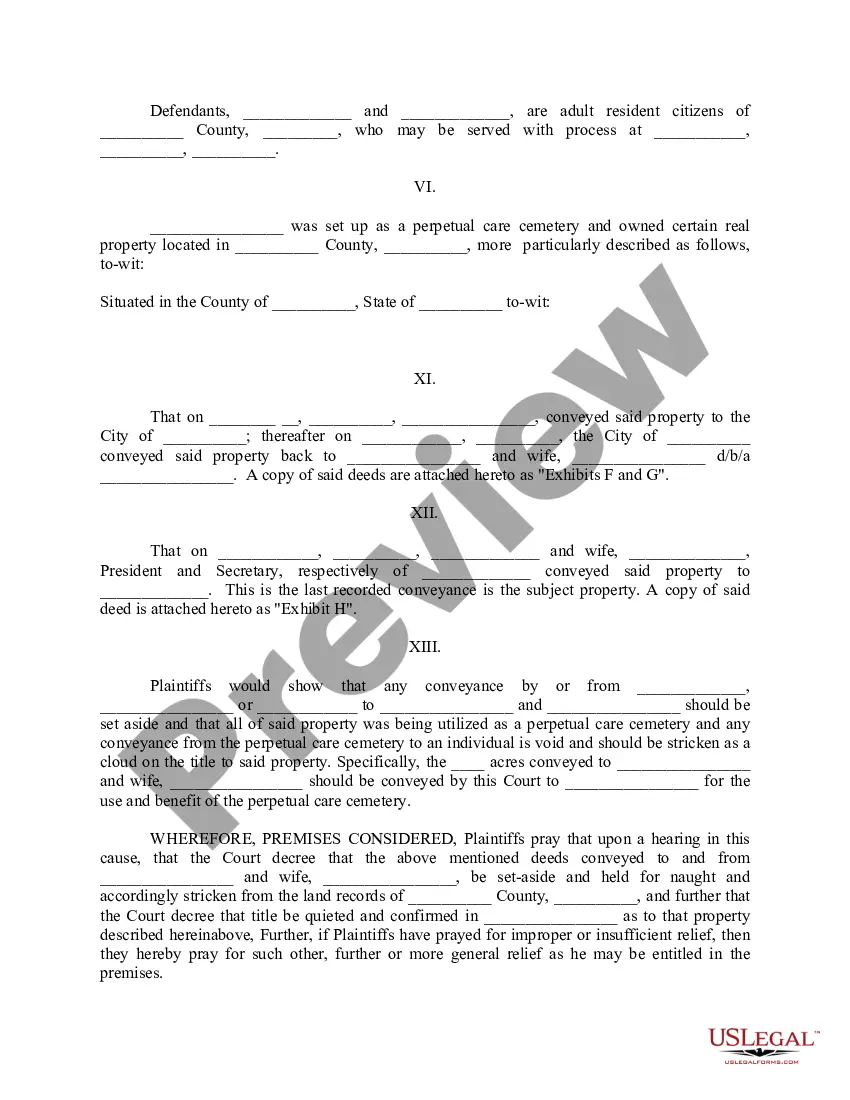

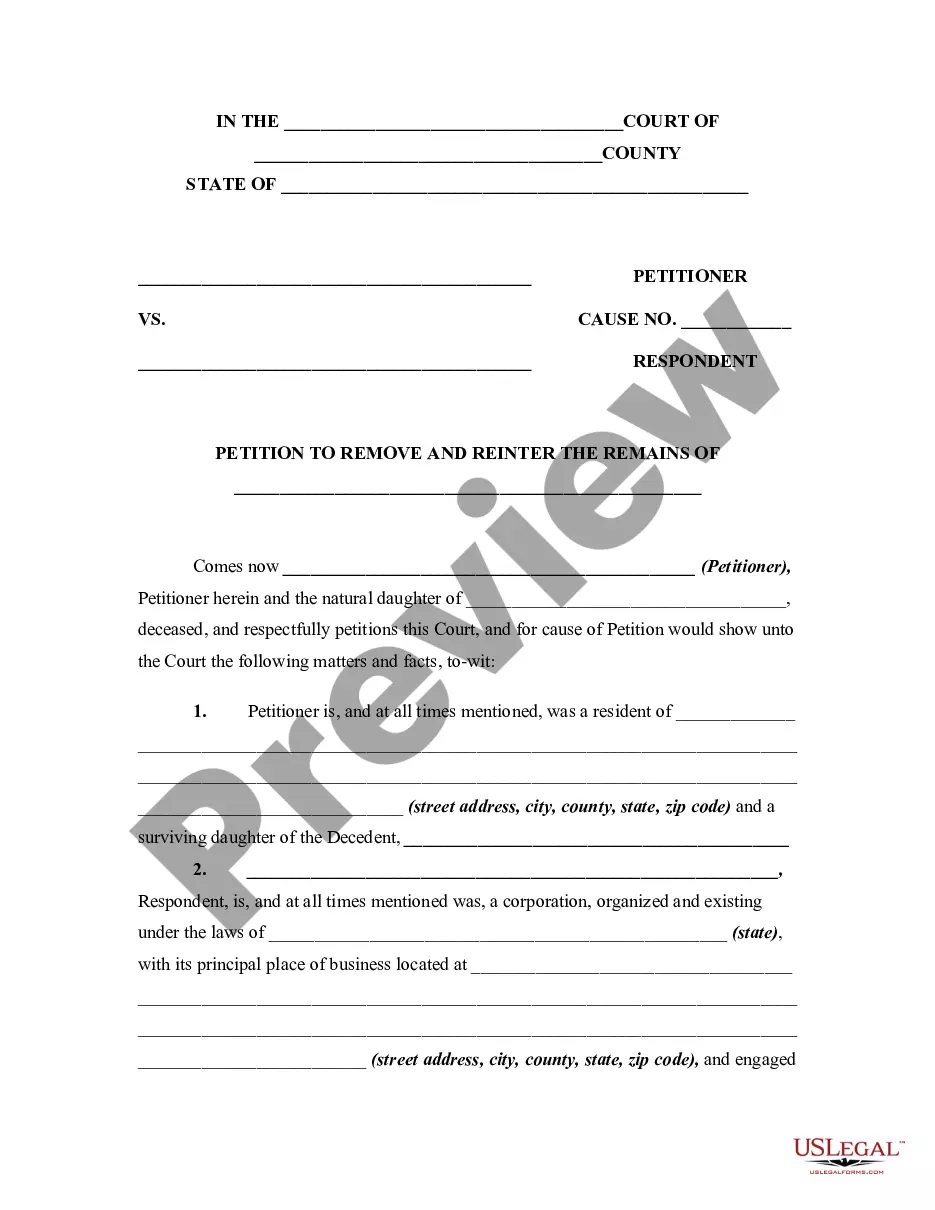
Get your form ready online
Our built-in tools help you complete, sign, share, and store your documents in one place.
Make edits, fill in missing information, and update formatting in US Legal Forms—just like you would in MS Word.
Download a copy, print it, send it by email, or mail it via USPS—whatever works best for your next step.
Sign and collect signatures with our SignNow integration. Send to multiple recipients, set reminders, and more. Go Premium to unlock E-Sign.
If this form requires notarization, complete it online through a secure video call—no need to meet a notary in person or wait for an appointment.
We protect your documents and personal data by following strict security and privacy standards.

Make edits, fill in missing information, and update formatting in US Legal Forms—just like you would in MS Word.

Download a copy, print it, send it by email, or mail it via USPS—whatever works best for your next step.

Sign and collect signatures with our SignNow integration. Send to multiple recipients, set reminders, and more. Go Premium to unlock E-Sign.

If this form requires notarization, complete it online through a secure video call—no need to meet a notary in person or wait for an appointment.

We protect your documents and personal data by following strict security and privacy standards.
Looking for another form?








Form popularity
FAQ
aside is sometimes called expungement or expunction. It means that the court record of a criminal or contempt case is sealed by the court and will not appear in official court records. You should be aware that setaside cases can be unsealed in certain limited circumstances.
Arizona does not expunge criminal convictions. Instead, Arizona allows a court to set aside a judgment, where a criminal conviction still exists on a person's record, but the penalties associated with the conviction have been released.
Generally speaking, to vacate or set aside a conviction or sentence means nullifying the court's judgment on your case. In other words, when the court grants your petition to vacate a conviction, it will look as if your case's trial and judgment never occurred, but it does not mean your case is over.
If you have a criminal conviction on your record and are granted a motion to set aside, the court will set aside the judgement of guilt, dismiss the complaint, information or indictment and order that you be released from all penalties and disabilities resulting from the conviction.
A criminal conviction set-aside is an order by the judge who sentenced you in a criminal case which voids the conviction. It does not remove the conviction from your criminal record, it does offset it by adding the Order Setting Aside the conviction and a notation to the file.
When a court renders a decision of another court to be invalid, that verdict or decision is set aside; see also annul or vacate. The phrase is often used in the context of appeals, when an appellate court invalidates the judgment of a lower court. For example, in Eckenrode v.
'Vacating' or 'setting aside' is used when referring to nullifying a specific judgment from the judge (in this case, a guilty or 'no contest' judgment). On the other hand, 'dismissing' applies to the entire case. It means that the case is thrown out for reasons other than its factual merits.
When a court sets aside a conviction, it dismisses the conviction, the penalties are dismissed, and disabilities are vacated.