Conveyance Cemetery Without A Will In New York
Description
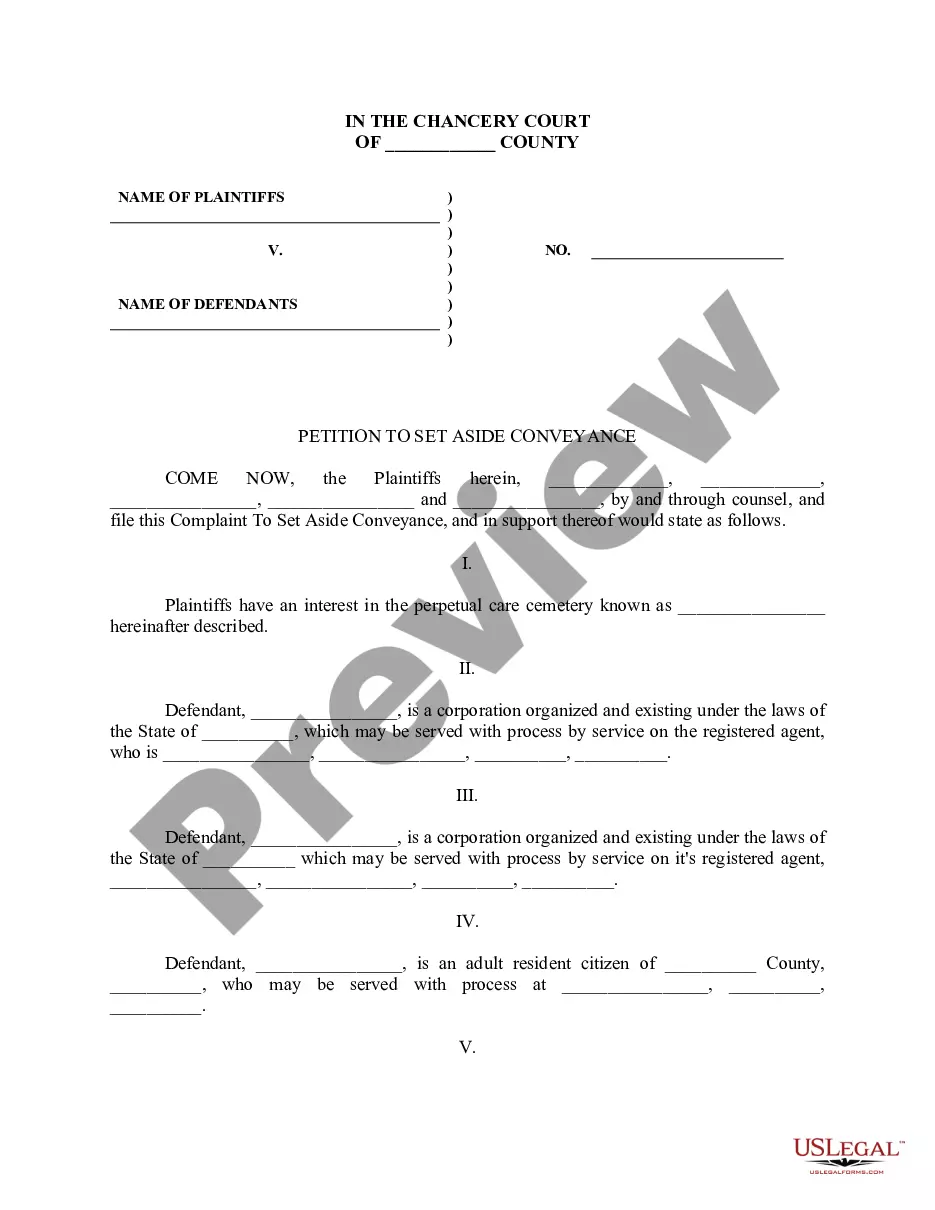
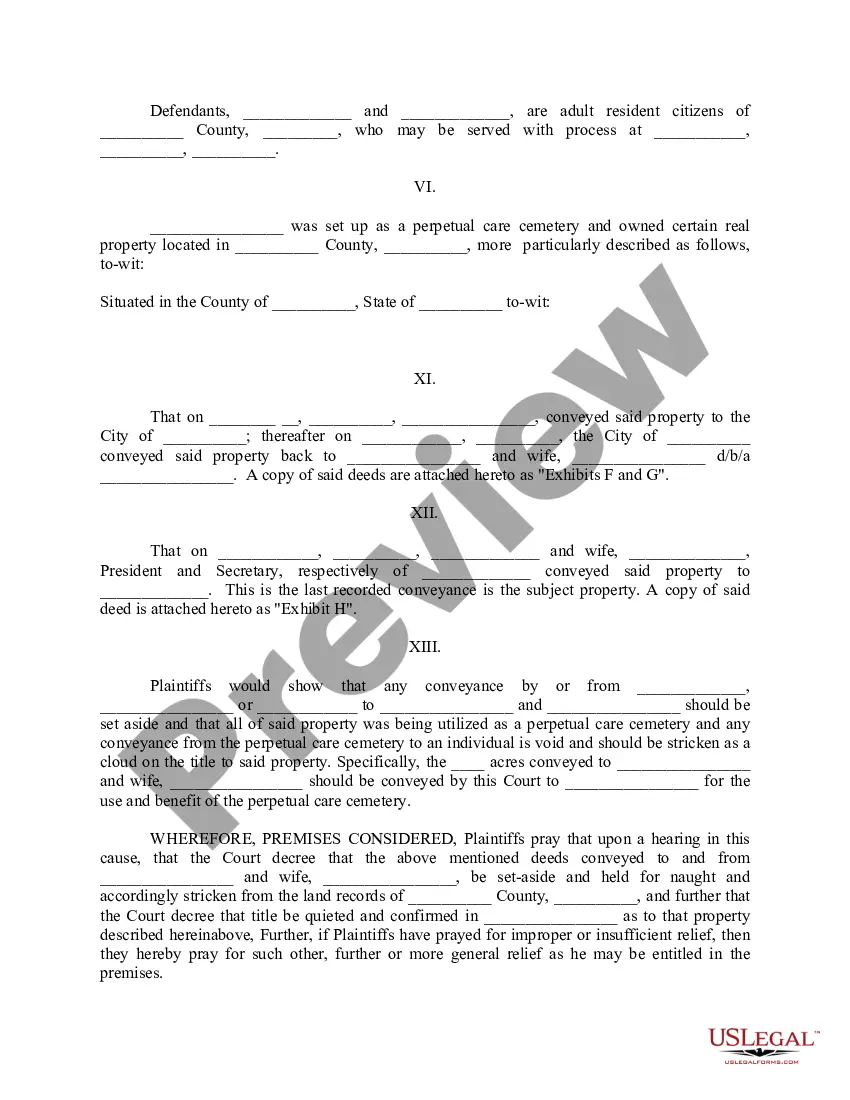

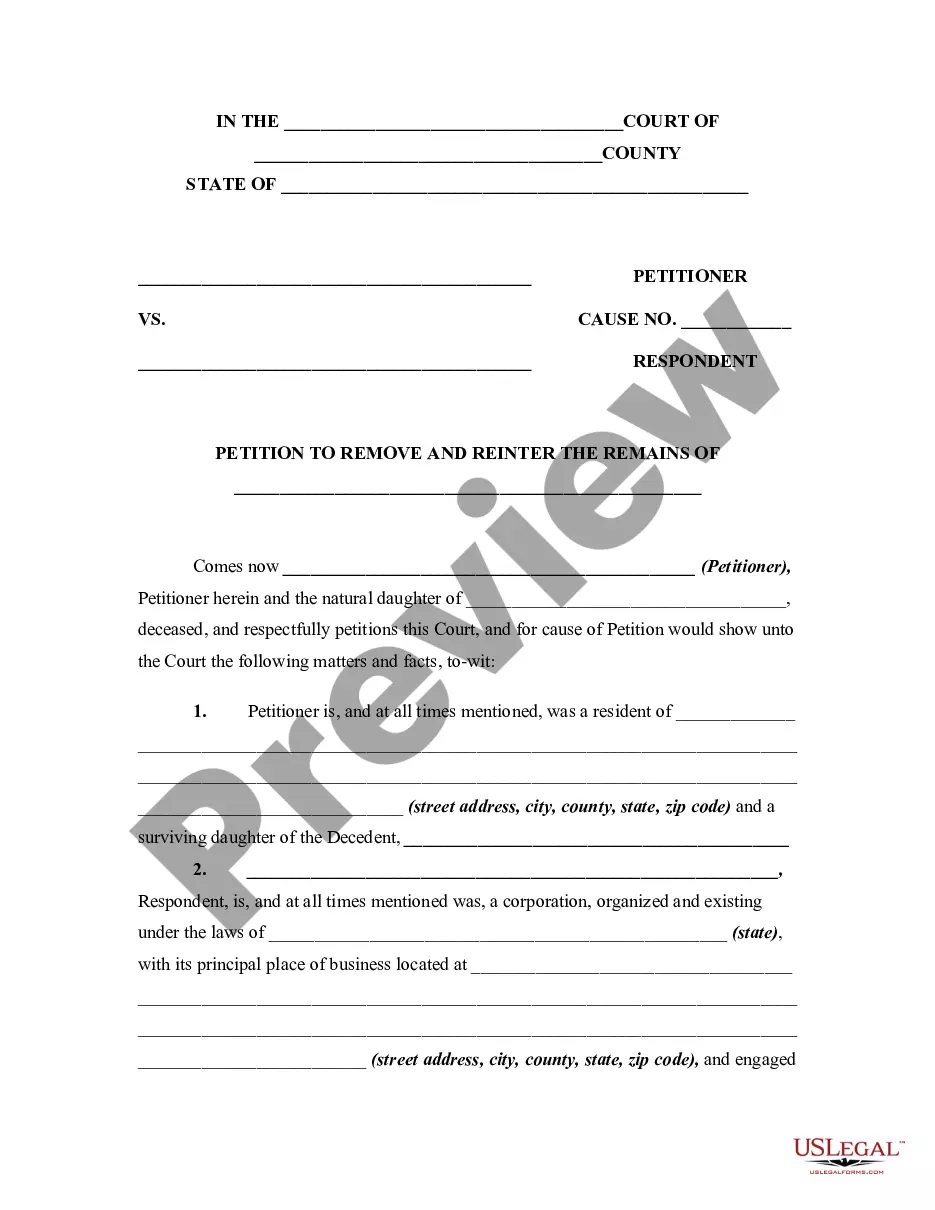
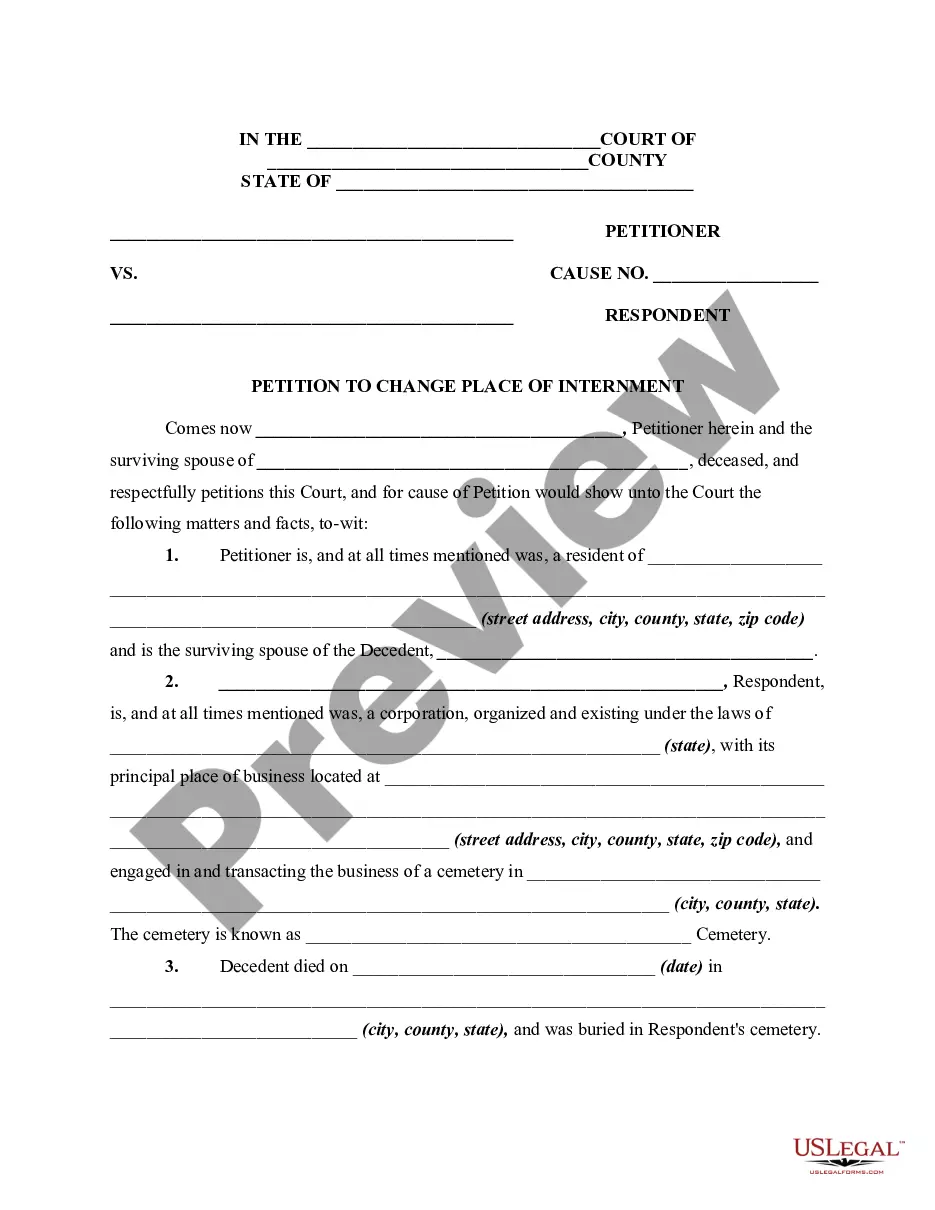
Get your form ready online
Our built-in tools help you complete, sign, share, and store your documents in one place.
Make edits, fill in missing information, and update formatting in US Legal Forms—just like you would in MS Word.
Download a copy, print it, send it by email, or mail it via USPS—whatever works best for your next step.
Sign and collect signatures with our SignNow integration. Send to multiple recipients, set reminders, and more. Go Premium to unlock E-Sign.
If this form requires notarization, complete it online through a secure video call—no need to meet a notary in person or wait for an appointment.
We protect your documents and personal data by following strict security and privacy standards.

Make edits, fill in missing information, and update formatting in US Legal Forms—just like you would in MS Word.

Download a copy, print it, send it by email, or mail it via USPS—whatever works best for your next step.

Sign and collect signatures with our SignNow integration. Send to multiple recipients, set reminders, and more. Go Premium to unlock E-Sign.

If this form requires notarization, complete it online through a secure video call—no need to meet a notary in person or wait for an appointment.

We protect your documents and personal data by following strict security and privacy standards.
Looking for another form?




Form popularity
FAQ
When There Is No Will If the Decedent has...then children but no spouse children inherit everything spouse and children the spouse inherits the first $50,000 plus half of the balance. The children inherit everything else. parents but no spouse and no children the parents inherit everything3 more rows •
How to Transfer Ownership of a Burial Plot Step 1 – Get the Deed From the Cemetery. Step 2 – Review the State and Local Laws. Step 3 – Prove You Are the Current Owner. Step 4 – Fill Out the Cemetery Plot Deed Transfer Form. Step 5 – Complete the Transfer and Get the New Deed.
An affidavit of heirship is a document that can be used in some states to transfer ownership of property left by a deceased person to their family. This allows for property to be inherited without a will or a court proceeding.
New York State laws have created a framework for passing on property when someone dies intestate. Instead of a probate proceeding, the closest living relative of the decedent (the person who died) will have to file for estate administration. This generally falls to the spouse, children, parents, or siblings.
New York State laws have created a framework for passing on property when someone dies intestate. Instead of a probate proceeding, the closest living relative of the decedent (the person who died) will have to file for estate administration. This generally falls to the spouse, children, parents, or siblings.
How Long to Settle an Estate in New York? The short answer: from 7 months to 3 years. Typically 9 months. Estate settlement (also known as estate administration) is the phase during which you, as the court-appointed executor, must collect the estate assets, organize and pays debts, and file all final taxes.
The Surrogate's Court oversees this process. If the Decedent died without a Will, then an administration proceeding should be filed. If the Decedent had less than $50,000 of personal property with a Will or without a Will, then a small estate, also called a Voluntary Administration proceeding, can be filed instead.
The maintenance and upkeep of the cemetery is the responsibility of the cemetery owner/manager.