Petition Filing Fee In Montgomery
Description
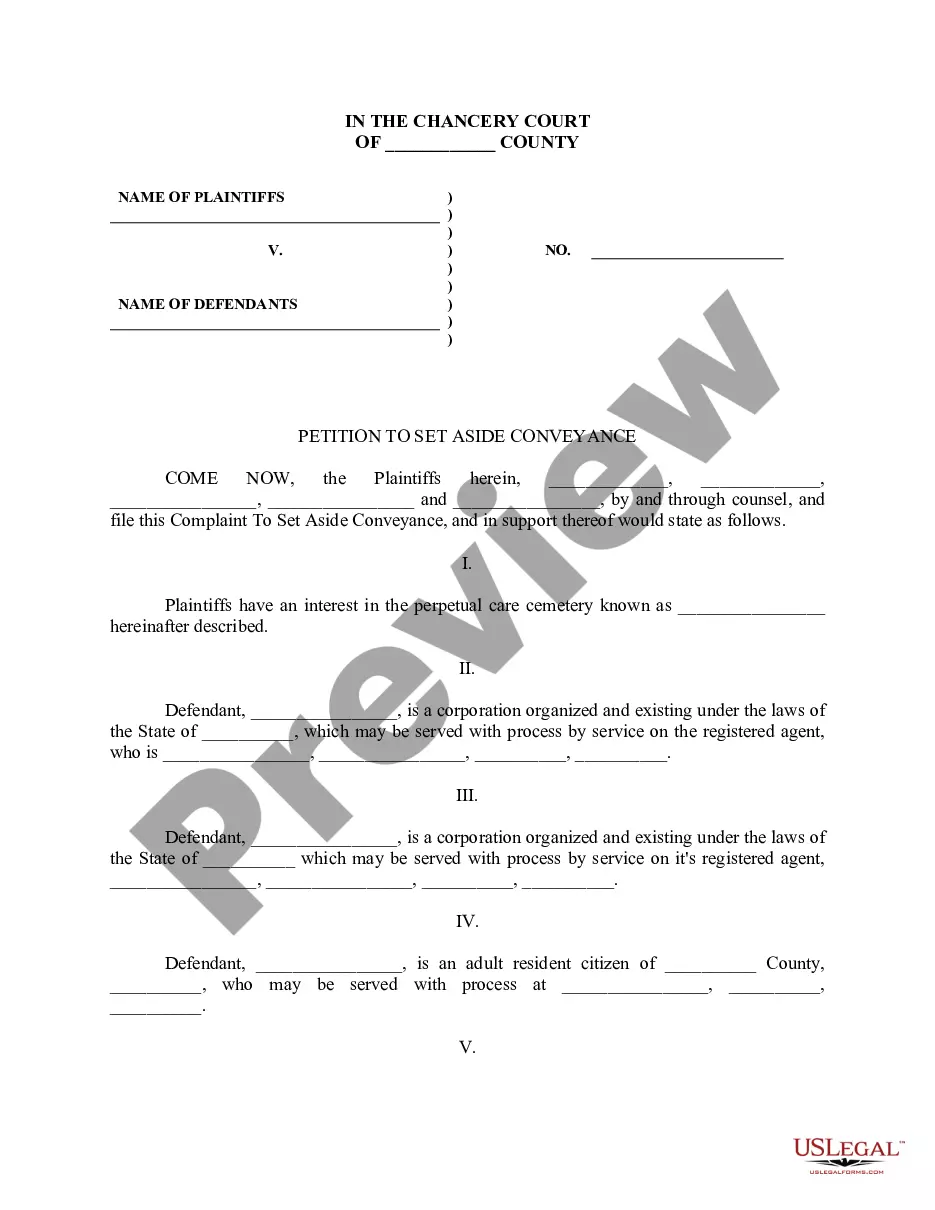
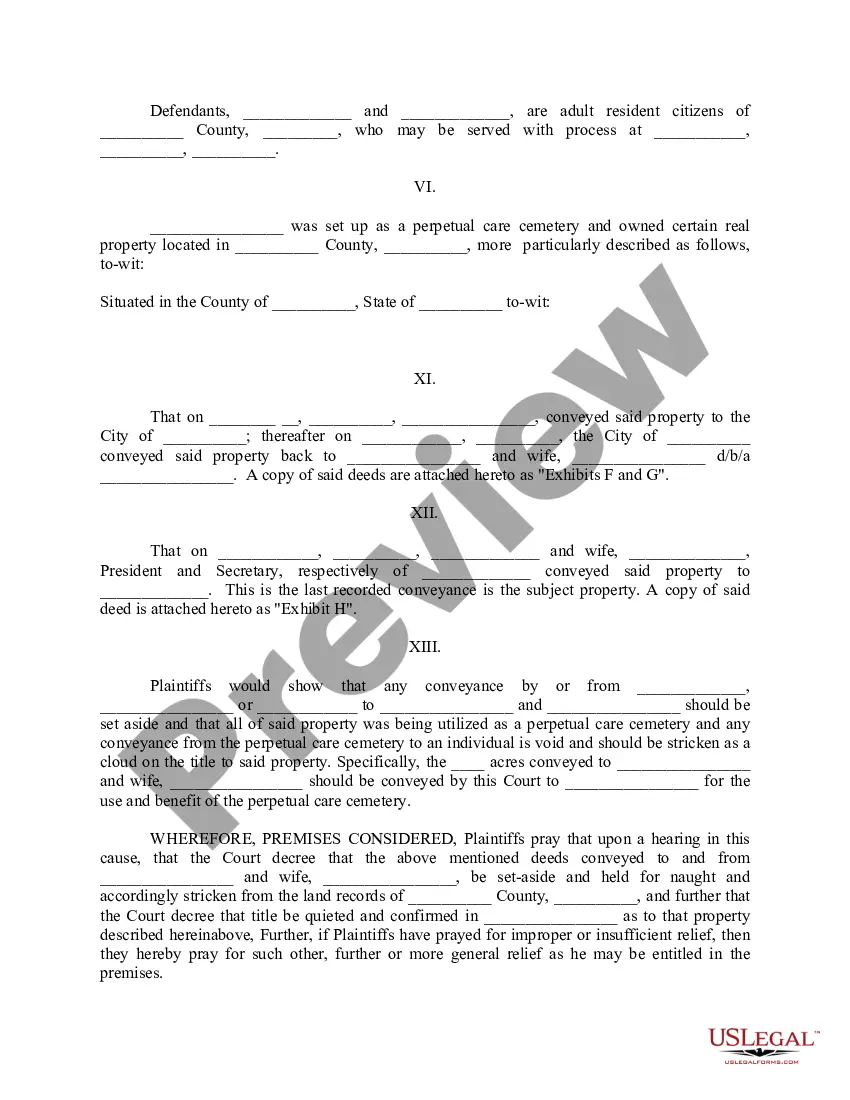

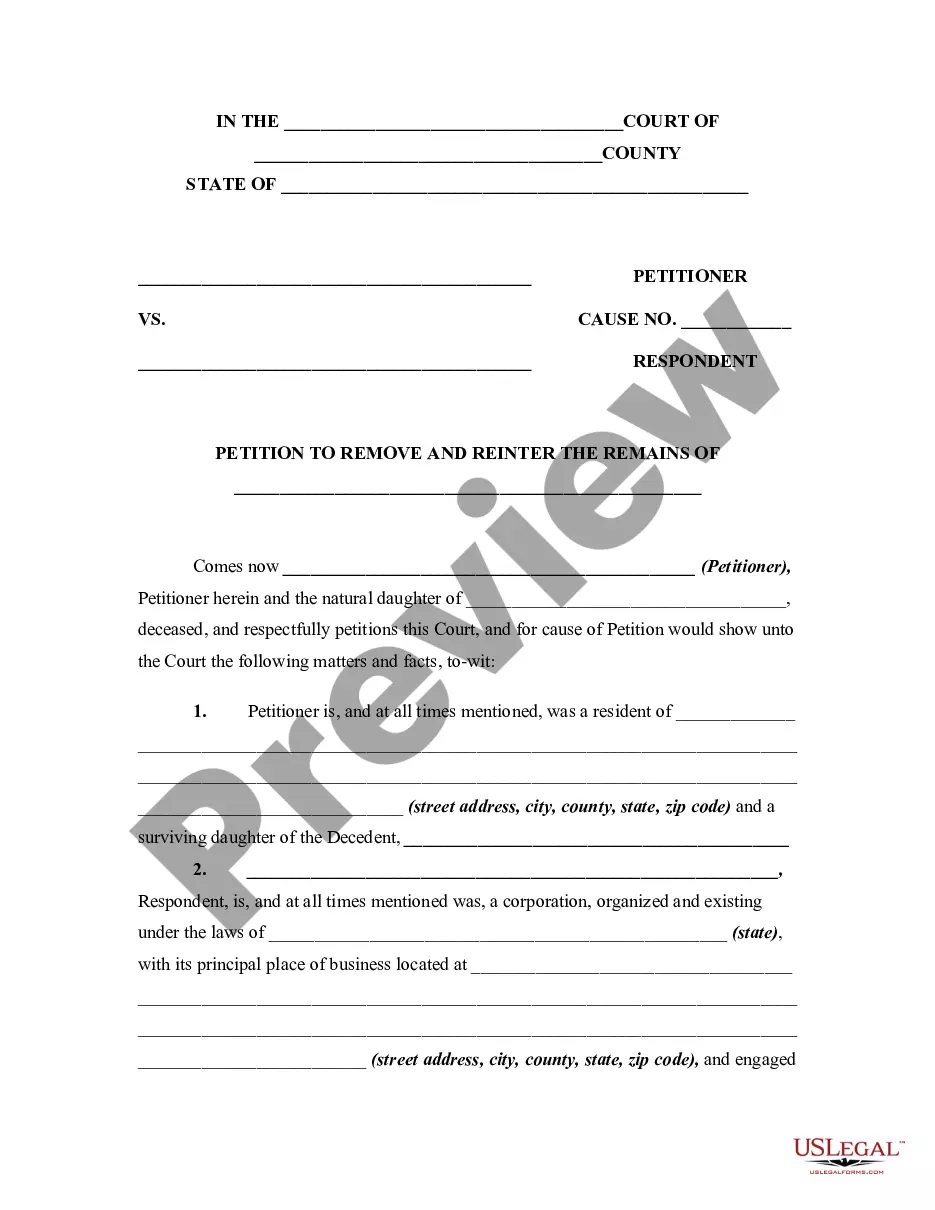
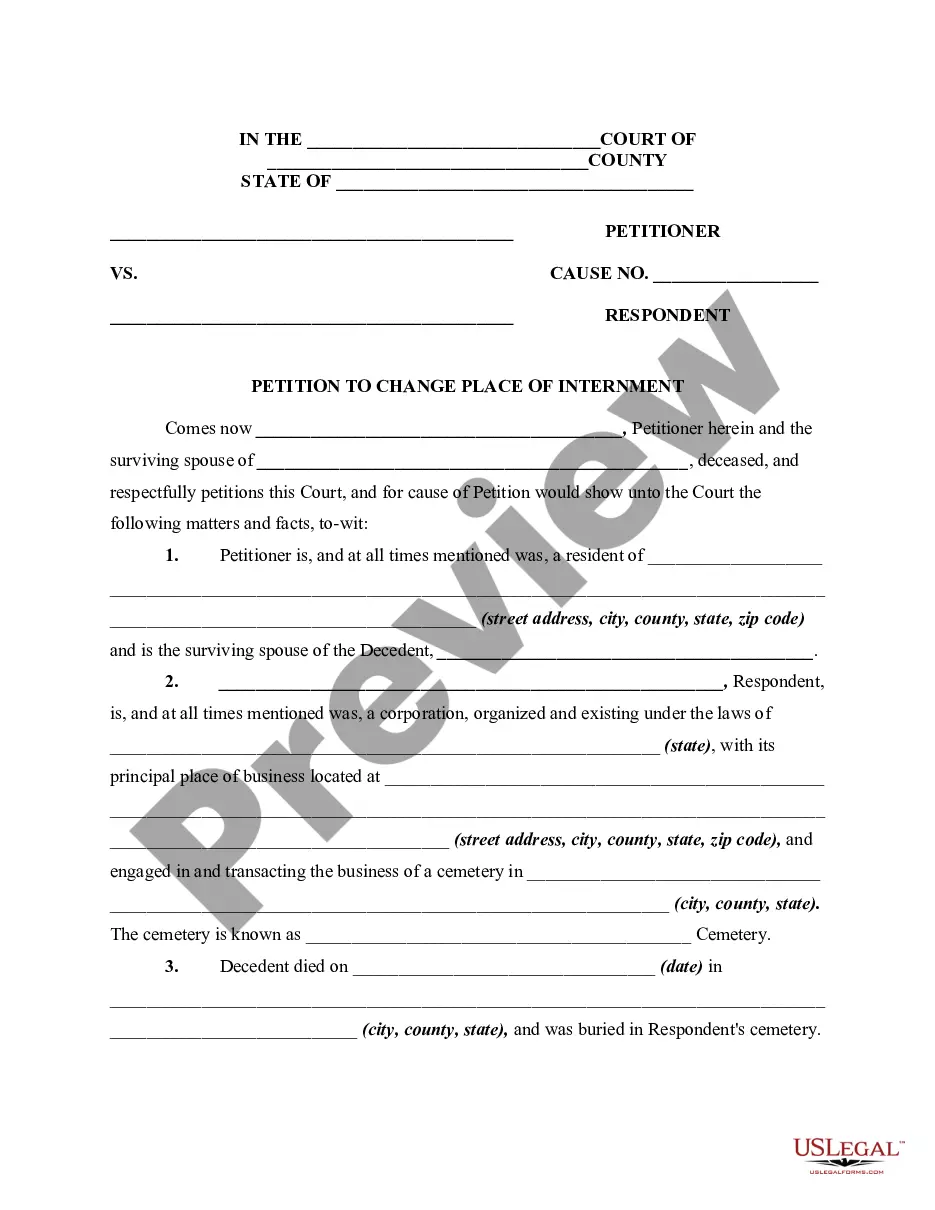
Get your form ready online
Our built-in tools help you complete, sign, share, and store your documents in one place.
Make edits, fill in missing information, and update formatting in US Legal Forms—just like you would in MS Word.
Download a copy, print it, send it by email, or mail it via USPS—whatever works best for your next step.
Sign and collect signatures with our SignNow integration. Send to multiple recipients, set reminders, and more. Go Premium to unlock E-Sign.
If this form requires notarization, complete it online through a secure video call—no need to meet a notary in person or wait for an appointment.
We protect your documents and personal data by following strict security and privacy standards.

Make edits, fill in missing information, and update formatting in US Legal Forms—just like you would in MS Word.

Download a copy, print it, send it by email, or mail it via USPS—whatever works best for your next step.

Sign and collect signatures with our SignNow integration. Send to multiple recipients, set reminders, and more. Go Premium to unlock E-Sign.

If this form requires notarization, complete it online through a secure video call—no need to meet a notary in person or wait for an appointment.

We protect your documents and personal data by following strict security and privacy standards.
Looking for another form?




Form popularity
FAQ
Therefore, the primary ground for granting a petition in a particular case is if review is necessary to secure uniformity of decision among the appellate courts or to settle an important question of law, as stated in California Rules of Court, rule 8.500(b).
Your petition should not exceed 4,500 words if generated electronically or fifteen pages if hand written. You must include the sections marked with an asterisk above as part of the allowed word/page count. The other sections do not count towards the word/page limit.
‖ A party who seeks to alter the court of appeals' judgment must file a petition for review. The petition for review procedure replaces the writ of error procedure. Statutes pertaining to the writ of error in the Supreme Court apply equally to the petition for review.
You will not have a trial immediately. A few things will occur before the trial. The IRS attorney will file an “Answer” with the Court and serve a copy on you by mail if you are not yet registered for electronic filing. In the Answer, the IRS will generally admit or deny the statements made in your petition.
Advantages of U.S. Tax Court Taxpayers who sue the IRS in U.S. Tax Court can expect a very high probability of at least partial success. Approximately 80% of tax court cases reach a settlement before even going to trial.
All Court notices are sent out by regular mail from the Clerk of Court's Office. If you are unsure of your hearing date, you may contact the Court's Assignment Office at 937-225-4087. The Court will be able to look up the case using the case number.