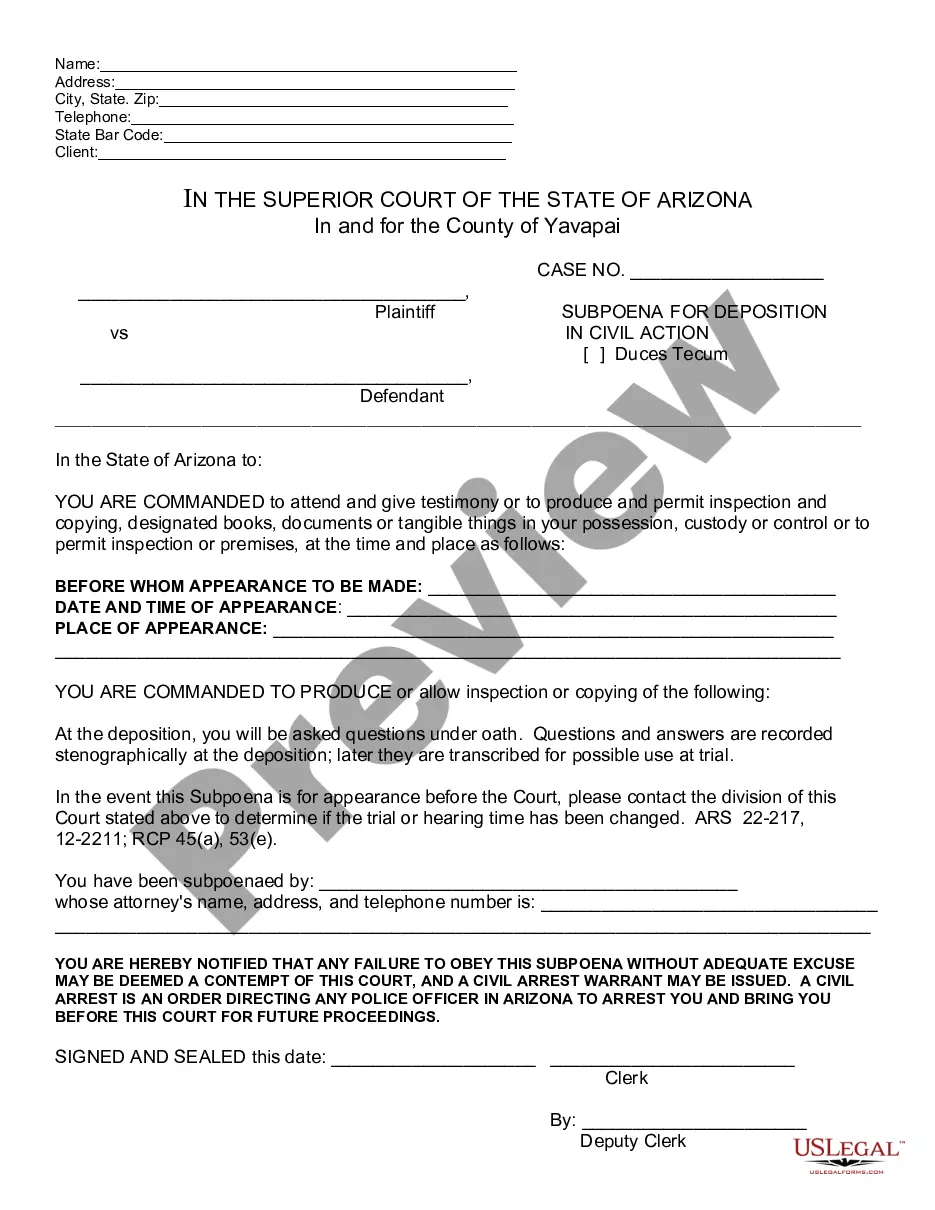
Conveyance Cemetery Without A Permit In Middlesex
Description

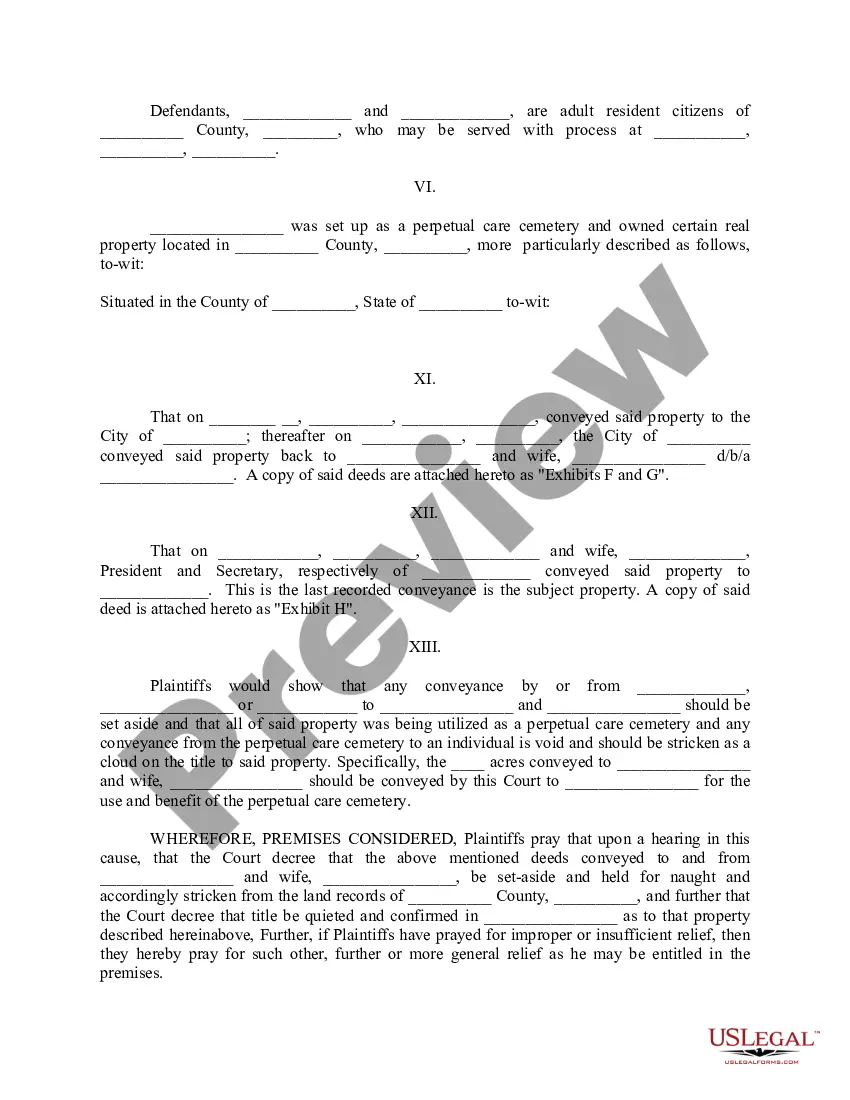

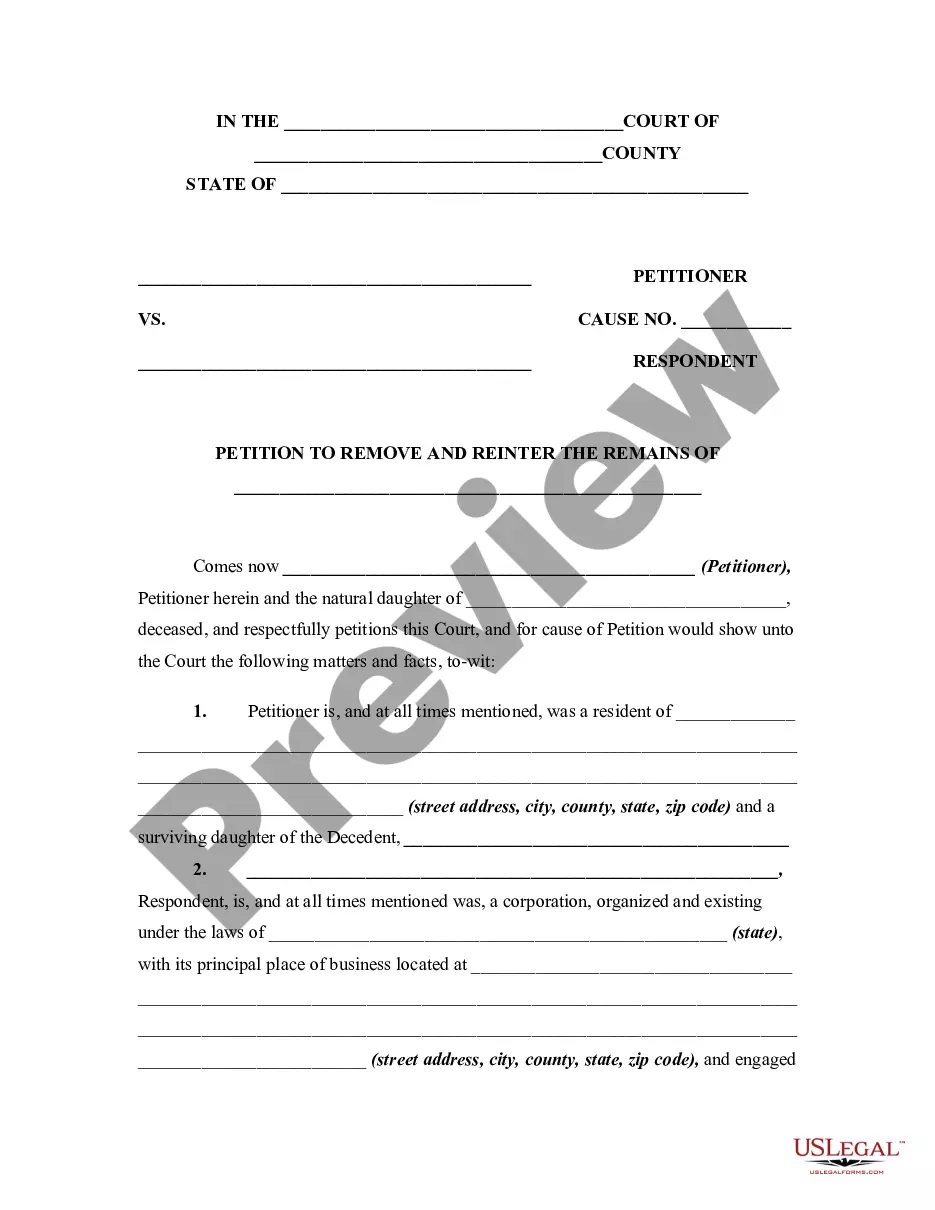
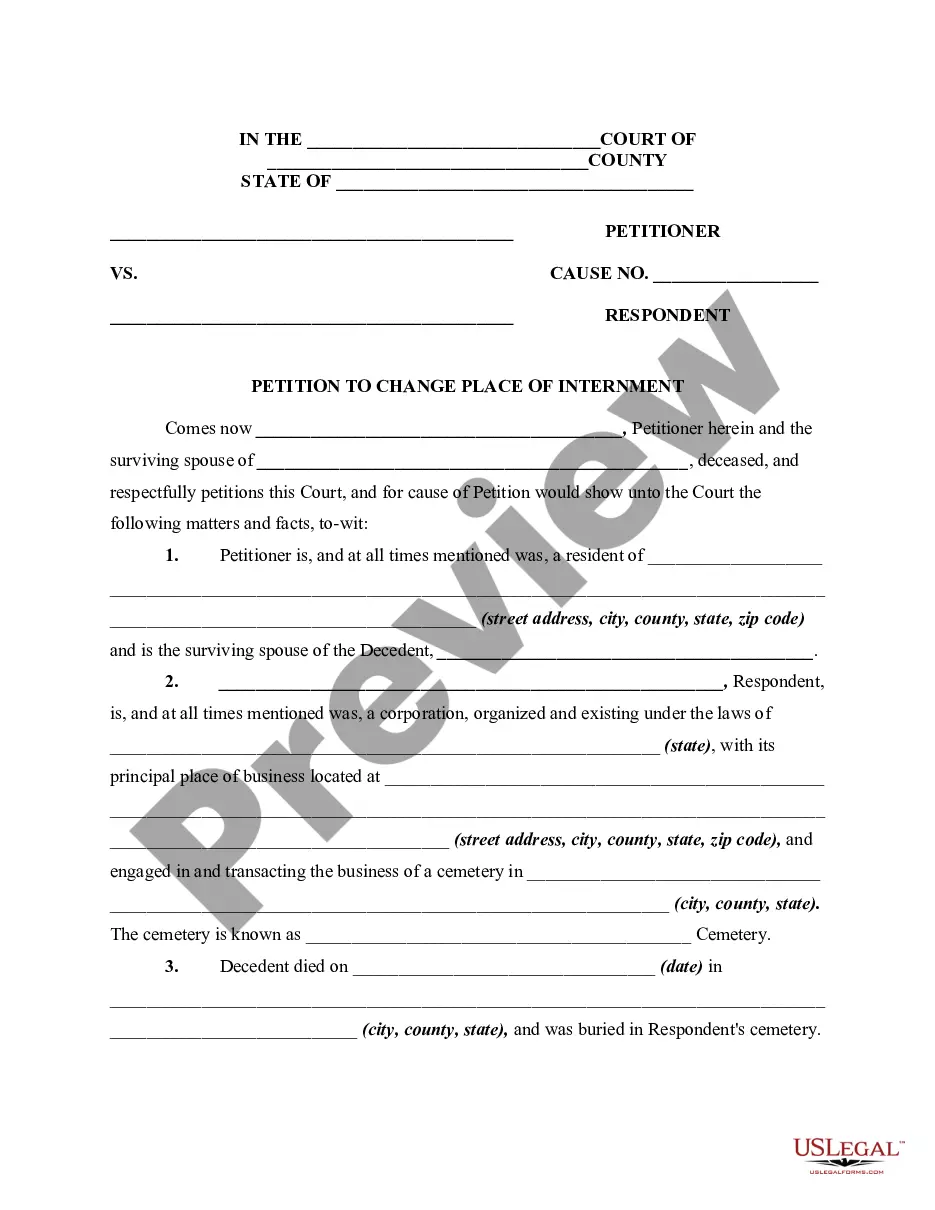
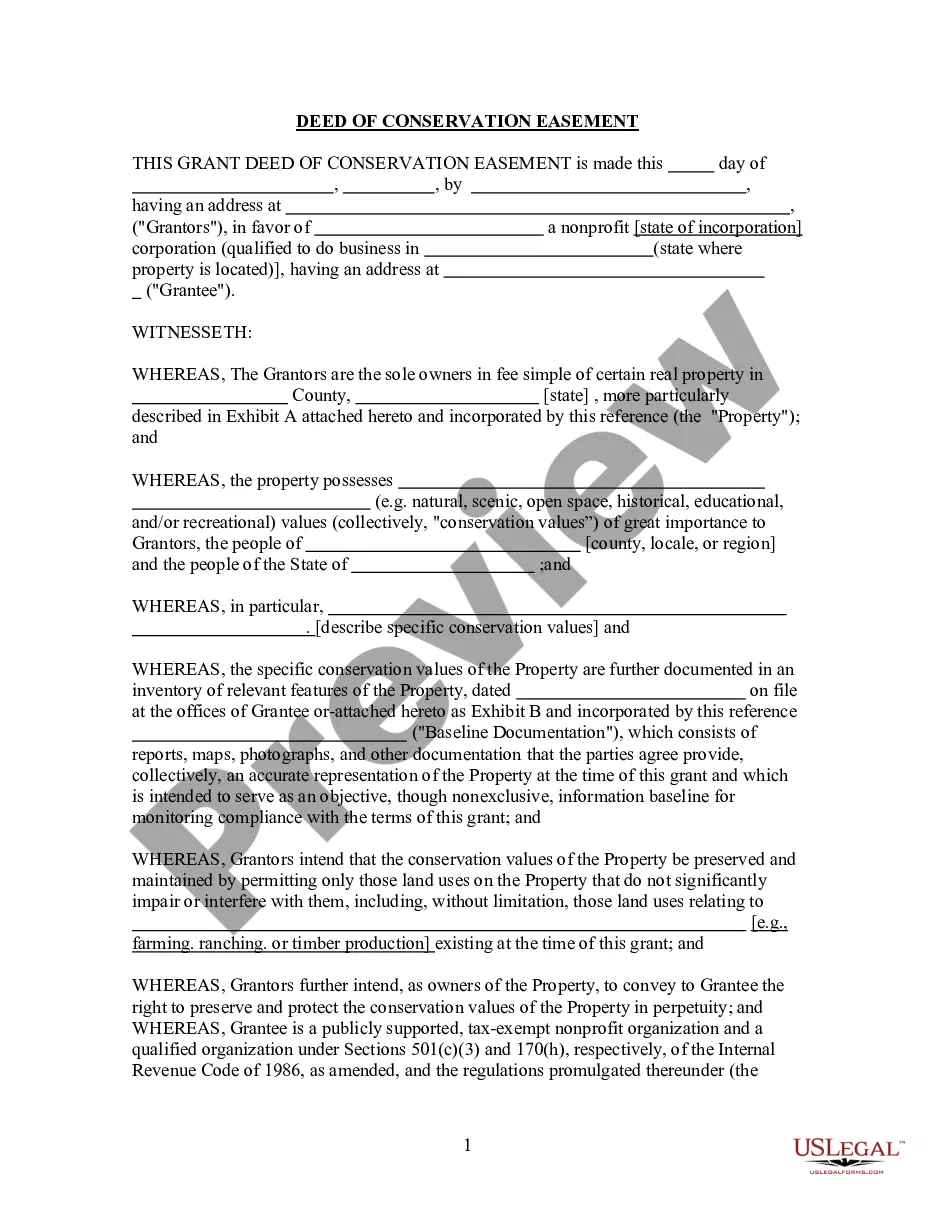
Get your form ready online
Our built-in tools help you complete, sign, share, and store your documents in one place.
Make edits, fill in missing information, and update formatting in US Legal Forms—just like you would in MS Word.
Download a copy, print it, send it by email, or mail it via USPS—whatever works best for your next step.
Sign and collect signatures with our SignNow integration. Send to multiple recipients, set reminders, and more. Go Premium to unlock E-Sign.
If this form requires notarization, complete it online through a secure video call—no need to meet a notary in person or wait for an appointment.
We protect your documents and personal data by following strict security and privacy standards.

Make edits, fill in missing information, and update formatting in US Legal Forms—just like you would in MS Word.

Download a copy, print it, send it by email, or mail it via USPS—whatever works best for your next step.

Sign and collect signatures with our SignNow integration. Send to multiple recipients, set reminders, and more. Go Premium to unlock E-Sign.

If this form requires notarization, complete it online through a secure video call—no need to meet a notary in person or wait for an appointment.

We protect your documents and personal data by following strict security and privacy standards.
Looking for another form?









Form popularity
FAQ
Active family cemeteries, ones where burials still take place, are not only rare, but often considered suspect by neighbors and local zoning boards. Fortunately, they are legal in all 50 states, but not without some serious hoop jumping.
If you or your family own and live on a large area of land, creating a family cemetery may be relatively straightforward, but even so it still requires permissions from local governments.
If they are to be built over, it is usual to remove the remains first. These would be re-interred at another site or cremated. If very old, archeologists may be called. Sometimes the bodies are not moved — in that case, there is some sort of indication that the construction is on top of a grave.
The only place that burial can take place in New Jersey is on land that is dedicated for cemetery purposes. For your property to be used for burial, you would have to apply to the New Jersey Cemetery Board for a Certificate of Authority to operate as a "cemetery company."
And public records. Let's get started can a cemetery move a grave without permission. No a cemeteryMoreAnd public records. Let's get started can a cemetery move a grave without permission. No a cemetery cannot move a grave without permission.
Contact some local funeral homes and let them know you have them for sale at a discount. You can even offer them a commission to motivate them a bit. Contact retirement homes in the area and let them know they are available. List them for sale at Grave Sales the online classifieds for cemetery property.
There are no laws that prohibit home burial. You must check local zoning laws before establishing a home cemetery or burying on private land. It is legally required to hire a Funeral Director to handle certain parts of the funeral.
How to Transfer Ownership of a Burial Plot Step 1 – Get the Deed From the Cemetery. Step 2 – Review the State and Local Laws. Step 3 – Prove You Are the Current Owner. Step 4 – Fill Out the Cemetery Plot Deed Transfer Form. Step 5 – Complete the Transfer and Get the New Deed.