Conveyance Cemetery Without A Will In Maricopa
Description
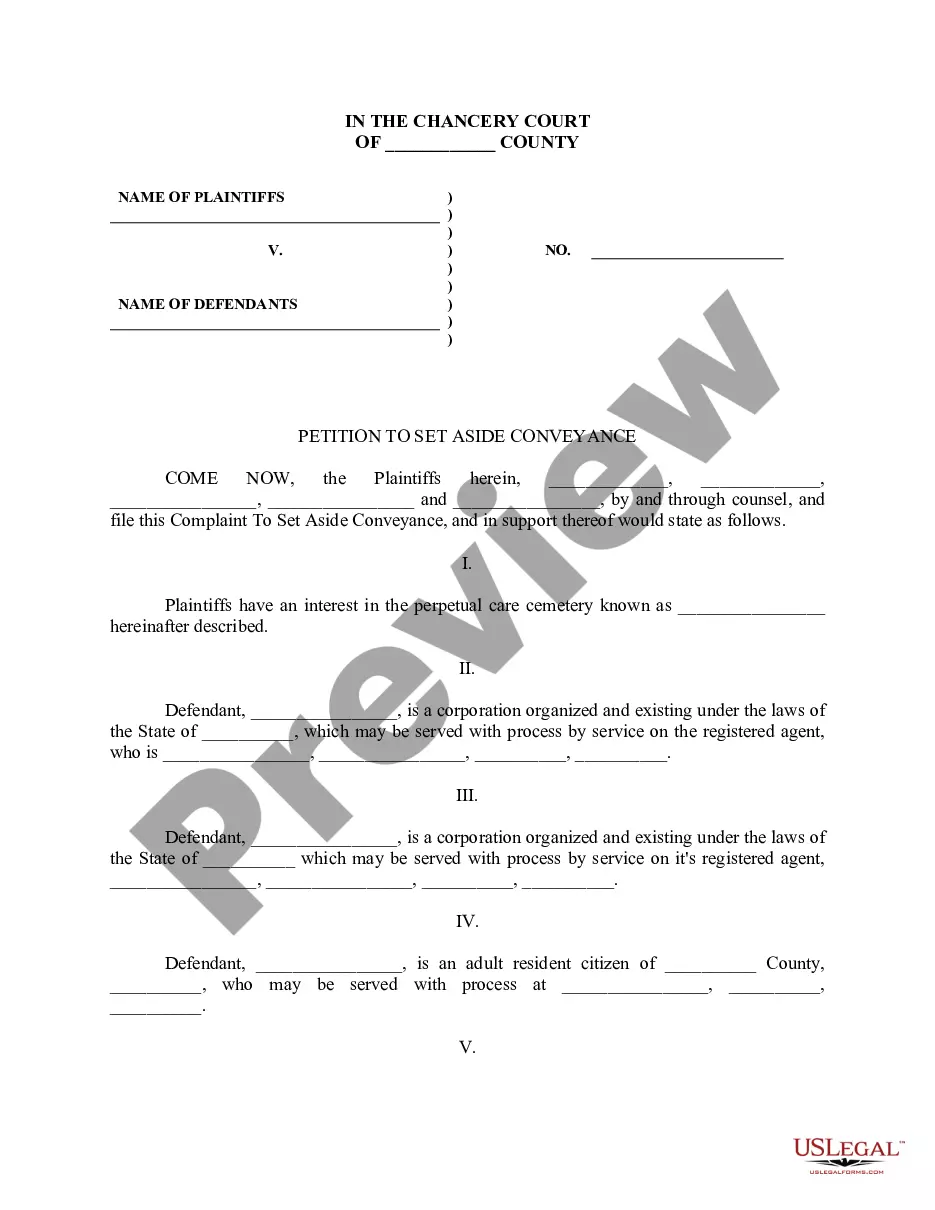
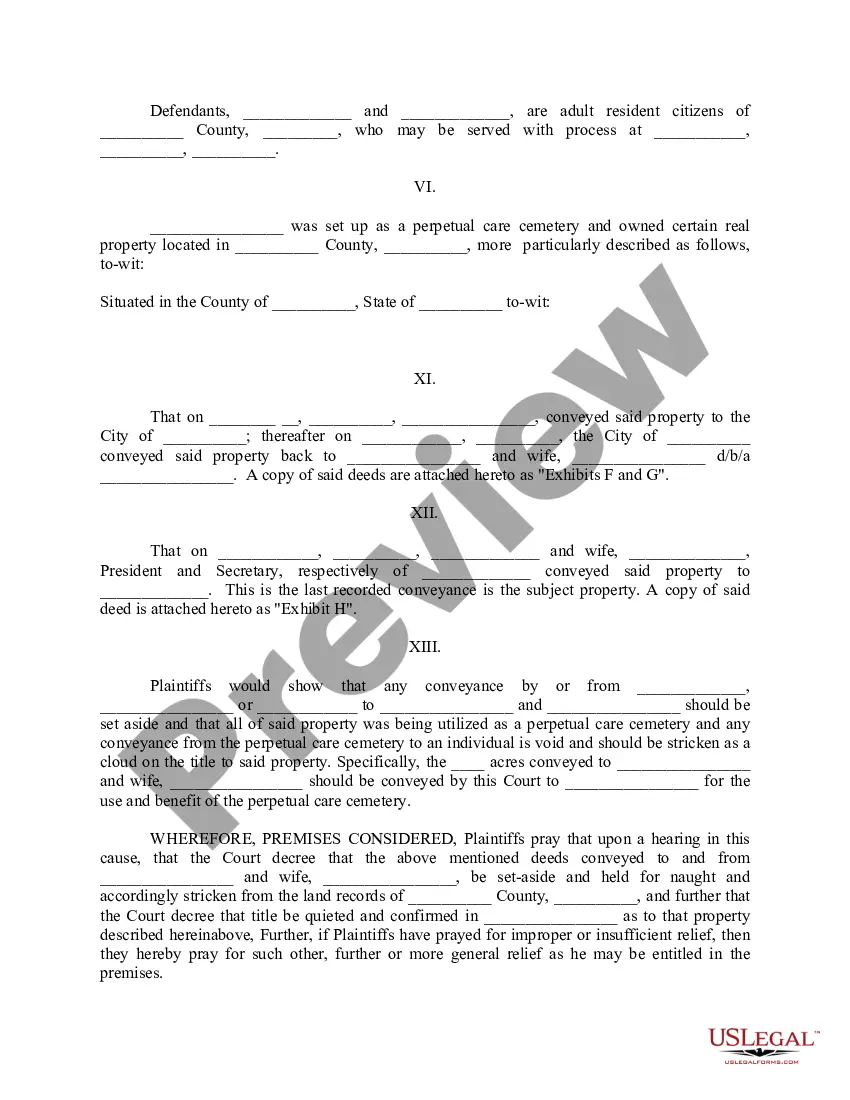

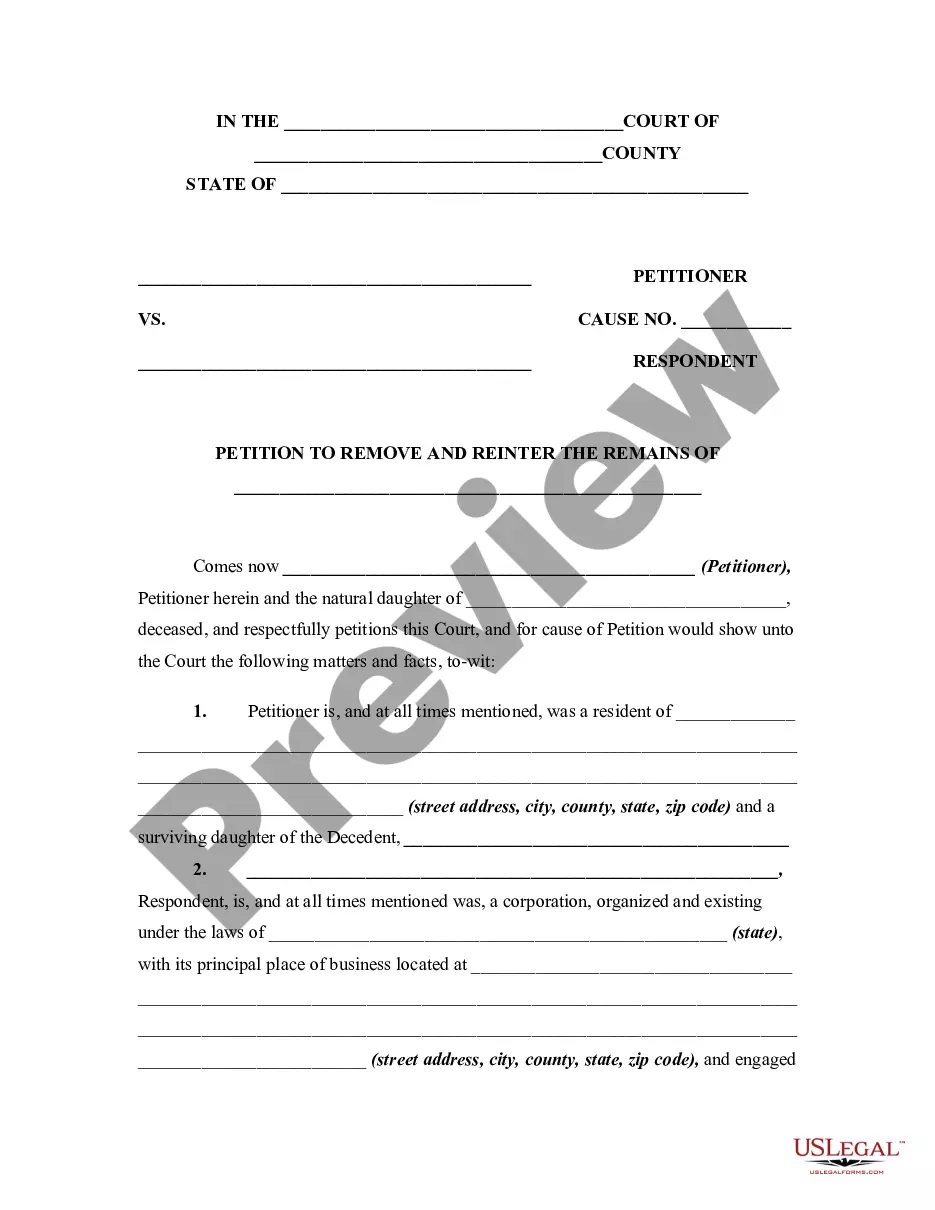
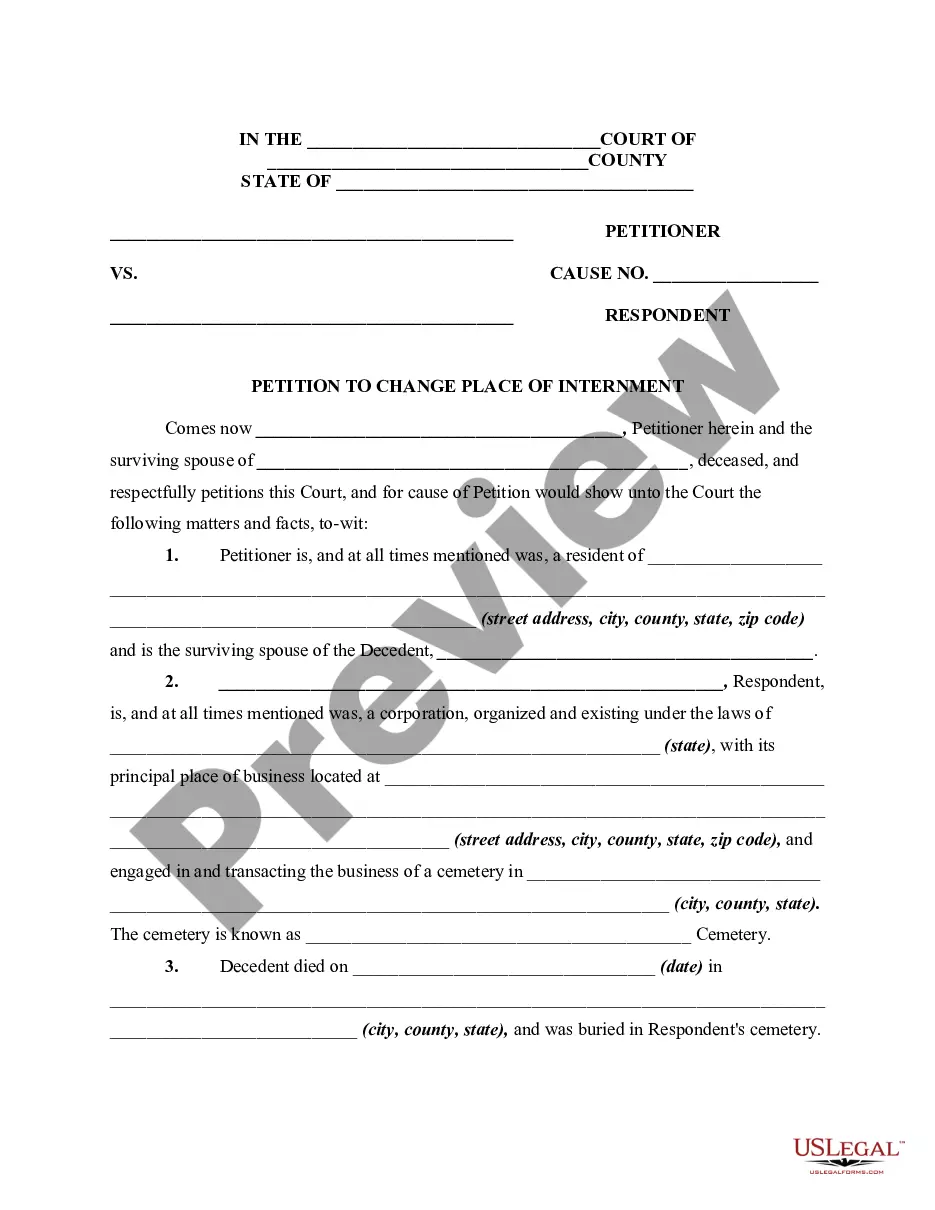
Get your form ready online
Our built-in tools help you complete, sign, share, and store your documents in one place.
Make edits, fill in missing information, and update formatting in US Legal Forms—just like you would in MS Word.
Download a copy, print it, send it by email, or mail it via USPS—whatever works best for your next step.
Sign and collect signatures with our SignNow integration. Send to multiple recipients, set reminders, and more. Go Premium to unlock E-Sign.
If this form requires notarization, complete it online through a secure video call—no need to meet a notary in person or wait for an appointment.
We protect your documents and personal data by following strict security and privacy standards.

Make edits, fill in missing information, and update formatting in US Legal Forms—just like you would in MS Word.

Download a copy, print it, send it by email, or mail it via USPS—whatever works best for your next step.

Sign and collect signatures with our SignNow integration. Send to multiple recipients, set reminders, and more. Go Premium to unlock E-Sign.

If this form requires notarization, complete it online through a secure video call—no need to meet a notary in person or wait for an appointment.

We protect your documents and personal data by following strict security and privacy standards.
Looking for another form?








Form popularity
FAQ
What's included in a letter of testamentary? The deceased person's name and date of death. Name of the county in which they resided. Executor's name and mailing address. Name, signature, and seal of the clerk of probate court who authorized the letter. Scope of testamentary duties (what the executor can and cannot do)
Requesting Letters of Testamentary The person acting as the executor of the estate must petition the court to request the letter of testamentary. After they file the necessary documents, the probate court checks them to ensure compliance and authenticate the will.
However, if there is no will or the will is contested by potential heirs or creditors, the process can become lengthy due to court hearings and legal challenges. On average, probate in Arizona takes between six months to a year for an uncontested estate.
With or without a will, the transfer of property after death requires going to probate court. However, this can be bypassed entirely if the deceased has a valid trust in effect.
Typically, the process of obtaining letters testamentary can take several weeks to several months, depending on the circumstances. The executor or personal representative must file a petition with the probate court, which will schedule a hearing to appoint the executor and issue the legal document.
Requesting Letters of Testamentary The person acting as the executor of the estate must petition the court to request the letter of testamentary. After they file the necessary documents, the probate court checks them to ensure compliance and authenticate the will.
The Affidavit is used only to transfer title of a deceased person's real property, including a debt secured by a lien on real property.
Real estate or a debt secured by a lien on real property may be transferred to the successor or successors by affidavit if certain requirements are met. This affidavit must be filed in the county where the decedent was domiciled or, if not domiciled in this state, in the county where the property is located.
Any time someone dies with more than $100,000 in real property or $75,000 in personal property, their estate must go through probate ing to Arizona probate law. Even if the person has a will, the court must still decide whether or not the will is valid.