Cemetery Plot Ownership Laws In Kings
Description


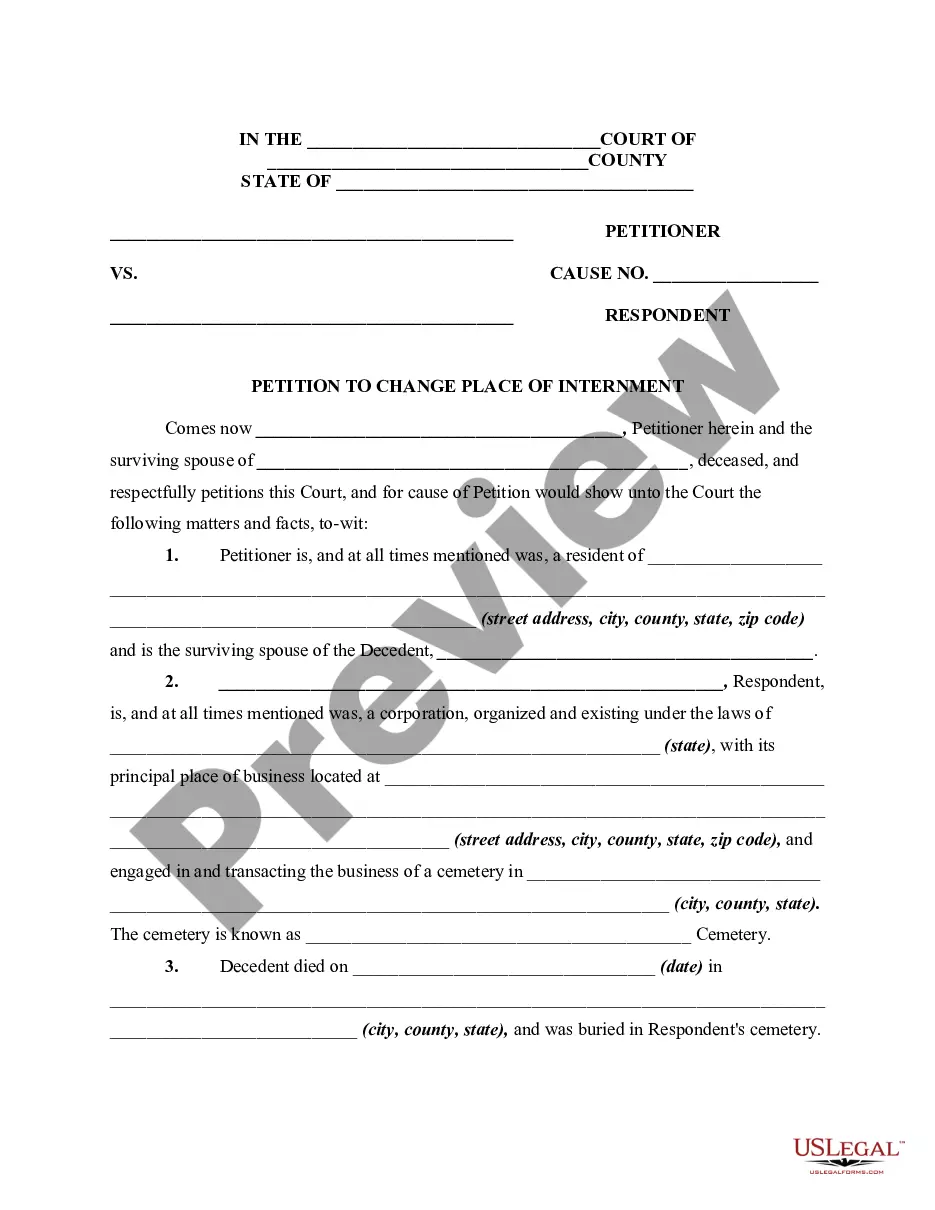
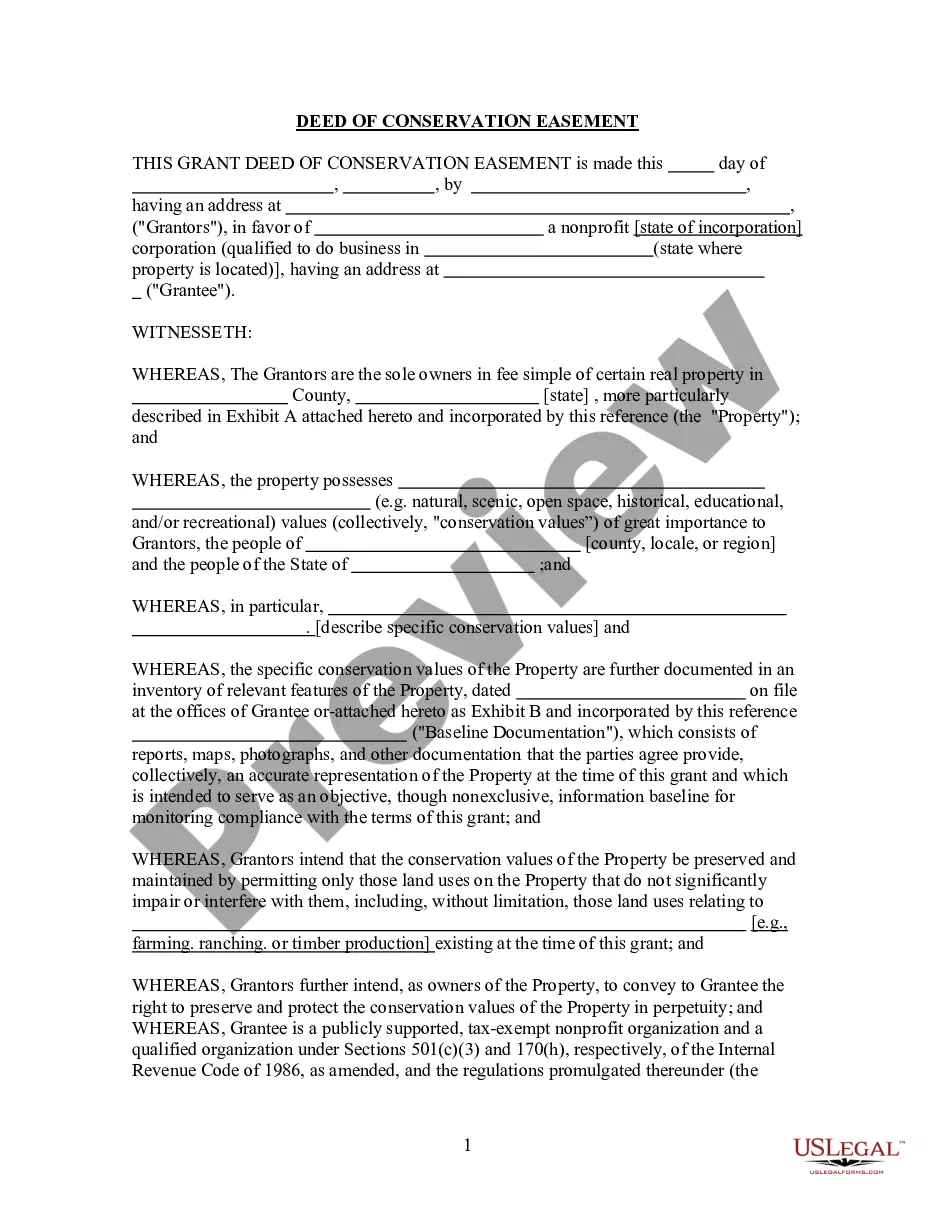
Get your form ready online
Our built-in tools help you complete, sign, share, and store your documents in one place.
Make edits, fill in missing information, and update formatting in US Legal Forms—just like you would in MS Word.
Download a copy, print it, send it by email, or mail it via USPS—whatever works best for your next step.
Sign and collect signatures with our SignNow integration. Send to multiple recipients, set reminders, and more. Go Premium to unlock E-Sign.
If this form requires notarization, complete it online through a secure video call—no need to meet a notary in person or wait for an appointment.
We protect your documents and personal data by following strict security and privacy standards.

Make edits, fill in missing information, and update formatting in US Legal Forms—just like you would in MS Word.

Download a copy, print it, send it by email, or mail it via USPS—whatever works best for your next step.

Sign and collect signatures with our SignNow integration. Send to multiple recipients, set reminders, and more. Go Premium to unlock E-Sign.

If this form requires notarization, complete it online through a secure video call—no need to meet a notary in person or wait for an appointment.

We protect your documents and personal data by following strict security and privacy standards.
Looking for another form?
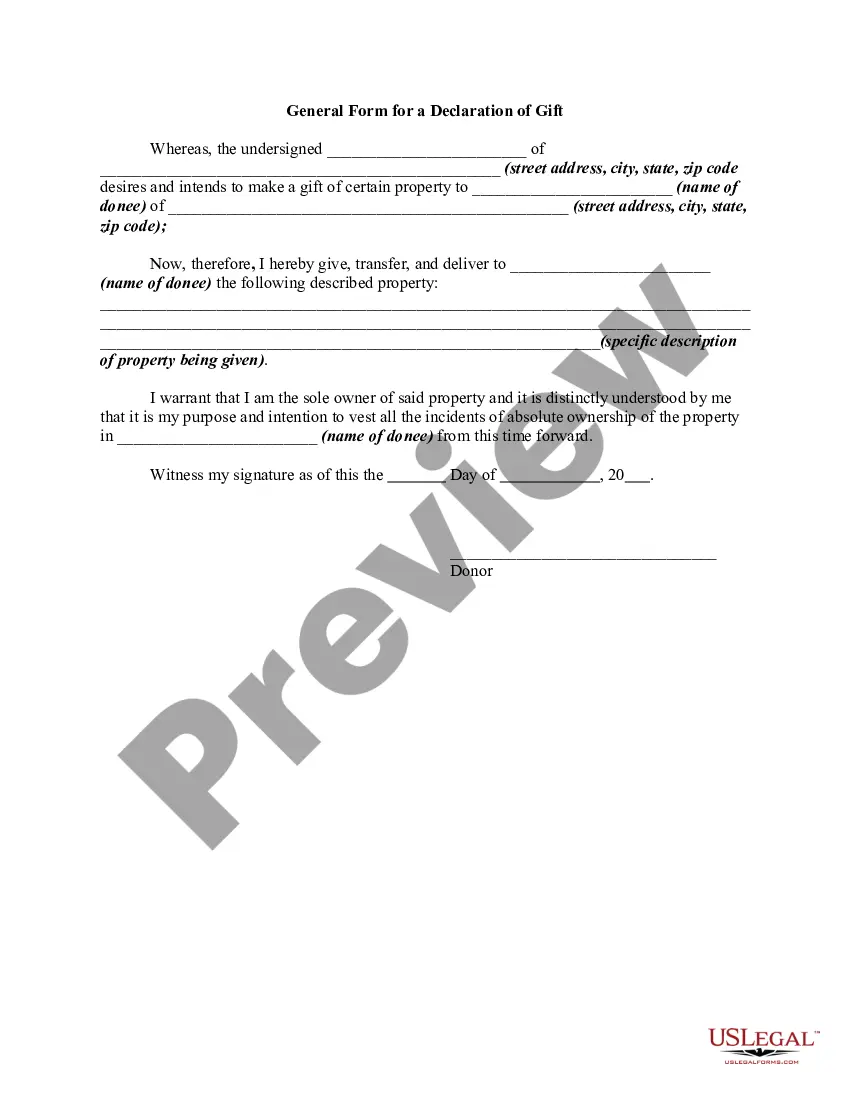
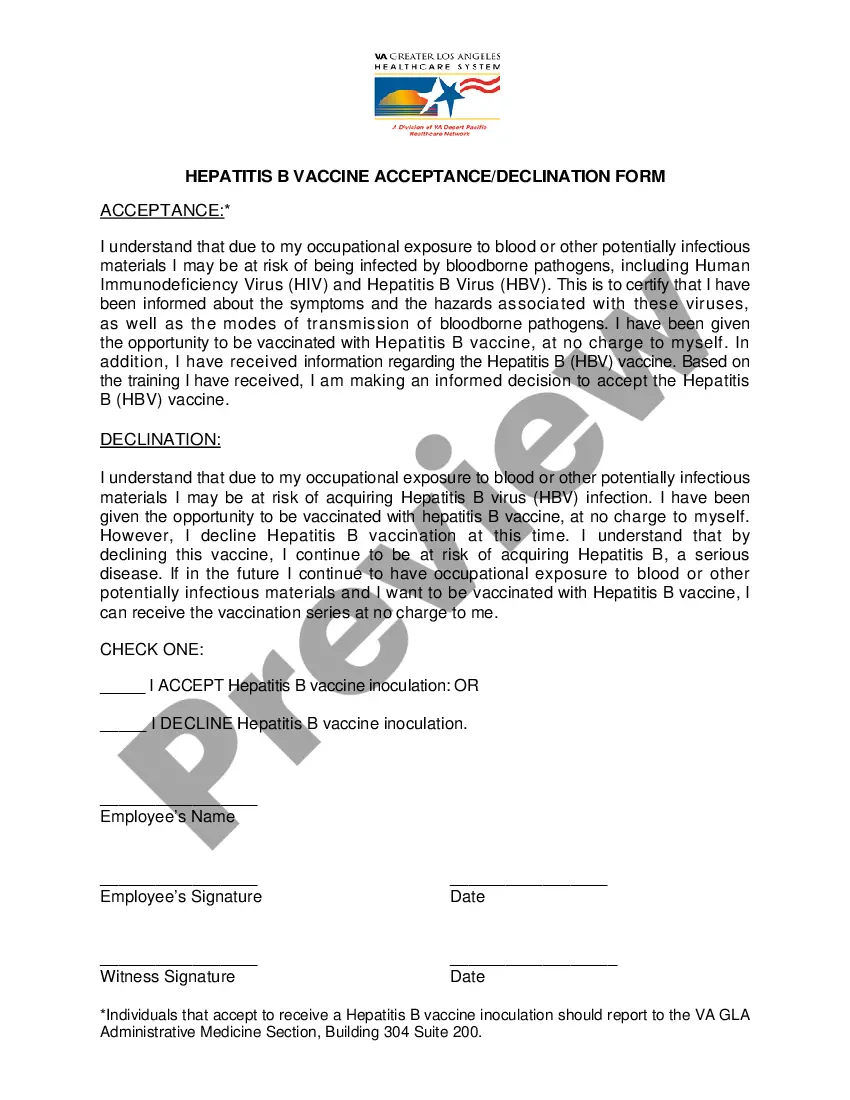
Form popularity
FAQ
If you've considered asking, “how long do you stay buried in a cemetery?” the answer is typically 100 years or more. Plots are sold for 50 to 100 years, but it's unusual to remove anyone from the burial grounds unless the need for space requires it.
How to Transfer Ownership of a Burial Plot Step 1 – Get the Deed From the Cemetery. Step 2 – Review the State and Local Laws. Step 3 – Prove You Are the Current Owner. Step 4 – Fill Out the Cemetery Plot Deed Transfer Form. Step 5 – Complete the Transfer and Get the New Deed.
Generally,, each plot is owned by a legal entity (e.g. a person or a family) while the surrounding land is owed by a legal entity such as local government, a non-profit corporation, or a for-profit corporation. This information is typically available at the cemetery office, or there may be a sign indicating ownership.
Today, some cemeteries rent out plots, which allows people to lease a space for up to 100 years before the grave is allowed to be recycled and reused. Many countries around the world have resorted to this process as their available land begins to fill.
Often, a cemetery will issue a ``deed'' at the sale of a grave space or lot of graves. This deed is NOT an issuance of any real estate. It is, in fact, a promissory note which prevents the cemetery from using that, particular space to bury anyone else.
Yes, Cemetery Plots Are Real Estate. The cemetery company owns the land, as it holds the deed to the cemetery.
This is one of the first questions people ask when buying a burial plot, and the answer is no. In the U.S., a purchased cemetery plot belongs to you forever. In some instances, however, if a cemetery is considered “abandoned,” the state can reclaim the land and discontinue interments.