Set Aside Petition Format In Tamil In Houston
Description
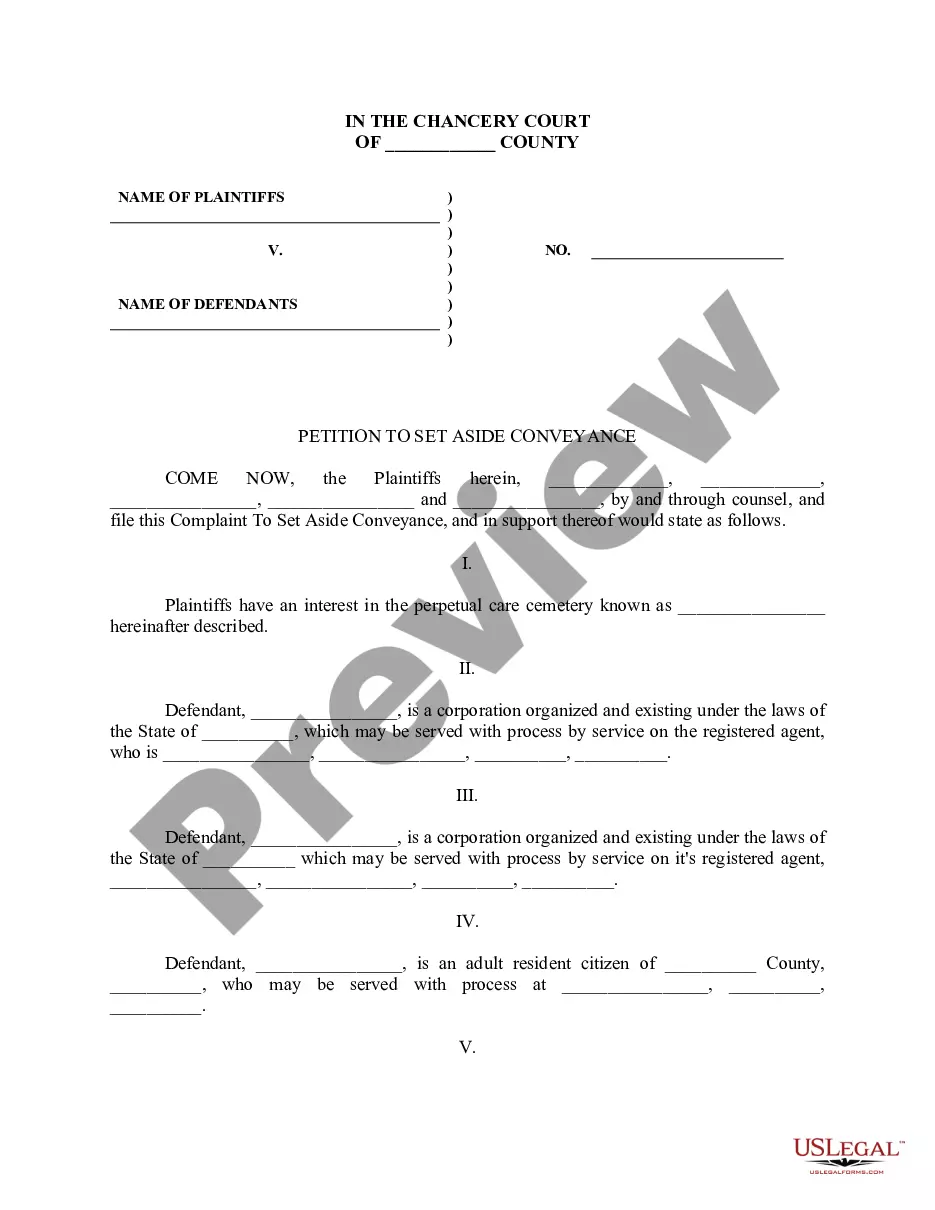
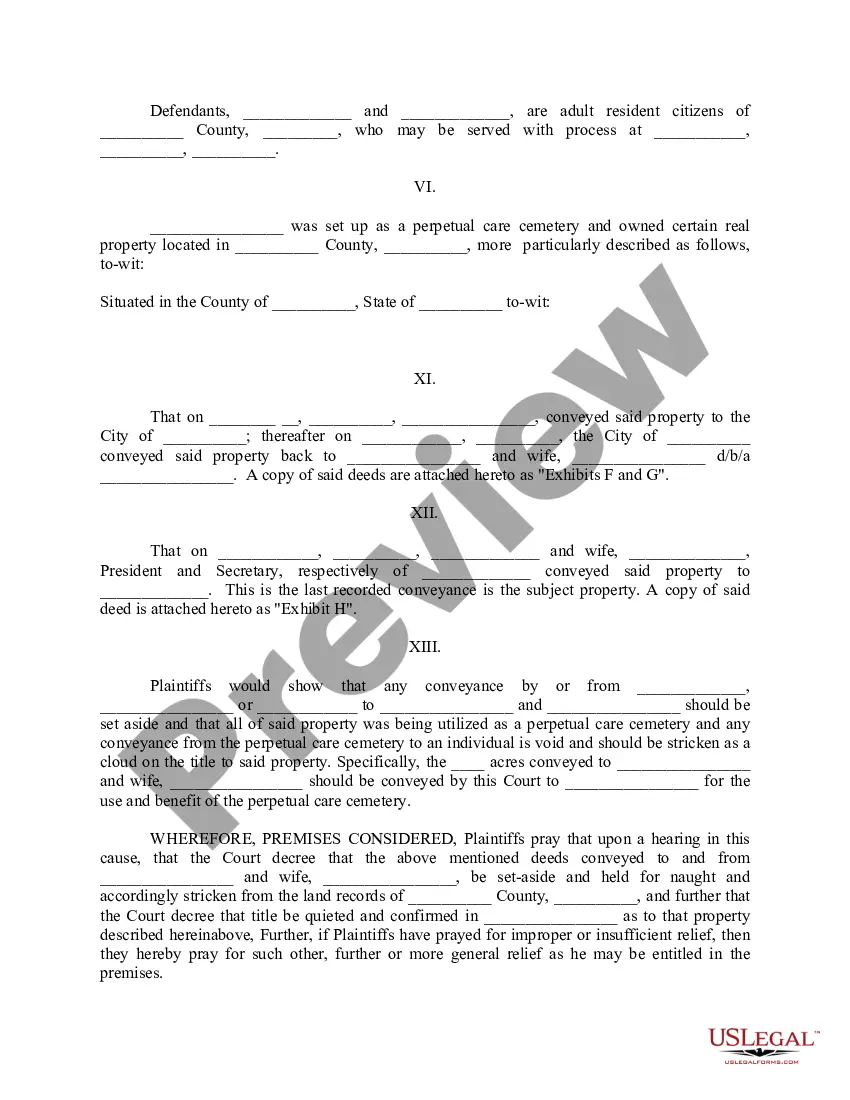

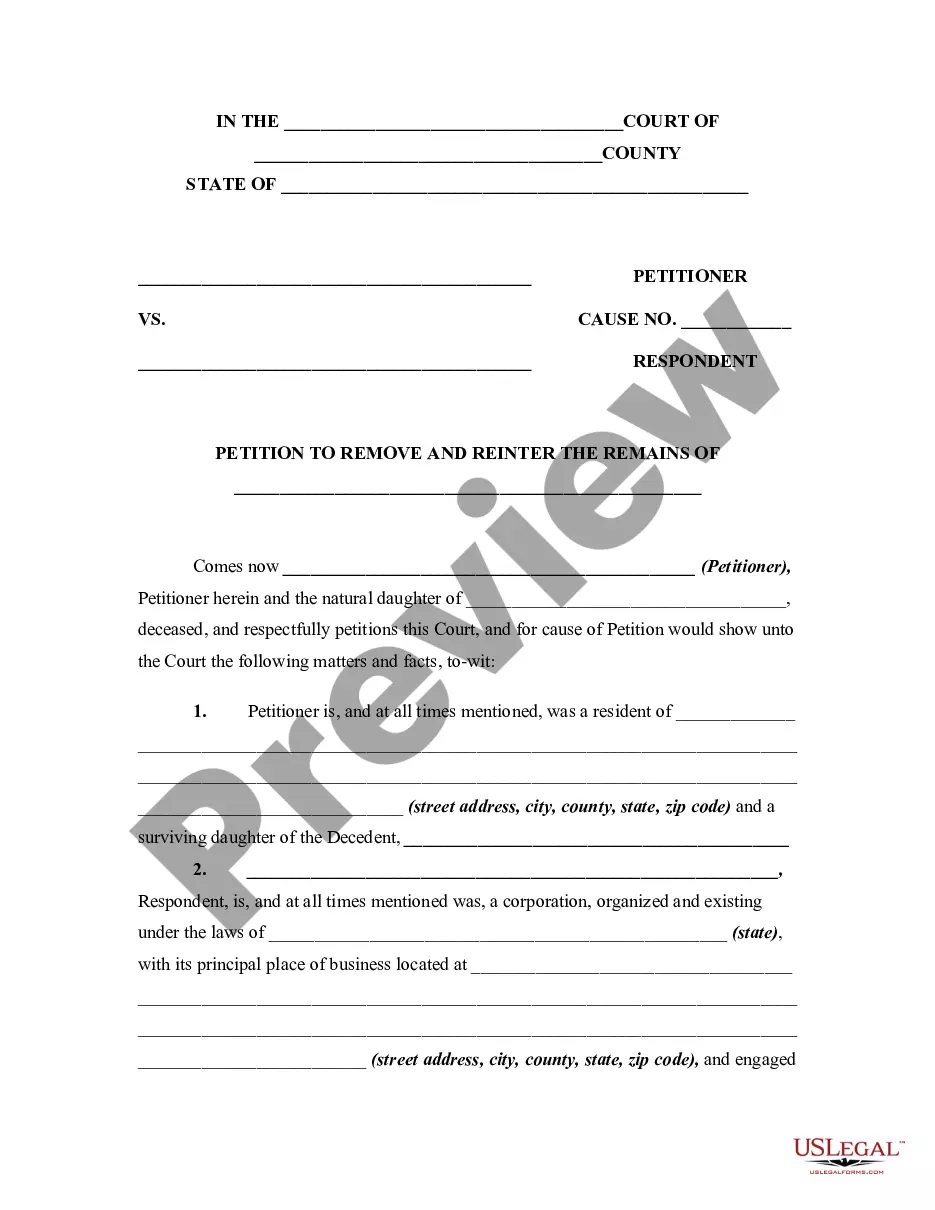
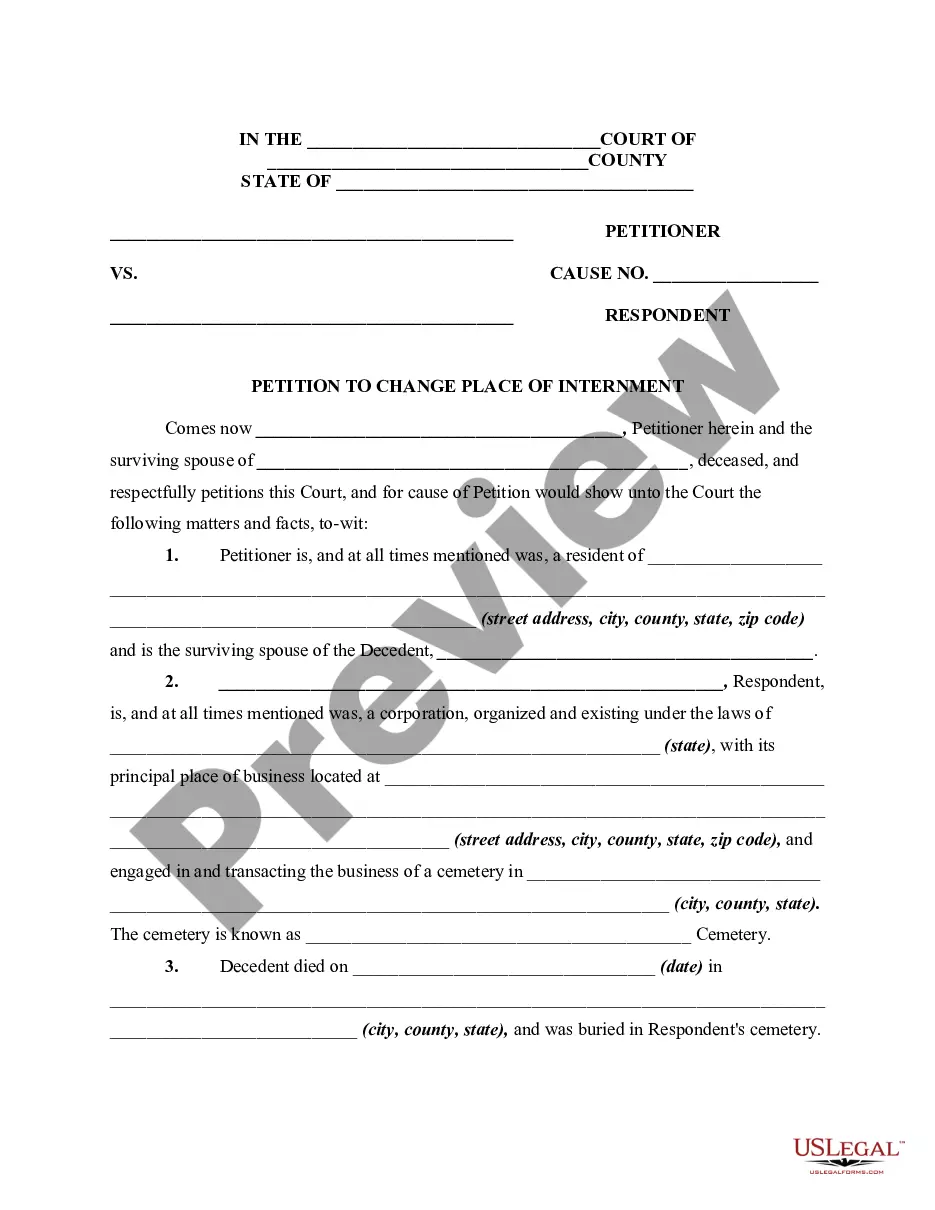
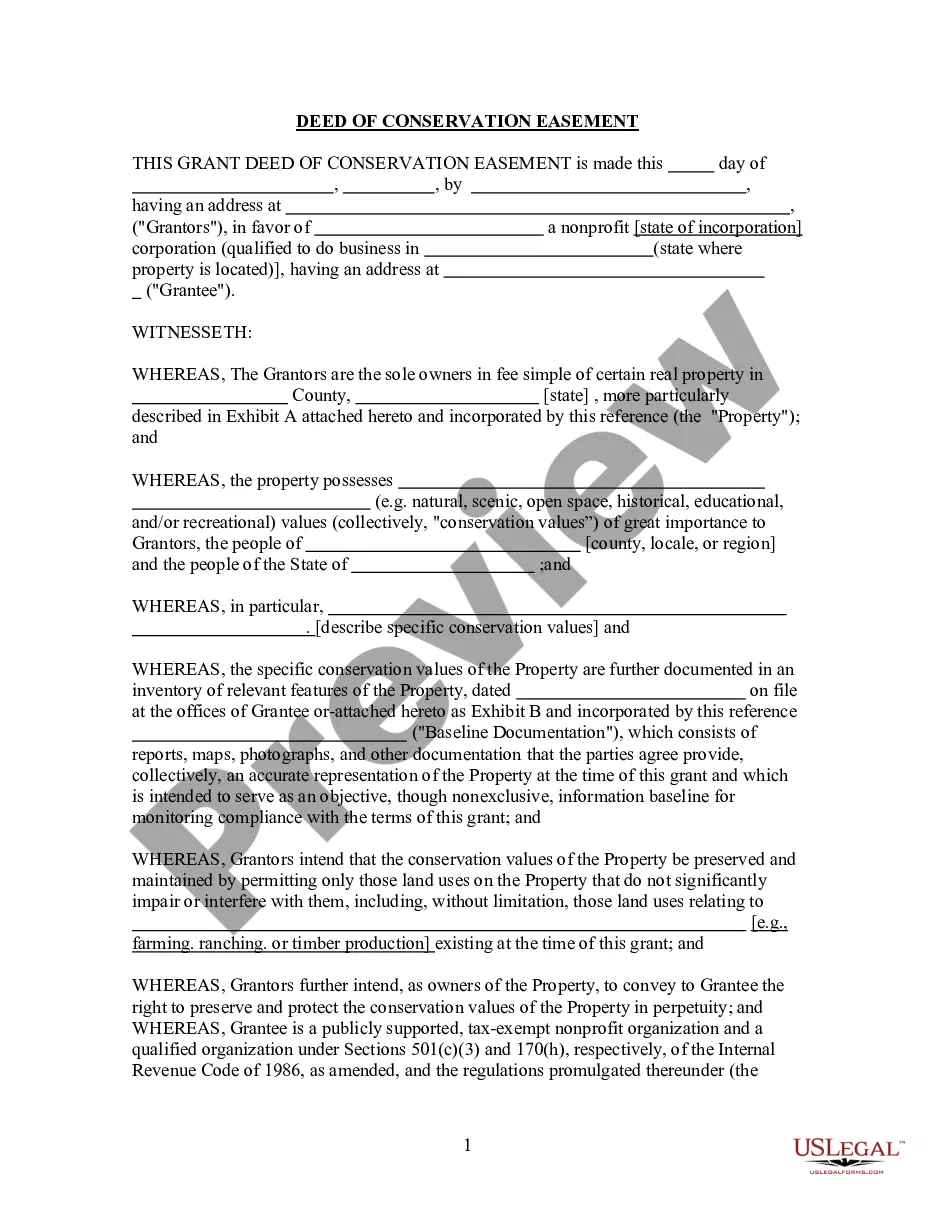
Get your form ready online
Our built-in tools help you complete, sign, share, and store your documents in one place.
Make edits, fill in missing information, and update formatting in US Legal Forms—just like you would in MS Word.
Download a copy, print it, send it by email, or mail it via USPS—whatever works best for your next step.
Sign and collect signatures with our SignNow integration. Send to multiple recipients, set reminders, and more. Go Premium to unlock E-Sign.
If this form requires notarization, complete it online through a secure video call—no need to meet a notary in person or wait for an appointment.
We protect your documents and personal data by following strict security and privacy standards.

Make edits, fill in missing information, and update formatting in US Legal Forms—just like you would in MS Word.

Download a copy, print it, send it by email, or mail it via USPS—whatever works best for your next step.

Sign and collect signatures with our SignNow integration. Send to multiple recipients, set reminders, and more. Go Premium to unlock E-Sign.

If this form requires notarization, complete it online through a secure video call—no need to meet a notary in person or wait for an appointment.

We protect your documents and personal data by following strict security and privacy standards.
Looking for another form?






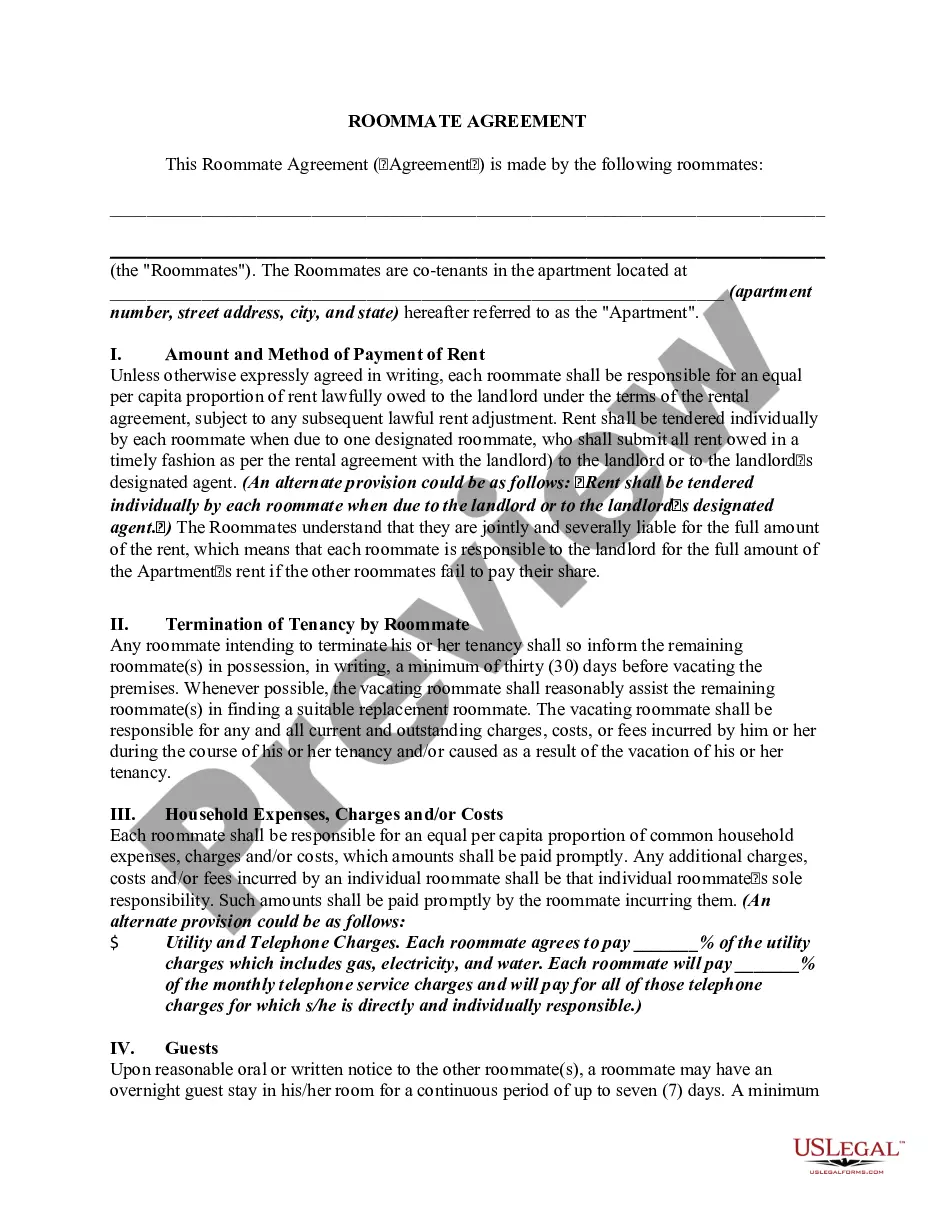



Form popularity
FAQ
In Texas, there are three primary legal tools by which you as the defendant can overturn a default judgment: Filing a motion to set aside the default judgment. Filing a restricted appeal. Filing a bill of review.
You must file a Motion to Set Aside Default Judgment and Notice of Hearing within 30 days of the date the default judgment was signed by the judge. See Texas Rule of Civil Procedure 329(b). In Justice Court, the deadline is 14 days. See Texas Rule of Civil Procedure 505.3.
Generally, to file a judgment lien, an abstract of judgment must be issued by the justice court. Some justice courts have a form available on their website to request an abstract of judgment.
Generally, a Motion to Set Aside a Default Judgment and Notice of Hearing must be filed within 30 days of the date the default judgment was signed by the judge. If you were served notice of the default judgment by publication, you have two years from the date of the default judgment to ask for a new trial.
First, is by way of filing an application under Order IX Rule 13 CPC seeking for setting aside ex-parte decree; the second, is by way of filing an appeal against the ex-parte decree under Section 96(2) of the CPC and the third, is by way of review before the same court against the ex-parte decree.
In case of an ex-parte decree, the defendant may apply under Order 9 Rule 13 C.P.C. for setting aside the ex-parte decree and if the Court is satisfied that summons were not duly served or the defendant was prevented from any sufficient cause from appearing when the suit was called, the Court can make an order for ...
To file online, go to E-File Texas ( ) 11 and follow the instructions. To file in person, take your answer (and copies) to the district clerk's office in the county where the plaintiff filed the case. At the clerk's office: Turn in your answer form (and copies).
To file in person, take your answer (and copies) to the district clerk's office in the county where the plaintiff filed the case. At the clerk's office: Turn in your answer form (and copies). Ask the clerk if there are local rules or procedures you need to know about for your case.
You must file a Motion to Set Aside Default Judgment and Notice of Hearing within 30 days of the date the default judgment was signed by the judge. See Texas Rule of Civil Procedure 329(b). In Justice Court, the deadline is 14 days. See Texas Rule of Civil Procedure 505.3.
On a separate page or pages, write a short and plain statement of the answer to the allegations in the complaint. Number the paragraphs. The answer should correspond to each paragraph in the complaint, with paragraph 1 of the answer corresponding to paragraph 1 of the complaint, etc.