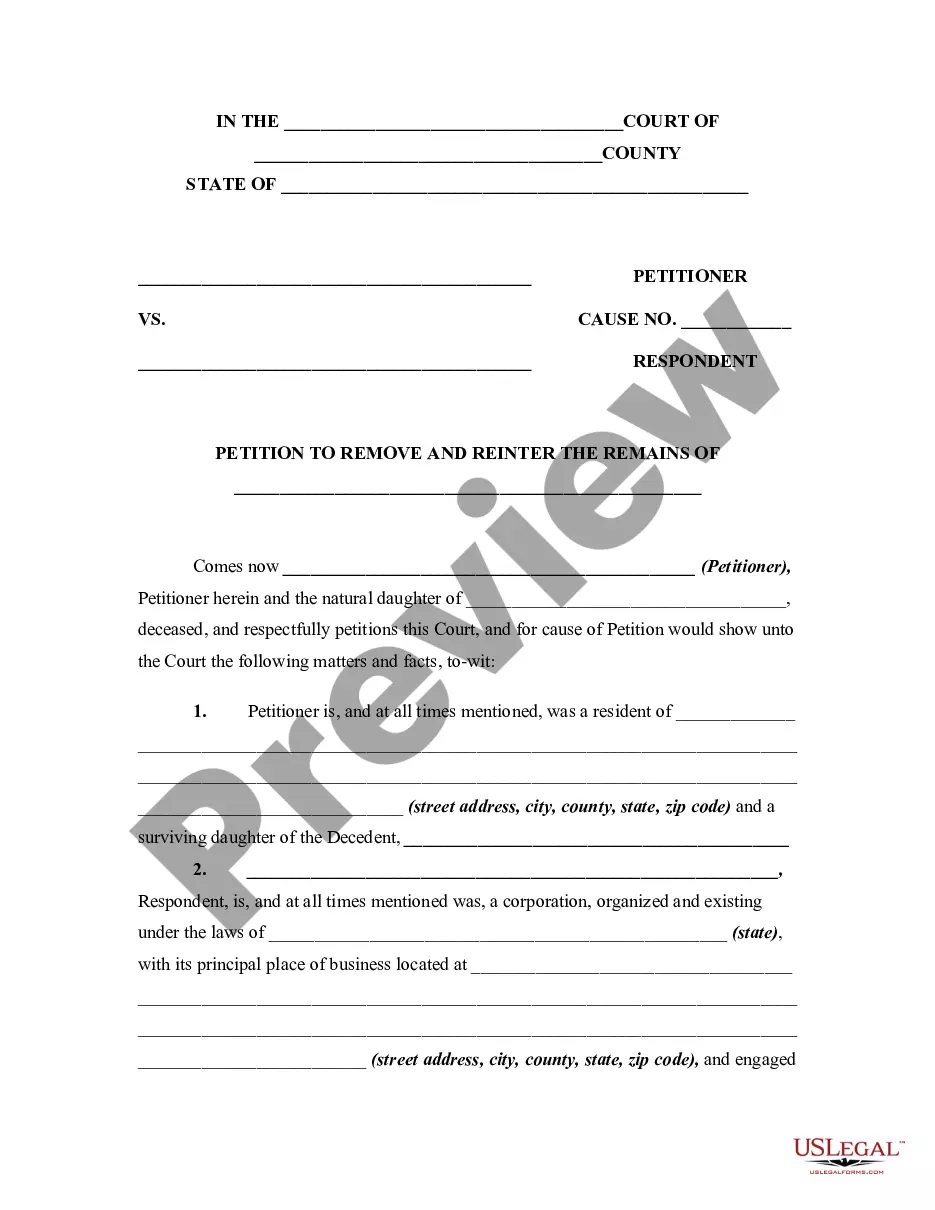
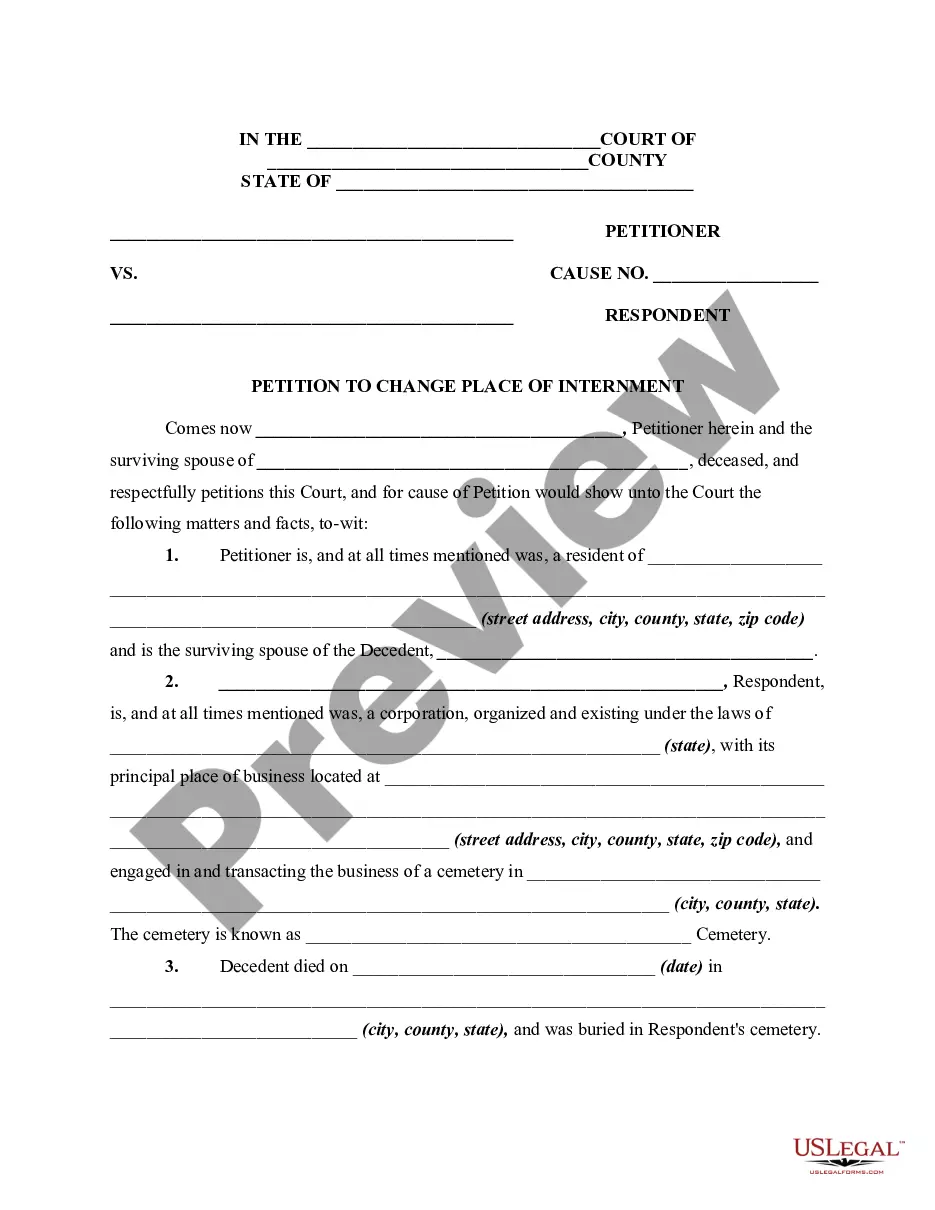
Petition To Set Aside Compromise And Release In Franklin
Description

Get your form ready online
Our built-in tools help you complete, sign, share, and store your documents in one place.
Make edits, fill in missing information, and update formatting in US Legal Forms—just like you would in MS Word.
Download a copy, print it, send it by email, or mail it via USPS—whatever works best for your next step.
Sign and collect signatures with our SignNow integration. Send to multiple recipients, set reminders, and more. Go Premium to unlock E-Sign.
If this form requires notarization, complete it online through a secure video call—no need to meet a notary in person or wait for an appointment.
We protect your documents and personal data by following strict security and privacy standards.

Make edits, fill in missing information, and update formatting in US Legal Forms—just like you would in MS Word.

Download a copy, print it, send it by email, or mail it via USPS—whatever works best for your next step.

Sign and collect signatures with our SignNow integration. Send to multiple recipients, set reminders, and more. Go Premium to unlock E-Sign.

If this form requires notarization, complete it online through a secure video call—no need to meet a notary in person or wait for an appointment.

We protect your documents and personal data by following strict security and privacy standards.
Looking for another form?







Form popularity
FAQ
In order to properly bring an article 78 proceeding, a petitioner must have first exhausted their administrative remedies (discussed in detail below). Most importantly, an article 78 proceeding must be brought 4 months, or 120 days after a final agency determination.
In order to properly bring an article 78 proceeding, a petitioner must have first exhausted their administrative remedies (discussed in detail below). Most importantly, an article 78 proceeding must be brought 4 months, or 120 days after a final agency determination.
Is there a time deadline for filing an Article 78 proceeding? Yes. Article 78 Proceedings must be filed within four months of the date you receive the decision you want to appeal.
A petition to set aside an order approving compromise and release is, in effect, a petition to reopen. It requires a showing of good cause. It is not uncommon that one party alleges "mutual mistake," while the other party asserts the mistake was unilateral. This is ultimately decided by the trier of fact.
A special proceeding is a variety of lawsuit. It is bought on with the simplicity and speed of a motion. The special proceeding may be used only when authorized by law. One kind of special proceeding is the Article 78 proceeding, which seeks to challenge actions of administrative agencies and other government bodies.
Depending on the type of case or procedure, New York's statutes of limitations generally range from one (1) year to six (6) years. The point at which the clock starts ticking is typically the date of the incident or discovery of a wrong.
Unfavorable agency decision, she must move quickly to make her case— the Article 78 action must be filed within four months (or sooner) of a final agency determination.
In the case of Article 78 proceedings, the limitation generally is four months from the final agency action. 1 The petition must make clear when the final agency action took place. The petition should conclude with a demand for a form of relief.