Cemetery Plot Ownership Laws In Arizona
Description


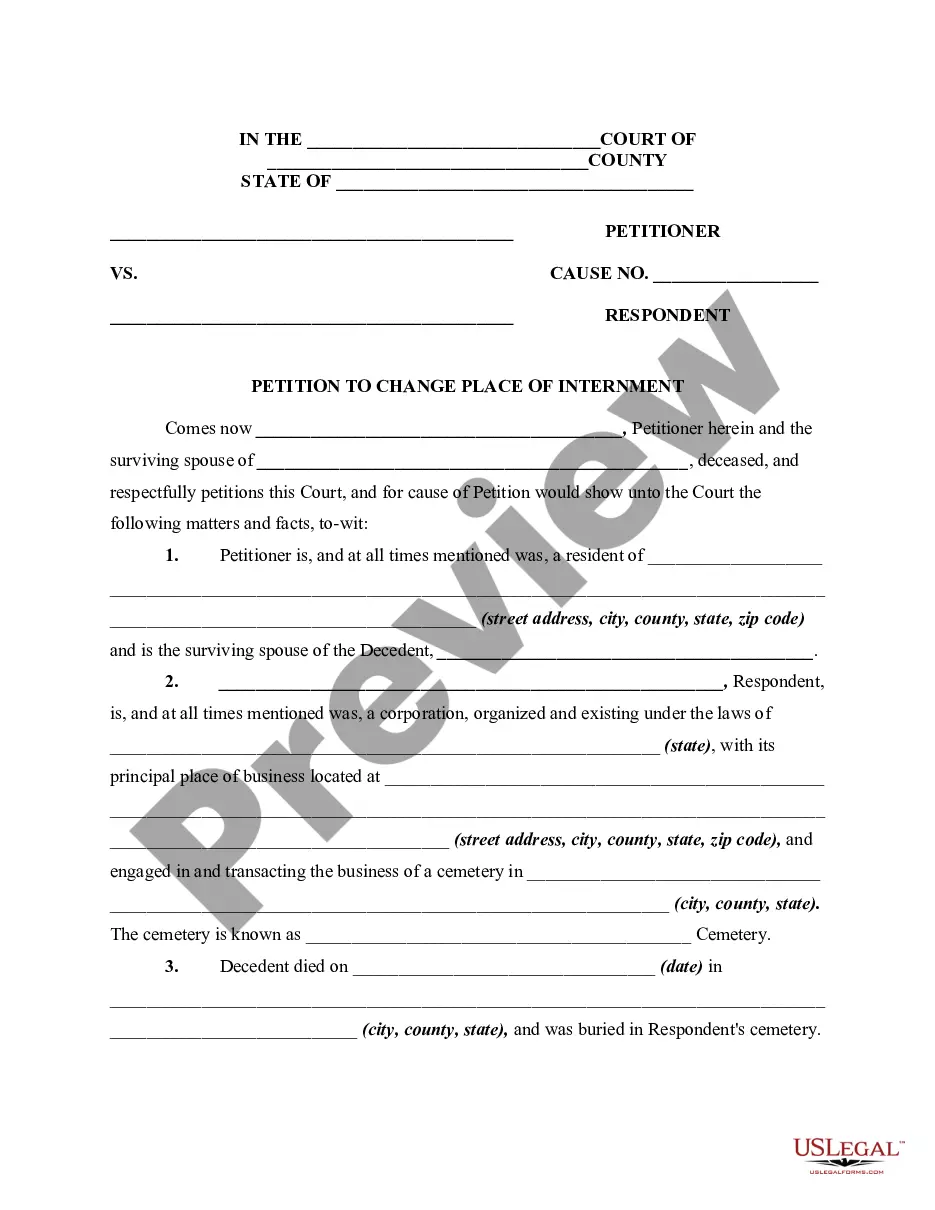
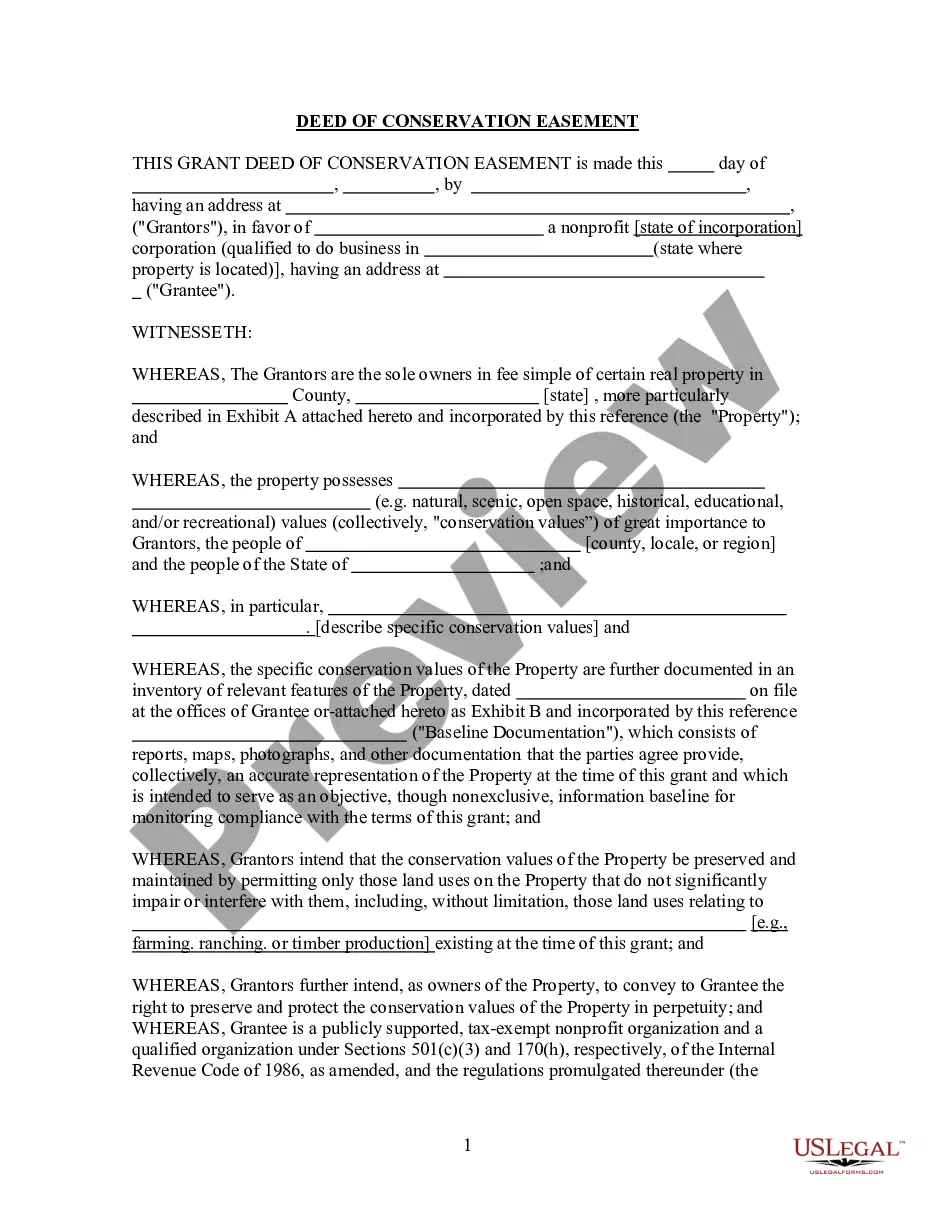
Get your form ready online
Our built-in tools help you complete, sign, share, and store your documents in one place.
Make edits, fill in missing information, and update formatting in US Legal Forms—just like you would in MS Word.
Download a copy, print it, send it by email, or mail it via USPS—whatever works best for your next step.
Sign and collect signatures with our SignNow integration. Send to multiple recipients, set reminders, and more. Go Premium to unlock E-Sign.
If this form requires notarization, complete it online through a secure video call—no need to meet a notary in person or wait for an appointment.
We protect your documents and personal data by following strict security and privacy standards.

Make edits, fill in missing information, and update formatting in US Legal Forms—just like you would in MS Word.

Download a copy, print it, send it by email, or mail it via USPS—whatever works best for your next step.

Sign and collect signatures with our SignNow integration. Send to multiple recipients, set reminders, and more. Go Premium to unlock E-Sign.

If this form requires notarization, complete it online through a secure video call—no need to meet a notary in person or wait for an appointment.

We protect your documents and personal data by following strict security and privacy standards.
Looking for another form?









Form popularity
FAQ
Selling, Leasing, or Exchanging: A cemetery salesperson and broker license is required to sell, lease or exchange cemetery property or interment services. If you would like to apply for a temporary cemetery license, please click here for the checklist and application.
The easiest, fastest and most reliable way for most people to sell a grave plots or cemetery property is to use a reputable licensed cemetery broker. Other methods include listing your plots and finding a buyer yourself, or sometimes you can sell them back to the cemetery.
Most bodies are buried in established cemeteries, but there are no state laws in Arizona that prohibit burial on private property. Local governments might have rules governing burials, however. Before burying a body in your backyard or establishing a family cemetery, you should check county and city zoning rules.
The State Real Estate Department issues licenses for cemetery brokers and has regulatory responsibilities for cemetery development and sale of plots.
Selling, Leasing, or Exchanging: A cemetery salesperson and broker license is required to sell, lease or exchange cemetery property or interment services. If you would like to apply for a temporary cemetery license, please click here for the checklist and application.
Owned and managed by local government entities like a city or town, municipal cemeteries are typically operated as non-profits. Revenue from interments and memorials covers the costs of upkeep and maintenance.
How to Transfer Ownership of a Burial Plot Step 1 – Get the Deed From the Cemetery. Step 2 – Review the State and Local Laws. Step 3 – Prove You Are the Current Owner. Step 4 – Fill Out the Cemetery Plot Deed Transfer Form. Step 5 – Complete the Transfer and Get the New Deed.
Cemetery property is owned by the cemetery corporation. The real property is not sold. The lot “owner” receives three privileges: the right of burial, the right to memorialize and the right to vote at lot owner meetings. Q.
In most cases, when you buy a plot, you own it forever. There are some states with laws that allow them to reclaim the space if a certain amount of time passes with no activity at the gravesite. This time span is usually 50 years or more. Check with your estate attorney to see if this type of law applies to you.