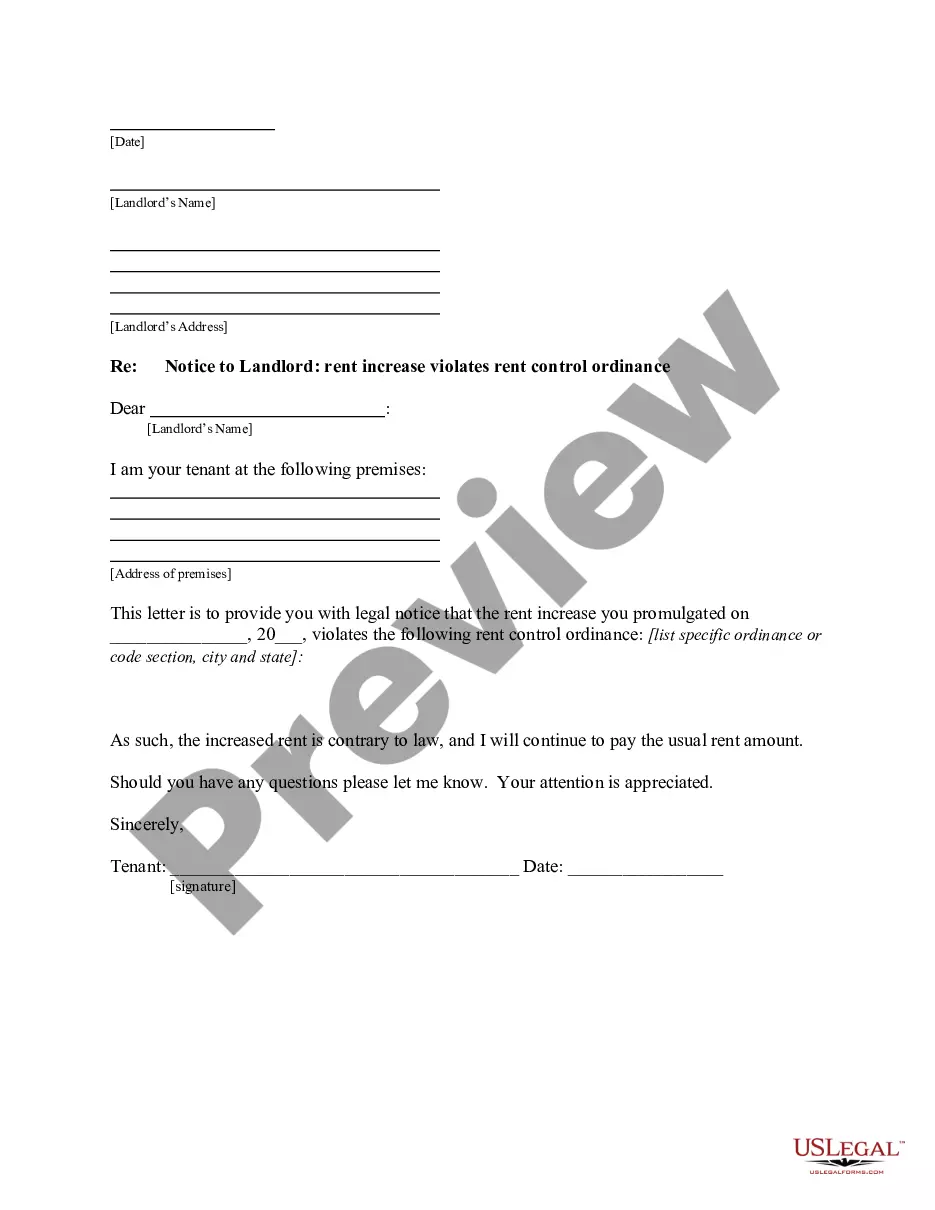
Employment Discrimination For Criminal Record In Utah
Description




Get your form ready online
Our built-in tools help you complete, sign, share, and store your documents in one place.
Make edits, fill in missing information, and update formatting in US Legal Forms—just like you would in MS Word.
Download a copy, print it, send it by email, or mail it via USPS—whatever works best for your next step.
Sign and collect signatures with our SignNow integration. Send to multiple recipients, set reminders, and more. Go Premium to unlock E-Sign.
If this form requires notarization, complete it online through a secure video call—no need to meet a notary in person or wait for an appointment.
We protect your documents and personal data by following strict security and privacy standards.

Make edits, fill in missing information, and update formatting in US Legal Forms—just like you would in MS Word.

Download a copy, print it, send it by email, or mail it via USPS—whatever works best for your next step.

Sign and collect signatures with our SignNow integration. Send to multiple recipients, set reminders, and more. Go Premium to unlock E-Sign.

If this form requires notarization, complete it online through a secure video call—no need to meet a notary in person or wait for an appointment.

We protect your documents and personal data by following strict security and privacy standards.
Looking for another form?




Form popularity
FAQ
A form of employment discrimination, wrongful termination occurs when an employer fires an employee for unlawful reasons that violate an employment contract, public policy, or antidiscrimination laws defending the rights of employees belonging to a protected class.
An employee may express the employee's religious or moral beliefs and commitments in the workplace in a reasonable, non-disruptive, and non-harassing way on equal terms with similar types of expression of beliefs or commitments allowed by the employer in the workplace, unless the expression is in direct conflict with ...
On March 13, 2024, Governor Spencer Cox signed House Bill (HB) 55, titled the “Employment Confidentiality Amendments.” The law prohibits employers from requiring employees to sign nondisclosure agreements (NDAs) or nondisparagement agreements related to allegations of sexual harassment and sexual assault—which have ...
If your arrest and conviction are unrelated to your job position, or if it has been years since the conviction took place, an employer might still hire you. That said, employers are typically wary of hiring people with felony convictions or those convicted of charges related to violent offenses or financial offenses.
Employers can consider criminal records when they make the final decision about hiring. But employers cannot treat people differently because of their race or national origin.
What shows up on a Utah background check? Utah background checks can provide various types of information about a candidate, including criminal records, education credentials, previous employment, driving history, or drug screening results.
Utah Felony Crimes First Degree Felony - , , child kidnapping, aggravated burglary, aggravated robbery or arson, and possession with intent to distribute a controlled substance near a school are classified as first degree felonies punishable by five years to life in prison and up to $10,000 in fines.
Yes, convicted felons can own property. Federal laws do not prevent felons from doing so.