Title Vii Of The Civil Rights Act Of 1964 Prohibits Discrimination In Employment By In Texas
Description




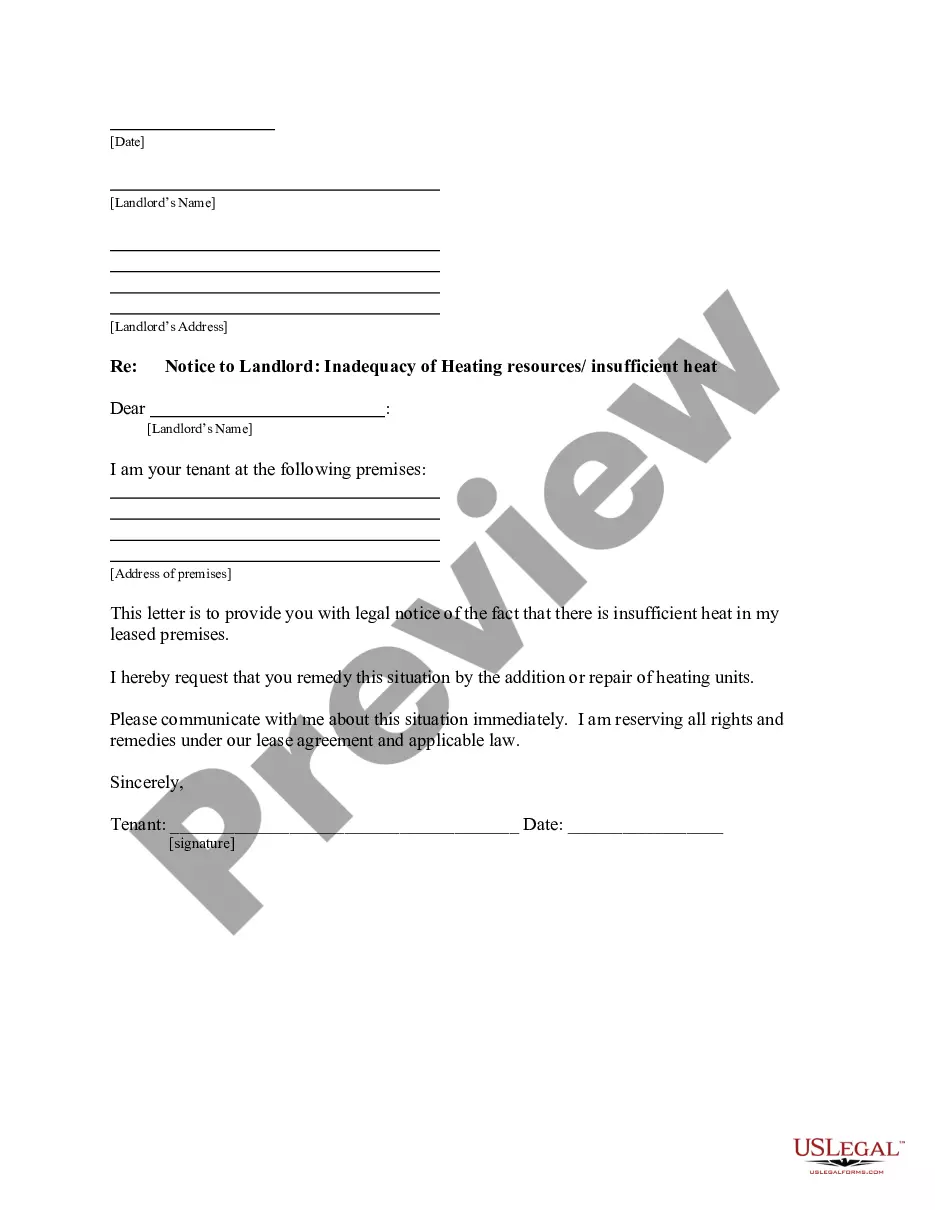
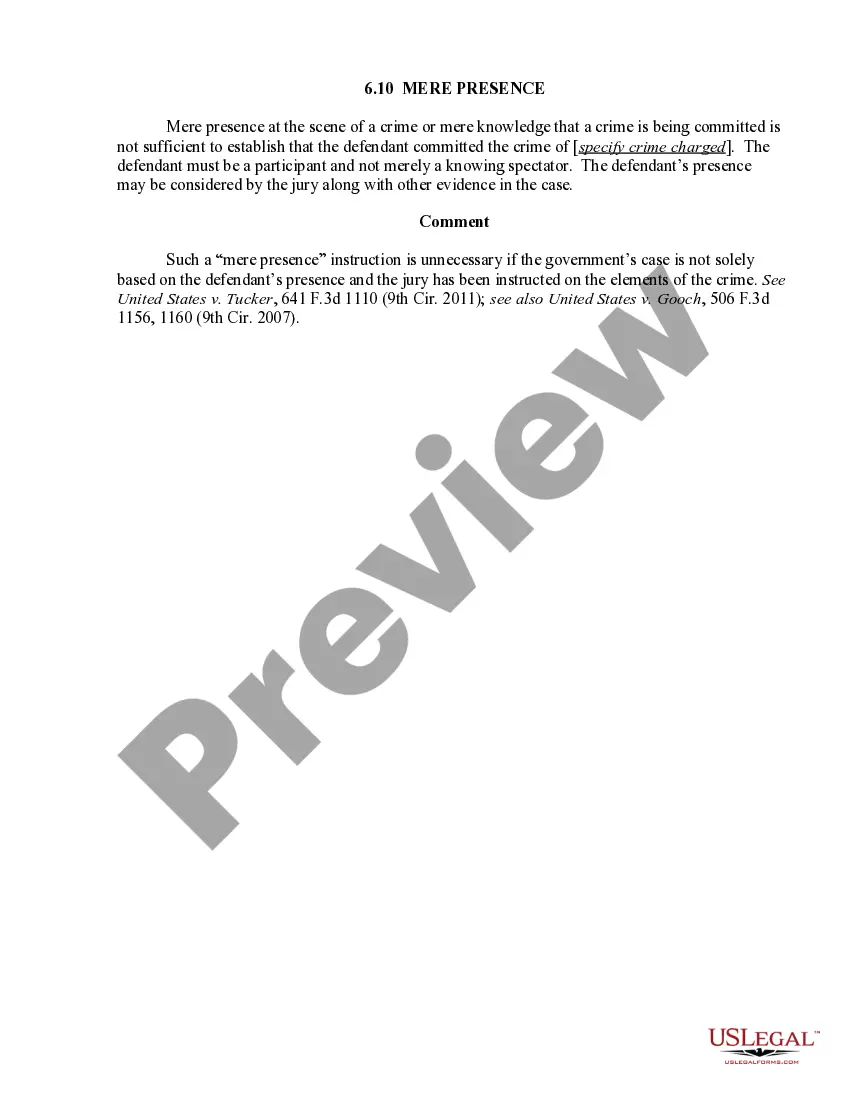

Form popularity
FAQ
Direct evidence of discrimination is usually found where an employer admits to the employee or someone else, verbally or in writing, that their intent or motive is to take an Adverse Employment Action (described above) against an employee because the employee is a member of a Protected Class.
Title VII of the Civil Rights Act does not cover federal employees or independent contractors. However, federal employees are protected against discrimination by other federal anti-discrimination laws.
The employee must first present evidence that he is a member of a protected class, he was qualified for the position he held, he suffered an adverse employment action such as being fired, and that he was replaced with another worker who is not a member of that protected class.
Evidence in a discrimination case in California typically includes: emails, text messages, recordings, disciplinary forms, termination documents, or a copy of your employment contract if one exists. If you're like most Californians, you spend an inordinate amount of time at work.
Complaint Process Gather Information. Gather information you will need to file your complaint. How to File. Call 1-866-487-9243, or for general questions reach out to us online. We Work with You. We will work with you to answer your questions and determine whether an investigation is the best course of action.
Wronged employees have three ways of proving their employers intended to discriminate: circumstantial evidence, direct evidence, and pattern and practice. Circumstantial evidence is evidence that proves a fact by inference, as opposed to direct evidence which directly proves a fact.
In these instances, you may be able to prove discrimination occurred against you if you can establish a verifiable pattern of various types of harassment happening on the job. These can include racist comments, sexually suggestive comments or emails directed at you, or other acts that could be deemed as harassment.
If you are being treated unfairly in the workplace, there are a number of steps you can take in order to protect your rights: Document The Unfair Treatment. Report The Unfair Treatment. Stay Away From Social Media. Take Care Of Yourself. Contact An Experienced Lawyer.
The following would be considered illegal discrimination if there is evidence that the decision was made based on a protected characteristic: Sexual Harassment. Refusal to Provide Services. Unfair Lending Practices. Misrepresenting the Availability of Housing. Refusal to Allow “Reasonable Modifications” Refusing Rental.