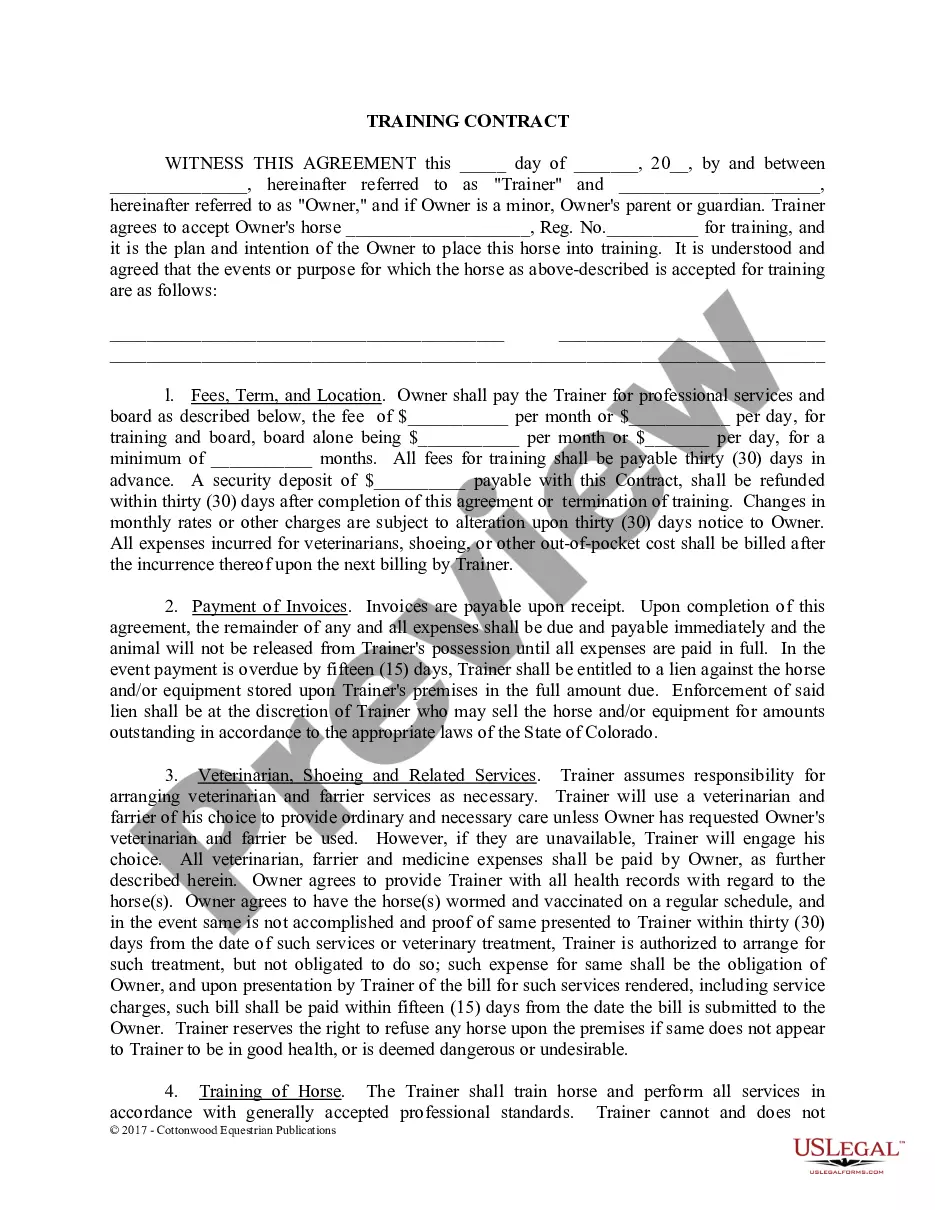
Title Vii And Independent Contractors In Texas
Description




Get your form ready online
Our built-in tools help you complete, sign, share, and store your documents in one place.
Make edits, fill in missing information, and update formatting in US Legal Forms—just like you would in MS Word.
Download a copy, print it, send it by email, or mail it via USPS—whatever works best for your next step.
Sign and collect signatures with our SignNow integration. Send to multiple recipients, set reminders, and more. Go Premium to unlock E-Sign.
If this form requires notarization, complete it online through a secure video call—no need to meet a notary in person or wait for an appointment.
We protect your documents and personal data by following strict security and privacy standards.

Make edits, fill in missing information, and update formatting in US Legal Forms—just like you would in MS Word.

Download a copy, print it, send it by email, or mail it via USPS—whatever works best for your next step.

Sign and collect signatures with our SignNow integration. Send to multiple recipients, set reminders, and more. Go Premium to unlock E-Sign.

If this form requires notarization, complete it online through a secure video call—no need to meet a notary in person or wait for an appointment.

We protect your documents and personal data by following strict security and privacy standards.
Looking for another form?







Form popularity
FAQ
However, that doesn't mean that contractors can't file their own personal injury lawsuits if they get injured at work. If companies were negligent in keeping their premises safe, they could still be held legally responsible.
If you are an employee, your recourse for having suffered an injury on the job is to file a workers' compensation claim. If you are an independent contractor, you will have a claim in tort. Under those circumstances, you will have to show the at fault party failed to exercise ordinary care to keep the premises safe.
People who are not employed by the employer, such as independent contractors, are not covered by the anti-discrimination laws.
Right to manage your own business. As a self employed person, you provide your own benefits. Your client has no responsibility for benefits, health insurance, or other things that employees have. Also, you enforce the rights of your business. If someone attempts to abuse your services, you must take action.
Employees receive the protections of the FLSA. Independent contractors are in business for themselves and therefore are not covered by the FLSA.
For example, this title typically does not cover: Independent contractors. U.S. citizens who are working abroad for non-U.S.-controlled businesses.
People who are not employed by the employer, such as independent contractors, are not covered by the anti-discrimination laws.
Right to manage your own business. You run your own business as an independent contractor. As a self employed person, you provide your own benefits. Your client has no responsibility for benefits, health insurance, or other things that employees have. Also, you enforce the rights of your business.